“We close our eyes and imagine what we want to become.”
Every child in Gaza urgently needs some form of mental health and psychosocial support. UNICEF and partners are working to ensure they receive it.
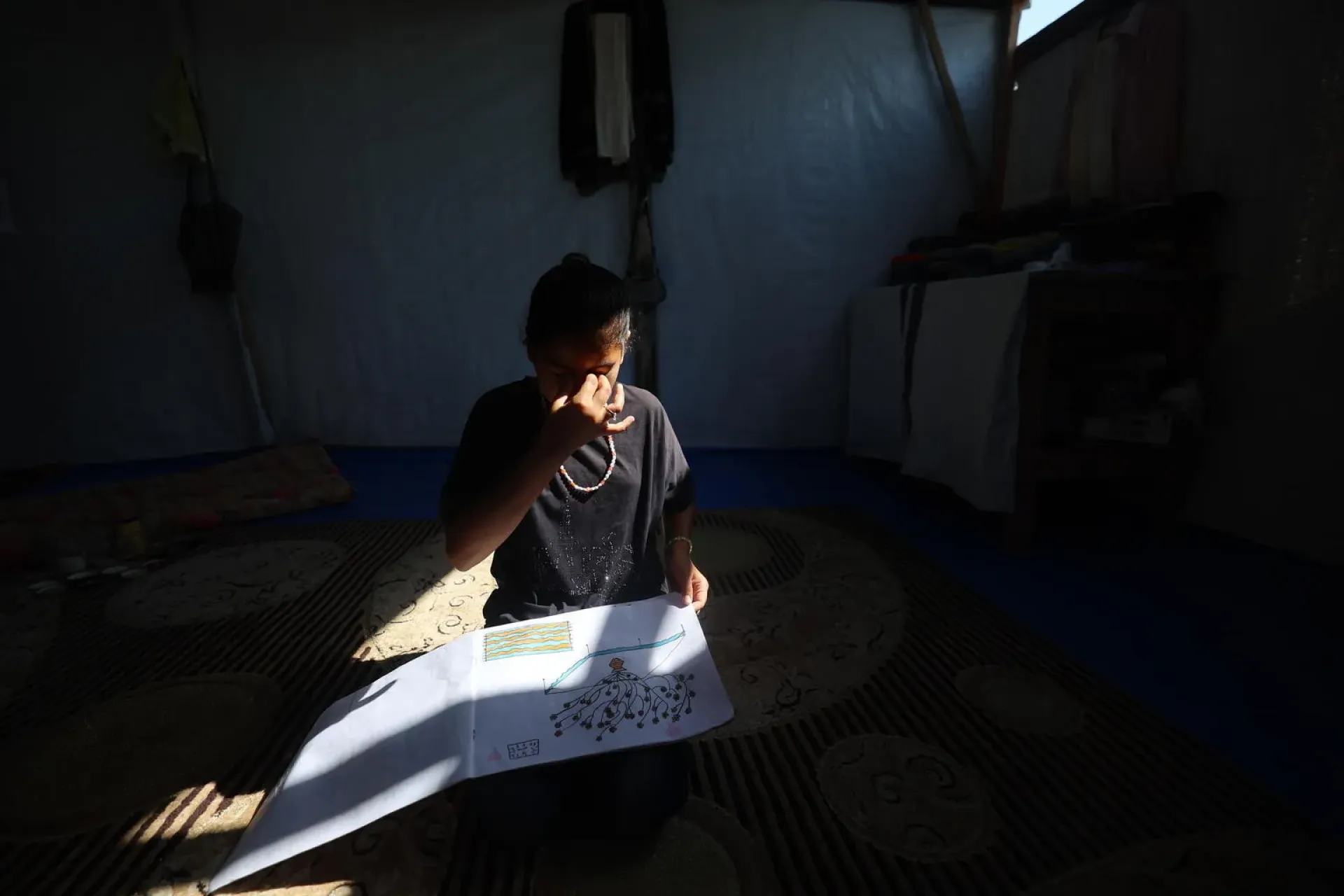
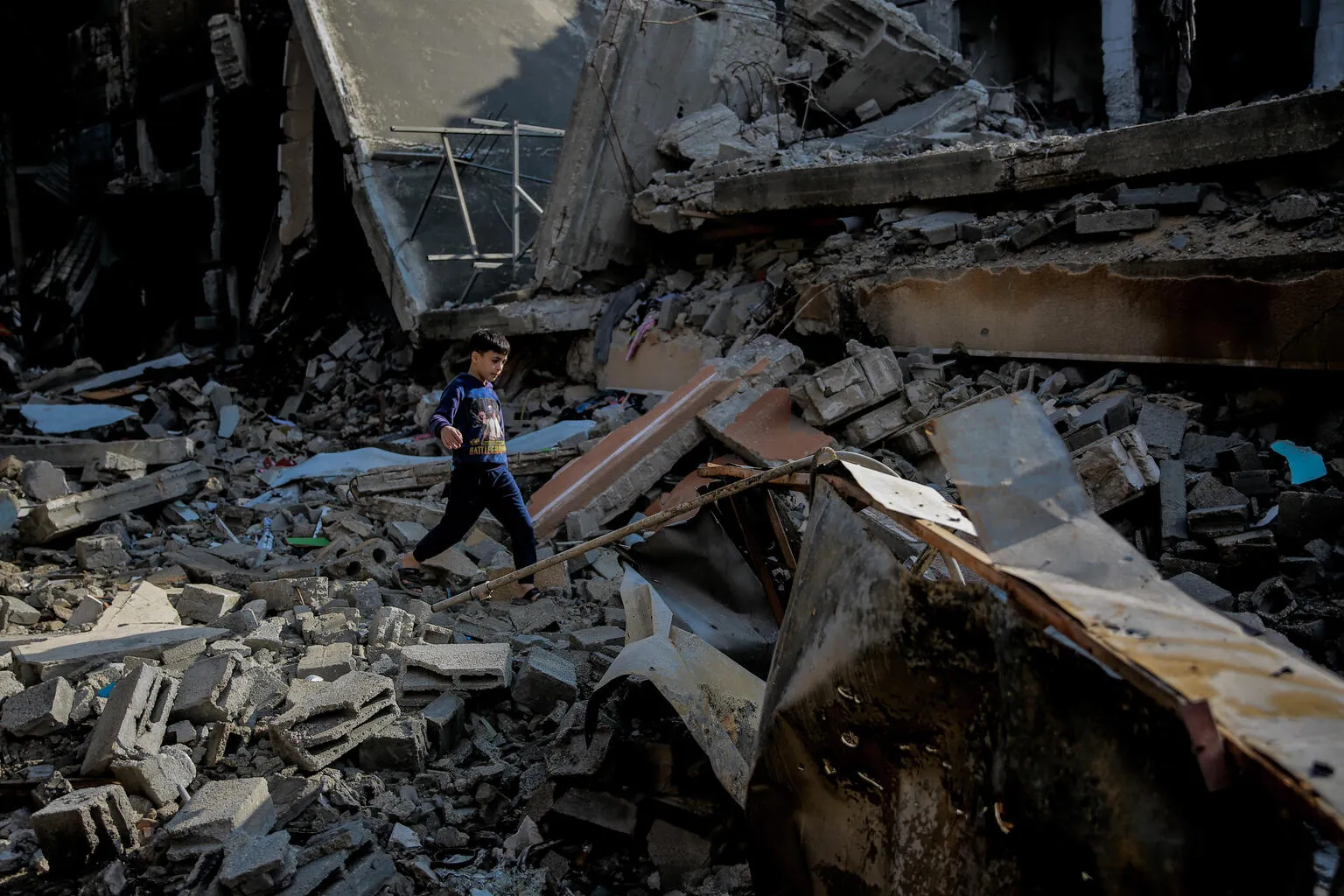
Two years of relentless violence and displacement have taken a devastating toll on families in the Gaza Strip, where a million children have endured daily horrors simply trying to survive.
Every child in Gaza has experienced loss – of family and friends, of their homes and schools, and of the lives they once knew.


UNICEF/UNI501985/Al-Qattaa
All children in the Gaza Strip have been exposed to violence that has disrupted their sense of safety, stability and childhood. Tens of thousands of children have been physically injured, and many will live with life-long disabilities as a result.
Even before October 2023, half of Gaza’s children needed some form of mental health support. UNICEF was on the ground before the current war, and we have continued to support as many children as we can reach.
The latest ceasefire has given UNICEF and its mental health partners across the Gaza Strip a window to reach more children with the care they urgently need, and to scale up child protection and mental health and psychosocial support to help ease the long-term psychological and physical toll of two years of relentless violence.
As part of UNICEF’s mental health response early in 2025, group sessions on recovery techniques taught children simple ways to manage fear and anxiety stemming from traumatic memories, regulate intrusive thoughts, and find brief moments of calm amid daily uncertainty.
The recovery sessions had to be paused in May 2025 due to further intensified violence, but the ceasefire has been an opportunity to reintroduce this specific MHPSS intervention, especially as facilitators, parents and children said they felt that these sessions were beneficial.


UNICEF/UNI886146/El Baba
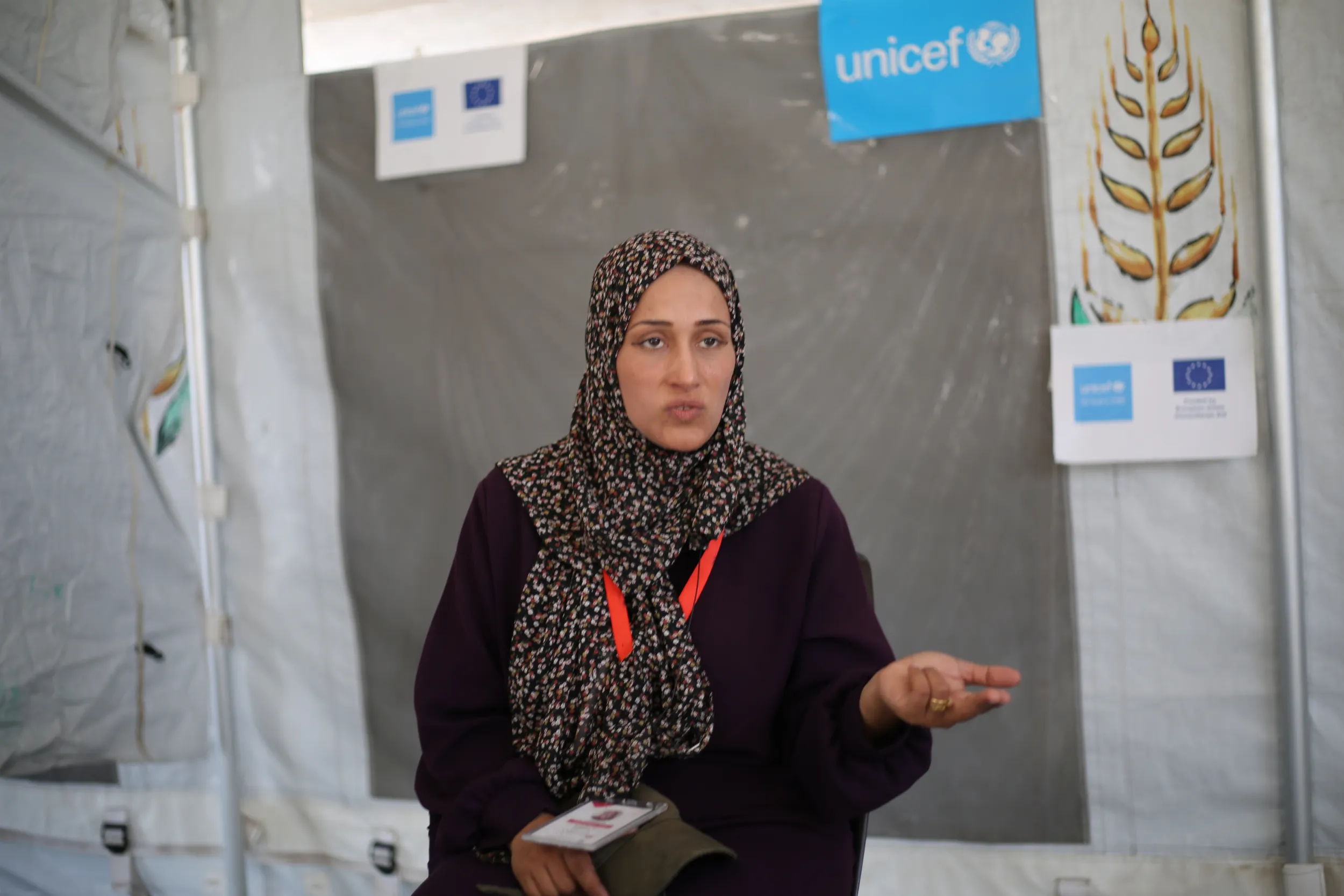
“We try as much as possible to strengthen children’s resilience so that they can cope with difficult daily situations,” says Shaimaa, a mental health and psychosocial support specialist working with a UNICEF partner in Khan Younis.
Chronic stress rewires young brains and bodies, making them more vulnerable to lasting psychological and physical harm. Children can become withdrawn or easily upset, and are living with persistent sadness and anxiety at clinically significant levels.
In the group sessions conducted in Gaza, children practiced regaining control over intrusive thoughts and flashbacks and worked together on skills that help regulate their bodies.
Facilitators offered a set of techniques and visualizations that children could choose from, including the ‘worry sponge’, which imagines soaking up the worries in their minds, or the ‘image changer’, a technique for reshaping a recurring memory into something less frightening.
“These types of exercises can serve as a ‘toolkit’ for children, helping them when they recall or relive displacement, bombings – any kind of violation or loss,” Shaimaa says. “Children can use specific techniques to distract themselves from painful thoughts and scenes for a moment so that they can breathe, move, live and…carry on with daily activities.”
“I’ve seen the effect [of the techniques] in the group I worked with,” Shaimaa says. “I truly feel this has had an impact.”
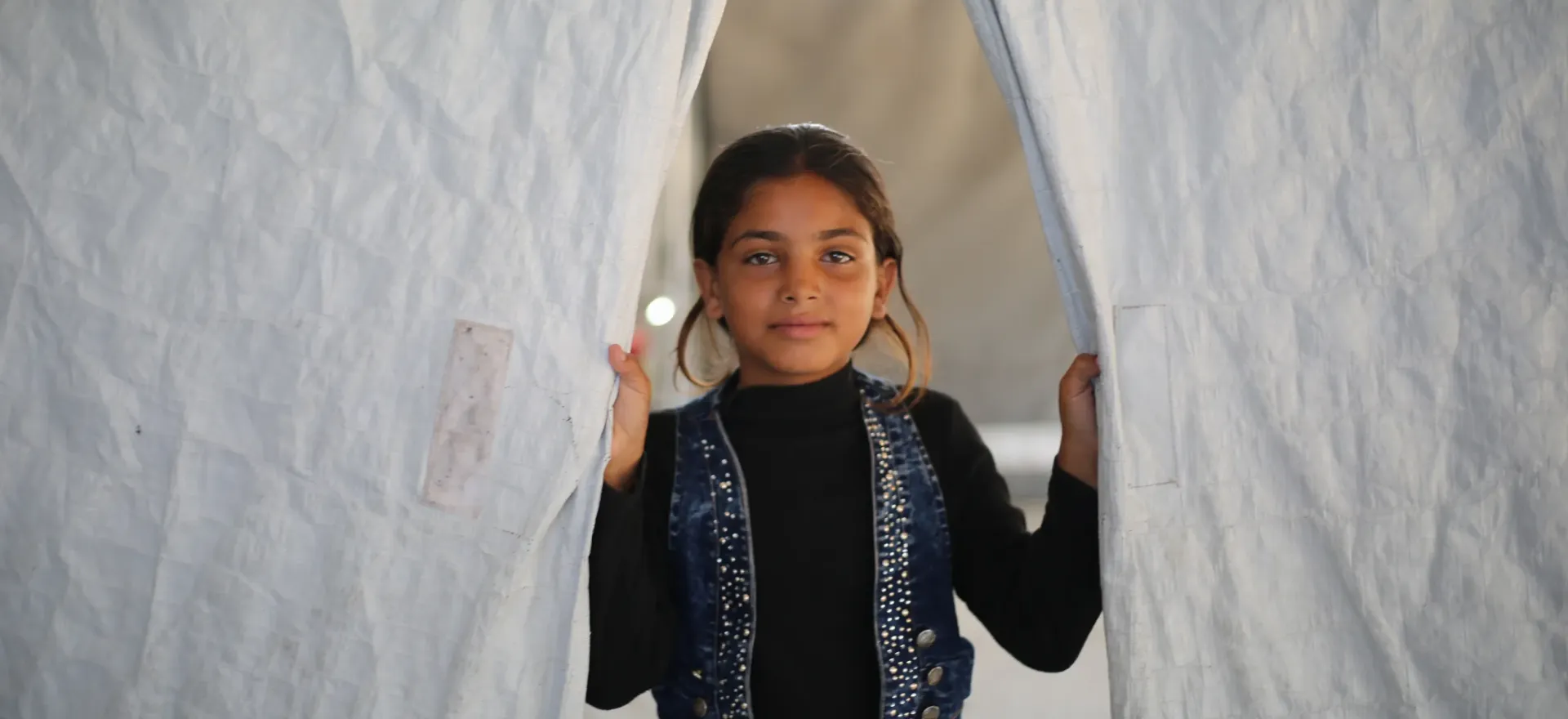
Naseem, 11, and her family had been displaced seven times by the time she spoke with UNICEF in late September 2025.
She said she had benefited from the exercises that she learned from Shaimaa earlier in the year – and she was especially fond of the ‘image changer’ and simple breathing methods.
“Anything that bothers me, I put it in a frame, break it, and get rid of it,” Naseem said.
UNICEF/UNI886148/El Baba
“I imagine I’m at home...At home, we had many flowers, and I felt so much more comfortable,” she explained.
Mena, also 11, said she had used the ‘imagination activity’ to help her cope with the sound of bombs striking nearby.
“We close our eyes and imagine what we want to become in the future,” she said.
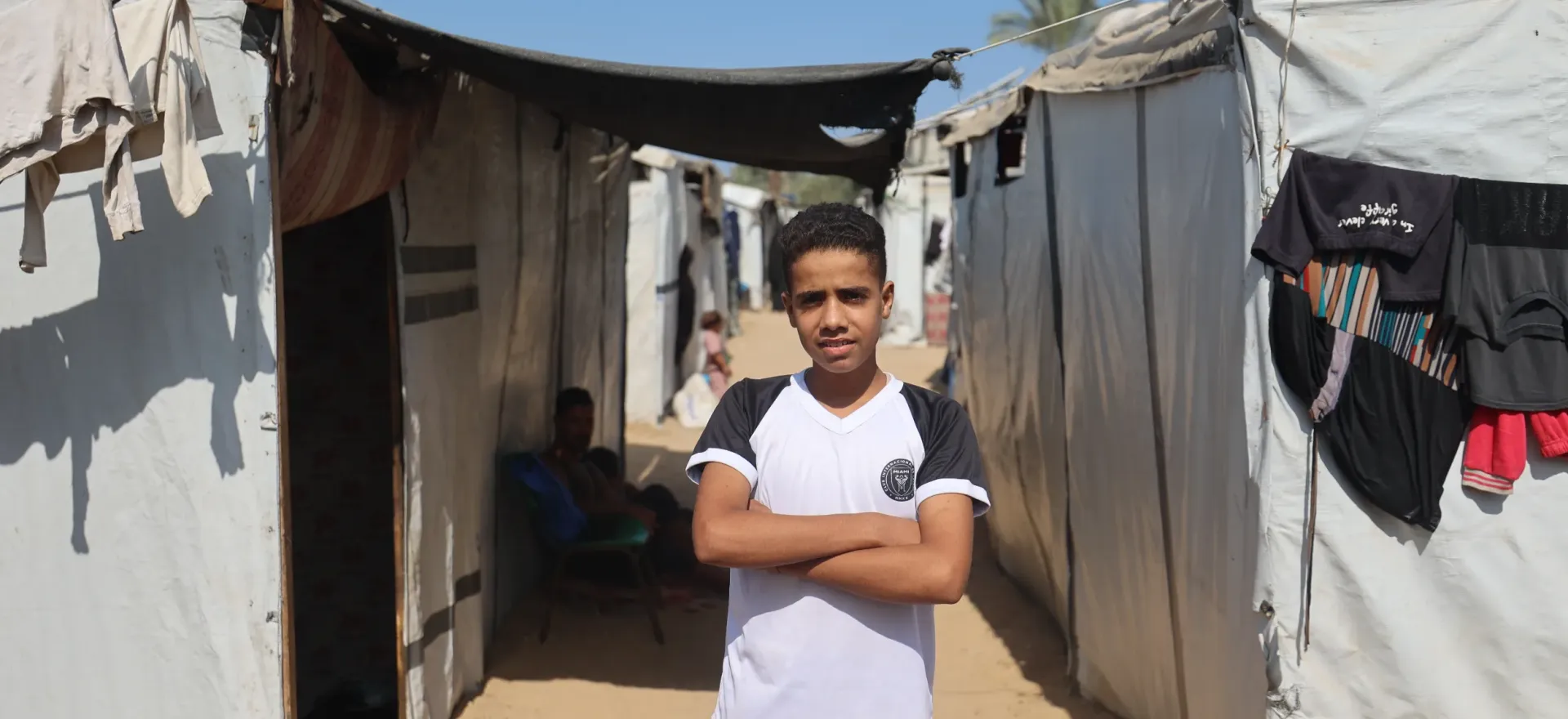
Anas, 15, and his family have been displaced multiple times too.
UNICEF/UNI886209/El Baba
“I was very scared. I felt intense fear,” he said. “But after I began attending the mental health support sessions, the fear that used to bring me frightening thoughts and terrifying dreams went away.”
Mental health support is just one element of the massive child protection response required across Gaza. UNICEF aims to ensure that every child has access to the mental health and psychosocial support they need, mainly through learning and community-based activities that help them cope, rebuild a sense of safety and stability, and reconnect with family and communities.
Through play-based activities that support psychological recovery, individualized counselling, and group sessions that support children in coping with responses to the violence and upheaval they have lived through, UNICEF’s MHPSS services in the Gaza Strip reach more than 30,000 children each month.
While the ceasefire is in place, UNICEF is working to extend this critical assistance to even more children. But the entry of MHPSS and education-related materials into the Gaza Strip is essential if this lifeline of support is to reach every child who needs it.