What we do
UNICEF protects the rights, lives and futures of more than 884 million children and young people in South Asia.
Our work
More than a quarter of the world’s children live in the South Asia region – many of them in extremely complex situations. All of these children face challenges and opportunities.
In some parts of the region, survival in the early years remains a struggle. Other children miss out on the opportunity to learn, even when they attend school. In some countries, a changing climate brings threats from rising seas; in others, melting glaciers and water scarcity present danger.
Throughout the eight countries of South Asia, UNICEF works with partners, children and young people to find solutions to these challenges and many others. But no matter the country, UNICEF starts by reaching out to the most vulnerable children and families. The goal: provide the support needed so every child survives, thrives and develops the knowledge and skills needed to build a productive future.
Our programmes
Fast-forward advocacy
South Asia made great gains in protecting the lives, rights and futures of children and young people. In recent decades:
- Maternal mortality ratio dropped 67%
- Neonatal mortality rate was cut in half
- Stunting was reduced by a more than third
- The percentage of children with basic childhood immunization reached 91%
Despite the progress, critical child rights challenges need to be addressed throughout South Asia. And fast.
The need for speed comes, in part, from global decision-makers and the 2030 deadline for achieving the Sustainable Development Goals, a roadmap for a better, more sustainable world. But the most important reason is children and young people.
To meet this imperative and responsibility, the Regional Office of South Asia has ramped up advocacy in four critical areas:
Adolescent girls
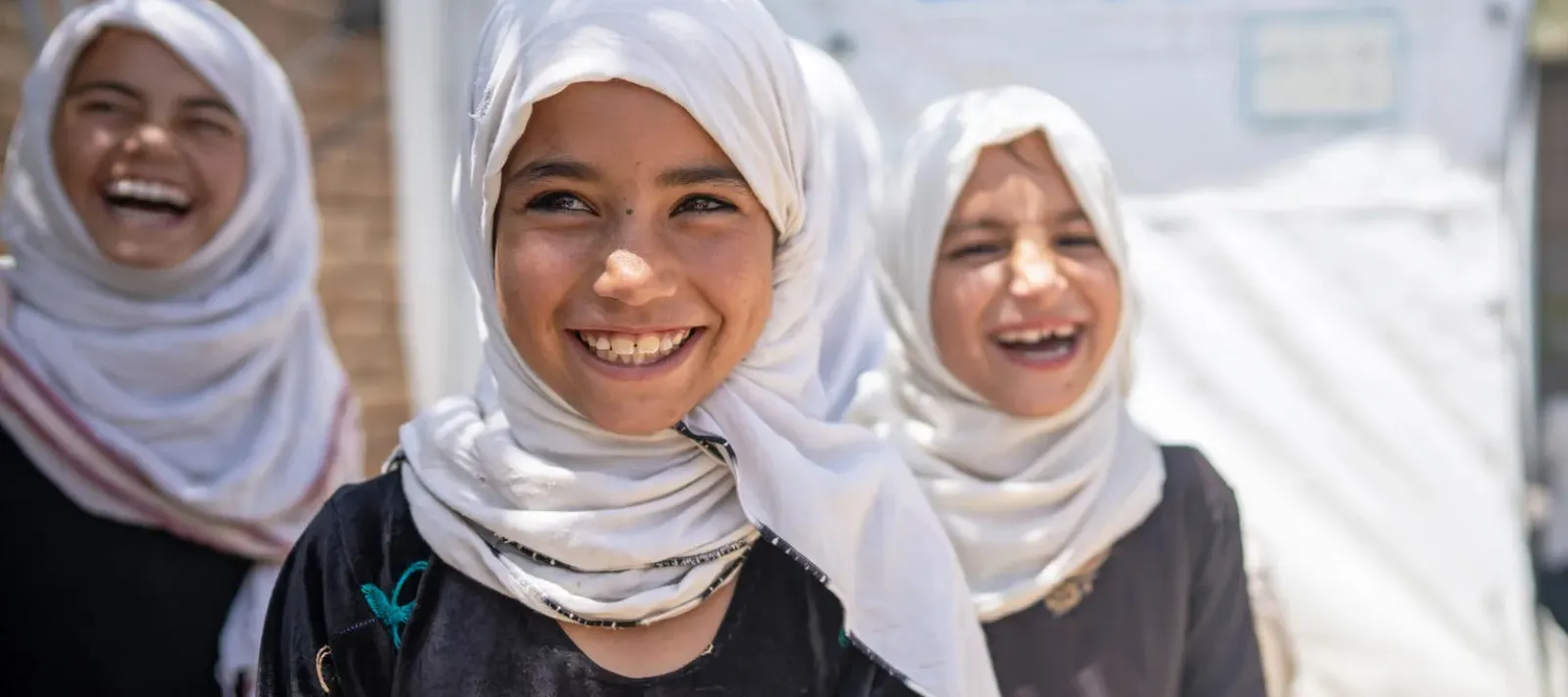
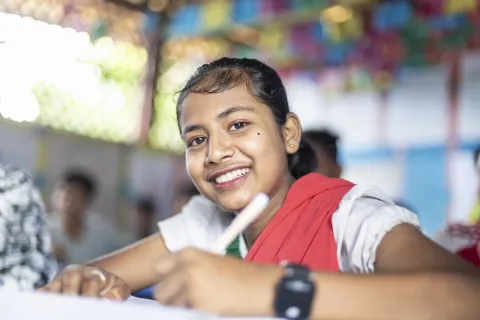
More than 171 million adolescent girls live in South Asia. Each has the potential to create the lives they want and lead their families, communities and nations to a better, more sustainable future. Far too often, their power is diminished by harmful gender norms, discrimination and a failure to invest in their health, education and skills.
UNICEF South Asia advocates with and for adolescent girls to: change attitudes; bolster support adolescent girls’ education; and tackle the cycles of child marriage and adolescent pregnancy by providing knowledge, education and opportunity.
Climate action
Children and young people’s right to a safe, clean environment is recognized globally. But recognition does not always translate into action that addresses children and young people’s particular vulnerabilities, needs and rights.
In close alliance with young people, UNICEF South Asia advocates for child-centred climate policies. We persuade governments to integrate climate resilience and adaptation measures into the services children and young people depend on to protect their health, nutrition, education and futures.
Community health and nutrition
Healthcare should not just be about recovering from illness. It should be about being healthy – about the behaviours, practices and nutrients that prevent illness. Throughout much of South Asia, community health and nutrition workers provide the frontline services that focus on health rather than illness.
UNICEF South Asia advocates to bolster this approach so it reaches more children and young people in remote areas and includes those from marginalized groups, such as adolescent girls. We start by coordinating across sectors and partners to consolidate efforts to protect children’s health.
Foundational learning
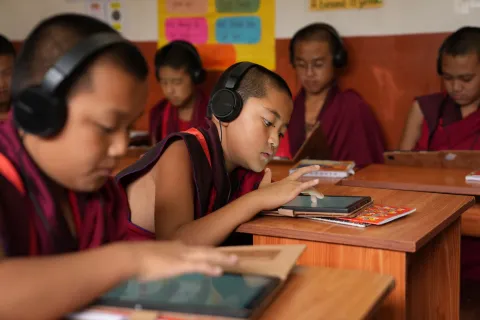
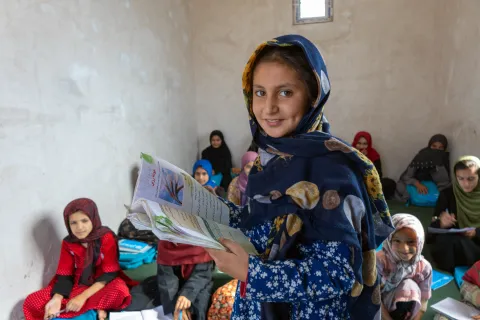
Throughout South Asia, 6 out of 10 children cannot read by age 10. This figure is at the foundation of a learning crisis that threatens children’s futures and the future of their families, communities and nations.
UNICEF South Asia advocates for immediate steps to end this crisis. These steps include a call for strong pre-primary education and improved learning outcomes, especially for adolescent girls. Critical to achieving these goals is the need for learning assessments that allow educators to identify gaps and respond.