Climate change and the environment
A liveable planet for every child
The challenge | What we're doing | What’s still at stake
The climate crisis is a child rights crisis.
Climate change is reshaping every part of a child’s life. It disrupts learning, increases malnutrition and food insecurity, drives displacement, increases risks of child labour, child marriage and family separation, and causes heat stress, respiratory illness, and the spread of disease.
The challenge in Asia and the Pacific
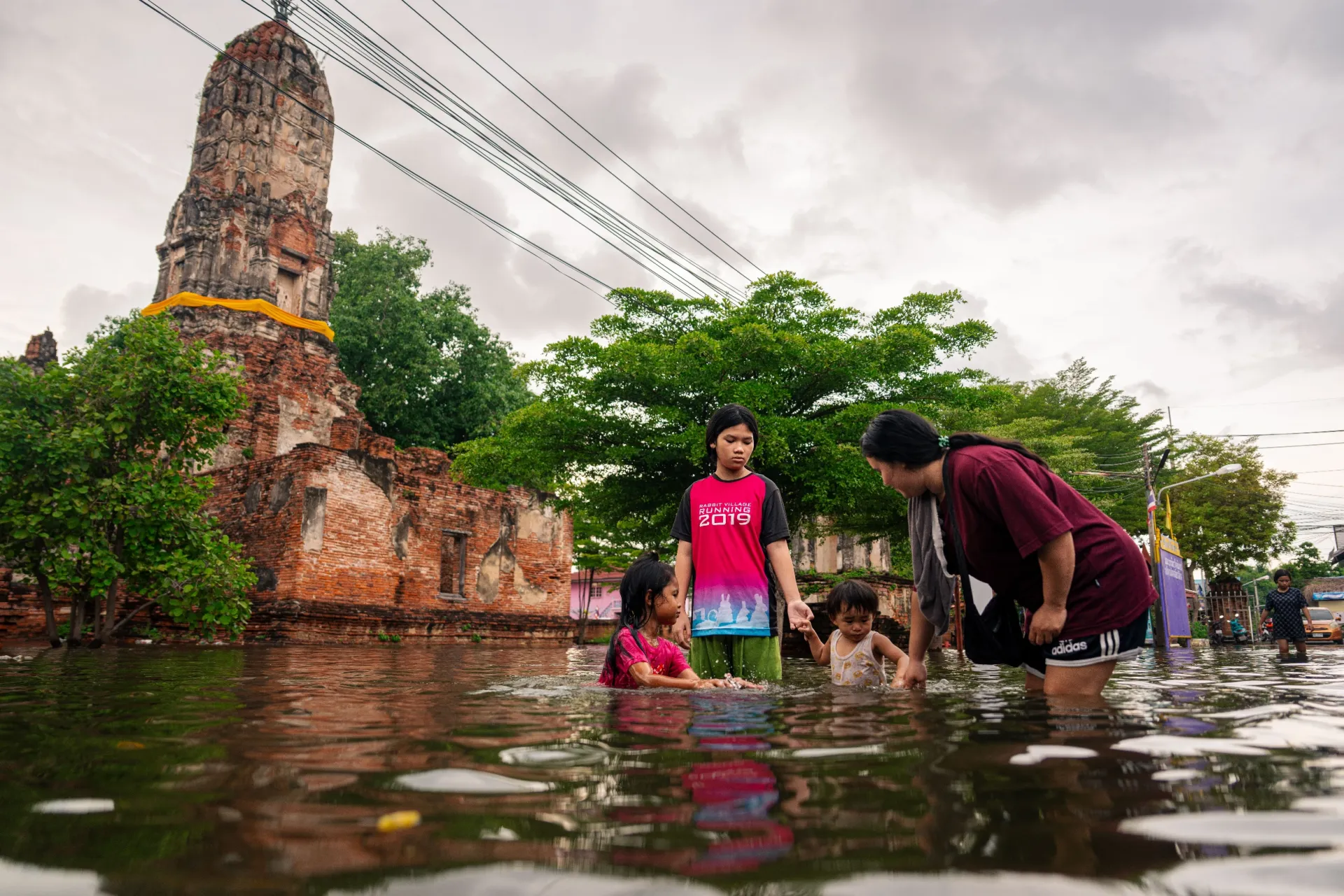
Asia and the Pacific lies on the very frontlines of the climate crisis. Millions of children across the region are already living with the devastating effects of a crisis they did not create. Recurring coastal floods, droughts, fires, heatwaves, riverine floods, sand and dust storms, tropical storms, and hazards such as air pollution and malaria are all upending their lives, their health, their learning, and their very futures.
In too many countries in Asia and the Pacific, children are not even mentioned in national climate plans. Despite this, children and adolescents, acutely aware of the climate crisis, are already leading climate action in their own communities.
Climate change
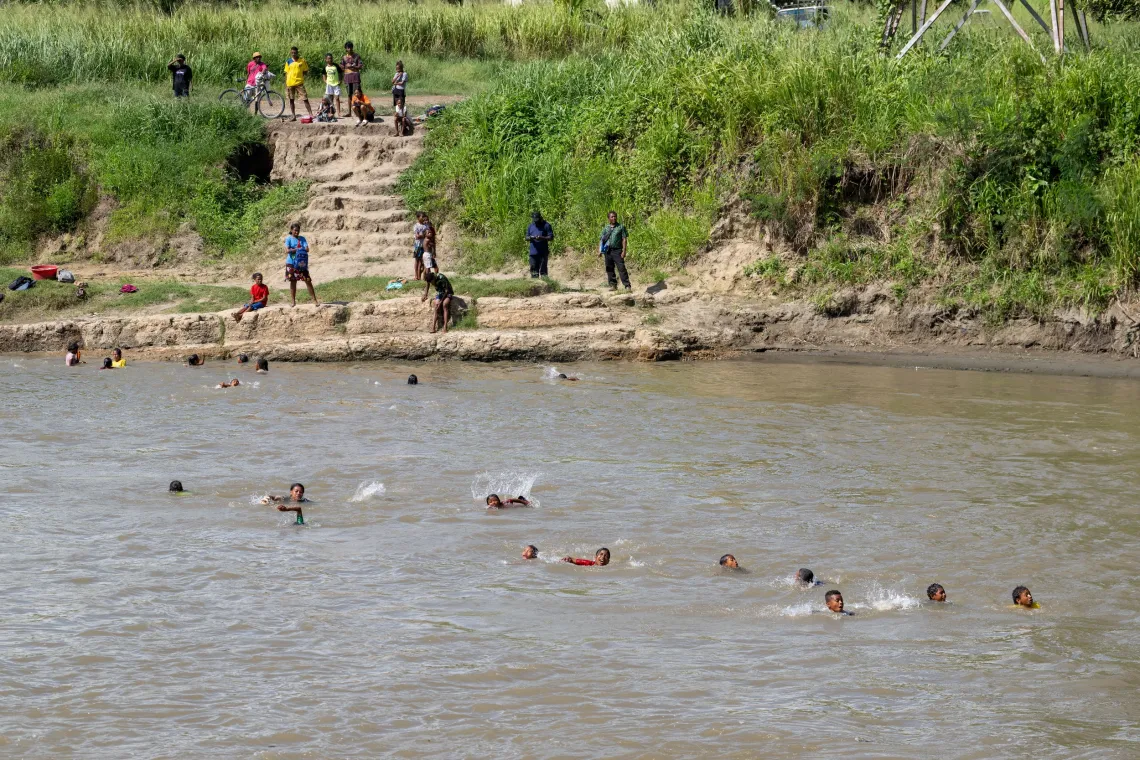
Asia and the Pacific is home to the world’s largest number of children exposed to climate risks and hazards.
In countries like Myanmar and Pakistan, children are exposed to more climate hazards at once and at a higher intensity than anywhere else in the world. Low-lying countries like Tuvalu and the Maldives face threats to their very existence. And for children in island or landlocked developing countries – ranging from Kiribati and the Solomon Islands to Lao PDR and Mongolia - the climate crisis is magnified by isolation and limited capacity, turning repeated shocks into ongoing emergencies.
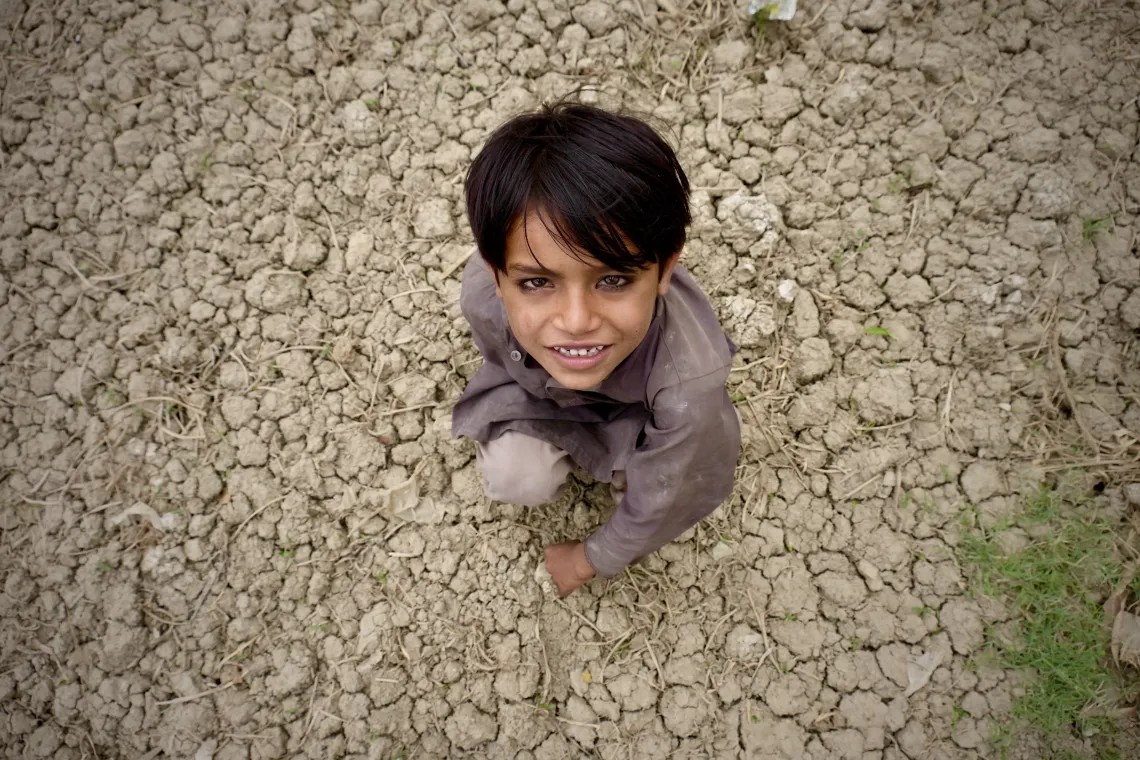
Children born in East Asia and the Pacific today are experiencing six times more climate-related disasters than their grandparents did, with floods, storms, droughts and landslides all increasing dramatically over the past 50 years. As extreme weather becomes more frequent, more intense, and less predictable, each disaster compounds existing vulnerabilities. Children are repeatedly cut off from healthcare and learning and are increasingly exposed to protection risks, while psychological trauma accumulates and resilience and family resources are depleted.
Environmental degradation and pollution
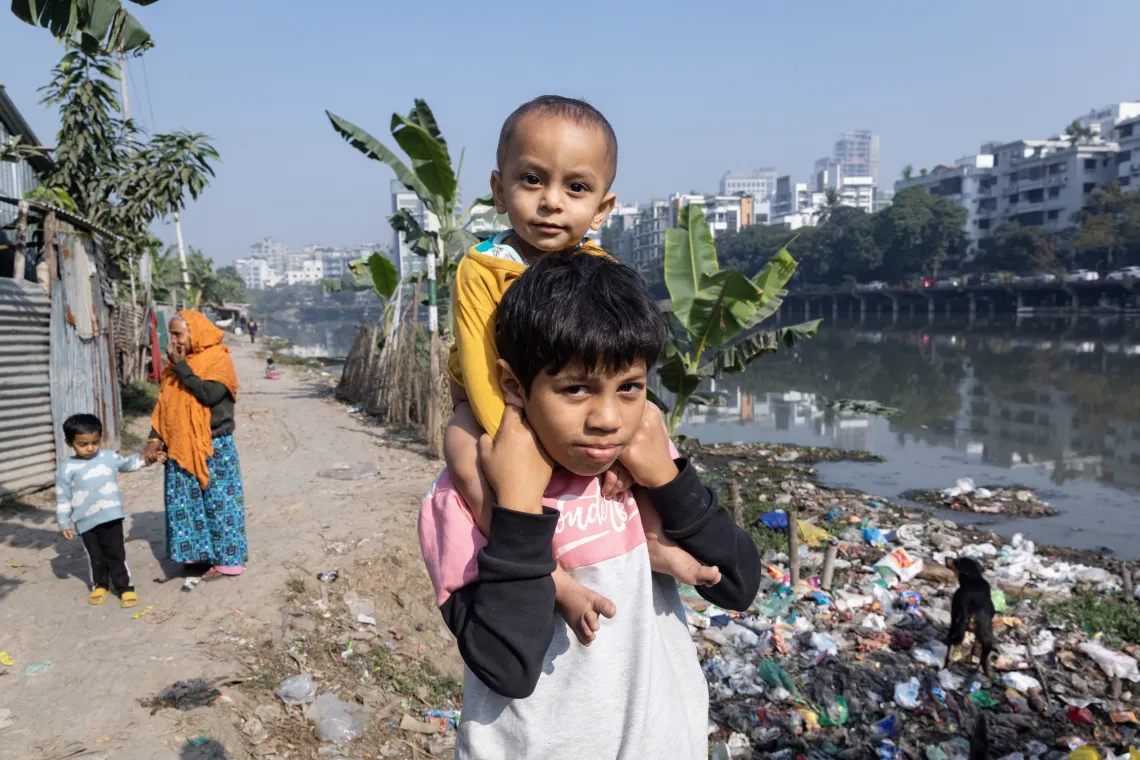
Children in Asia and the Pacific face a host of environmental hazards, from polluted air, water and food to unsafe infrastructure and exposure to harmful chemicals in everyday products and e-waste. These hazards pose serious risks to children’s health. Because their bodies and immune systems are still developing, and because they consume more air, water and food relative to their size, children are especially vulnerable to environmental harm.
One of the most significant environmental hazards in the region is air pollution. Nearly all children in Asia are exposed to unhealthy air: South Asia is the most polluted region globally, while in East Asia and the Pacific, over 100 children under 5 die every day from air pollution-related causes.
Air pollution affects children's learning and cognitive development, limiting their potential and lifelong productivity. Household air pollution caused by fuels used for cooking and heating is linked to more than half of all air pollution-related deaths in children under five.
Air pollution can impact every stage of a child’s life. It begins in the womb with risks of premature delivery and low birth weight. Young children, who breathe more rapidly and are closer to ground-level pollutants like vehicle exhaust, can risk developing asthma, lung damage, and developmental delays. Over time, air pollution can silently fuel chronic illnesses such as diabetes and cardiovascular disease, jeopardizing children’s futures.
Air pollution’s toll goes far beyond children’s health – it strains already overwhelmed healthcare systems, drives up costs, and disrupts learning and productivity.
What we're doing
UNICEF's Sustainability and Climate Change Action Plan 2023-2030 galvanizes a global commitment to protect the most vulnerable children from the worst impacts of a changing climate and degrading environment.
At the heart of this commitment is a simple but urgent principle: the social services that children depend on to survive and thrive must be made climate smart.
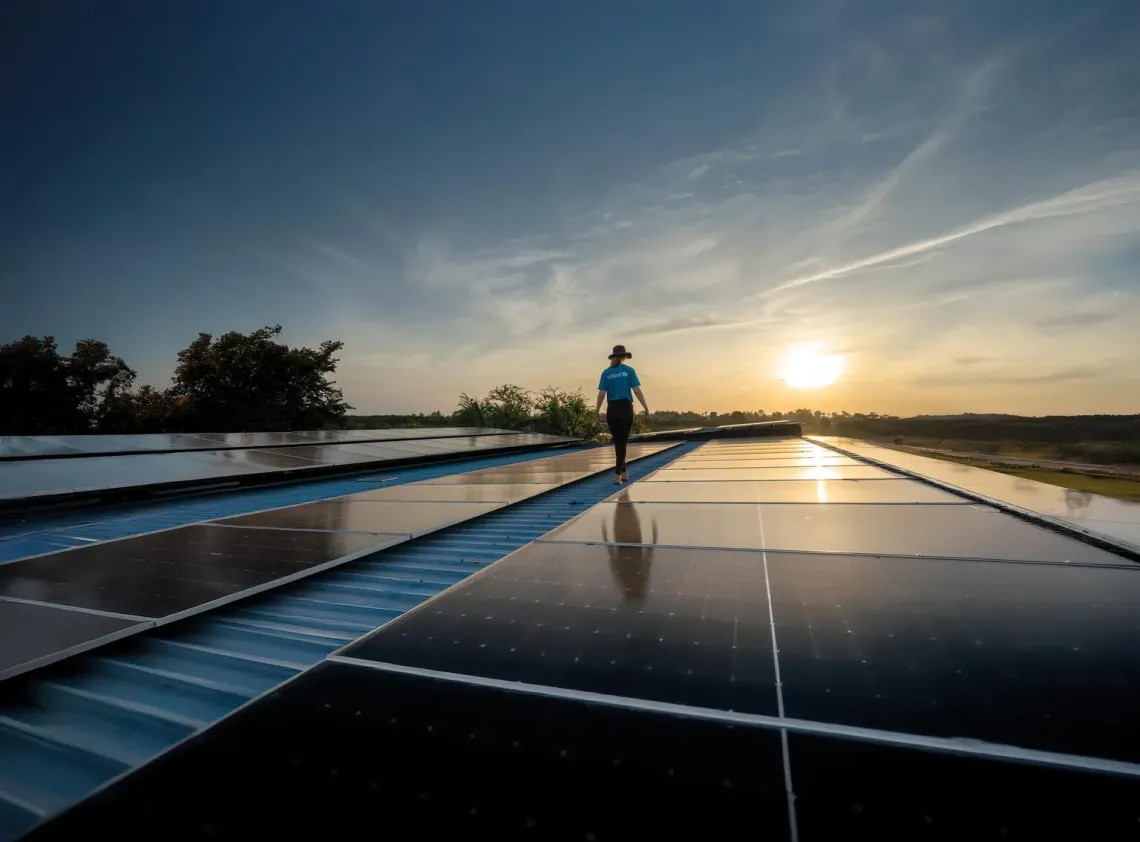
UNICEF works with governments across Asia and the Pacific to strengthen the resilience of essential services for children, including schools, health facilities, water and sanitation systems and social protection systems, so they can withstand the increasing frequency and severity of climate shocks.
We also advocate for children to be placed at the centre of national climate plans and financing, equip them with the green skills they need to adapt to a rapidly changing world, and empower adolescents and young people to lead climate action in their own communities. And we advocate for climate justice, so that children affected by the climate crisis have access to the legal protections and remedies they deserve.
When climate disasters strike, UNICEF responds to immediate humanitarian needs while also looking to increase community resilience to future shocks, investing in preparedness, anticipatory action, disaster risk reduction, climate change adaptation and peace building programmes.
What’s still at stake
The science is clear: the frequency, intensity and duration of climate-related extreme weather events will only escalate if the current path of inaction continues.
By the 2050s, four times as many children in South Asia could be exposed to extreme heatwaves, and twice as many to extreme river floods. Across East Asia and the Pacific, 243 million children are already exposed to hotter and longer heatwaves, putting them at risk of heat-related illnesses and death. The relentless pattern of climate-related disasters striking the same communities over and over again is leaving families with less time to recover between each blow.
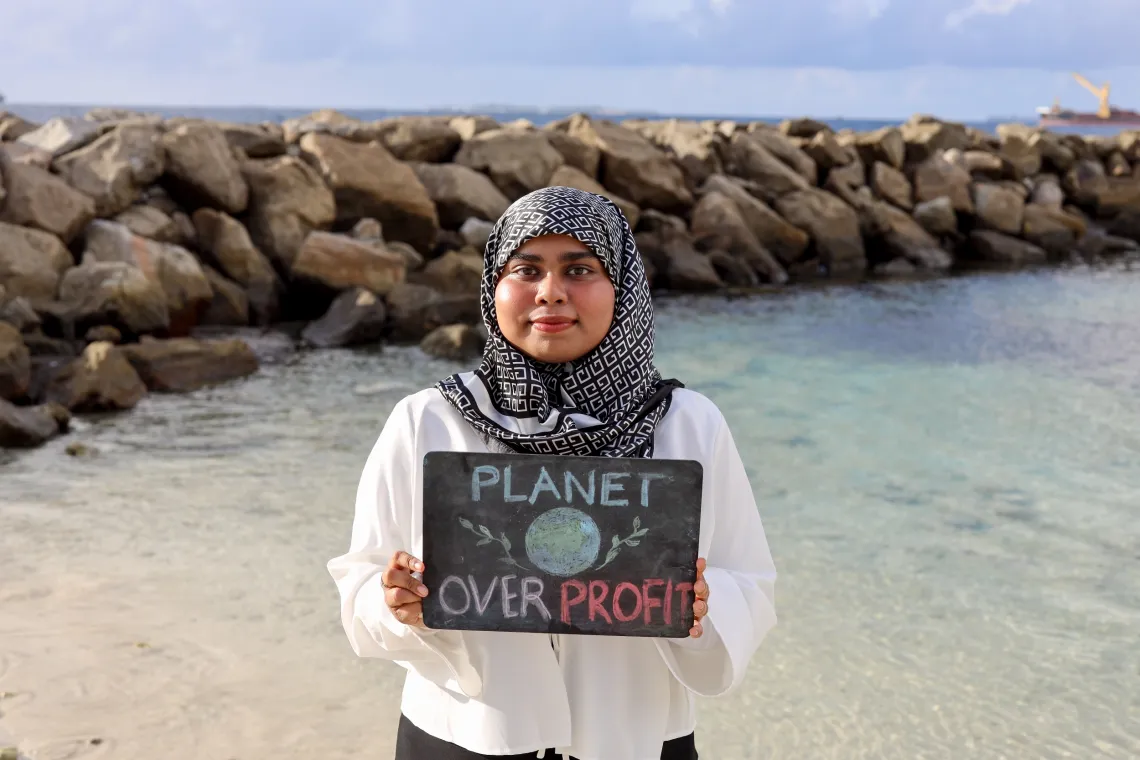
For over a billion children of Asia and the Pacific, each delay in action is another typhoon season, another drought, another year of breathing toxic air. UNICEF urgently calls for limiting emissions of greenhouse gases and pollution, investing in climate-smart social services for children and integrating children’s needs and perspectives into climate change policies, finance and interventions.
The children of this region did not create this crisis. They are counting on the adults who did to fix it.
What’s at stake for children in Asia Pacific
Work with UNICEF to make a difference
Resources
- Children’s Climate Risk Report 2026
- Climate and environment data – UNICEF Data
- Climate and environment technical expertise – Knowledge@UNICEF
- The Ripple Effect: Climate change and children’s access to water and sanitation
- Over the tipping point
- Child-centred clean air solutions
- Clean the air for children
- Strengthening adolescent participation in climate-resilient programming
- Toward climate-resilient education systems
- A gathering storm: Climate change clouds the future of children in Bangladesh
- Child Environmental Health Collaborative