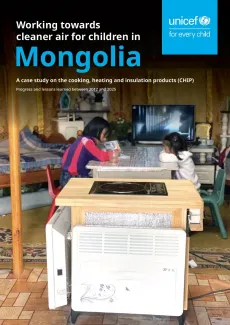
Working towards cleaner air for children in Mongolia
A case study on the cooking, heating and insulation products (CHIP)- The progress and lessons learned between 2012 and 2025
Highlights
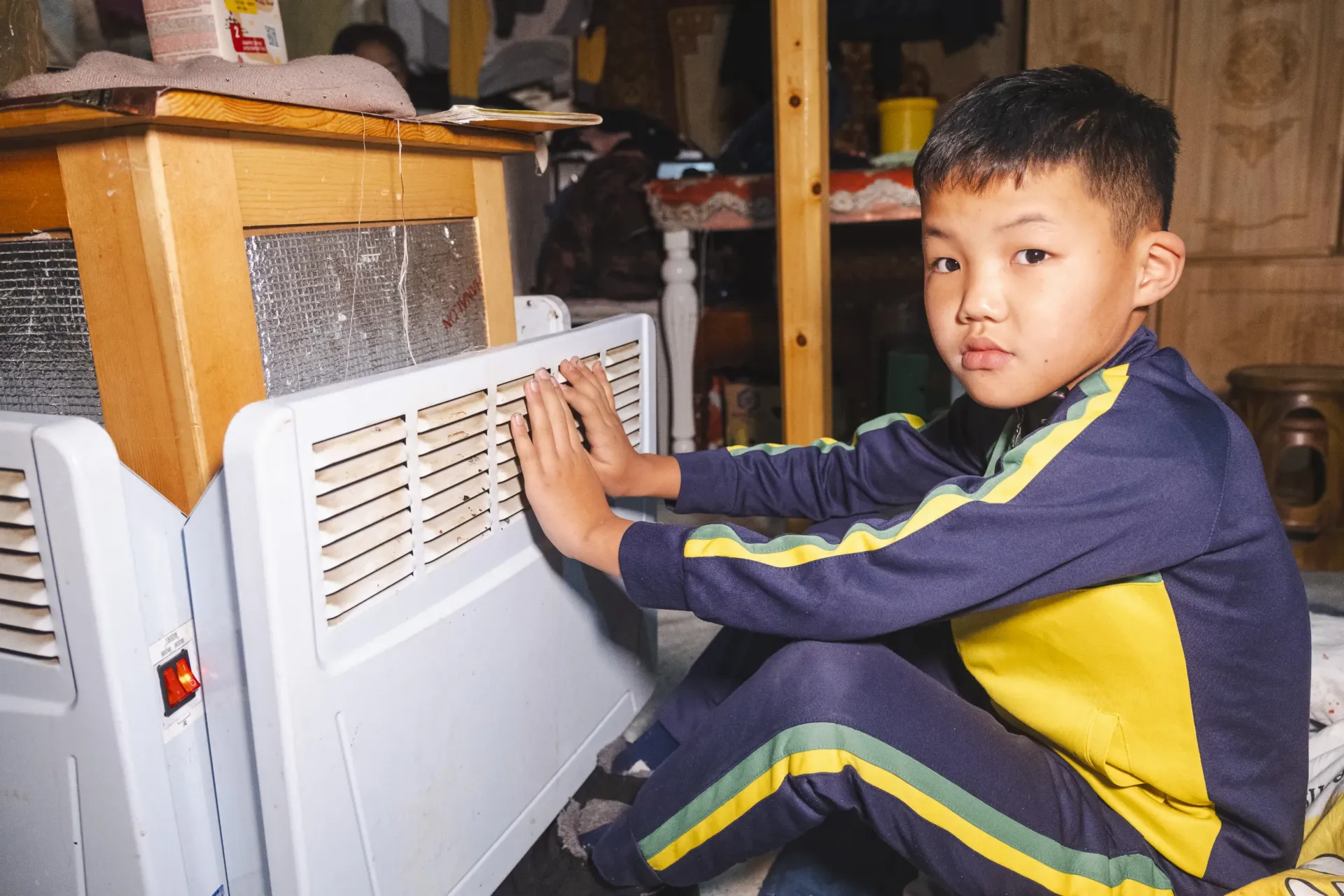
Air pollution is the single greatest environmental risk to children’s health globally, and in Mongolia it has reached crisis levels—particularly during the long winter months. This case study documents UNICEF’s efforts to reduce children’s and pregnant women’s exposure to household air pollution in gers through the Cooking, Heating and Insulation Products (CHIP).
The report highlights progress achieved between 2012 and 2025, including improvements on household air quality, thermal comfort, energy efficiency, and time savings for women and children. It also examines the limitations of household-level interventions in the context of severe ambient air pollution, underscoring the need for sustained government leadership, multisectoral coordination and scaled investment in clean air solutions.
Drawing on evidence, programme experience and partnerships with government, academia and communities, the case study outlines lessons learned and policy-relevant insights to inform future action—placing children’s health at the centre of Mongolia’s clean air action.