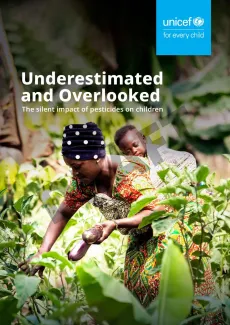
Underestimated and Overlooked
The Silent Impact of Pesticides on Children
Highlights
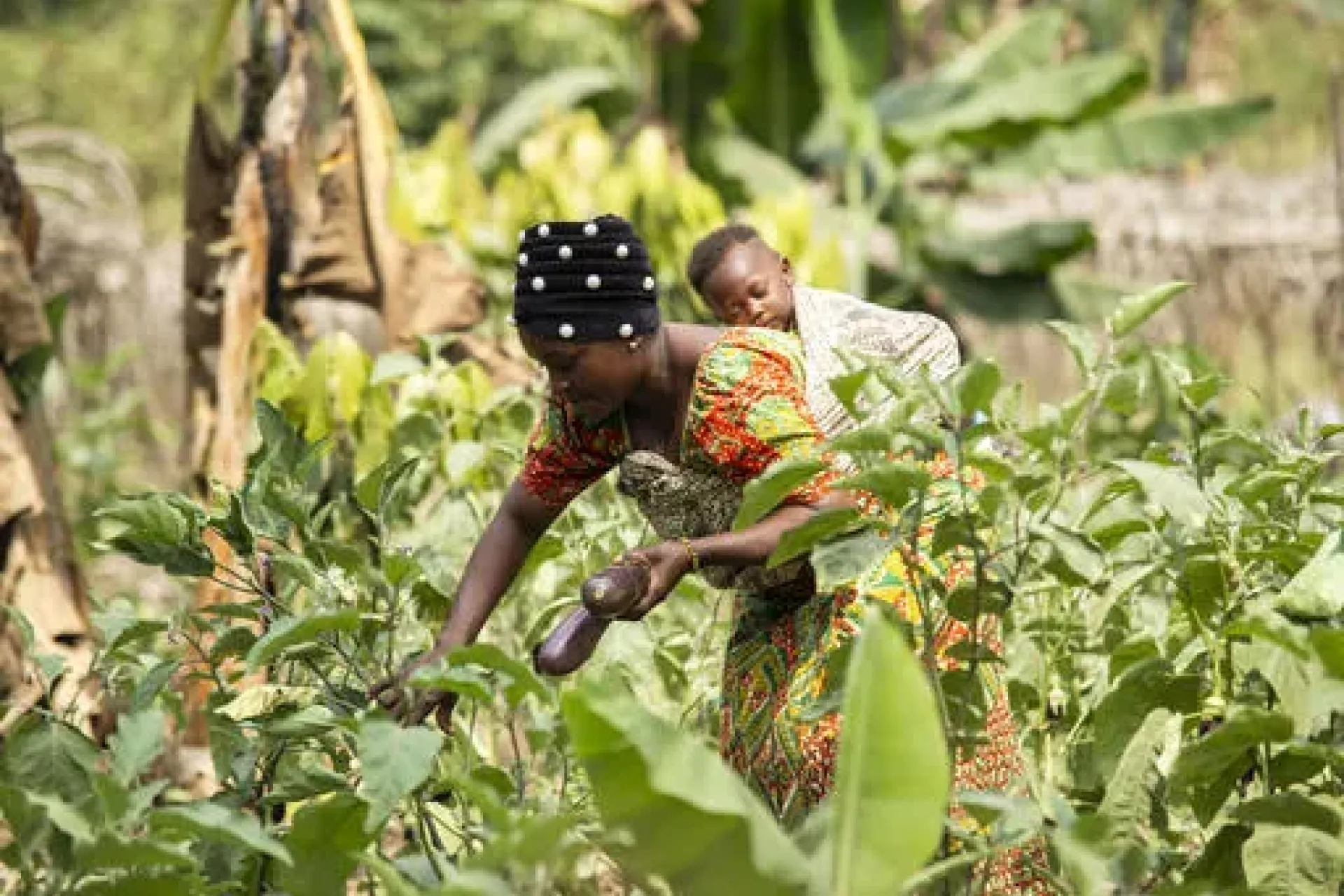
This report reveals how the rapid global expansion of pesticide use—more than doubling between 1990 and 2022—has far outpaced protections for children. Children are uniquely vulnerable to toxic chemicals in pesticides, with exposure beginning even before birth and continuing throughout childhood due to their developing bodies, behaviours such as hand‑to‑mouth activity, breastfeeding, and higher intake of food, water and air relative to body size. Exposure occurs through multiple routes, including contaminated food and water, air and dust, pesticide drift, unsafe storage, take‑home residues, and child labour in agriculture. New analyses suggest that as many as 490 million children and adolescents may face potential exposure to agricultural pesticides, while biomonitoring shows that the vast majority of children in high‑income countries carry detectable pesticide residues in their bodies.
The report highlights that the true scale of harm remains underestimated for children globally, with pesticide poisonings and deaths significantly under‑reported in global data systems and risks amplified for the 83.4 million children engaged in agricultural work.
It calls for urgent, coordinated regulatory, agricultural, health-system and societal action, including:
- Strengthen standards and risk assessment to account for child-specific vulnerabilities.
- Phase out Highly Hazardous Pesticides, reduce environmental toxicity related to pesticide use and encourage alignment with international instruments such as the 2023 Global Framework on Chemicals.
- Eliminate child labour in agriculture and protect all children from pesticide risks.
- Reduce pesticide risk through promotion of agroecological practices, implementation of integrated pest and vector management, limitation of non-essential applications and development of sustainable alternatives.
- Reduce impacts through monitoring, establishing buffer zones around where children live, learn and play, improving drift management, food safety and occupational safeguards.
- Expand education on pesticides risks, including storage and handling, take-home prevention and dietary exposures.
- Strengthen health systems by establishing poison centres, training health workers and surveillance.