When citizens speak, change happens
Empowering women and girls in Nepal
Development works best when the people it serves are part of the process. In Nepal, the EU-funded Empowered Women, Prosperous Nepal programme is helping governments and communities work together so that women and children have a real voice in shaping their future. From provincial planning to local advocacy, citizens are stepping forward, sharing insights, and driving change.
- Provincial Government: Listening to every voice
In Nepal’s provinces, government officials have long recognized the importance of engaging citizens in planning, budgeting, and implementing local policies.
“We serve thousands of people in our constituency. We are citizens, we work for citizens,” says a provincial government officer. “Once our people participate, we have sustainable development and plans endorsed by the people, we are doing our jobs right.”
Yet, the government realized that not all voices are equally heard. Women and children often remain silent in larger public consultations. Through the EU-funded Empowered Women, Prosperous Nepal programme, local authorities are now organizing targeted consultations to ensure these groups are included. To make plans and budgets understandable, officials translate technical language into clear, citizen-friendly formats - often called “citizen budgets” - so everyone can see how policies affect their daily lives.
| The government recently held child consultations on sanitation and waste management. While children shared their priorities and ideas for improving these services, officials discovered concerns that went beyond the original topics - such as parental conflicts and alcohol abuse. “We had to act upon these and incorporate them into our plans,” the officer explains. Through these consultations, the government is not only listening but adapting its strategies to respond to real-life challenges faced by the community’s youngest members. |
- Municipality: Building opportunities for girls and women
At the municipal level, Narayan Municipality has placed women and girls at the center of development. Municipal leaders are working to provide alternatives to child marriage, ensuring girls can continue their education and access clear pathways from learning to meaningful employment.
Adolescent girls are raising their voices against harmful practices in their communities, including Chaupadi - the traditional practice where menstruating women are isolated in small huts - child marriage, and gender-based and domestic violence. These young leaders are not just the future; they are already shaping policies, transforming norms, and challenging traditions that limit opportunities.
As the Deputy Mayor explains:
“Focusing on girls and women is essential. We must provide viable alternatives to child marriage by ensuring girls can learn and access clear learning-to-earning pathways. Today, adolescent girls are raising their voices, challenging harmful norms. They are not just the future - they are the pillars of our municipality, province, and nation.”
Girls’ Network: Courage in Action
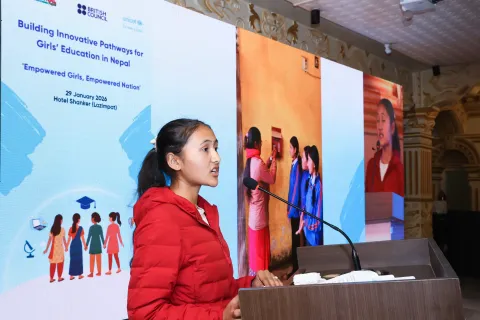
The Adolescent Girls Network in Narayan Municipality embodies this vision. Every month, 20 girls gather in a local venue to raise awareness about issues affecting girls, advocate with local authorities, and act as role models in their families and communities. Together, they are a force to be reckoned with: stopping child marriages, challenging harmful practices, and lobbying government officials to address girls’ perspectives and priorities.
Pushpa, a member of the network, recently stopped her friend’s child marriage, confronting traditional norms with courage and care. Another girl, Sapana - whose name means “dream” - aspires to become a judge so she can continue advocating for vulnerable girls and women. Their collective message to leaders is clear: support child rights, ensure access to education, and create meaningful employment opportunities. Only then will Nepal truly develop.
Conclusion
From provincial governments listening and adapting, to municipalities creating pathways for girls and women, to adolescents actively challenging harmful norms, the One UN approach, is helping Nepal build a model of inclusive, citizen-led development. When citizens, especially women and children, are empowered to speak and act, development becomes sustainable, responsive, and truly transformative.