Menstruation shouldn’t stop education
How a school-based response mechanism improved girls’ experience in Karnali
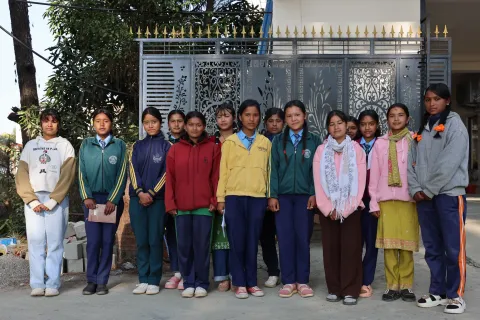
In Tribhuvan Secondary School in Narayan Municipality, Karnali, classrooms were full and lessons were progressing. Yet for many adolescent girls, hidden barriers made attending school during menstruation difficult.
There was no private space to change sanitary pads and no safe method for disposal.
“I remember once throwing a used pad out of the toilet window because I didn’t know where else to put it,” recalls 17-year-old Anu.
Like many girls, she often stayed home during her period. “I would miss three to four days of school each month and didn’t feel confident attending class during that time,” she says.
Beyond infrastructure gaps, girls also faced teasing and discomfort discussing menstruation. Without a safe way to report these challenges, most concerns remained unspoken.
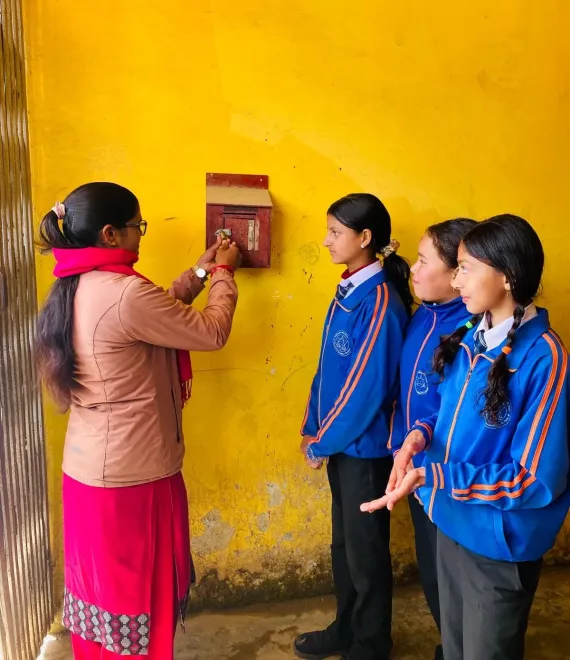
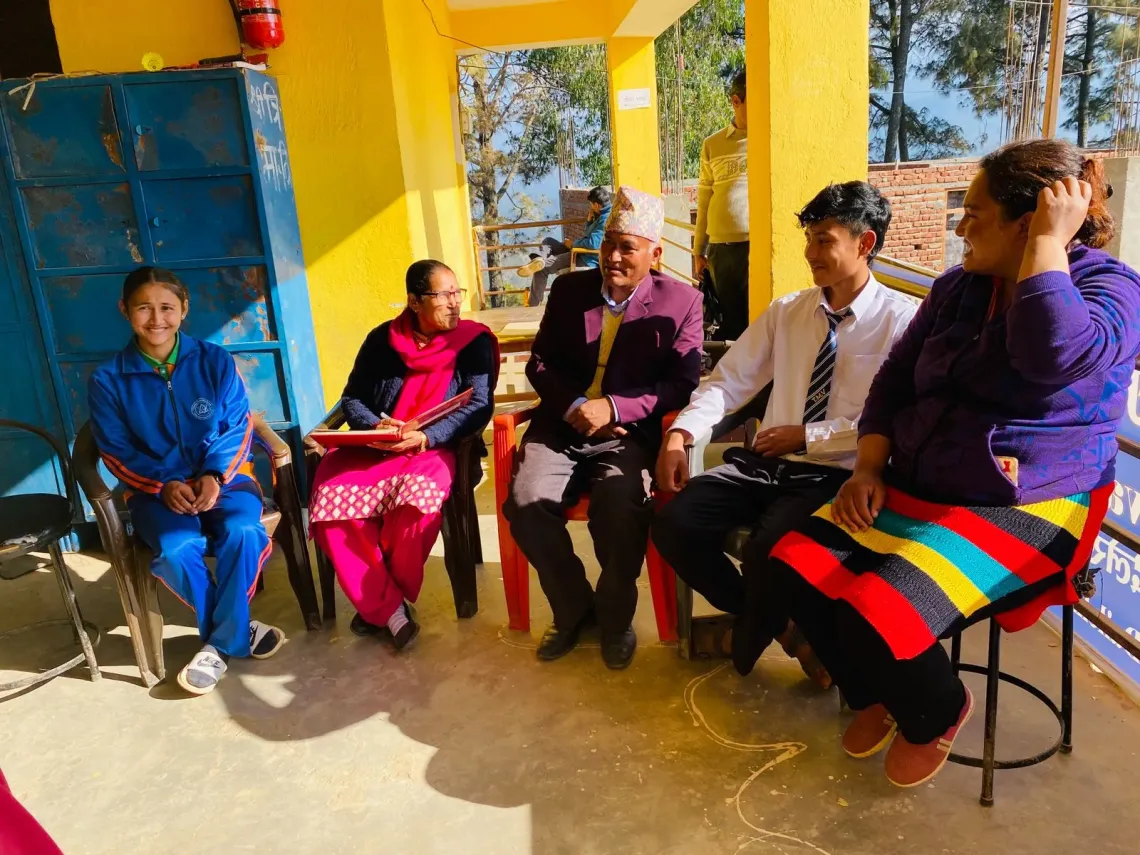
This began to change when the school introduced a complaint response mechanism. A complaint box was installed, a focal teacher was assigned, and a committee was formed, creating a structured and confidential way for students to raise concerns.
At first, students hesitated.
“We wondered if anyone would listen,” Anu shares.
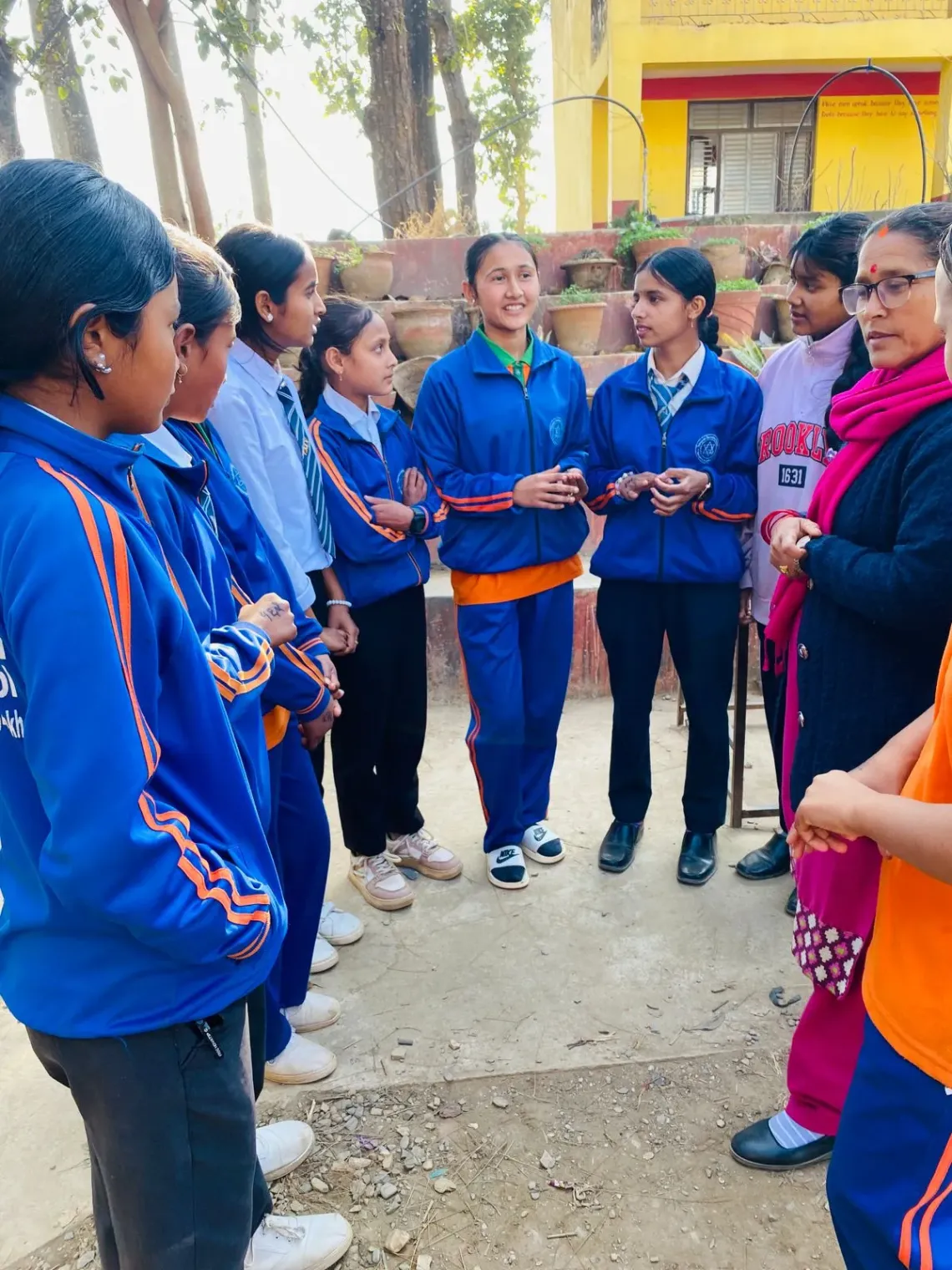
But gradually, girls began submitting concerns related to sanitation facilities, disposal systems, and bullying.
While change took time, it was sustained through dialogue.
“At first, some complaints were uncomfortable,” says Head Teacher Nirak Bahadur Taramai. “But once we started listening, we understood that they were opportunities to improve the school environment for everyone.”
Through coordination between the school and the municipality, improvements followed. With support from Narayan Municipality, the school installed an eco-friendly disposal system, created a dedicated changing space, and strengthened awareness around menstrual hygiene and respectful behaviour.
“The concerns raised by students helped us see gaps that were not immediately visible,” shares Deputy Mayor Tapta Kumari Thapa.
“Their voices informed more responsive decisions at the local level.”
Today, girls report feeling more comfortable and confident attending school during menstruation. Attendance has improved, and relationships between students and teachers have strengthened.
At the municipal level, resources have been allocated to strengthen and expand the complaint response mechanism, recognising its role in supporting safe and inclusive learning environments.
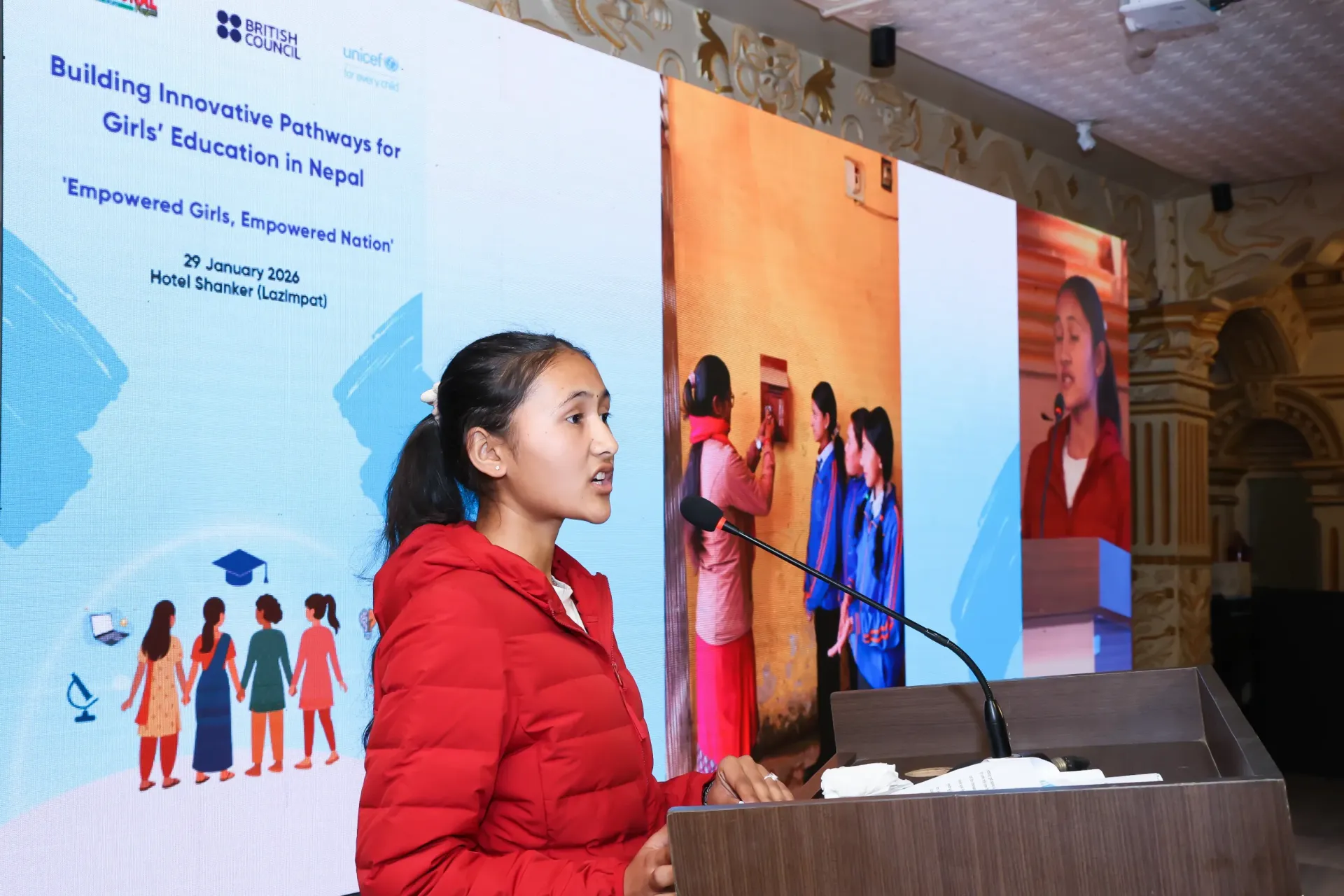
Anu has since taken her advocacy further, representing girls’ voices beyond her school and contributing to broader conversations on education and inclusion.
Across Nepal, many girls continue to face challenges managing menstruation in school, including limited facilities, social stigma, and lack of support systems.
In close collaboration with the Government of Nepal and partners on the ground, UNICEF - with the generous support of Finland, Global Partnership for Education and Let Us Learn - is working to strengthen school-based systems such as complaint response mechanisms, aligned with the School Education Sector Plan. These efforts aim to ensure that schools are safe, inclusive, and responsive to the needs of all learners.


Five Facts about Adolescent Girls’ Menstruation in Nepal (MICS Data, 2024-25)
Fact #1: Approximately 36% of girls in upper-secondary school (9-12) in Nepal had trouble participating in education or training due to menstruation.
Fact #2: Over 52% of girls aged 15-19 in Nepal are not comfortable seeking a health care provider regarding a concern about their menstrual period.
Fact #3: Nearly 37% of girls aged 15-19 in Nepal are unable to reduce their menstruation pain when needed.
Fact #4: Women and girls who lack access to adequate menstrual hygiene management facilities and supplies experience stigma and social exclusion while also forgoing important educational, social and economic opportunities.
Fact #5: The ability of women and adolescent girls to safely manage their monthly menstrual cycle in privacy and with dignity is fundamental to their health, psychosocial well-being, and mobility.