Second chances
How Laxmi is rewriting her future through education
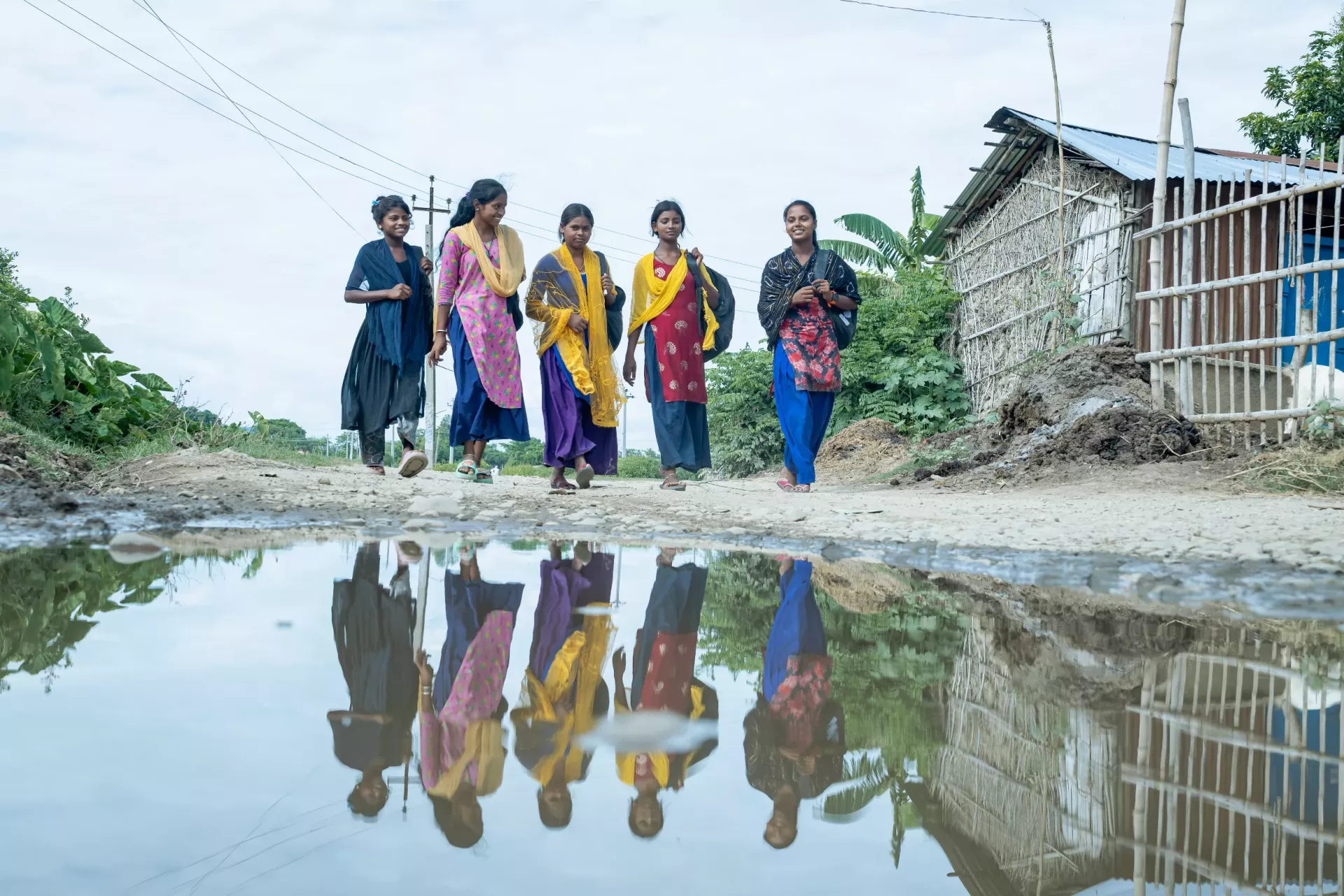
The midday sun hangs over Bariyarpatti, Siraha — a village in the Terai plains of Nepal’s Madhesh Province, where narrow dirt paths wind between mud-brick houses and the air carries the faint scent of tilled earth. In one of these homes, 16-year-old Laxmi waits for her Secondary Education Examination (SEE) results — the culmination of a journey she once thought impossible.
For a girl who had left school after Grade 5, reaching this point feels like both a personal victory and a quiet challenge to the beliefs that had once kept her from learning.
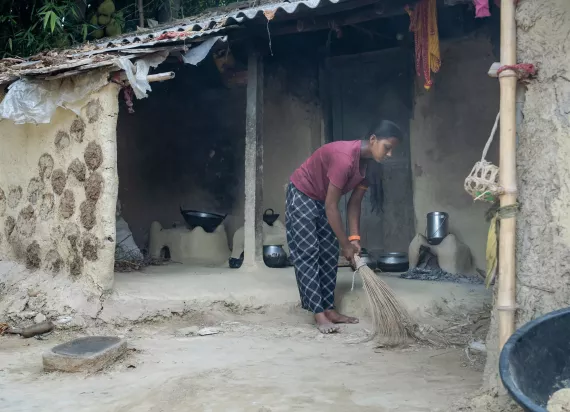
“I used to say, ‘Please let me study, let me study. I want to become a teacher,’” she remembers. “But they would say, ‘No need for that — you should stay home, do housework, work in the fields.’ In the village, people say, ‘Why educate a daughter so much? Educate the son instead.’”
Like many girls in her community, she grew up hearing that a daughter’s education was not worth the investment — since she would eventually marry and leave the household.
“My parents also came to believe, ‘What’s the point of educating a daughter? It won’t lead to anything. She’ll eventually go off to someone else’s home after marriage anyway.’ But a son — he might become something and he’ll always remain in the family.”
When Laxmi left school after Grade 5, it was not just because of family expectations but also financial difficulties. At home, her days were filled with chores, fieldwork and caring for her three younger sisters and younger brother.
The years slipped by — until one day she noticed something that stirred a quiet resolve within her. People in the village who had studied were building better lives for themselves.
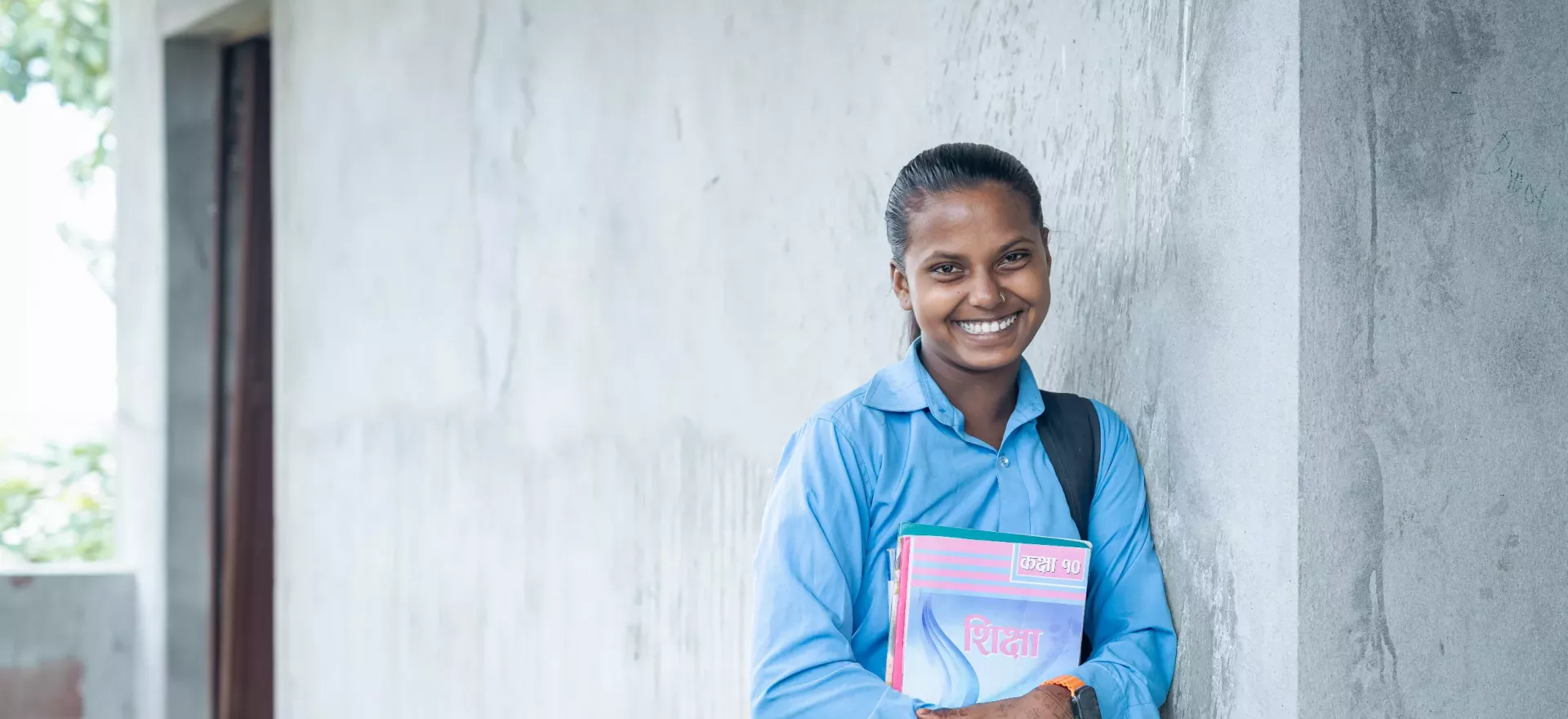
UNICEF Nepal/2025/RUpadhayay
“I realized that people in our village became successful because they studied so, I thought, I’ll study too. I’ll put my heart into it and become someone one day,"
- Laxmi
Three years after leaving school, she decided to return. But the gap in her learning was immediately clear — letters blurred in her mind, numbers felt unfamiliar and the rhythm of school life was hard to find again.
It was at this moment that the Supporting Adolescent Girls Education (SAGE) programme entered her life. Known locally as Kishori Shiksha, SAGE is a Government of Nepal initiative led by the Madhesh Provincial Government — co-funded by the European Union and supported by UNICEF. The programme addresses one of the country’s most pressing education challenges: the large number of adolescent girls who are out of school due to poverty, early marriage and social norms.
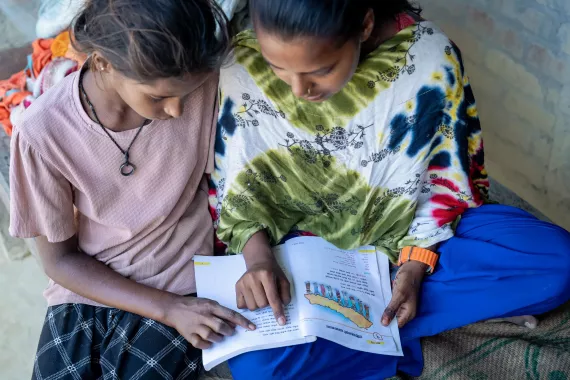
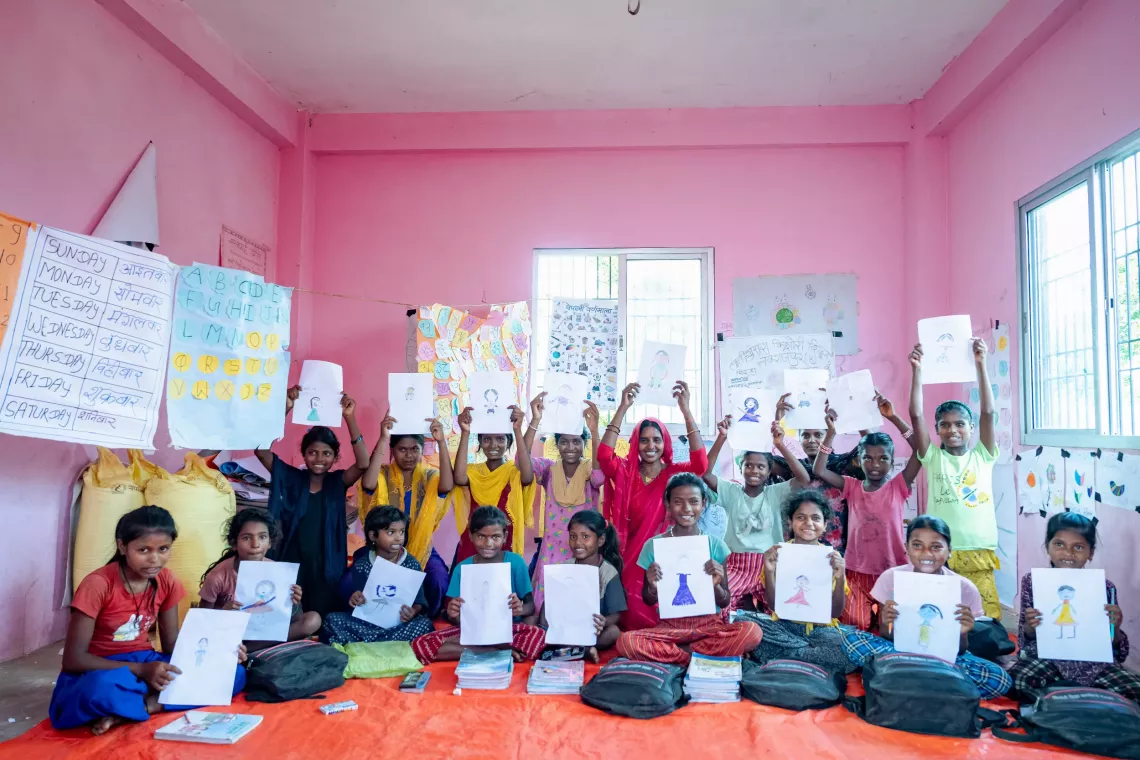
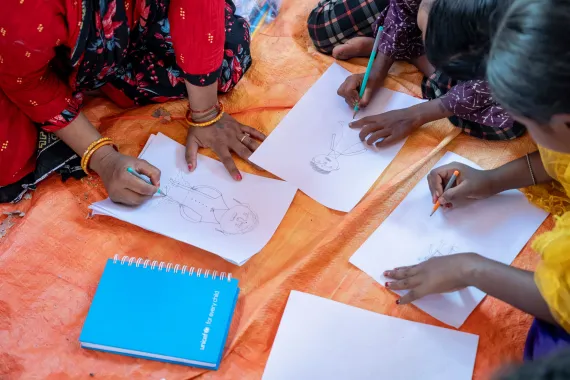
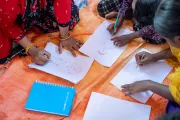
Designed as a nine-month non-formal learning opportunity, SAGE offers foundational literacy, numeracy and life skills to girls aged 10–14 from marginalised communities — providing a bridge back to formal education or a pathway to vocational training.
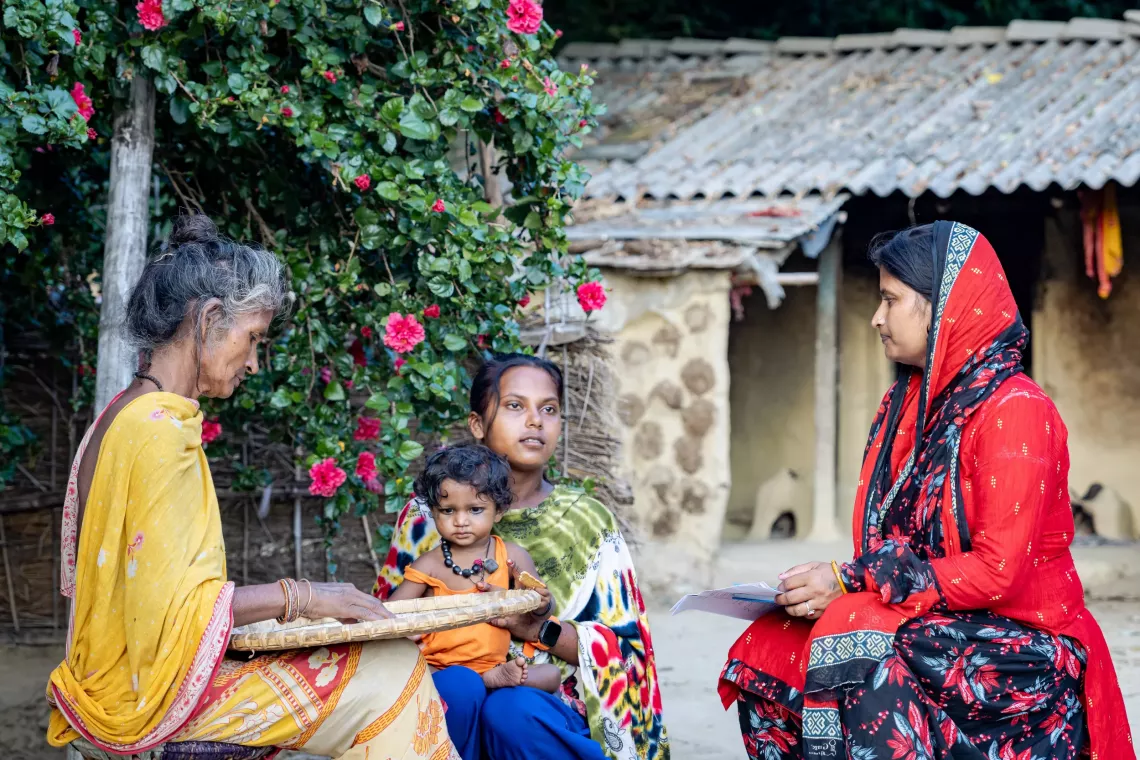
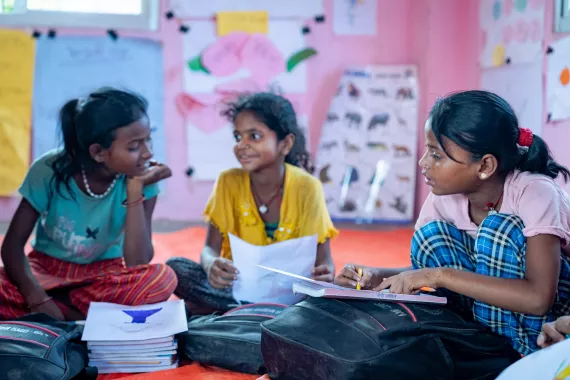
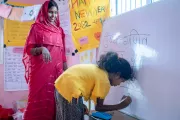
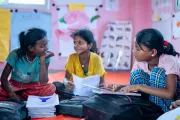
When a SAGE coordinator visited her home to explain the programme, Laxmi listened carefully and decided to join. She became one of 22 girls in her SAGE class — many of whom had never had the chance to complete their schooling.
From her first day, she noticed how different the classes were.
“SAGE is a really good learning programme. It made me want to study, to play and to enjoy learning,” she says. “The classes are fun — there’s singing during breaks, we get to read stories and it just made me want to keep studying.”
The lessons were interactive — often blending games, songs and storytelling to make the learning process joyful and accessible. Slowly, the knowledge she thought she had lost returned — and her confidence began to grow.
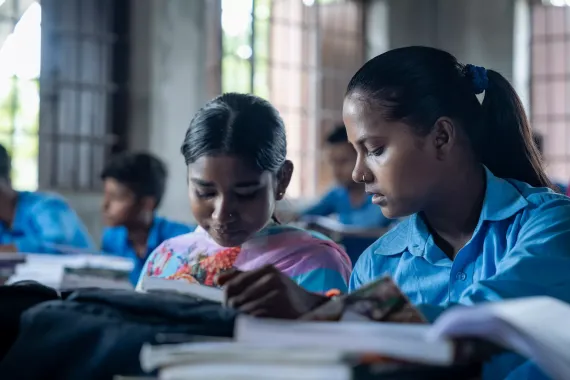
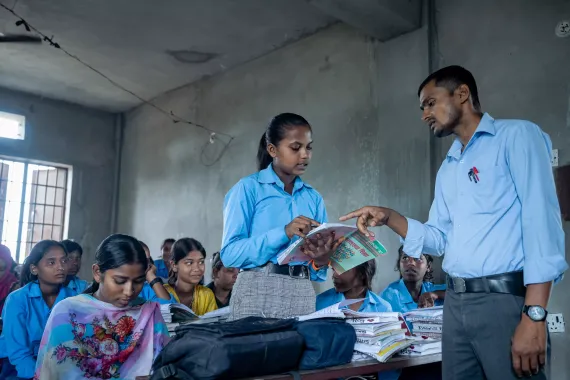
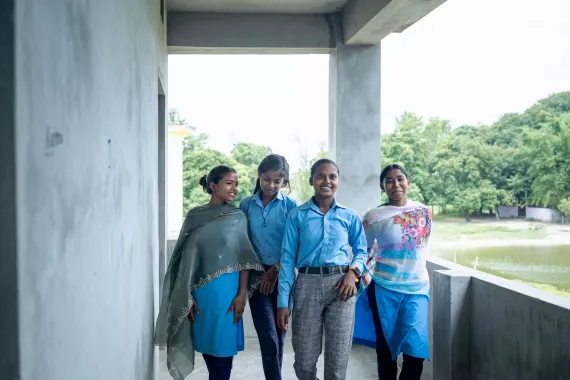
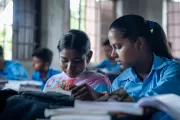
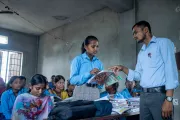
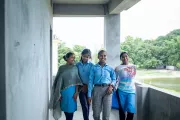
Still, one barrier remained. Laxmi did not have a birth certificate — a requirement for enrolment in formal school. Without it, her dream of returning to school could have ended there. But her SAGE facilitator helped her through the process of applying for the document — and with it in hand, she was finally able to enroll in Grade 8.
“It was easy for me to learn and understand all the content because of SAGE. Had it not been for SAGE, it would have been difficult for me to grasp things,” she says.
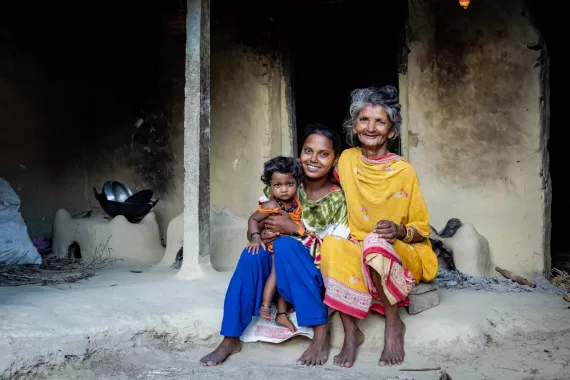
Her grandmother, Sifal Devi Ray, had been one of her strongest advocates from the beginning. While others in the family urged her parents to let the matter rest, Sifal Devi stood firm — believing education was the foundation for a better future. She herself had never set foot in a classroom, but she understood its value in a changing world where opportunities depended on learning.
“You can’t survive in Nepal — or even in India — without education,” she says. “I want to educate my granddaughter.”
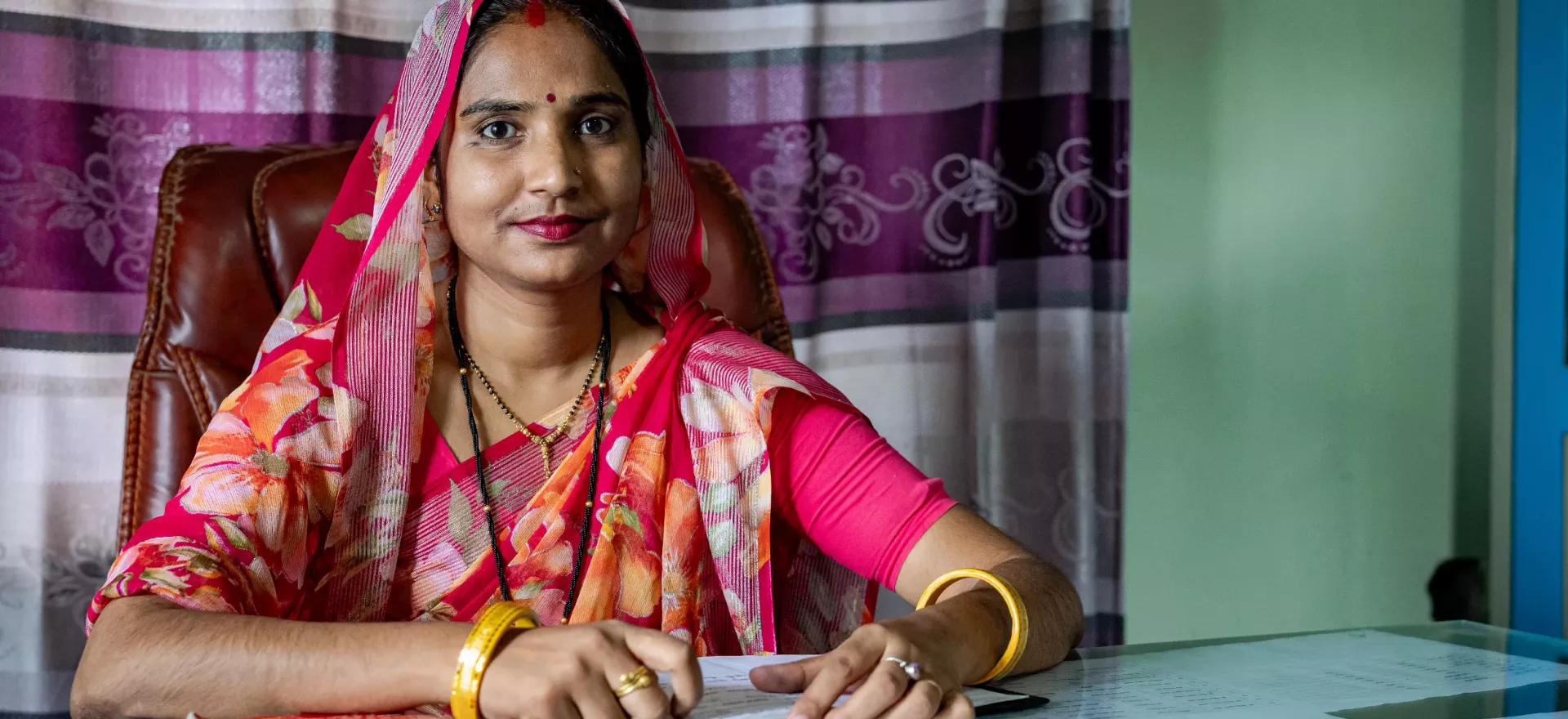
Community leaders in Bariyarpatti see the power of girls’ education in the lives of families and the wider community. Mamata Kumari Yadav, the Vice-Chairperson of the rural municipality, believes that when a girl is educated, it benefits everyone around her.
UNICEF Nepal/2025/RUpadhayay
“If a son is educated, only he benefits, but when a daughter is educated, the whole family and community benefit,”
- Mamata Kumari Yadav
Education gives girls the confidence to speak up, make choices and navigate challenges in their lives. It allows them to contribute to their families and communities in meaningful ways. With this understanding, the local government has continued to support programmes that bring girls who left school back into the classroom — making sure they have a real chance to keep learning and growing.
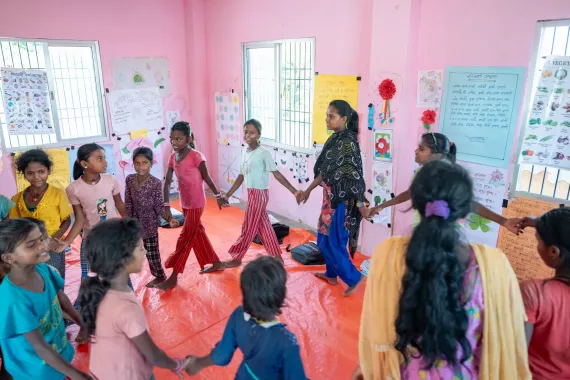
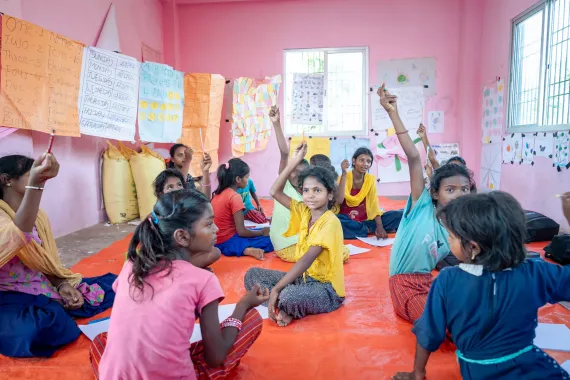
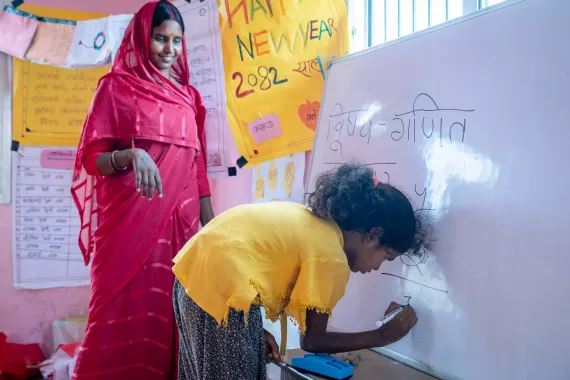
The story of the SAGE programme in Laxmi’s community reflects a wider change across Madhesh Province. Over the past decade, more than 38,000 girls who once had no access to education have been given a second chance.
Every year, new SAGE classes open in villages across the region — helping girls build the skills and confidence they need to return to formal school. Most stay in school long after re-enrolling, and many go on to complete higher secondary education and even pursue university degrees.
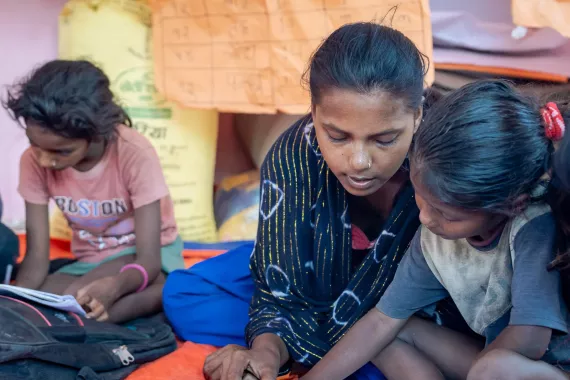
For girls like Laxmi, the programme has done more than teach letters and numbers — it has opened doors to a future they never thought possible, giving them hope and the chance to shape their own lives. These transformative outcomes also reflect Nepal’s broader commitment to education.
They align with the national School Education Sector Plan (SESP), which aims to ensure equitable, inclusive and quality education for all children.
By dismantling barriers that keep girls out of school and providing ongoing support once they are back, programmes like SAGE contribute directly to achieving the Sustainable Development Goals — particularly SDG 4 on quality education — helping girls not just return to school but thrive.
For Laxmi, these policy commitments are deeply personal. She now moves through her days balancing schoolwork with caring for her siblings and managing household chores. She encourages her sisters to go to school — determined that they too will have opportunities she once feared she had lost forever. As she waits for her SEE results, she already has her next steps planned.
“I will pursue high school. I want to continue studying and become a teacher someday. I want to strengthen my family’s financial situation by myself,” she says.
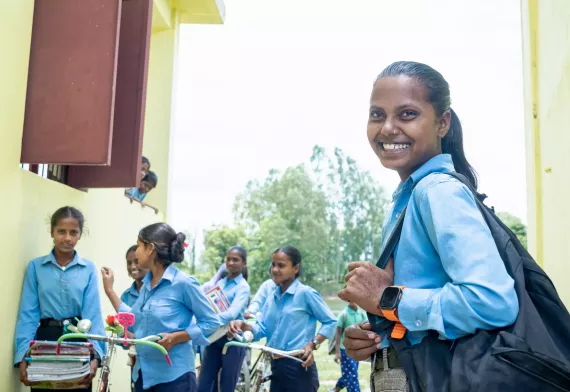
In Bariyarpatti, Laxmi’s determination has begun to shift perceptions. Her journey is a living example of what is possible when a girl is given the chance to learn — supported by her family, her community and a programme designed to meet her needs.
It is also a reminder that the promise of education extends beyond individual success — it touches entire families and communities, breaking cycles of poverty and changing the way girls are seen and valued.
For Laxmi, the path ahead is still long — but it is no longer uncertain. She has learned that education is more than just a way to read, write and count — it is the key to independence, confidence and the ability to choose her own future. And for thousands of girls across Madhesh Province, the SAGE programme is opening that same door — one classroom at a time.