Partners in protecting people
Guidelines for journalists and media professionals
- English
- नेपाली
How can media help decrease stigma and discrimination during the COVID-19 crisis?
The novel coronavirus (COVID-19) outbreak has caused a proliferation of stigma and discrimination in our communities. The level of stigma associated with COVID-19 is based on three main factors:
1) it is a disease that’s new and for which there are still many unknowns.
2) we are often afraid of the unknown.
3) it is easy to associate that fear with ‘others’.
It is understandable that there is confusion, anxiety, and fear among the public. Unfortunately, these factors are also fueling harmful stereotypes.
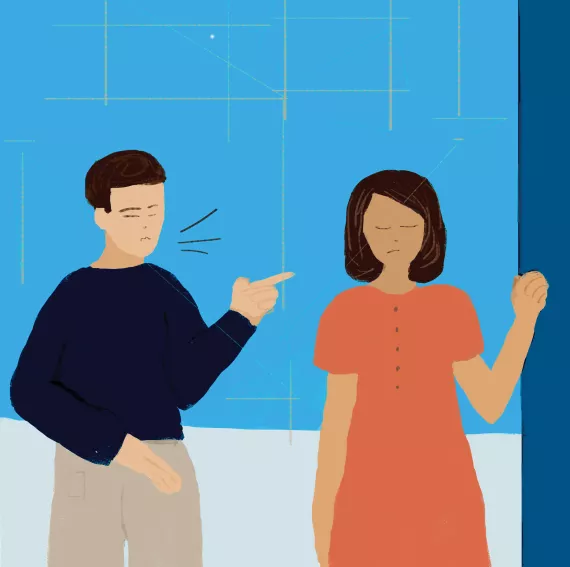
Those who are most vulnerable to stigma and discrimination are: people who tested positive for the virus and their families; those who have returned from foreign countries and their families; and health workers and responders tasked with providing critical care during this crisis as well as their family members. People are often afraid that these individuals will be the ones to spread the disease in their communities. Every day we are hearing more and more stories of these individuals being ostracized and, in some instances, even physically harmed.
This is harmful not only for those who suffer from it, but for everyone. Stigma can isolate people. It can drive people to hide their illness to avoid discrimination and can even prevent them from seeking much needed medical care. It also discourages people from adopting healthy behaviours.
Journalists and media have an important role to play. In addition to accurately informing the public about coronavirus and ways to avoid the risk of infection, they also have an important role in ensuring that the information they provide does not increase stigma and discrimination against people affected by the crisis. An environment needs to be created in which the disease and its impact can be discussed and addressed openly, honestly and effectively.
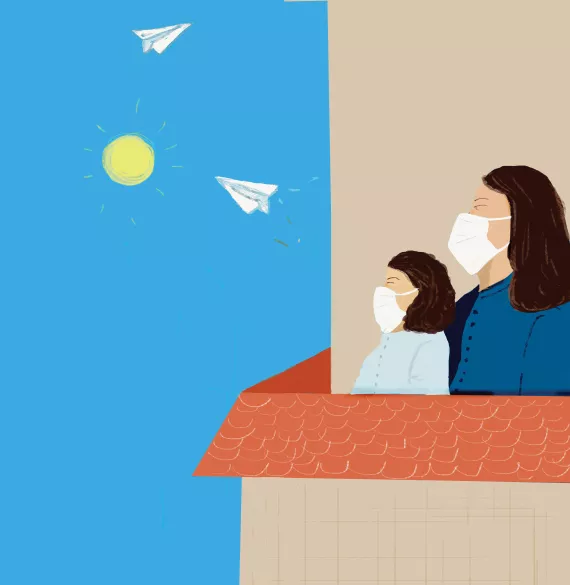
Share stories of hope
During a time of increasing anxiety, media plays a critical role - not only in providing accurate information and busting myths and rumors- but also in showcasing the positive side of humanity. This is a moment to profile the stories of people who are coping with the lockdown and connecting with others through technology or how people are managing during times of hardship to share ideas and best practices for others.
One could write about individuals who have or are facing stigma and discrimination during the COVID-19 crisis from their perspective. Their stories and your words can make people truly understand about the negative consequences of stigma and discrimination - not just on them but also on the community at-large. Share sympathetic narratives, or stories that humanize the experiences and struggles of individuals or groups affected by the new coronavirus (COVID-19). Communicate support and encouragement for those who are on the frontlines of response to this outbreak (health care workers, volunteers, community leaders etc.)
This is a time for sharing stories that unify us, stories of small acts of kindness and how people are coming together to support each other.
Respect privacy
The privacy of people who were tested positive to COVID-19 and those around them – their families, friends and colleagues – should be respected. Their names, addresses, family backgrounds, personal and medical records should not be disclosed, or even hinted at, without permission. Sometimes identifying their locations, communities and villages is enough to reveal their identities, especially in smaller community settings. Photos and videos of patients should also not be printed or broadcast without permission.
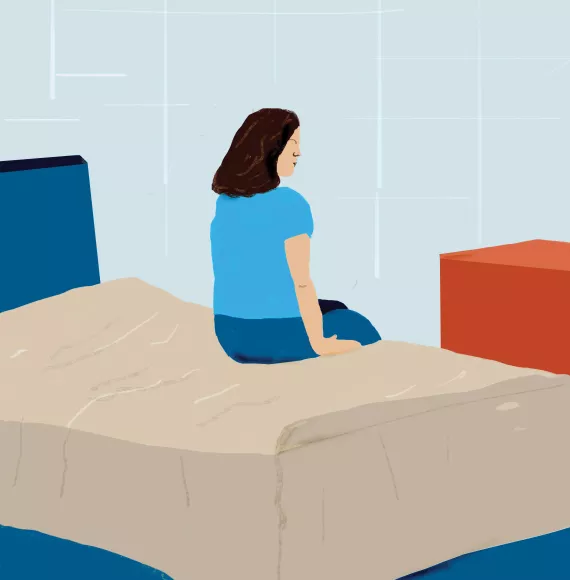

Do not discriminate
Someone’s age, sex, ethnic background, religion, legal status, disability, marital status, pre-existing medical conditions, and sexual orientation should only be mentioned where they are directly relevant to a story. Irrelevant references create stigma and discrimination. Do not associate COVID-19 with any location, country and region, nationality and ethnicity. The virus can affect anyone, regardless of socio-economic status, nationality, race, religion, gender or ethnicity.
Avoid sensationalism
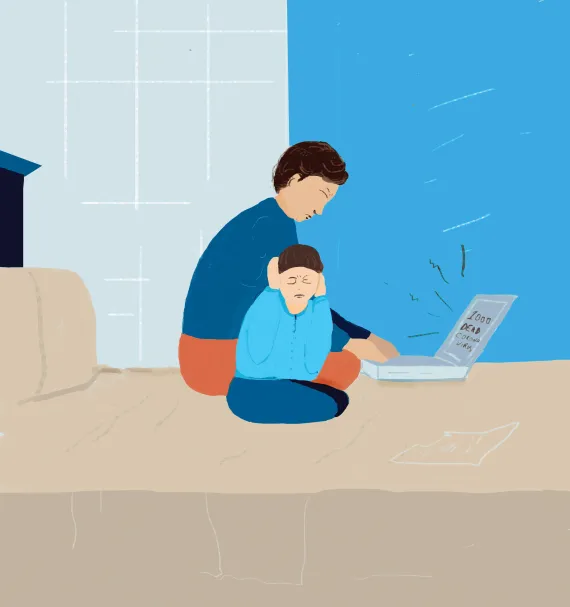
Resist the temptation to sensationalize issues in ways which could be harmful. Sensational language and images can cause unnecessary anxiety as well as generate more widespread fear. Do not use discriminatory, derogatory, threatening and sensational language and tone while communicating and reporting on COVID-19. In addition, avoid sensationalism in the headline as a way to drive readers to the main article.
Highlight positive role models
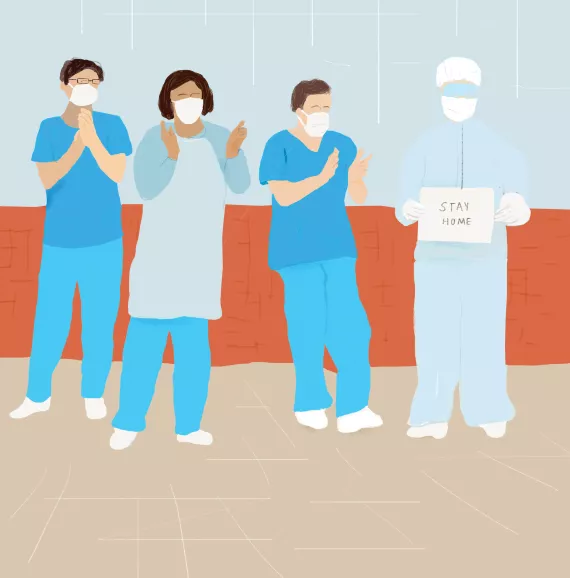
Instead of profiling negative stories about those who do not come forward with their
symptoms, media can play a vital role in highlighting positive role models including individuals who are practicing self-quarantine after returning from foreign countries (with their consent) or health workers. By highlighting the stories, issues and challenges of these individuals, media can create an environment where people can comfortably share their symptoms without fearing stigma and discrimination.
Avoid blaming
Do not use words like people “transmitting COVID-19,” “infecting others” or “spreading the virus” as it implies intentional transmission and assigns blame. Instead talk about people “acquiring” or “contracting” COVID-19. In addition, do not refer to people with the disease as “COVID-19 cases” or “victims.” Also avoid using “COVID-19 suspects” or “suspected cases.” Instead use words such as “people who have or who may have COVID-19”, “people who are being treated for COVID-19”, “people who are recovering from COVID-19” or “people who died after contracting COVID19.”
Accuracy and debunking myths
Please continue to seek trusted information from the Government, and UN agencies like WHO and UNICEF. There are websites with updated information and spokespeople on hand should you need any support. Please be aware that fake messages have been circulating in the name of UN agencies. Verify information you receive via SMS and group chats using the authorized sites mentioned below.
News media plays a critical role in debunking myths. You can report any misinformation or false rumours through our rumour tracking platform.
You can also report rumors by calling the national COVID-19 hotlines 1115 and 1133.
The COVID-19 outbreak is a challenging time for everyone. All of us are affected in one way or
another. All of us, including the media, have a part to play to ensure that we all come out of this
experience in a positive manner.