A different future
In Nepal’s west, the Girls Matter project helps bring a young girl back from the brink of child marriage and onto becoming a strong advocate for the power of choice

Dailekh, Nepal: Khajura Nepali grew up in a large family with five siblings. Her parents both meet the basic needs of their household. This meant that the weight of the family’s financial difficulties often fell on Khajura, who, at just 17, was already considering getting married as a way out.
“I thought that was the only choice I had to help ease the burden on my parents,” she says.
Fortunately, before Khajura could take that leap, UNICEF – in partnership with SOSEC Nepal and in collaboration with the municipality – reached out to her under the Girls Matter project.

Recognizing the risks she faced if she went through with a marriage at this young age, the project team offered her a chance to choose a different future.
This was how Khajura found herself participating in a 10-day Training of Trainers for the Rupantaran life skills programme.
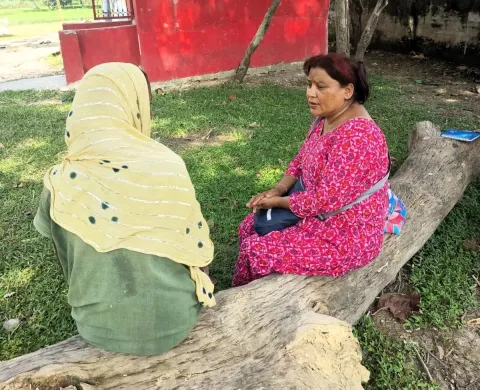
At the start, Khajura was shy, introverted and distant from her peers. She struggled with worry and uncertainty about her future. Seeing her distress, the project team provided her with counseling sessions. These sessions were crucial in helping her gain confidence.
During the training, Khajura learned valuable skills ranging from effective communication and civic participation, to learning the importance of self-awareness and setting goals, as well as distinguishing between needs and desires.
The sessions on gender and social inclusion particularly resonated with her, opening her eyes to the challenges women face and the importance of equality, along with the dangers posed by different forms of gender-based violence – including child marriage.
She also learned practical skills like first aid, financial management, and ways to reduce risks from disasters.
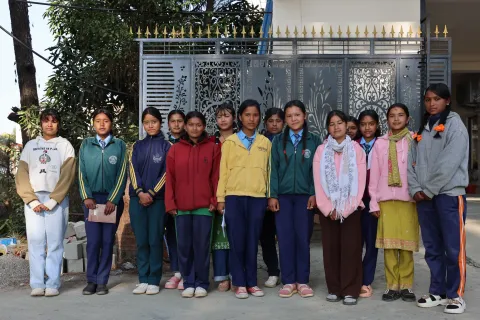
After completing the Rupantaran training, Khajura emerged as a different person. No longer withdrawn, she began engaging more with her peers, making friends and actively participating in community activities. Inspired by the training, Khajura even took the initiative to conduct a vulnerability assessment in her community and formed the Rupantaran Group, where she quickly assumed a leadership role.
Khajura, now 18, regularly facilitates Rupantaran sessions with her adolescent group and leads parenting sessions as well. She educates other girls about the risks of child marriage and the importance of continuing their education. Her personal experience—nearly succumbing to child marriage herself—serves as a powerful testimony.

“The training helped me realize the need for other girls in my community to know about the dangers of child marriage and the importance of gender equality,” Khajura says. “I want other girls to know that they can make different choices, just like I did.”
Through her earnings as a Rupantaran facilitator, Khajura is currently able to support her family as well as pursue her studies. Now in the 12th grade, she hopes to become a government officer some day.
“I want to use my position to drive positive change, advocate for gender equality, and ensure that every child has the opportunity to thrive without facing discrimination or violence.”