
Inclusive early learning and childhood development
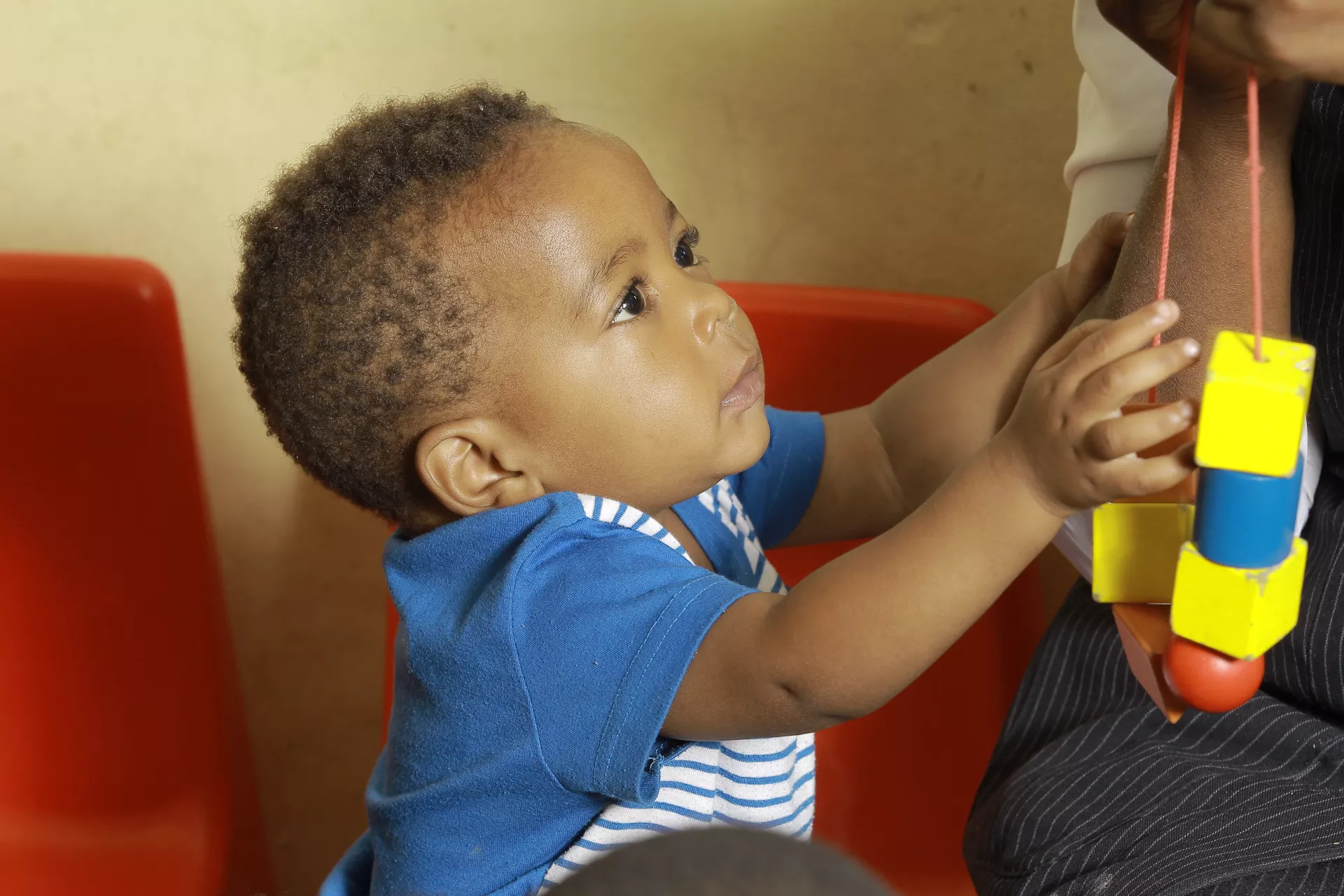
Every child has the right to learn and play
Challenges
Giving children a solid foundation in the early years is the best investment society can make. However, in Namibia, young children do not always get the best start in life.
Although early childhood development and pre-primary participation has undergone rapid growth over the past decade with at least 50% of children entering Grade 1 in 2016 having attended pre-primary in 2022. However, this has not yet shown dividends in early primary level performance with continuing high rates of Grade 1 repetition.
With many of the ECD centres being privately owned, the most vulnerable are often left out due to lack of payment.
Namibia needs to sustain current efforts in ECD and pre-primary learning, improve resourcing for more equitable outcomes in ECD, continue to build qualitative standards, and strengthen inter-Ministerial coordination of efforts for an Intergrated approach to ECD that includes parents.
Solutions
Namibia has embraced an integrated early childhood development (IECD) programme and services approach, which broadly encompass early stimulation and learning, nutrition and protection against violence.
Using inclusive and equitable approach UNICEF works with government to improve the standards of care and learning in existing ECD programmes throughout Namibia.
Through the National IECD taskforce UNICEF is supporting government to strengthen the inter-ministerial coordination for better outcomes for ECD at national, regional and community level.
Working with parents UNICEF also supports government to enhance parenting skills that promotes good nutrition, early stimulation and learning. It is here where parents play a central role in the holistic development of their children
UNICEF believes that by providing children with the best start in life, they will be able transition into the second decade of life healthier and better equipped for future learning.