The journey of life-saving supplies into the hands of children
How essential aid reached children hardest hit by the devastating earthquake in Myanmar.
- English
- မြန်မာ
On 28 March, a devastating 7.7 magnitude earthquake struck Myanmar — the deadliest the country has seen in decades. Just hours after the disaster, UNICEF flew in the first humanitarian flight organized by an aid organization to land in Myanmar, departing from its global supply hub in Copenhagen, Denmark. The flight carried 80 tons of emergency supplies, supported by the European Union, to assist children and families caught in the devastation and struggling to survive without sufficient food, water, and basic hygiene.


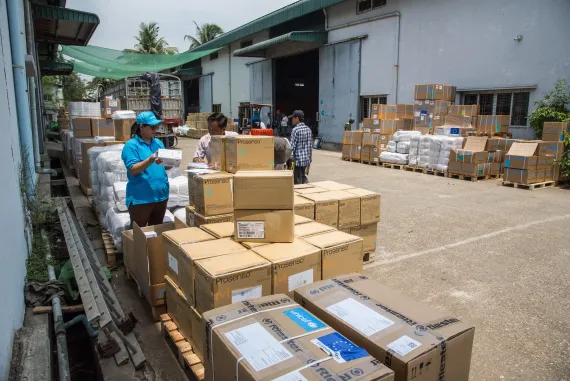
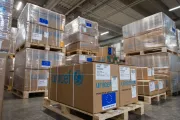
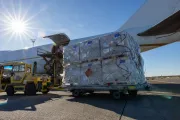
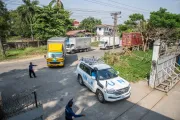
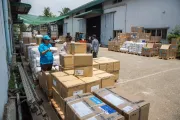
Inside the cargo plane were life-saving essentials that could mean the difference between life and death amid the chaos. These included emergency health kits and surgical and obstetric supplies to treat the ill and injured, as well as midwifery kits to support safe deliveries in crisis conditions. The shipment also carried tents and recreation kits designed to create child-friendly spaces, offering displaced children a sense of safety and normalcy as they cope with trauma.
For many families, each day following the earthquake was a fight for survival — homes were destroyed, injuries were severe, and there was so little food left for parents to feed their children.
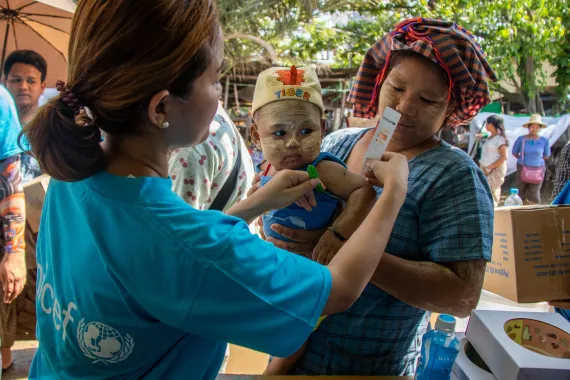
In addition, cartons of ready-to-use therapeutic food (RUTF) were urgently flown in to help treat children who are dangerously malnourished. UNICEF’s health and nutrition teams were working tirelessly on the ground, screening children for malnutrition and distributing RUTF to children in urgent need of treatment. Mobile clinics moved from village to village to help the injured. They also cared for pregnant women and ensured newborns receive their first vital vaccinations.


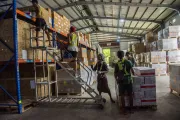
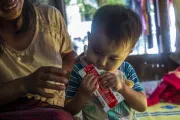
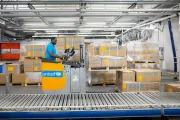
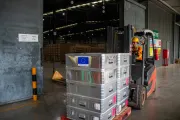
From UNICEF’s warehouses in Yangon and Mandalay, pre-positioned supplies were also rapidly deployed to the hardest-hit areas. Boxes filled with antibiotics, pain relief, rehydration salts and other critical medical essentials were distributed to displaced communities and healthcare workers.
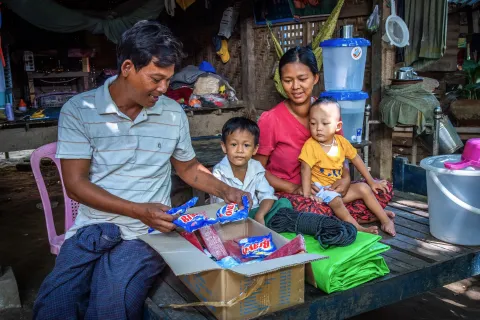
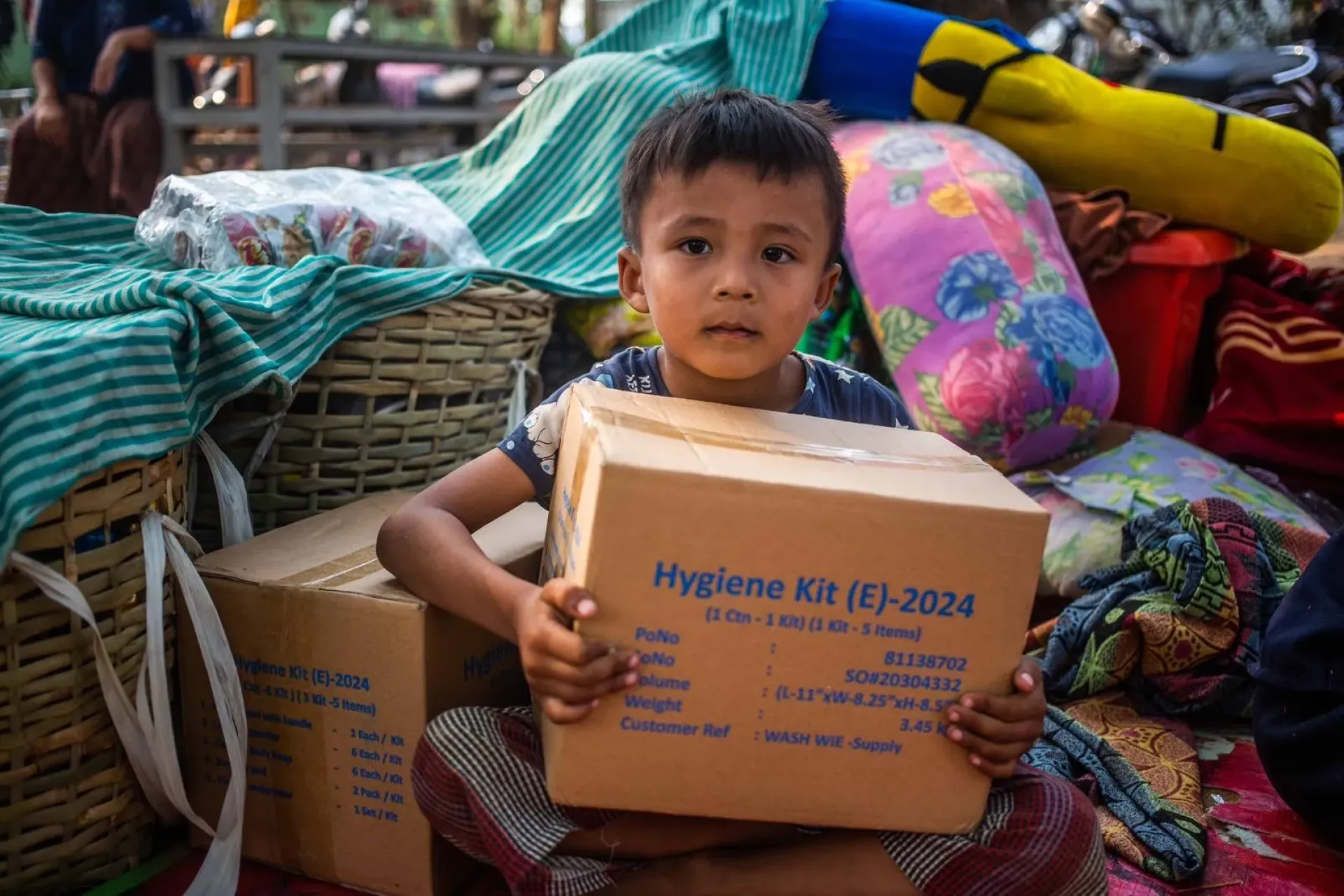
Families and communities who lost access to clean water due to damaged boreholes, broken piped systems, or contaminated wells received water buckets and purification tablets to make untreated water safe for drinking and cooking. Hygiene kits, including soap, sanitary pads and disinfectants, also reached girls, women and families to help maintain essential hygiene practices.
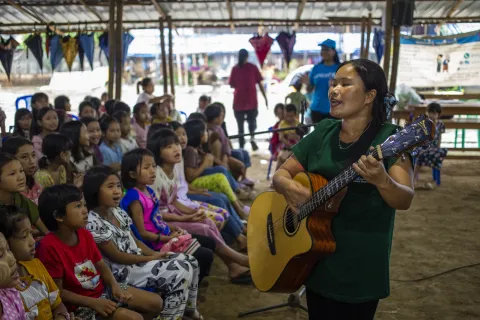
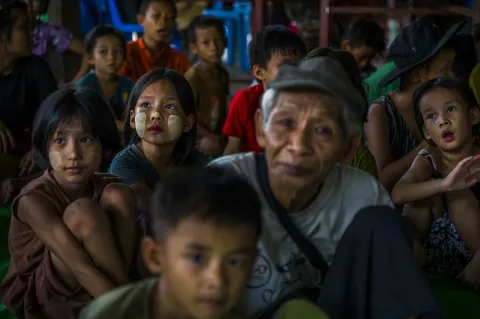
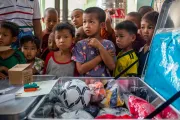
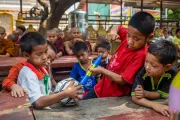
Inside the child-friendly spaces, displaced children found a place to play, learn and heal, with laughter slowly returning. Packed in a lockable metal box for safe storage and easy transport, each recreation kit is filled with board games, drawing boards, and sports equipment for children and adolescents. Designed to support up to 90 children at a time, the kits help relieve stress and restore joy and a sense of normalcy through play during the crisis.


For countless children and families, supplies are a lifeline – and a source of hope, comfort, connection and renewed joy. UNICEF continues to deliver essential supplies to help children heal and reclaim their childhood, while supporting families as they recover from trauma, rebuild their lives, and look ahead to a more hopeful future.