

Situation of Children in Myanmar
A generation in peril
- English
- မြန်မာ
To survive and thrive, all children need stability and safety.
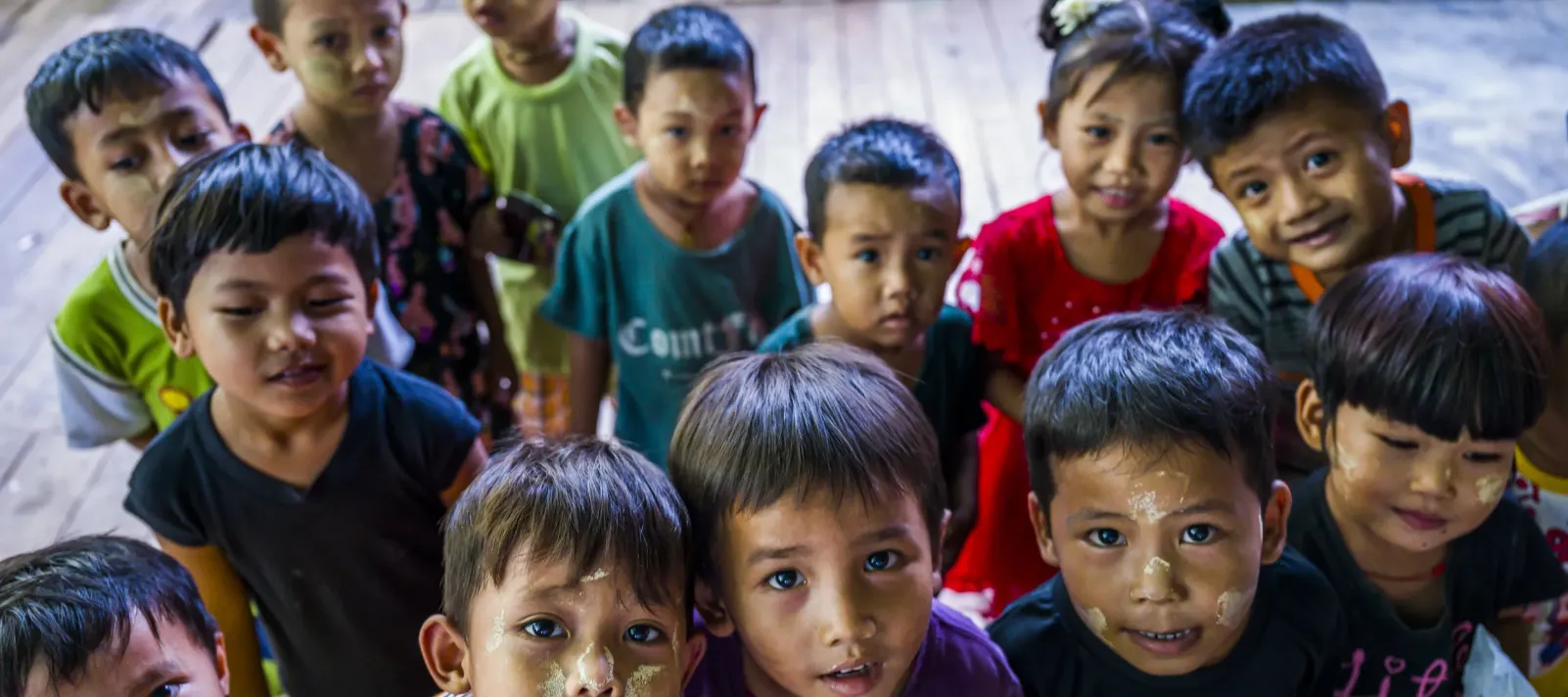
Teetering on the edge: Myanmar’s children bearing the heaviest burden of conflict and instability.
Myanmar’s children are bearing the heaviest burden of the escalating conflict, insecurity, mass displacement, poverty, and disruption of critical services, including health and education, posing serious threats to their wellbeing, future, and survival.
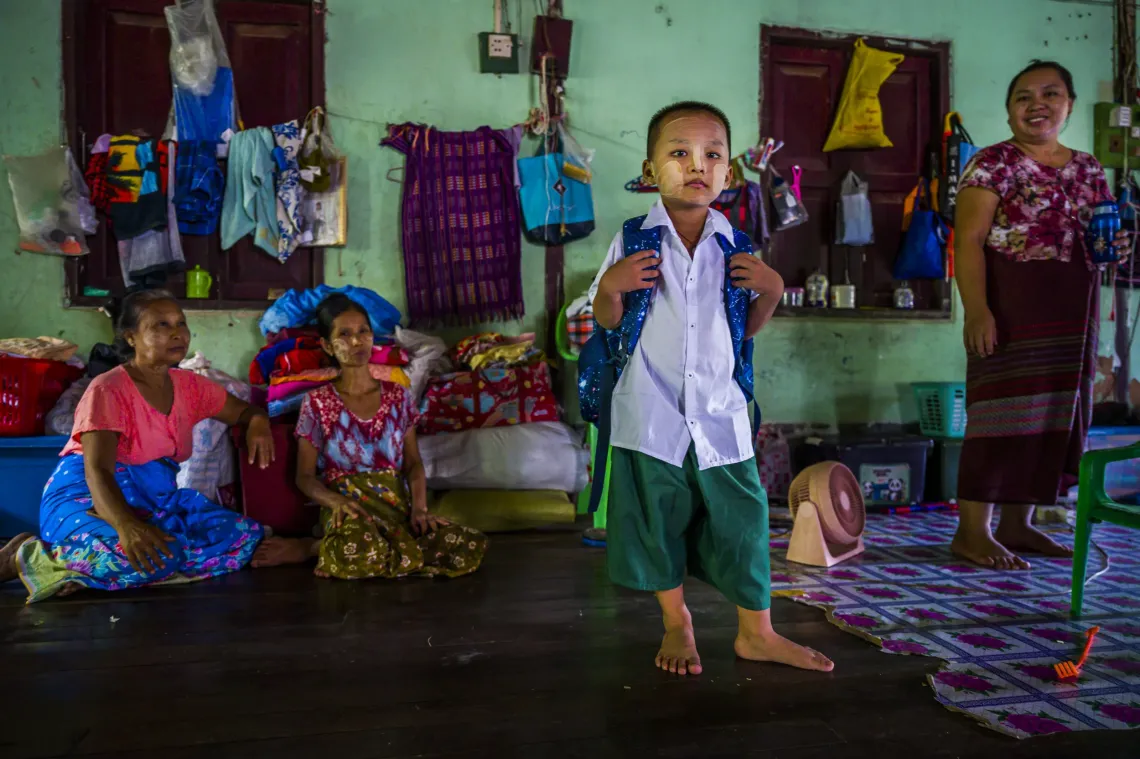
Since the military takeover in February 2021, Myanmar has witnessed a steady surge and spread of conflict and insecurity across all regions, with over 3.7 million people internally displaced as of mid-2026, nearly 30 per cent of whom are children. Of the total 16.2 million people – nearly one-third of the country’s population – in need of assistance in 2026, at least 4.9 million are children, facing an uncertain future.
Recurring natural disasters are compounding these threats
Year after year, children are among the most affected by natural disasters such as Cyclone Mocha (2023), Typhoon Yagi (2024), recurrent monsoon floods, and, most recently, the devastating earthquake in 2025. These events have destroyed homes, schools, and healthcare infrastructure, cut off families from clean water and safe sanitation, and intensified existing vulnerabilities. The cumulative impact of climate-related shocks layered on top of armed conflict is deepening the hardship faced by children, particularly in hard-to-reach and underserved areas.
Disappearing sanctuaries for children
With the escalation of violence across the country, more Myanmar children than ever are facing grave risks of direct and indirect attacks, forcible recruitments and use by parties to the conflict, early/forced marriages, arbitrary arrests and detention, abuse, and deprivation of access to critical services.
Increasing attacks targeting or affecting schools and health facilities are further shrinking the already limited sanctuaries for children in Myanmar, disrupting healthcare services and depriving them of safe spaces essential for their growth and well-being.
The growing number of children grappling with malnutrition, missing out on education, and lacking vital immunization against vaccine-preventable diseases poses a significant threat to the future well-being and economic productivity of the nation.
With many families struggling to meet basic needs due to the ongoing conflict, insecurity, economic downturn, rising inflation, displacement, and limited livelihood opportunities, Myanmar children—55 percent of whom are living in poverty—are bearing the brunt.
An entire generation of Myanmar children teeters on the brink, in desperate need of immediate and sustained comprehensive protection, education, health, nutrition, and water, hygiene, and sanitation support to ensure their well-being and safeguard their future.
How UNICEF is responding
We draw on over 75 years of experience working for the children of Myanmar, in times of both calm and crisis. Flexibility is our watchword, and UNICEF is adapting its work to respond to deepening needs despite the challenging operating context in Myanmar, upholding the rights of every child, regardless of their location.
UNICEF’s long history in Myanmar is part of its comparative advantage, as in other countries, enabling an integrated, multi-sectoral response. We leverage our experience across multiple sectors and use various implementation modalities through a variety of partners. Our reliable long-term presence and convening power with partners and networks give us the deep insights needed to understand root causes and find effective solutions. Additionally, in Myanmar, UNICEF leads five inter-agency clusters and areas of responsibility: WASH, Education (co-lead), Nutrition, Child Protection, and Mine Action, enabling us to delivery holistic results for children.
UNICEF is committed, as always, to providing the services and life-saving supplies that are critical for children’s survival and wellbeing.
We continue to reach children even in the most challenging and hard-to-reach areas. Our extensive coverage across states and regions, along with our wide network of partners, primarily drawn from local communities, enables us to deliver the best possible results for conflict-affected and vulnerable children, even in the toughest circumstances.
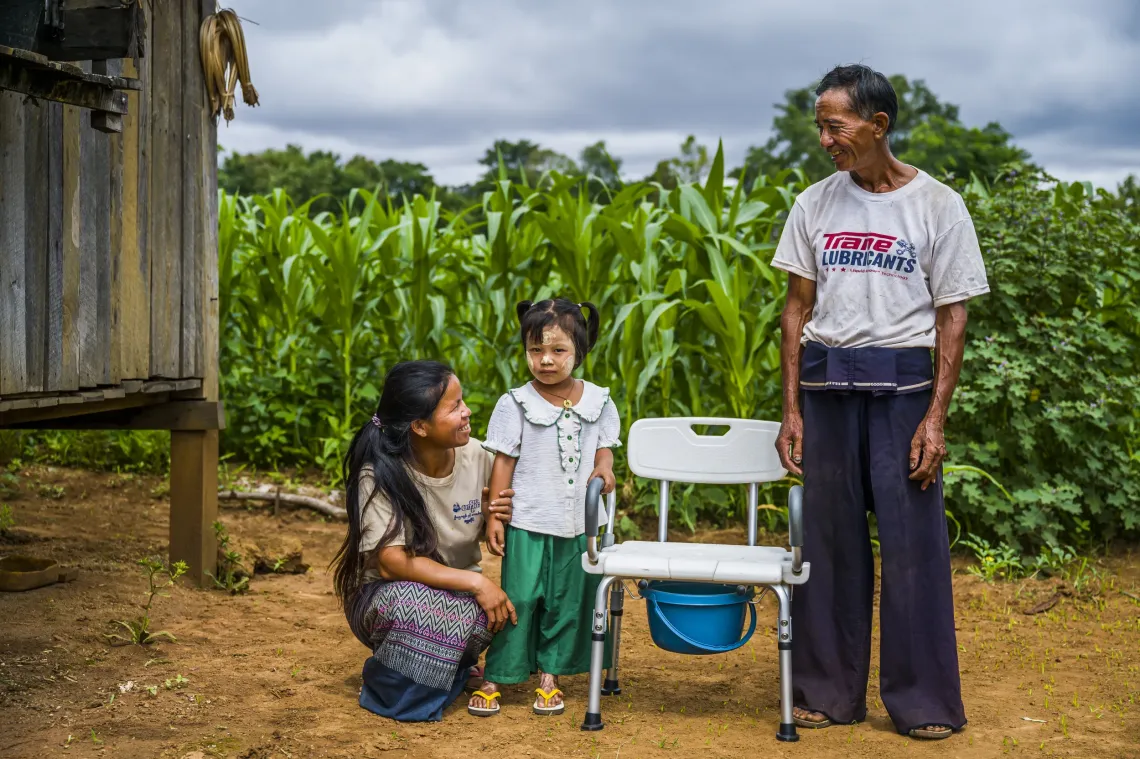
As ever, UNICEF focuses particularly on reaching the most vulnerable children; the poorest, those with disabilities, those living in camps for displaced people, those unaccompanied and separated from their families. We also work to meet the needs of children in hard-to-reach areas and underserved peri-urban areas.