Teaching with Heart: António’s Path to Inclusion
“I now understand inclusion as active participation, respect for differences, and promoting equity”, tells teacher António Tato.

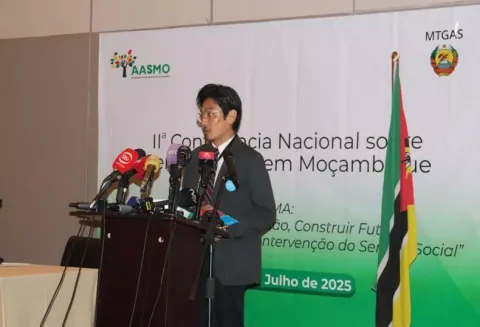
António Celestino Bero Tato, 34, teaches sixth grade at Derunde-Linha Primary School in Muanza district, Sofala province. With over 50 students, including those with special educational needs, he is also the school’s focal point for inclusive education.
His journey began in 2012 at Sanguzi Muana Primary School. A defining moment early in his career shaped his commitment.
"One day I saw a student with a physical disability being left out while the others cleaned the schoolyard. I encouraged him to join, and he was so happy. He not only helped with the task but also started playing and connecting with his classmates. From then on, I made sure to include him in sports and other activities, adjusting them so he could take part safely," António recalls.
This experience changed how he viewed disability. He came to see inclusion not as pity or charity, but as creating meaningful opportunities for participation and belonging.
António believes inclusion means recognizing children with disabilities as full members of the school community, with equal rights and dignity. “Inclusion is born in the details,” he says.
In 2025, António took part in a UNICEF-supported training on inclusive education and adapted teaching methods. He describes it as transformative, both professionally and personally.
The training, funded by the Japan Committee for UNICEF (JCU) in partnership with the Sofala Provincial Directorate of Education and Muanza District’s education authorities, aimed to strengthen inclusive teaching and school management. It reached 100 teachers and 35 school managers from 35 schools across Muanza.
“Before the training, although I had good intentions, I now realize that my perspective was still limited. I didn’t feel fully prepared to identify subtle forms of exclusion or signs of violence against children with disabilities,” António explains. “I now understand inclusion as active participation, respect for differences, and promoting equity.”
Following the training, António and his colleagues introduced changes such as adapting lessons, fostering cooperation among students, and improving school accessibility. These efforts are already making a difference in student engagement and performance.
“Today, I feel not only more confident but deeply aware of my role,” he says. “It’s not just big decisions that change lives, but small daily actions. These can completely change how a child with disability feels at school: welcomed, valued, and capable.”
António calls on fellow teachers to believe in every child’s potential and urges continued collaboration to build inclusive schools. He also thanks the Government of Mozambique, Sofala DPE, Muanza SDEJT, UNICEF, and JCU for enabling this change through their support and training.