Strengthening Social Protection in Mozambique: ProSAS Officially Launches in Pebane and Molumbo
This week marks an important milestone for Mozambique’s social protection system.

This week marks an important milestone for Mozambique’s social protection system.
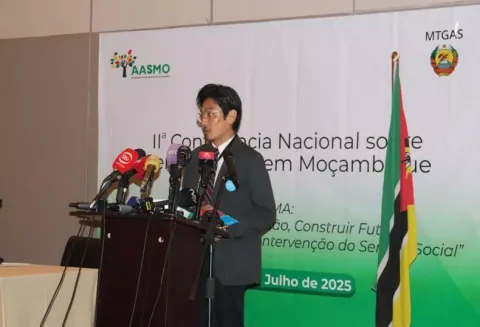
The Government of Mozambique, through the Ministry of Labour, Gender and Social Action, with technical assistance from UNICEF and financial support from the World Bank, has officially launched the Social Action Programme (ProSAS) in the districts of Pebane and Molumbo, the first step in what is envisioned as a gradual national expansion. While the geographic scope may currently be limited to two districts, the ambition is national — and systemic.
This is not simply a programme rollout.
It is a deliberate investment in strengthening social services and building a more resilient protection system.
From Policy to Practice: Building Capacity for Scale
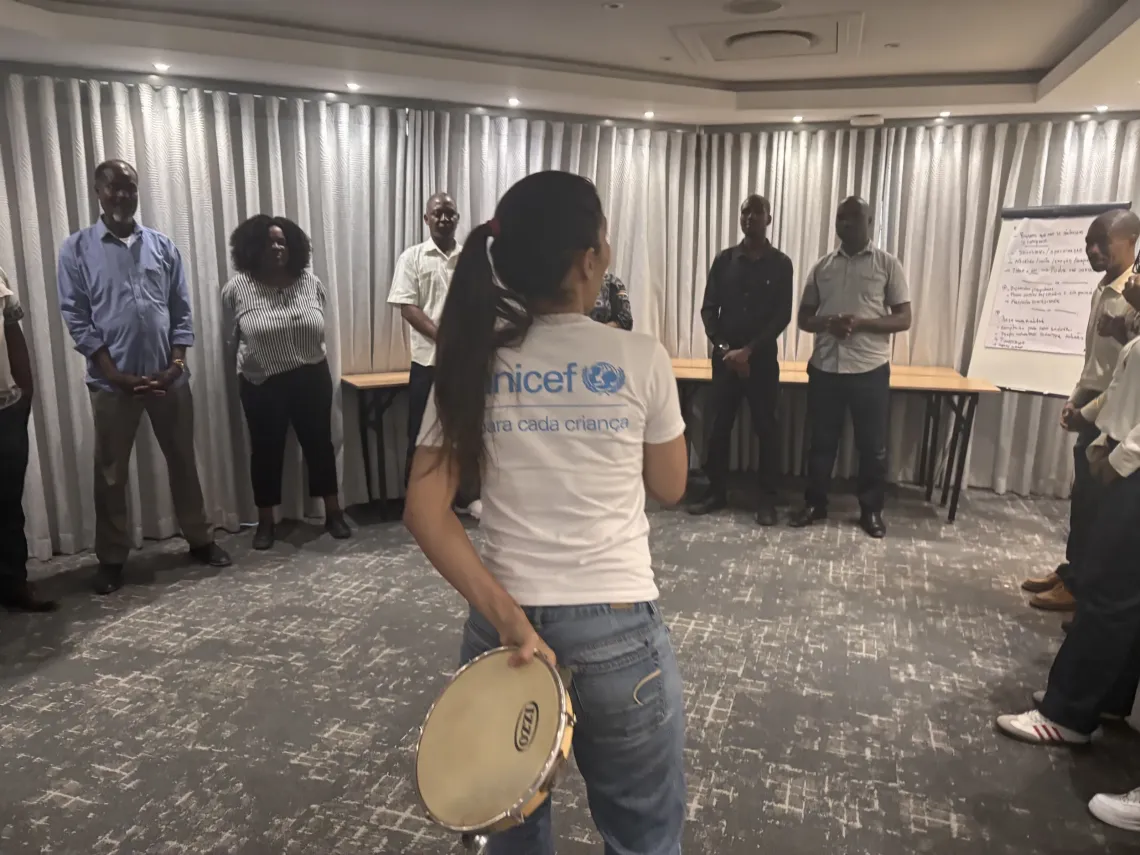
The launch follows an intensive 40-hour technical training process conducted at the central level. Sector specialists were equipped with the legal, technical, and operational foundations of ProSAS before deploying in two field teams to train district-level social workers.
Those district professionals now carry the responsibility of cascading the training further — preparing para-social workers at the community level to support prevention, identification, and referral processes.
This cascade model is strategic. It ensures:
- Institutional ownership
- Standardised implementation
- Strengthened technical capacity at all levels
- Sustainability beyond initial rollout
Rather than introducing isolated interventions, ProSAS is reinforcing the architecture of Mozambique’s social protection system.

Why This Matters: A Systems Approach to Vulnerability
In Mozambique, as in many contexts, vulnerability is multidimensional and cumulative. Poverty intersects with gender inequality, disability, age, social norms, and exposure to violence. Addressing these risks requires more than financial support — it requires structured, ethical, and coordinated social services.
ProSAS contributes directly to strengthening Mozambique’s Basic Social Security framework, aligning with global principles promoted by UNICEF’s Social Protection and Child Protection strategies:
- Systems strengthening rather than fragmented projects
- Integrated service delivery
- Prevention alongside response
- Community-based engagement
- Rights-based approaches centered on dignity and protection
By investing in trained social workers and para-social workers, Mozambique is reinforcing the frontline of protection — ensuring earlier identification of risk, coordinated interventions, and improved outcomes for children, women and vulnerable families.

Pebane and Molumbo: The Beginning of National Expansion
Launching in Pebane and Molumbo is a strategic starting point. These districts now serve as a model for how ProSAS can be implemented in a structured, scalable, and sustainable manner across the country. In 2026, the programme is expected to reach more than 1,800 vulnerable families across Pebane and Molumbo. Beneficiaries will be identified through multiple entry points, ensuring programmatic convergence at the local level and strengthening coordinated response mechanisms. The first wave of beneficiaries will be referred through the Child Grant programme, the Global Programme to Prevent and Eliminate Child Marriage, as well as through schools, health systems, and other referral pathways.
As Mozambique advances toward broader national coverage, this initial rollout demonstrates a clear commitment:
- To professionalize social action services
- To institutionalize ethical case management
- To develop an Information Management System for ProSAS
- To integrate prevention and protection
- To strengthen community-level systems
For the first time, Social Action Services (SDSMAS), through their RAMAS structures, will have representatives operating directly at the community level. This is a critical step toward closing longstanding gaps in access to services, particularly for the most vulnerable households. By extending their presence closer to communities, ProSAS strengthens both preventive and protective responses, ensuring earlier identification of risks, improved referrals, and more responsive local support mechanisms.
Social protection is not an auxiliary policy — it is foundational to resilience, equity, and sustainable development.
ProSAS represents a meaningful step forward in building a stronger protection system for Mozambique’s most vulnerable populations.