Protecting children during Nacala’s cholera outbreak
"We are very grateful for the tents provided by UNICEF. The risk of infection from cholera is very high, so treatment needs to take place away from the main hospital buildings."
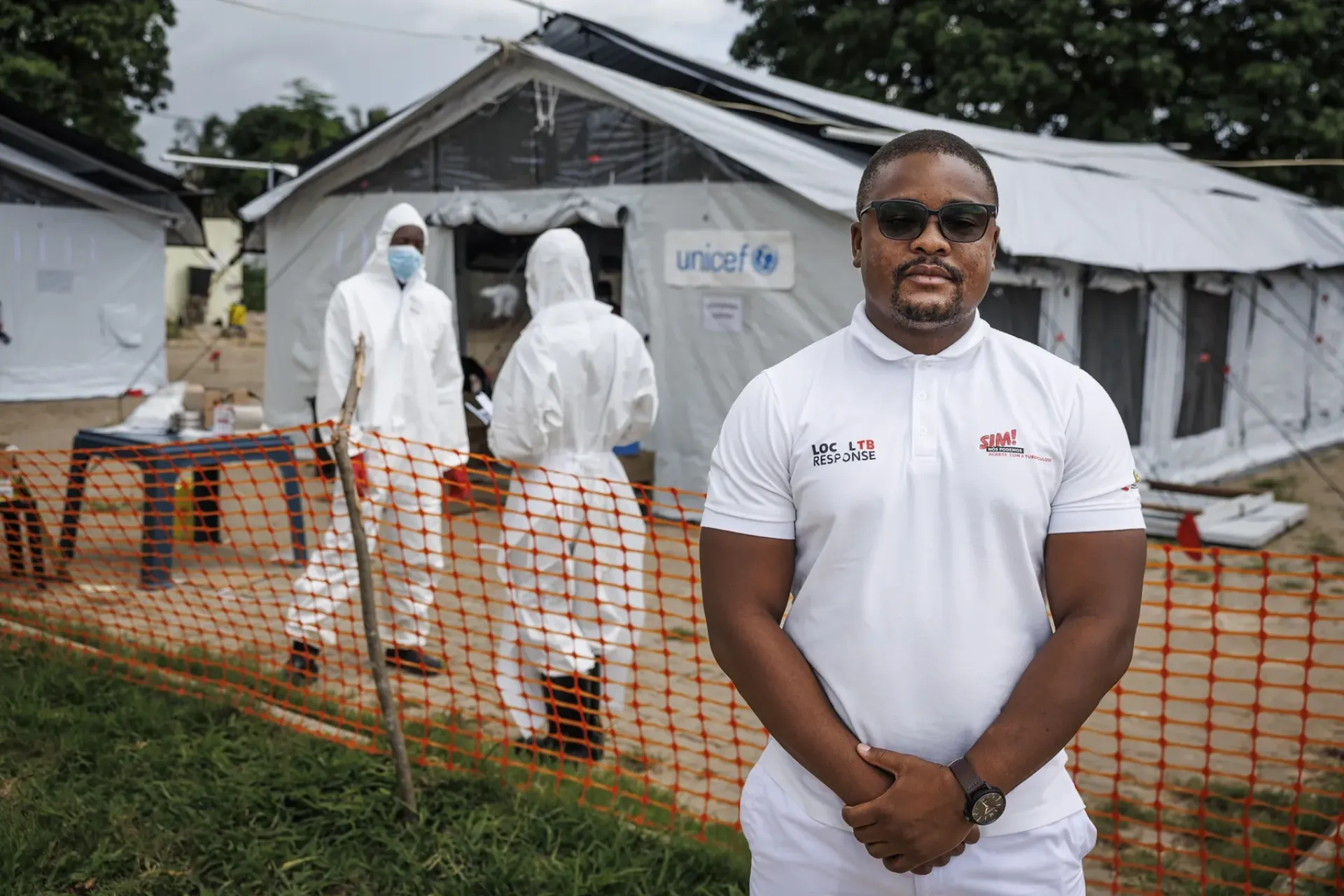
Nacala Porto, Nampula - Ten large white tents stand on the grounds of Nacala District Hospital, separated from the wards where patients receive treatment for other illnesses and injuries.
Inside the cholera treatment centre, health workers wearing protective clothing move carefully between patients. A dedicated tent has been set aside for children, while adults are treated separately.
At the time of the interview in early February, 44 patients were receiving treatment at the centre. Twenty of them, almost half, were children.
“This outbreak is different because it is affecting many children,” says Dr Julfrique Bila, 32, Chief Medical Officer for Nacala District, who was supporting the cholera response. “The majority of the children we are treating are under four years old.”
The first case was detected in Mossuril District, near Nacala Porto, and the outbreak was officially declared on 8 January. According to Dr Bila, Nacala Porto recorded more cases during the first month of the outbreak than during the previous outbreak in 2023.
By the time of the interview, approximately 1,000 cases had been reported across the affected area, Dr Bila says. Many people with suspected or milder cases were reportedly treating themselves at home, while the 44 patients admitted to the treatment centre were among the most seriously ill.
Dr Bila says official figures showed that 10 people had died in Nacala Porto. However, he fears the true number may have been higher because not every case in the community reached the hospital. Heavy rains and poor road conditions had also made some communities difficult to access.
For Dr Bila, the cholera outbreak is closely linked to the challenges families faced in accessing safe drinking water.
“During the last two months, there have been problems with the water supply system in Nacala Porto,” he explains. “As a result, many people have been forced to collect water from traditional water holes or harvest rainwater for their needs.”
When safe water is unavailable, families often have no choice but to rely on unprotected water sources, which can easily become contaminated. Cholera spreads through food or water contaminated with the bacterium that causes the disease.
The risk increases during periods of heavy rainfall and flooding, when contaminated water can mix with drinking-water sources and sanitation systems become overwhelmed or damaged.
Cyclones further worsen the situation by destroying water and sanitation infrastructure, disrupting health services, displacing families, leaving communities without access to essential services and creating conditions in which cholera can spread rapidly.
UNICEF provided the treatment centre with 10 tents, emergency health kits, protective clothing and equipment, water supplies, a water tank, Certeza water treatment solution and spraying equipment.
“We are very grateful for the tents provided by UNICEF,” Dr Bila says. “The risk of infection from cholera is very high, so treatment needs to take place away from the main hospital buildings, where people are being treated for other conditions. We need these tents to care for cholera patients and contain the outbreak.”
The response does not end when a patient arrives at the treatment centre. Health workers visit the homes of people diagnosed with cholera, disinfect the houses and speak to family members and neighbours about how to protect themselves.
“Our teams go door to door to talk to families and neighbours about the outbreak,” says Dr Bila. “We explain the precautions they need to take, including treating or boiling their water before drinking it.”
Cholera can cause severe diarrhoea and dehydration and, without rapid treatment, can become life-threatening within hours. Dr Bila urges caregivers not to delay seeking medical attention when a child becomes sick.
“Mothers and other caregivers should take children with suspected cholera symptoms to the nearest health facility or speak immediately to a community health worker,” he says.
The tents and other supplies provided to Nacala District Hospital were procured through UNICEF’s Global Humanitarian Thematic Funding mechanism. This support was made possible by flexible contributions from the Governments of Germany, the Netherlands and Sweden, as well as public and private sector fundraising, including through UNICEF National Committees, among other donors. Flexible humanitarian funding enables UNICEF to respond quickly during emergencies, direct resources to underfunded and high-need areas, strengthen preparedness and deliver a more cost-efficient response. The full list of donors to the mechanism is available on the UNICEF website.