Mozambique Marks Milestone in the Fight Against Child Marriage
On 23 and 24 April 2025, the Government of Mozambique, through the Ministry of Justice, Constitutional and Religious Affairs, with support from UNICEF, hosted an international conference in Maputo at the Joaquim Chissano International Conference Centre.

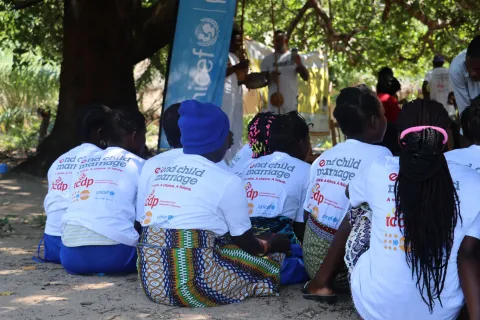
Maputo, Mozambique - On 23 and 24 April 2025, the Government of Mozambique, through the Ministry of Justice, Constitutional and Religious Affairs, with support from UNICEF, hosted an international conference in Maputo at the Joaquim Chissano International Conference Centre. The conference commemorated the fifth anniversary of the Law to Prevent and Combat Child Marriages (Law No. 19/2019), under the theme: “Do Not Interrupt Childhood: Stop Child Marriages.”
Approximately 173 representatives attended, including officials from government institutions in Mozambique, Malawi, Zambia, and Ethiopia; members of the diplomatic corps accredited to Mozambique; religious and traditional leaders from Mozambique, Zambia, and Malawi; representatives from the Children's Parliament and youth platforms; and civil society organisations working to promote and protect children's rights.
The event was chaired by His Excellency Mateus Saize, Minister of Justice, Constitutional and Religious Affairs, and aimed to assess the progress in implementing Law No. 19/2019. The goal is to end child marriage by 2030, in line with target 5.3 of the Sustainable Development Goals. Participants also discussed strategies to overcome challenges in enforcing the law.
A key achievement of Law No. 19/2019, establishing the minimum legal age for marriage at 18, was recognised as a significant step forward in protecting children’s rights.
UNICEF Representative in Mozambique, Mary Louise Eagleton, noted in her remarks that “this conference presents a unique opportunity to consolidate effective interventions, accelerate their implementation, and expand their reach, ensuring that no girl is left behind in a context still marked by harmful cultural norms, poverty, and limited knowledge of the law itself”.


Fellow panelists included the Ambassador of Sweden, Mette Sunnergren; the Ambassador of Finland, Satu Lassila; the High Commissioner of Canada, Sara Nicholls; and Dominic Aston, the UK Development Director from the British High Commission.
Ambassador Sunnergren’s remarks focused on “the important role of community leaders and the importance of birth registration as tools for the protection of girls' rights.” While Ambassador Lassila noted that “education is the key to change.” High Commissioner Nicholls reaffirms “the importance of programmes like the Global Programme to End Child Marriage and Rapariga Biz which bring together multisectoral actors fostering partnerships to prevent and respond to child marriage and harmful practices”. Mr. Aston spoke of getting “men and boys more involved in actions to prevent forced unions.”
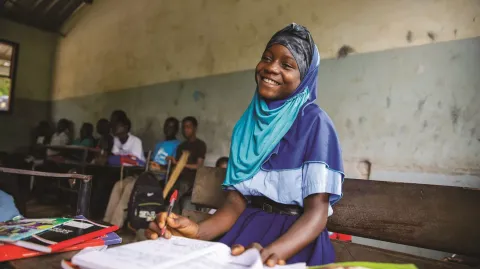
The conference concluded with the adoption of an action appeal, outlining several measures to accelerate the elimination of child marriage across all sectors and contexts. These included strengthening the dissemination of the law, increasing awareness of children’s rights among all social groups—particularly in remote communities where early unions are more prevalent—and promoting free, quality education with a focus on keeping girls in school.
Additional recommendations called for enhanced support for victims, including access to psychological services, shelter, and reintegration programmes for girls rescued from child marriages. Ensuring comprehensive and reliable birth registration for all children was also highlighted as essential.
Furthermore, the conference stressed the importance of training community and traditional leaders, investing in their continuous development to foster a shift in attitudes and eliminate harmful practices. Expanding opportunities for children to express their views and participate in decision-making processes was also strongly encouraged.