Child Marriage In Brief
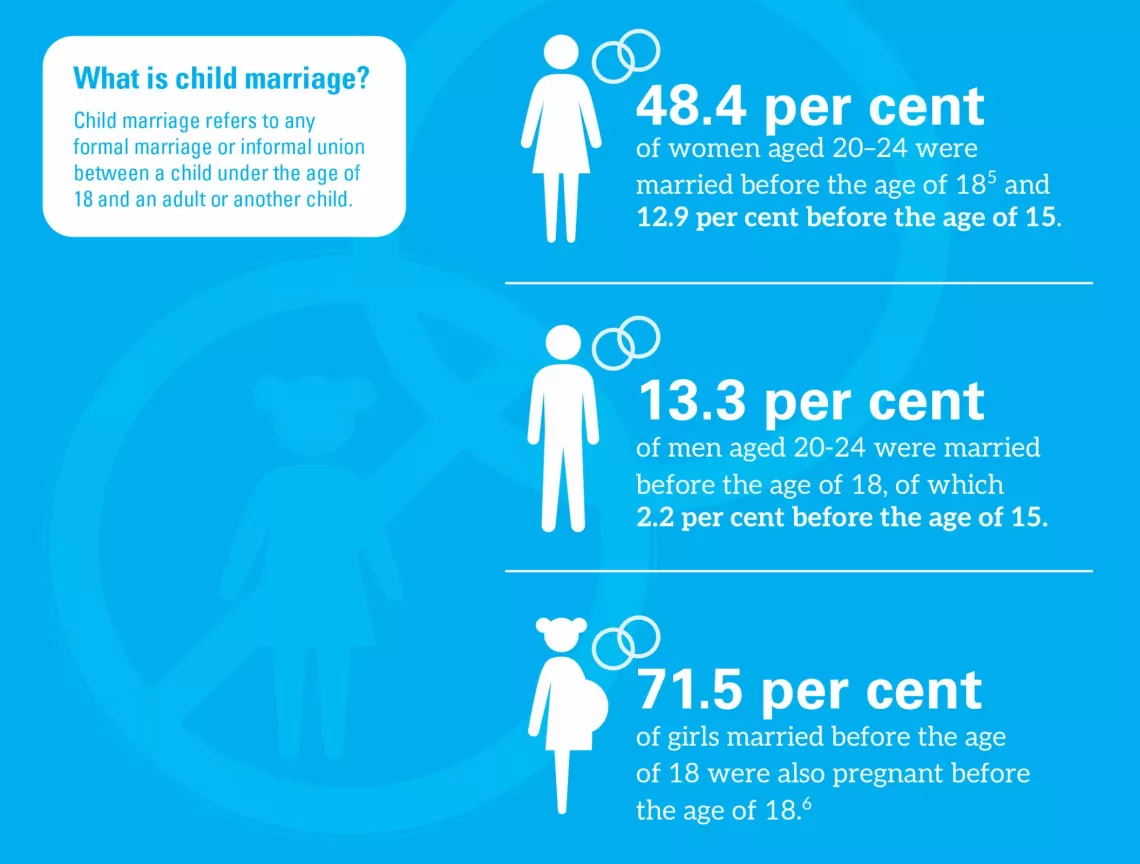
Mozambique has one of the highest rates of child marriage in the world, affecting half of all girls.
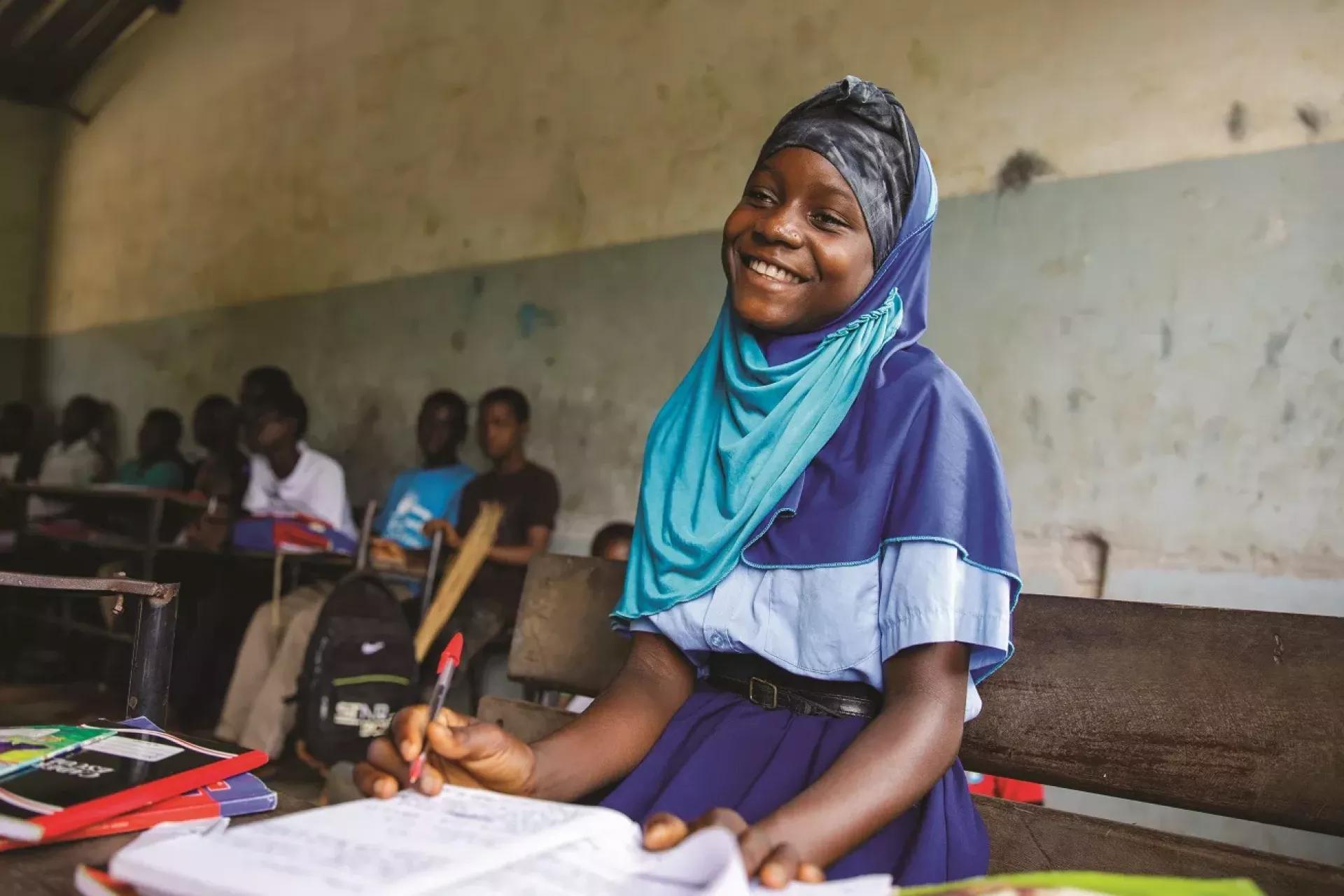
WHAT CHILDREN ARE FACING IN MOZAMBIQUE
Mozambique has one of the highest rates of child marriage in the world, affecting half of all girls. Child marriage has a detrimental impact on a child’s health and wellbeing. There is a strong correlation between child marriage and early pregnancy, which can lead to maternal and child mortality and malnutrition.
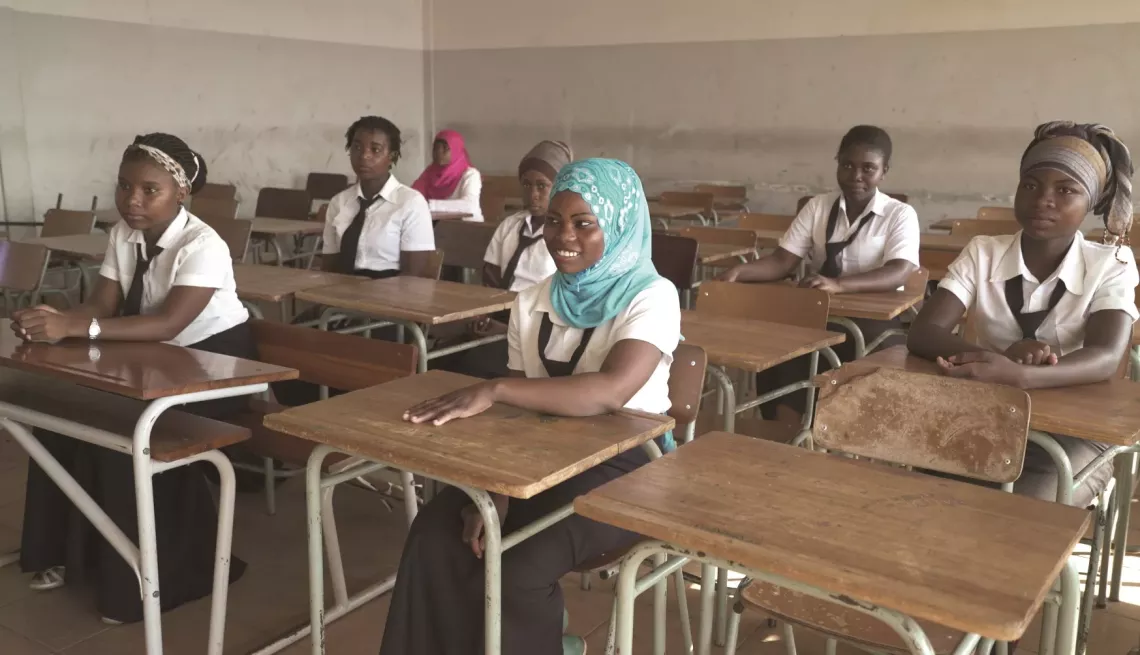
School can help to protect girls from marriage: girls aged 15-17 who are in school are eight times less likely to marry as a child than girls who have never attended or have left school. Girls who are forced into marriage may have to drop out, diminishing their prospects later in life.
Estimates suggest that women who marry before they are 18 years old in Mozambique may have earnings 15.6 per cent lower than if they had married after 18. This loss of earnings contributes to intergenerational poverty and a decline in the overall development of countries.
Child marriage is more prevalent in rural areas than urban, and in the northern and central regions of the country.
CHALLENGES TO REFORM
The scale of child marriage – and its complex, multi-dimensional drivers – are significant barriers to ending the practice.
- Social norms, behaviours and practices remain a significant challenge. Child marriage, like many other harmful traditional practices, is accepted as a normal part of growing up. In the initiation rites, girls are taught that they are ready for a sexual relationship and marriage.
- Economic pressure can also drive child marriage. For some families, child marriage is an economic coping strategy, to help reduce financial burdens and potentially benefit from a bride price. This could often be triggered by climate-related disasters, including flooding, drought-related failed harvest and hunger.
Conflict increases rates of sexual and gender-based violence, including child marriage, in parts of the country, such as Cabo Delgado province. Girls may be forced into marriage by the armed groups abducting them, or by their families seeking a bride price.
Shifting such deep-rooted norms or economic coping strategies so that children can focus their childhood and adolescence on their education and growth is hugely complex. Challenging the notion of child marriage is not just about challenging the practice, but tackling the way in which women are valued and treated in society. It is about recalibrating attitudes and norms so that behaviours and practices change in ways that protect and uplift children.
UNICEF ACTION
Principles and approaches
The programme to prevent and respond to child marriage is adolescent girl-centred and aims to protect and empower them. UNICEF does this by taking takes human rights based, gender transformative and intersectional approaches – and commits to leaving no one behind.
Much of UNICEF’s action to address child marriage is done in the context of preventing and responding to violence against children – because they share many of the same drivers. Action to tackle child marriage encompass both prevention and response. Intervention areas include the following:
Case identification and referral: UNICEF, in collaboration with the Government and other partners including CSOs, supports referral mechanisms such as the Child Help Line (LFC116) and school and community level referral mechanisms like Child Protection Community Committees (CCPC).
Case management: UNICEF supports Government efforts to strengthen the case management system to provide adequate care and support to children who are victims or at risk of child marriage. This includes providing specialized services to children through social action, justice interventions, civil registration, schools, social protection and health services:
- Mobile courts reach communities and offer justice to victims by traveling to remote areas to provide legal services and adjudicate cases.
- Birth registration reaches unregistered children through mobile brigades.
- Access to mental health and psychosocial support helps girl victims of child marriage as well as their children. These services often integrate skill building, like Capoeira training and occupational therapy.
- School reintegration for girl victims of child marriage and/or violence who have dropped out of school.
- Government social protection programmes that provide cash and care to the most vulnerable families, such as the Child Grant Programme.
Social and behaviour change communication. UNICEF conducts awareness-raising activities for the progressive abandonment of harmful practices. Interventions include intergenerational dialogues with community and religious leaders; matronas – who are responsible of conducting initiation rites; and youth platforms. In addition, mentorship programmes for boys and young men promote gender equality and reduce the risk of child marriage. Finally, positive parenting programmes promote nurturing care, prevent violence in families and protect children from child marriage.
Keeping children safe in schools. As part of life skills programming, UNICEF supports school clubs to build students’ capacities to protect themselves and support their peers in school and in their communities. UNICEF also helps train education personnel and school council members to properly implement the violence against children (VAC) referral mechanism in schools to prevent and refer of cases of violence, including child marriage. Additionally, UNICEF supports the reintegration of girl victims of child marriage into school and provides them with uniforms and school materials.
Engagement and collaboration. UNICEF is strengthening multi-sectoral coordination mechanisms at all levels to implement the law to prevent and combat child marriage and effectively respond to violence against children. UNICEF works with a wide range of diverse actors, including line ministries, justice system actors, civil society, traditional and religious leaders, media, youth
and adolescents.