It takes a community to protect a child in Chiúre
With support from the Mozambique Humanitarian Fund (MHF), UNICEF and partners are helping communities in Chiúre strengthen local protection systems so that support for children does not end when an event or emergency response is over.

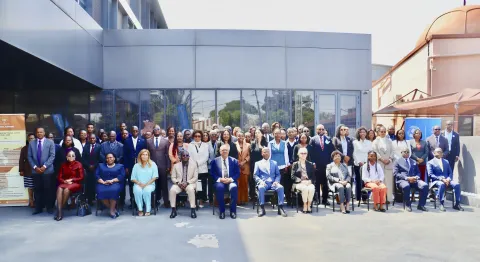
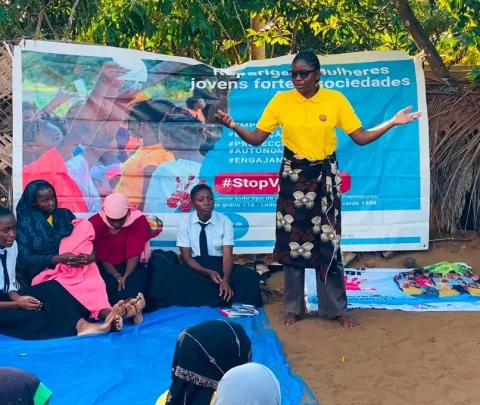
Chiúre, Cabo Delgado - Under the shade of community tents in Chiúre District, adolescents, families, community leaders and frontline workers gathered to celebrate an important milestone: 185 adolescents, including 120 girls, had completed structured psychosocial support and life-skills programmes using the GAIA and Girls in Action toolkits.
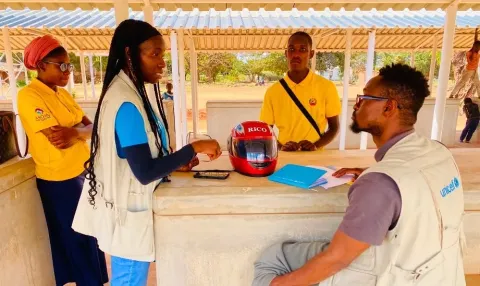
In Cabo Delgado, where communities continue to face the effects of conflict, displacement and other protection risks, the One-Stop Day showed what child protection can look like when communities, government services and humanitarian partners work together.
Through safe group sessions, adolescents learned about self-esteem, positive coping mechanisms, communication, leadership, gender equality and child rights. They built friendships and confidence, while gaining practical skills to help them navigate challenges at home, at school and in their communities. Graduates also received dignity kits or school kits to support their continued education and well-being.
The day was also a celebration of young people’s creativity and participation. An exhibition displayed artwork and products created by adolescents during the programme, while cultural dances and community theatre shared messages about peaceful coexistence, girls’ education and the importance of challenging harmful practices. A friendly football match between the Protection and Education teams highlighted another message at the heart of the event: children’s safety, learning, health and well-being are closely connected.
Addressing participants, Chiúre District Administrator Isaura Máquina underscored the importance of protecting children and adolescents. “When we speak about child protection, we are speaking about the future of our district,” she said, encouraging the graduates to share what they had learned with other young people in their communities.
Behind the celebration was months of work to strengthen community-based child protection. Community leaders, Child Protection Committees, social workers, families, government authorities and humanitarian partners have worked together to provide psychosocial support, strengthen case management and referral pathways, and connect children and families with the services they need.
With support from the Mozambique Humanitarian Fund (MHF), UNICEF and partners are helping communities in Chiúre strengthen these local protection systems so that support for children does not end when an event or emergency response is over. By investing in local capacity and linking communities with formal services, the programme is helping build safer, more supportive environments where children and adolescents can learn, grow and look to the future with confidence.