Mozambique introduces the lifesaving R21 malaria vaccine, a critical step forward to revitalize malaria progress and improve child survival
- Português
- English
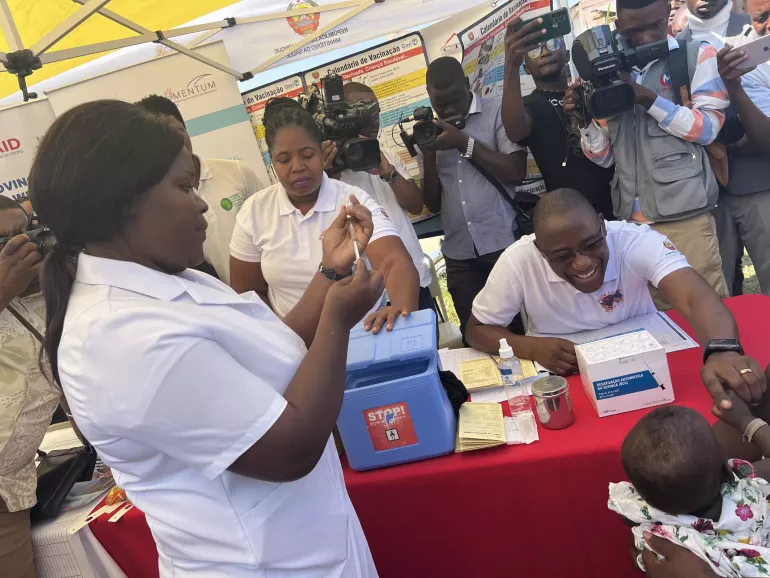
Maputo, Mozambique - Mozambique introduces the lifesaving R21 malaria vaccine, a critical step forward to revitalize malaria progress and improve child survival.
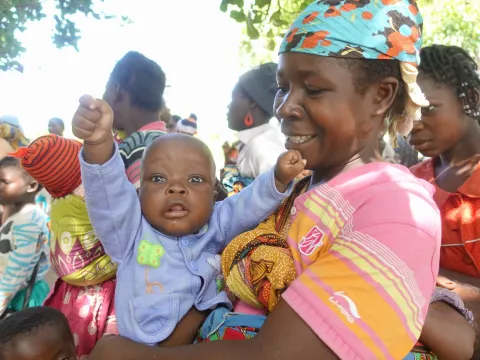
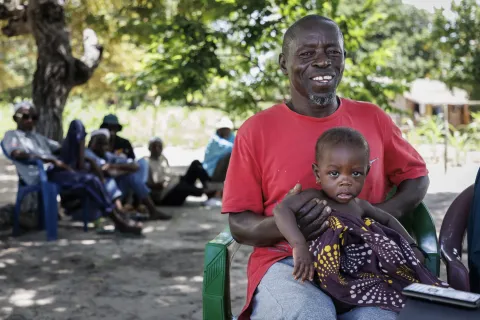
Mozambique today reaches an important step in the prevention among vulnerable children with the introduction of the malaria vaccine called R21, which will reduce thousands of malaria cases and save thousands of children’s lives each year. One child dies from malaria every minute of every day in Africa.
Through Gavi, the Alliance for Vaccines, and co-financing from the Government of Mozambique, the country has around 800,000 doses of the malaria vaccine for the Expanded Programme of Immunization, with the aim of immunizing around 300,000 children in the first phase, which begins on 5 August 2024. The vaccine will be distributed in 22 districts in the province of Zambézia will be administered in a 4-dose schedule, the first dose will cover children aged 6 to 11 months.
The R21 vaccine is safe, effective, and recommended by the WHO. The R21 vaccine when provided in childhood immunization, by age, reduces of over half of malaria cases (as high as 66%) in children during the first year of follow-up and prolonged protection with the fourth dose of vaccine. This vaccine represents an advance for child health, disease control and reduction of child mortality in Mozambique, where malaria is an endemic disease, whose prevalence in children under 5 years of age is 32% (IDS 2022‒2023).
The introduction of the malaria vaccine in Mozambique brings to 11 the number of countries on the African continent that offer malaria vaccines, 8 for RTS,S and 3 for R21 with Mozambique, as part of childhood immunization programs, expanding access to more comprehensive prevention against the disease.
Malaria continues to be a huge health challenge in the African region, which is home to 11 countries that bear approximately 70% of the global malaria burden. The region was responsible for 94% of global malaria cases and 95% of all malaria deaths in 2022, according to the 2023 World Malaria Report.
In parallel with the vaccine, efforts must continue to increase the coverage and use of Insecticide Treated Mosquito Nets (ITN), where only 57% of households in Mozambique have at least one ITN.
Gavi, UNICEF, WHO and cooperation partners are supporting the Ministry of Health in the preparation, acceptance, and introduction of the malaria vaccine. This support ranges from developing vaccine implementation plans, communication strategies, conducting health professional trainings and community engagement, and ensuring sufficient cold chain capacity.
About Gavi, the Vaccine Alliance
Gavi, the Vaccine Alliance is a public-private partnership that helps vaccinate more than half the world’s children against some of the world’s deadliest diseases. Since its inception in 2000, Gavi has helped to immunize a whole generation – over 1 billion children. Gavi also plays a key role in improving global health security by supporting health systems, outbreak response and global vaccine stockpiles. The Vaccine Alliance brings together governments, WHO, UNICEF, the World Bank, the vaccine industry, technical agencies, civil society, the Bill & Melinda Gates Foundation, and other partners. Learn more at www.gavi.org and connect with us on Facebook and X (Twitter).
About WHO:
WHO is the United Nations agency that connects nations, partners and people to promote health, keep the world safe and serve the vulnerable – so everyone, everywhere can attain the highest level of health. WHO leads global efforts to expand universal health coverage and to to achieve better health for all. From emerging epidemics such as COVID-19 and Zika to the persistent threat of communicable diseases including HIV, malaria and tuberculosis and chronic diseases such as diabetes, heart disease and cancer, we bring together 194 countries and work on the frontlines in 150+ locations to confront the biggest health challenges of our time and measurably advance the well-being of the world’s people.
Learn more at www.omsmoçambique.com and connect with us on Facebook and https://x.com/home.
Media contacts
Sobre o UNICEF
O UNICEF trabalha em alguns dos lugares mais difíceis do mundo, para chegar às crianças mais desfavorecidas. Para salvar as suas vidas. Para defender os seus direitos. Para ajudá-las a alcançar o seu verdadeiro potencial. Presentes em 190 países e territórios trabalhamos para cada criança, em qualquer parte, todos os dias, para construirmos um mundo melhor para todos. E nunca desistimos. Para mais informação sobre o UNICEF e seu trabalho para cada criança, visite www.unicef.org.mz
Siga as actividades do UNICEF no Twitter e Facebook