On International Youth Day, UNICEF Report Finds Growing Mental Health Challenges Among Children and Adolescents in Kosovo
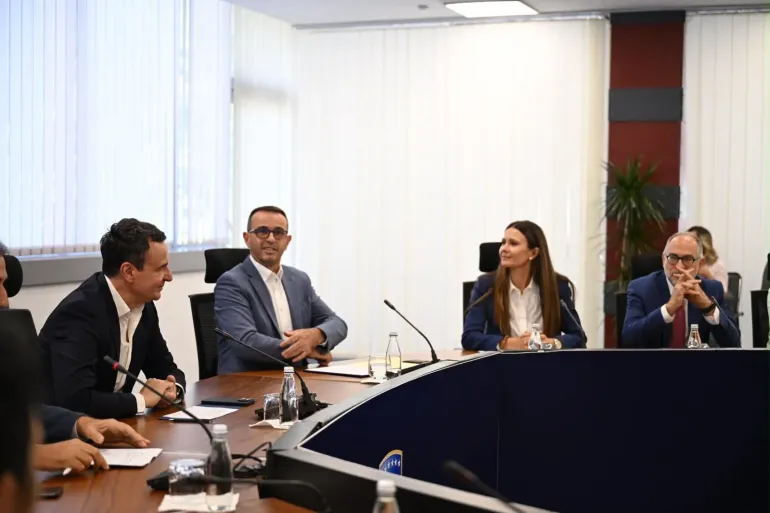
Prishtina, 12 August 2026 – On International Youth Day, UNICEF Kosovo launched the report Mapping of Mental Health and Psychosocial Support Services (MHPSS) for Children and Adolescents in Kosovo, highlighting increasing mental health challenges facing children and young people and the need for stronger, more coordinated support systems in Kosovo. The study was conducted by the Institute of Psychology at the University of Prishtina in partnership with UNICEF Kosovo and under the guidance of a Technical Committee co-chaired by the Office for Good Governance within the Office of the Prime Minister and UNICEF.
Acting Prime Minister of Kosovo Mr. Albin Kurti and Acting Minister of Sports and Youth Mr. Blerim Gashani delivered opening remarks during the report presentation emphasizing importance of investment in youth well-being alongside representatives of institutions, academia, development partners, civil society organizations and young people.
Globally, an estimated 10–20% of children and adolescents experience mental health issues, and Kosovo is not spared from this global trend. With more than 423,000 children under the age of 18 and one of the youngest populations in Europe, investing in children's mental health, resilience and well-being is essential for Kosovo’s future.
The report identifies growing concerns related to anxiety, depression, emotional distress, trauma, bullying, violence, substance use and risks linked to digital environments. One of the most urgent findings relates to suicidal ideation and attempts among 15- and 16-year-old students, which have increased markedly with self-reported suicide attempts increasing from 3.4 per cent in 2011 to 10.0 percent in 2024 among Kosovo students.
Children from vulnerable groups, including children with disabilities, children from Roma, Ashkali and Egyptian communities, and children living in poverty or rural areas, face additional barriers in accessing support services.
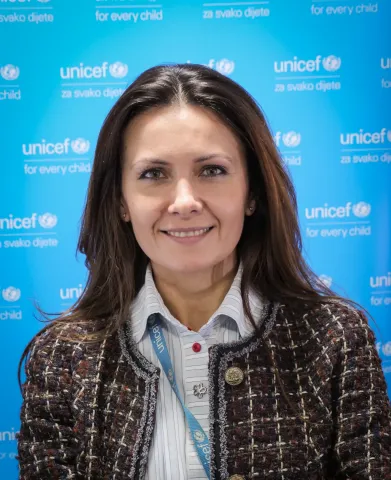
“Mental health has become one of the most pressing challenges facing children and adolescents today. We can no longer afford to treat it as a secondary issue. It must be placed at the center of our efforts to help every child survive, develop and thrive,” said Veronika Vashchenko, Head of the UNICEF office in Kosovo.
While services exist across the health, education and social protection sectors, families often experience the system as fragmented and difficult to navigate. Access to specialized public services remains concentrated in Prishtina, while many schools lack sufficient psychological support.
At the same time, the report highlights important opportunities. Kosovo has a strong child rights framework, committed professionals and active civil society organizations. Building on these strengths, the report recommends establishing a national coordination mechanism, developing a dedicated Child and Adolescent Mental Health Strategy, strengthening referral pathways, expanding school-based services, integrating mental health screening into primary healthcare and improving data and monitoring systems.
Marking International Youth Day, UNICEF Kosovo also reaffirmed its commitment to supporting young people's participation, skills development and well-being through initiatives such as Kosovo Generation Unlimited, UPSHIFT, PONDER, Podium, all 21st century skills programmes, helping young people build resilience, confidence and opportunities for the future.
European School Survey Project on Alcohol and Other Drugs (ESPAD)
Media contacts
About UNICEF
UNICEF promotes the rights and wellbeing of every child, in everything we do. Together with our partners, we work in 190 countries and territories to translate that commitment into practical action, focusing special effort on reaching the most vulnerable and excluded children, to the benefit of all children, everywhere.
For more information about UNICEF and its work for children, visit www.unicef.org.