Empowering students: Safeguarding privacy rights in today’s digital world
Why the highest standards of privacy and security has never been more critical
What if your child’s every click, search, and swipe at school was being tracked – not just by teachers but by companies halfway across the world?
This isn’t just a hypothetical. It’s happening in classrooms today, and it’s why setting and meeting the highest standards of student privacy and security has never been more critical.
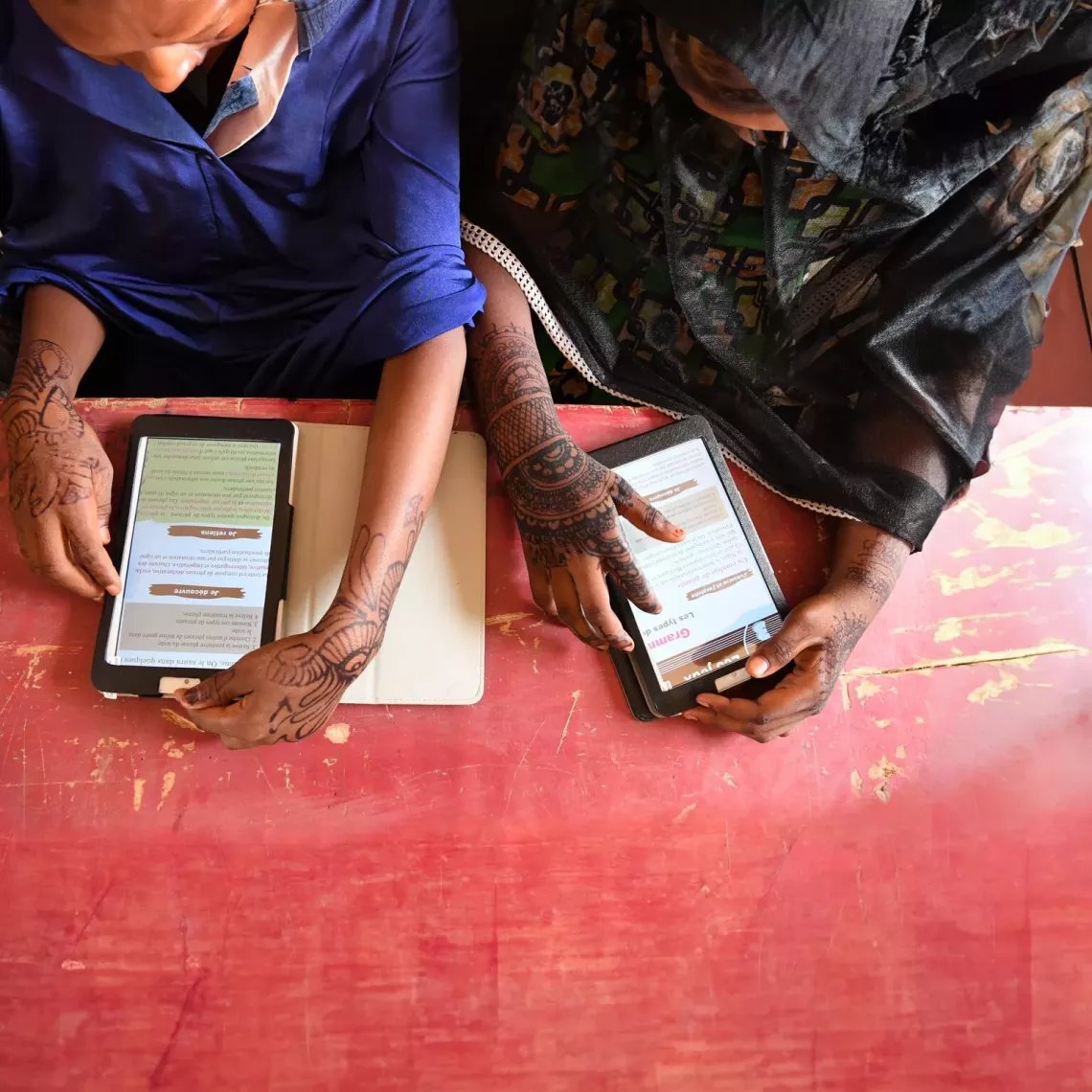
Educators use digital tools to enhance the learning experience for kids, and schools rely on online platforms to manage student data, devices, and networks. These services are often provided through third party vendors.
These technologies can boost productivity and enhance student learning, but they also raise significant privacy concerns. Some track students’ locations, monitor online activity, and share and exploit students’ personal information, often without clear consent or oversight.
A 2022 report by Human Rights Watch investigated educational technology products endorsed by 49 governments around the world for use during the COVID-19 pandemic. Their analysis of 163 products found that most of these online learning platforms put children’s privacy rights at risk by monitoring them and harvesting their data.
In January 2025, 80 school boards in Canada were affected by a cyberattack targeting PowerSchool, a company providing cloud-based software for schools. This attack has crossed jurisdictional boundaries, potentially compromising the personal information of millions of students and staff at schools in Canada, the US and other countries.
Incidents like these are a clear call to action. They emphasize the need to ensure contracts with third-party vendors include strong, regularly monitored safeguards. They also highlight the need for governments, regulators, and organizations to do more to strengthen protections for children’s data.
"A report by Human Rights Watch investigated educational technology products endorsed by governments around the world ... their analysis found that most of these online learning platforms put children’s privacy rights at risk."
In Ontario, my office has made student privacy a central focus, undertaking various initiatives to champion the access and privacy rights of children and youth. Children and Youth in a Digital World is one of four strategic priorities guiding our work.
For over a decade, my office has actively participated in the Global Privacy Assembly’s (GPA) Digital Education Working Group, which focuses on promoting privacy education and awareness through the development of tools, resources, and international collaboration. We’ve co-sponsored or co-authored all three GPA child-focused resolutions in the past decade, including an International Competency Framework on Privacy Education, e-Learning Platforms, and Children’s Digital Rights. And we are keen to see this level of international commitment continue.
Back at home, our office joined with other Canadian privacy regulators in 2023 to issue a national resolution calling on our respective governments to put the best interests of young people first by strengthening their privacy rights, including from commercial exploitation online.
Last year, we followed up with another joint resolution, urging Canadian public and private sector organizations to avoid platforms that use deceptive design practices to manipulate user behaviour.
We also actively engage with the education community here in Ontario. Last year, my office issued guidance to help schools and other public sector institutions identify privacy and access considerations when contracting with third-party vendors to ensure accountability for personal information.
As a regulator, we must do our part to ensure the proper safeguards are in place and enforce them. We can also play a role in empowering children to better understand and exercise their digital privacy rights so they can be safe and responsible digital citizens.
"Young people are experts in their own digital lives."
That’s why we worked with MediaSmarts to create classroom-ready lesson plans for grades two through eight. These lessons, now being adapted for use by teachers across our province, help students learn how to protect their personal information and make safe, informed choices online.
Young people are experts in their own digital lives. That’s why we created a Youth Advisory Council to make sure young voices are heard when it comes to decisions about their data rights. Ten exceptional young people aged 15 to 24 share their views with us on access and privacy matters affecting youth so we can be more effective in reaching this younger demographic. For example, they provided valuable input on the development of our Youth Ambassador Toolkit, which helps young people teach their peers about privacy rights.
In 2023, we introduced the Digital Privacy Charter for Ontario Schools, 12 high-level commitments intended to protect children and empower them in the digital environment. School administrators and school board officials demonstrate their commitment to prioritizing student privacy by taking the pledge and signing on in support of the charter.
All of these initiatives are informed by candid conversations we have with children, youth, researchers, academics, and educators.
The digital landscape has become an inseparable part of young people’s lives, offering boundless opportunities for learning, connecting, and having fun. Whether you’re a parent, educator, regulator, advocate, or vendor, you can help ensure that student privacy is prioritized as part of putting their best interests first.
Kids deserve to feel safe wherever they are, including online. Let’s make sure the right protections are in place to support them.
For more, visit UNICEF Innocenti's page on good governance of children's data.