From Water Carriers to Climate Leaders
A Convergent Journey to Water and Climate Resilience in Tribal Rajasthan
- English
- हिंदी
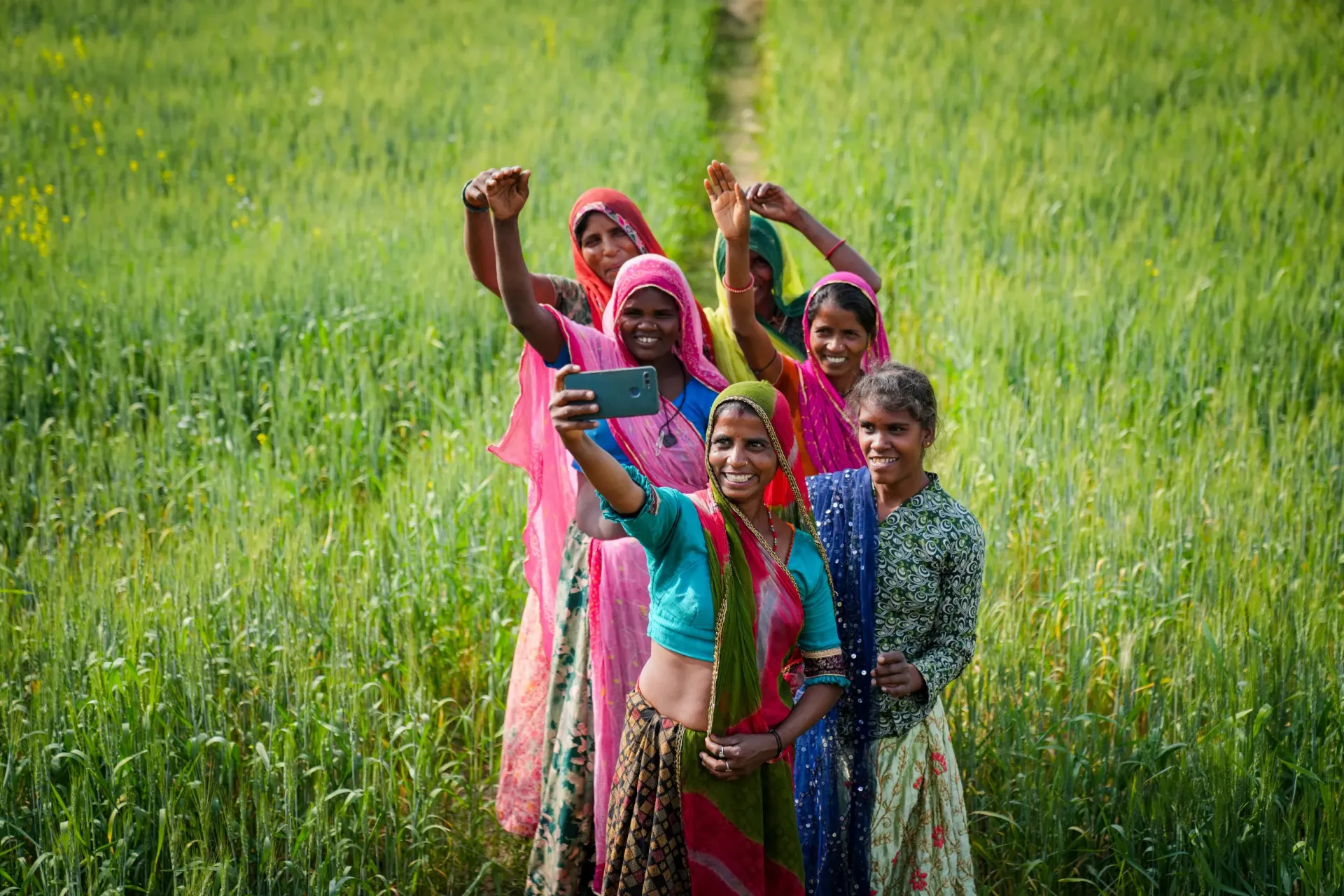
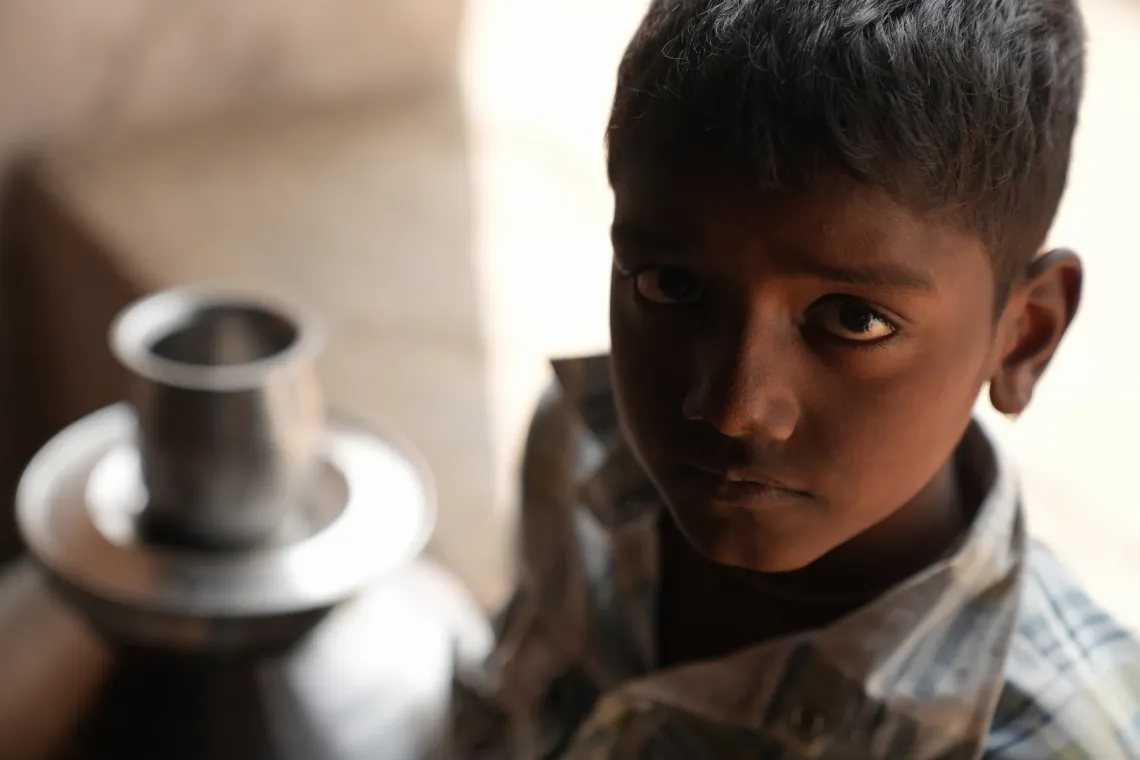
For years, they have been the first to rise and the last to rest. Walking long distances to fetch water for their families, women in the tribal hills of Udaipur, Rajasthan, carried the burden of water scarcity every single day.
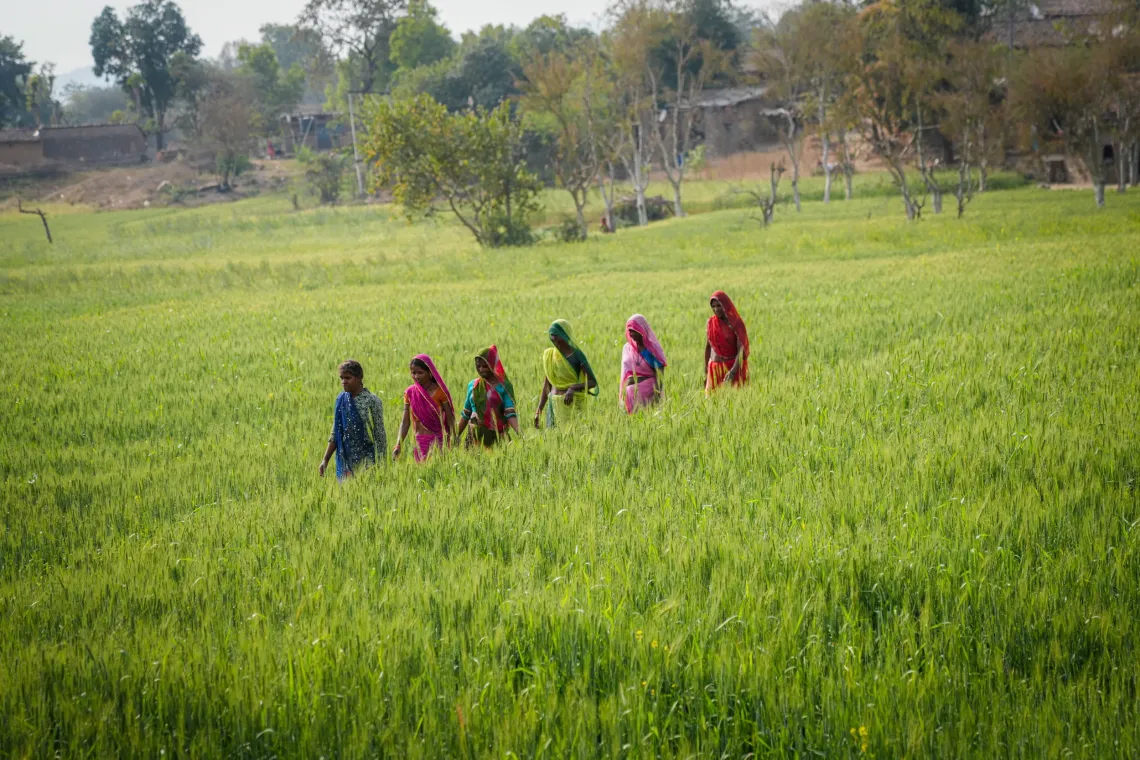
Today, however, they carry a confident smile as they pose for a selfie in their lush green fields.
Rajasthan is arid and drought-prone, facing persistent challenges of water availability and quality. In Brahmangarh and the surrounding Adol Gram Panchayat, depleting groundwater, shrinking pastures, and erratic rainfall had begun to erode livelihoods. Families struggled with water shortages, declining crop productivity, and rising food insecurity. Women and children were the most affected, as water collection consumed time, energy, and opportunity.
Change began through the convergence of flagship government programmes. Under Pradhan Mantri Krishi Sinchai Yojana (PMKSY), aligned with Mahatma Gandhi National Rural Employment Guarantee Act (MGNREGS), an integrated watershed approach was introduced to restore ecosystems and strengthen community resilience.
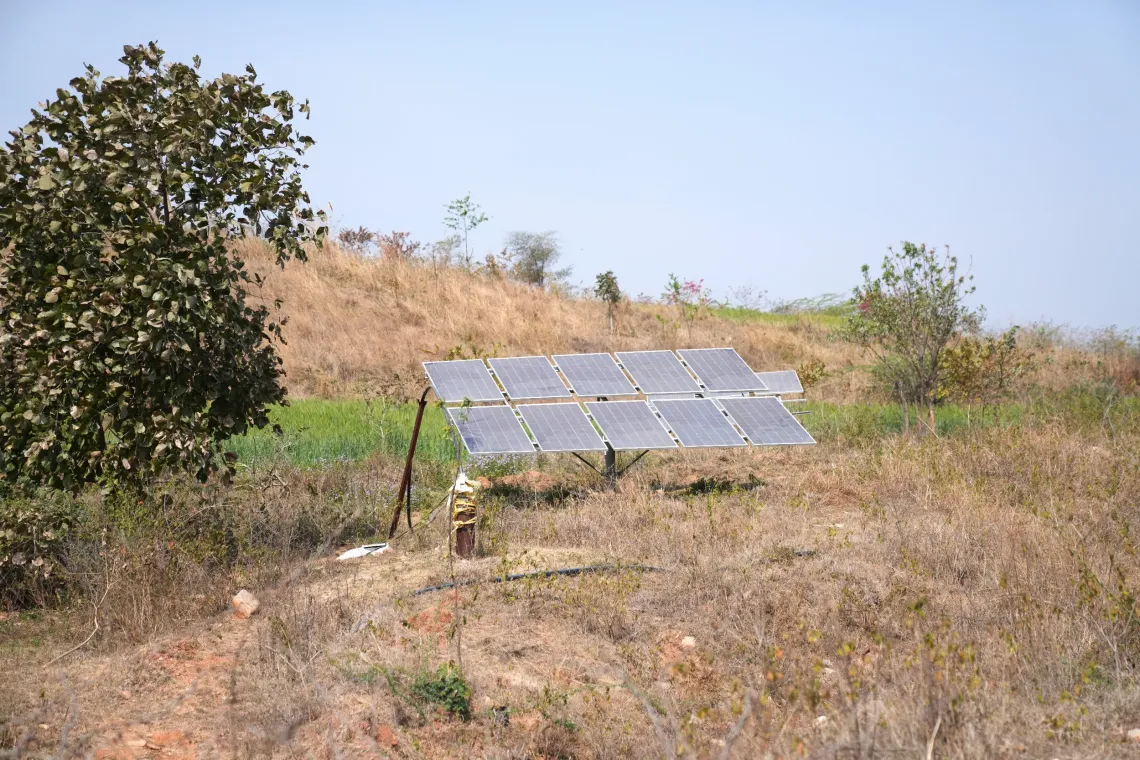
Across Adol village, 39 watershed interventions were implemented, including anicuts, mini-percolation tanks, rooftop rainwater-harvesting structures, and staggered contour trenches. Vegetative barriers regenerated pastures, while solar pumps and drip irrigation systems improved water efficiency and fodder availability. These climate-smart measures revived water sources and strengthened agricultural productivity.
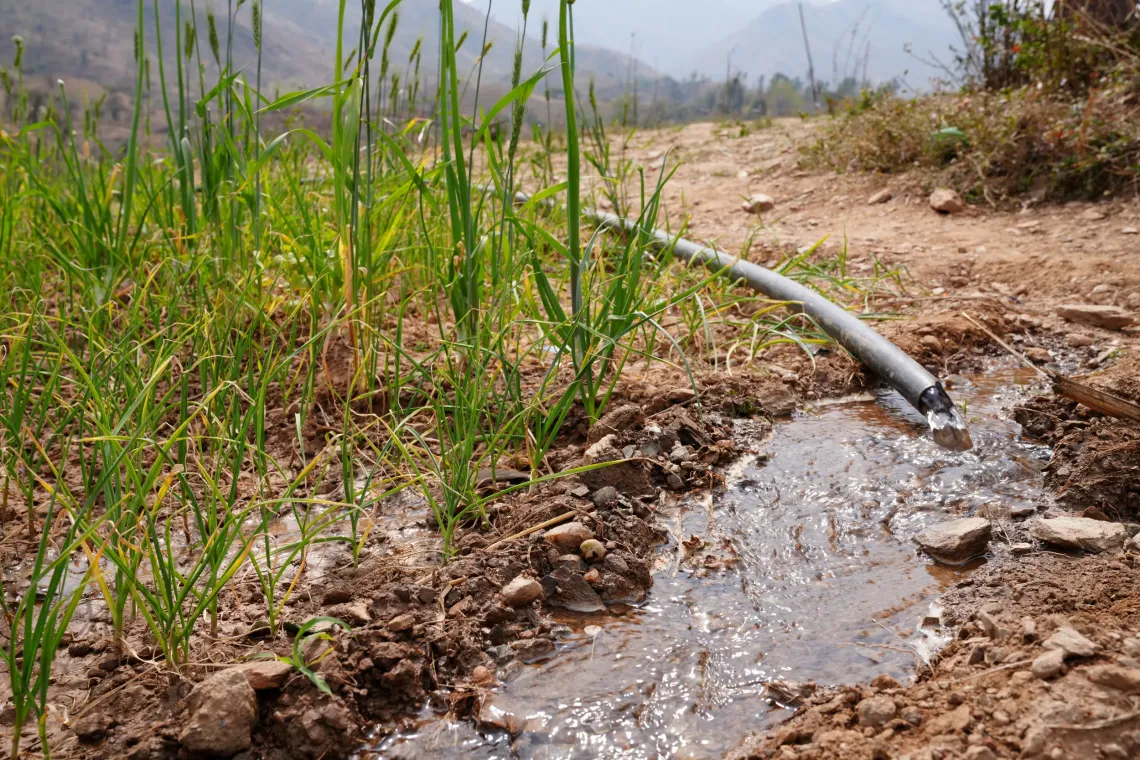
According to official data shared by the State Watershed Development and Soil Conservation Department, since implementation in 2021–22, the area has recorded an average groundwater rise of approximately 19 meters.
This significant recharge has strengthened pre-monsoon water security, expanded cropping areas, and ensured year-round domestic water availability for communities in Adol Gram Panchayat. What was once seasonal uncertainty is now sustained access.
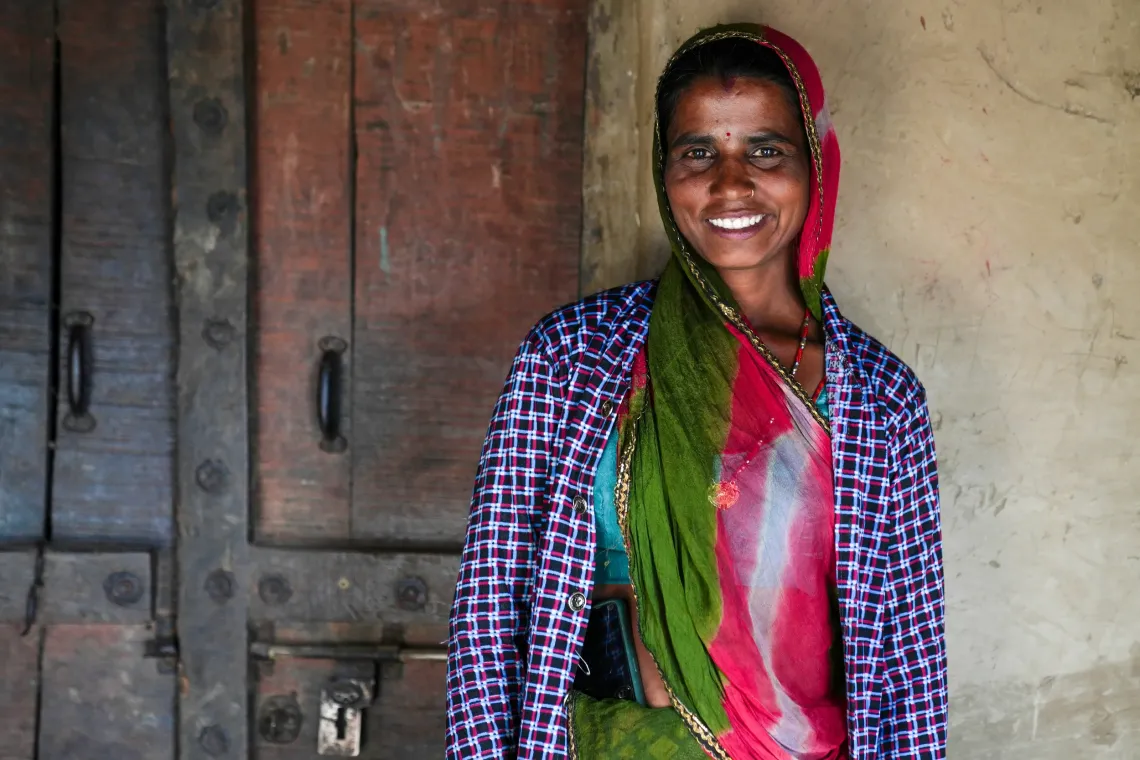
As water returned to the land, women returned to their fields with renewed purpose.
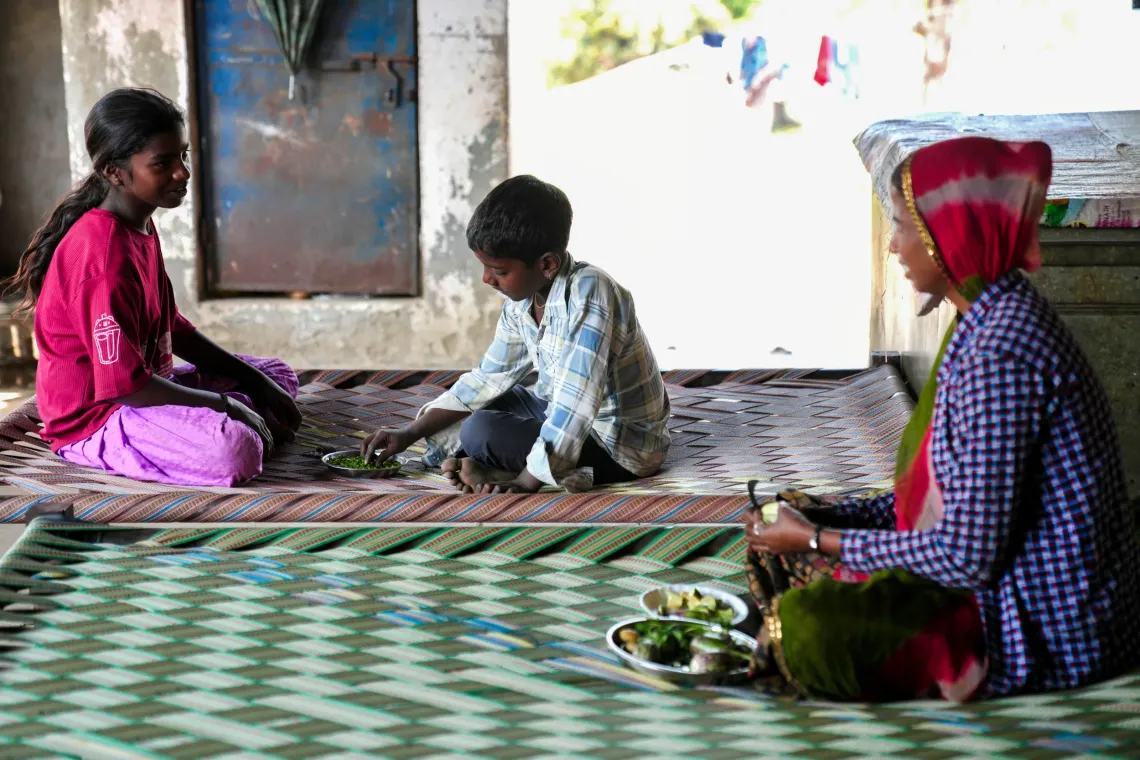
“We are seven sisters who got together at the farm when the watershed was ready. We used solar pumps to water the crops. We now grow all kinds of vegetables. Apart from generating income for us, we also carry them home to make nutritious meals for our children and families,” says Lali.
Convergence with MGNREGS created vital livelihood opportunities, particularly for women, who led pasture development and land restoration. Improved access to water and fodder strengthened livestock systems and improved household nutrition. Water security is translated directly into food security for families.
UNICEF supported the Government in documenting such powerful interventions across state and mobilizing civil society and corporate partners to scale equitable, gender-responsive and climate-resilient models in Rajasthan. Brahmangarh stands as a powerful reminder that when communities, government, and partners work together, water becomes a pathway to resilience and dignity for all.
In Brahmangarh, women are no longer defined by the distances they walk for water. They are defined by the landscapes they restore, the crops they grow, and the futures they secure for their children.
When women lead climate-resilient water solutions, every child benefits.
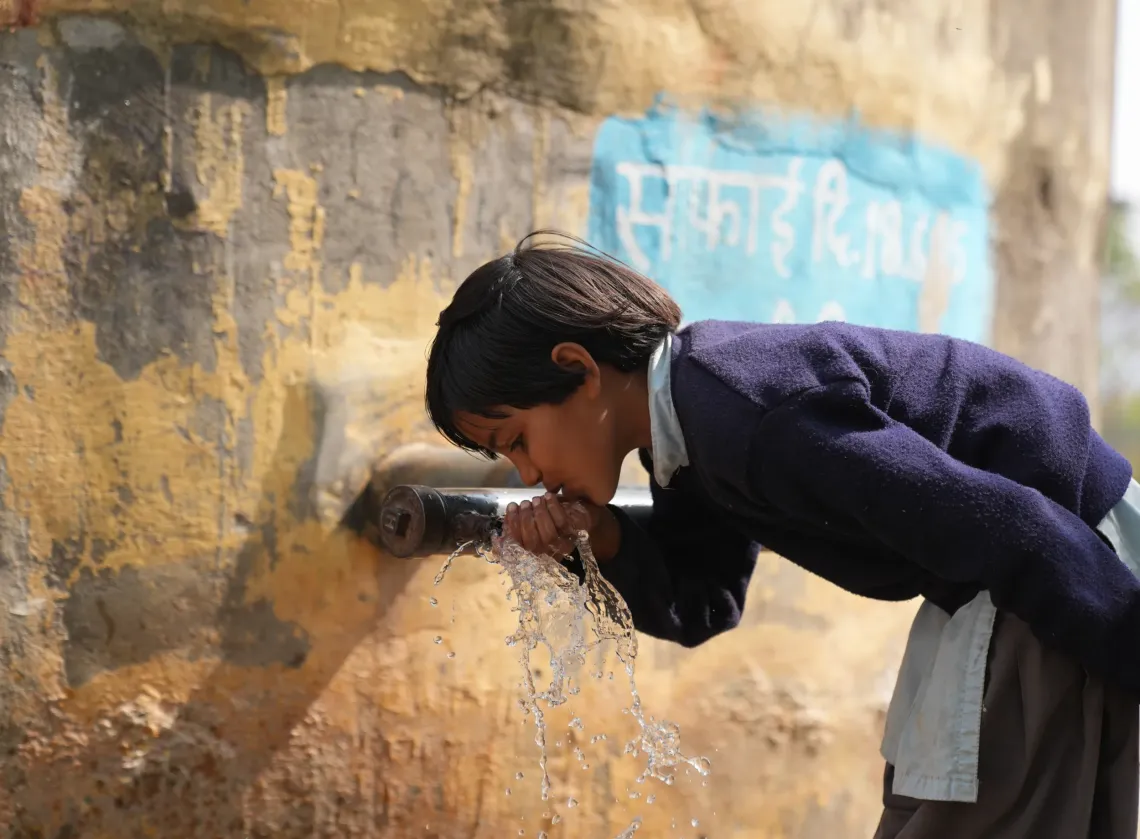
Here, the journey starts with women restoring the land. And it ends with women ensuring that water flows not just to fields and homes, but to the future of every child.