Special Diets for Special Times
Why Adolescent Girls, Pregnant Women, and Nursing Mothers Need More Nutrition
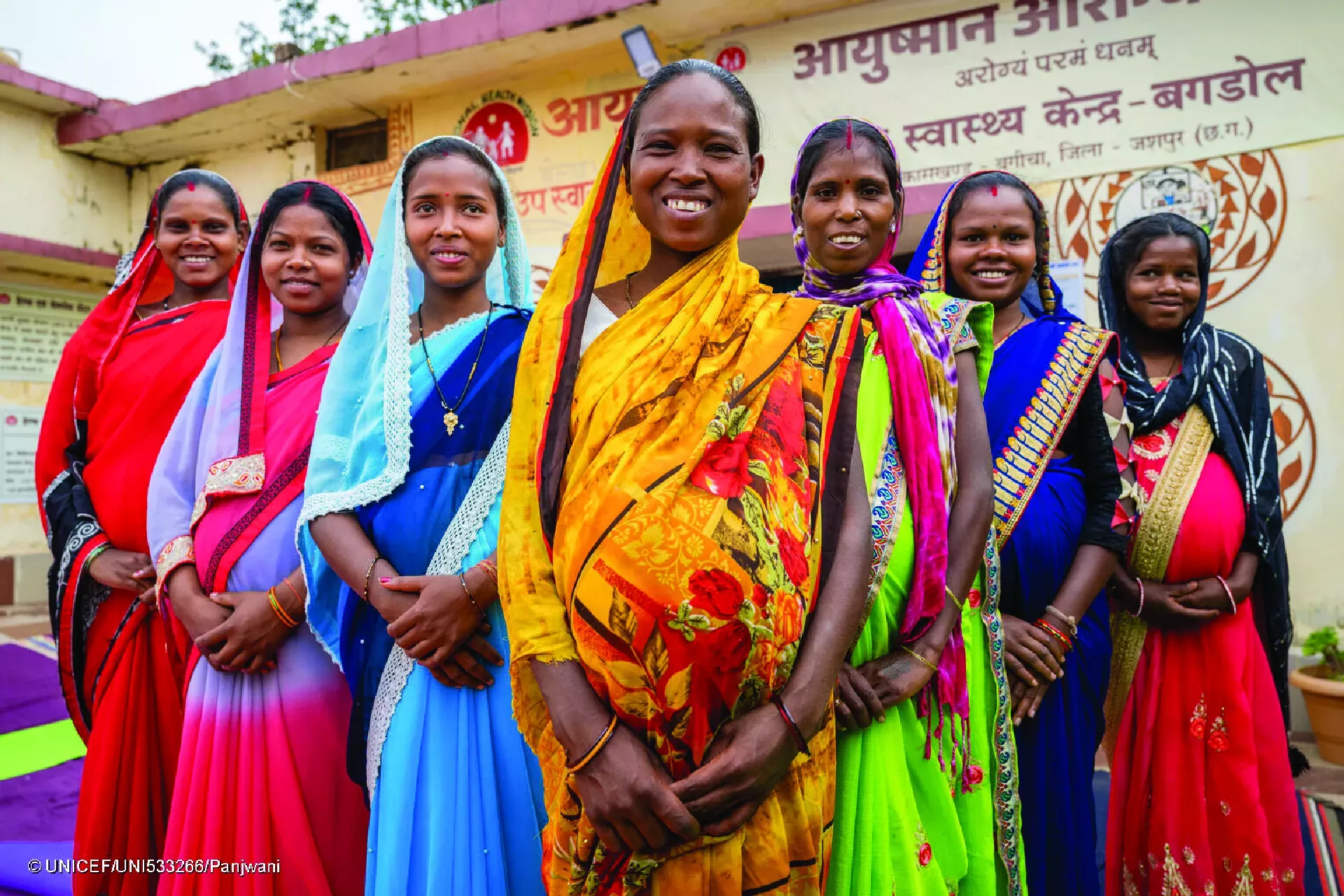
- English
- हिंदी
Extra Meals for Extra Strength
Food is a basic right — yet not everyone gets an equal share at the table. In many Indian households, women and girls often eat after everyone else, receiving less food and poorer portions. This “last and least” practice, shaped by social norms, time poverty, and unequal decision-making power, silently limits their access to the very nutrition they need most.
The third brief in UNICEF India’s Advocacy for Healthy Diets series sheds light on this inequity, drawing on evidence from IHDS, NFHS, CNNS, and other studies. It shows how these mealtime traditions create a persistent gap in diet quality that undermines women’s health and reduces the impact of nutrition programmes. The result? Adolescent girls enter adulthood undernourished, pregnancies become riskier, and mothers struggle to recover after childbirth or nourish their babies.
Yet the solution is surprisingly simple: recognising these household dynamics and ensuring women and girls get the food they need, when they need it. Nutrition experts recommend adding one extra healthy breakfast and one nutritious snack to the regular meals of lunch and dinner. This small step ensures adolescent girls, pregnant women, and nursing mothers receive both the quantity and quality of nutrition required at critical life stages.

“Two extra meals a day — one breakfast and one snack — can make all the difference for healthy mothers, stronger babies, and a brighter future.”
Why These Stages Matter
During adolescence, the body undergoes a rapid growth spurt, requiring more calories, protein, and micronutrients such as iron and calcium. For pregnant women, nutritional demands increase further to support maternal health and foetal development. Nursing mothers, meanwhile, require extra energy and nutrients to produce breastmilk — the most vital food for their babies.
But these heightened needs clash with social realities: women and girls often lack the decision-making power, time, or access to ensure they are prioritised at mealtimes. Unless families, schools, workplaces, and frontline programmes actively address these gaps, the cycle of malnutrition will persist across generations.
What Should These Extra Meals Look Like?
The additional meals must be nutrient-dense, diverse, and locally available — not calorie-heavy junk foods. A healthy breakfast might include fortified cereals, legumes, dairy, or eggs, while a snack could consist of fruits, nuts, yoghurt, or whole grains. Seasonal produce adds freshness, affordability, and variety.
Iron-rich pulses and greens help prevent anemia, calcium from dairy supports bone health, and fibre from fruits and vegetables keeps energy steady. For adolescents, such meals aid concentration and reduce unhealthy cravings, while for mothers, they safeguard both maternal and child health.
Nutrition Is a Right, Not a Privilege... Ensuring proper nutrition during adolescence, pregnancy, and lactation is not just about health — it is about equity and rights. Access to balanced diets, supportive family habits, and inclusive nutrition programming should be treated as non-negotiable.
The UNICEF brief outlines practical strategies: strengthening women’s decision-making power at home, reducing time poverty through supportive services, promoting equitable food habits, and building stronger monitoring systems. Together, these steps can help dismantle the barriers that keep women and girls eating “last and least.”
“Two extra meals a day — a wholesome breakfast and a nourishing snack — can help prevent anemia, support healthy pregnancies, and secure brighter futures for the next generation.”
“Nutrition is more than food — it’s opportunity. A malnourished girl often becomes a malnourished mother, passing on poor health to her child. But with better diets, girls and women thrive, becoming healthier, stronger, and more productive members of society.”
Ensuring proper nutrition during these life stages is also a matter of equity. Access to balanced diets, safe health services, and awareness about healthy eating must be treated as basic rights, not privileges.
"Investing in women’s and girls’ nutrition today is investing in a healthier, more resilient tomorrow."
A Simple Step, A Lasting Impact
Adding an extra breakfast and snack may seem like a minor adjustment, but it carries life-changing benefits. It strengthens adolescent girls during vulnerable years, reduces the risk of anemia, safeguards pregnancies, and helps nursing mothers sustain the energy needed to nourish their babies.
When families share meals equally and nutrition programmes account for women’s realities, we not only improve health outcomes but also uplift dignity, opportunity, and equity.
“Two extra meals a day can protect adolescent girls, safeguard pregnancies, and give nursing mothers the strength to nourish their babies.”