Lighting the way: How rural women are redefining leadership
Empowering women at the forefront of water, sanitation, and hygiene in Jharkhand
- English
- हिंदी
In the pre-dawn hush of West Singhbhum's forests, long before sunlight pierced the thick canopy of Sal and Mahua trees, village life would quietly stir in this tribal district of Jharkhand.
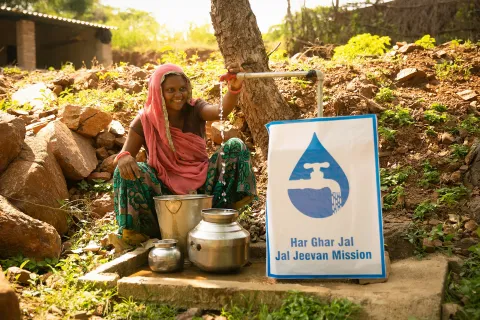
Women lined up around the lone hand pump, shadows flickering through the morning mist. The creak of metal, the murmur of voices, these were the sounds of survival. This water sustained entire families for the day.
During blistering summers, when the pump ran dry, the journey grew longer and more perilous. For sanitation, the stakes were even higher. With no household toilets, women ventured into the forest for open defecation, compromising their safety and dignity.
This was once daily reality across West Singhbhum, where water and sanitation were women's responsibility, yet never their domain of decision-making.
But that has changed
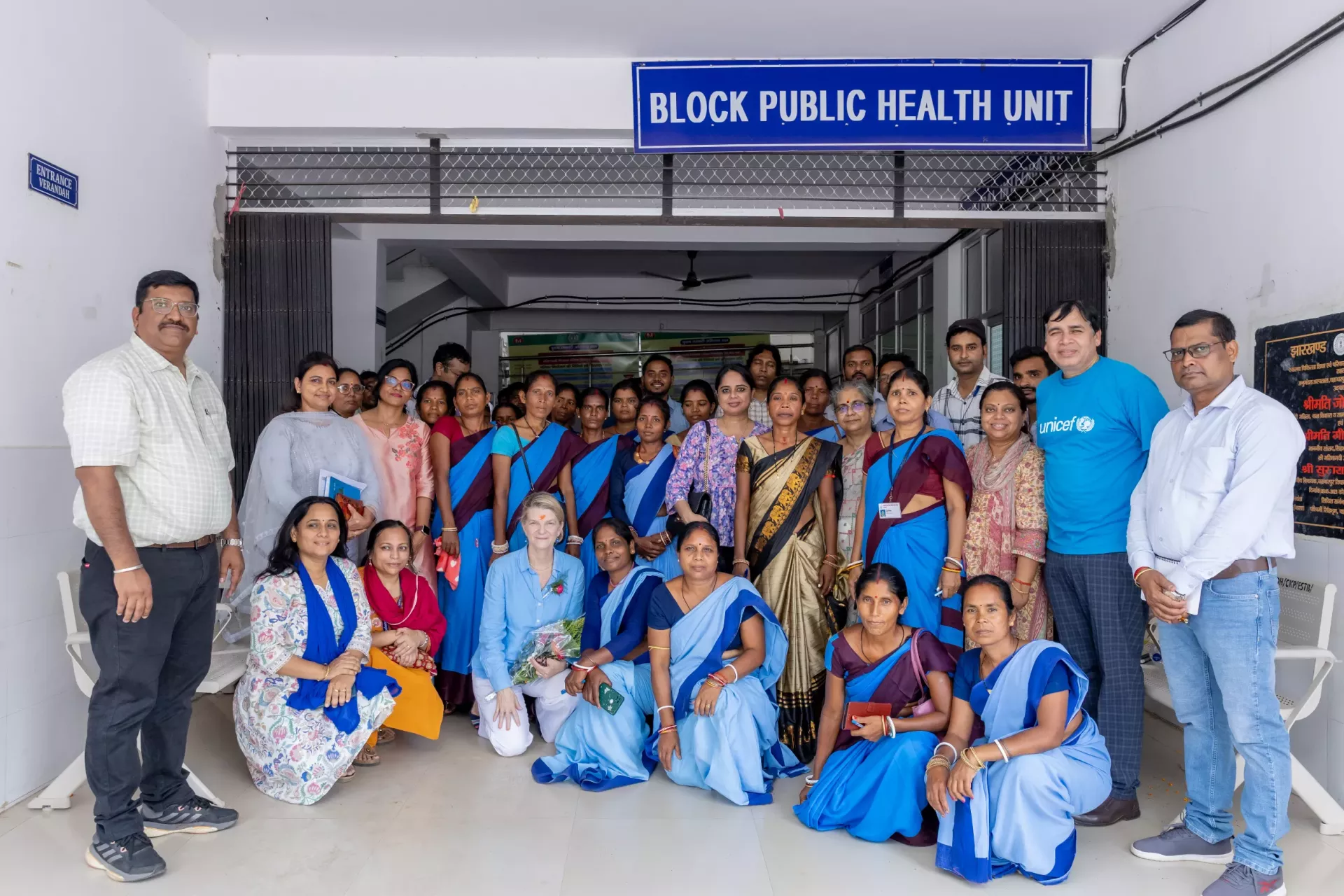
In a landmark move, the Government of Jharkhand created a unique grassroots role - the Jal Sahiya - to place many tribal women at the forefront of water, sanitation, and hygiene (WASH) efforts.
Supported by the Drinking Water and Sanitation Department and UNICEF, more than 29,000 Jal Sahiyas now operate across the state. They aren’t just delivering services; they are reshaping systems and social norms and changing behaviours in their communities.
One such leader is Sita Sardar, a tribal lady turned Mukhiya from Ulidih village in Tantnagar block.
At a bustling community meeting, Sita, affectionately known as Sita Didi, stood surrounded by women, guiding discussions with warmth and quiet authority. Her journey began when she became Ulidih’s Jal Sahiya.
She soon formed the Village Water and Sanitation Committee, oversaw the construction of over 350 toilets, and helped declare the village Open-Defecation-Free.
Sita didn’t stop at infrastructure. She led awareness campaigns on menstrual hygiene, handwashing, and sanitation, often facing resistance. But her persistence built trust and change followed.
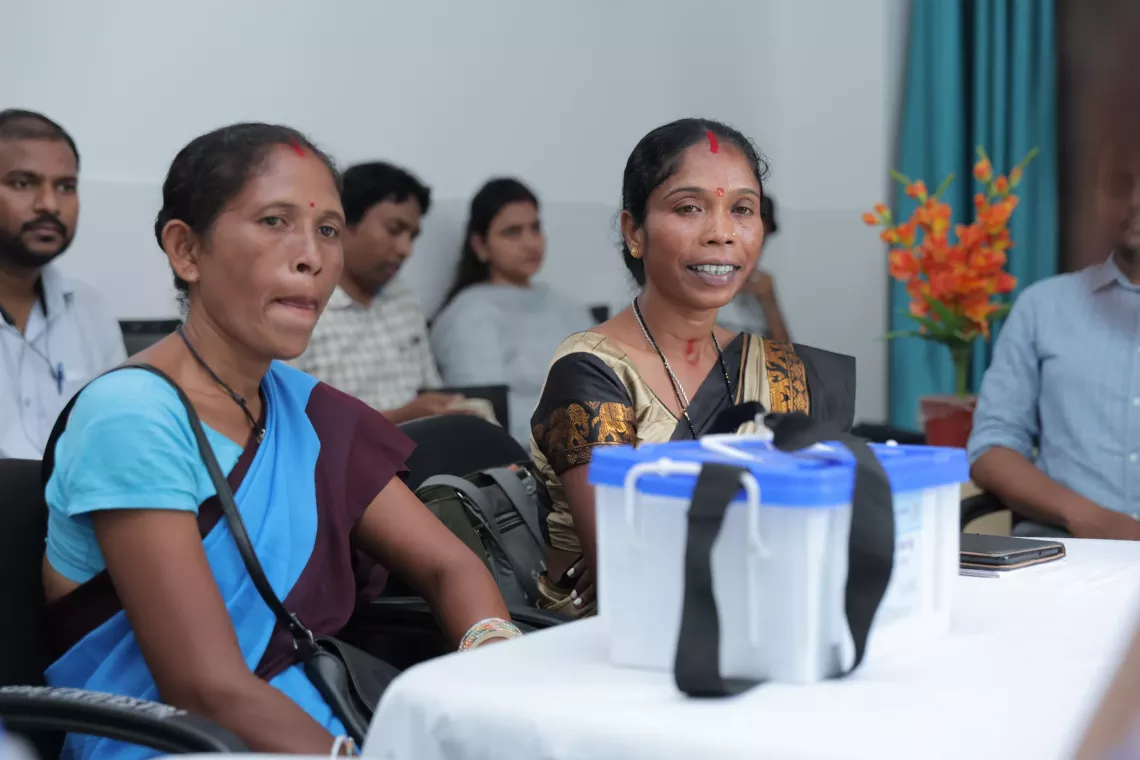
With the launch of the Jal Jeevan Mission, her role deepened. She mobilised the community, helped craft the Village Action Plan, and introduced systems for water quality testing and greywater management.
Today, every household in Ulidih receives water and understands its value.
In 2022, backed by her community and family, Sita contested and won the Gram Panchayat (village level) elections. Now as Mukhia, she uses panchayat funds to build WASH facilities in schools, install sanitary pad incinerators, and lead menstrual hygiene campaigns. Her work ensures that girls grow up with both knowledge and dignity.
Sita’s story reflects a broader shift - from invisible labour to visible leadership. Her transformation has inspired others. “If she can do it, why not us?” said one woman at the meeting
A testament to the ripple effect of grassroots representation.
Jharkhand remains the only Indian state with a structured, government-backed female WASH workforce. These women, once water carriers, are now change-makers. The forest that once echoed with footsteps at dawn now resonates with leadership and hope.
And in the quiet strength of women like Sita Sardar, a more equitable and resilient future is taking shape.
UNICEF developed capacity-building plans and continually provided input to Jal Sahiyas on various components. Based on UNICEF’s advocacy, the incentive pattern has been approved by the Government of Jharkhand. Jharkhand is the only state in the country where a frontline women's cadre, like Jal Sahiya, has been set up with proper funding from the state budget.