Home Cooked and Heart Healthy: Why Junk Food
From farm to table, eat a rainbow of fresh, local, and seasonal foods for a stronger body and sharper mind
- English
- हिंदी
Ditch the Junk, Embrace the Rainbow
From school tiffins to family meals, junk food is quickly becoming the new normal. Ultra-processed foods (UPFs) and high fat, salt, and sugar (HFSS) items — often aggressively marketed and widely available — are replacing traditional, balanced diets across age groups.
The fourth brief in UNICEF India’s Advocacy for Healthy Diets series shows how this shift contributes to overweight, obesity, and the early onset of non-communicable diseases (NCDs) like hypertension, diabetes, and heart ailments.

“A healthy plate is painted with nature’s colours — not packaged in silver foil.”
In today’s fast-paced world, packaged snacks and sugary drinks may feel like quick fixes, but they are silent health saboteurs. In fact, HFSS foods are directly linked to more than 56% of NCDs in India. As eating patterns change and unhealthy options become “normalized,” the stakes for health, well-being, and dietary diversity grow ever higher.
But the solution starts closer to home than we think. Swapping junk food for fresh, home-cooked meals made from seasonal, local produce doesn’t just reduce disease risk — it boosts immunity, energy, and lifelong vitality. Each plate can be a canvas of natural colours: the rainbow diet of fruits, vegetables, pulses, and grains that supports both health and local farmers.
The Power of Eating Local and Seasonal
“Local, seasonal produce is fresher, more nutritious, and often more affordable. Eating with the seasons boosts flavour and health while supporting community food systems and reducing reliance on processed foods.”
Consider making a “rainbow plate” daily by including a variety of food groups such as fruits, vegetables, grains, and pulses.
Why It’s for Everyone, Every Day
Across all ages, a balanced diet should include:
- A diverse mix of food groups daily.
- Locally sourced and seasonal produce.
- Zero ultra-processed foods and no HFSS items.
Avoiding junk food doesn’t just protect against disease — it sharpens brain function, stabilises energy levels, and supports emotional well-being. Every meal is a chance to nourish the body and mind, so make it count.
Shaping Food Environments for Health
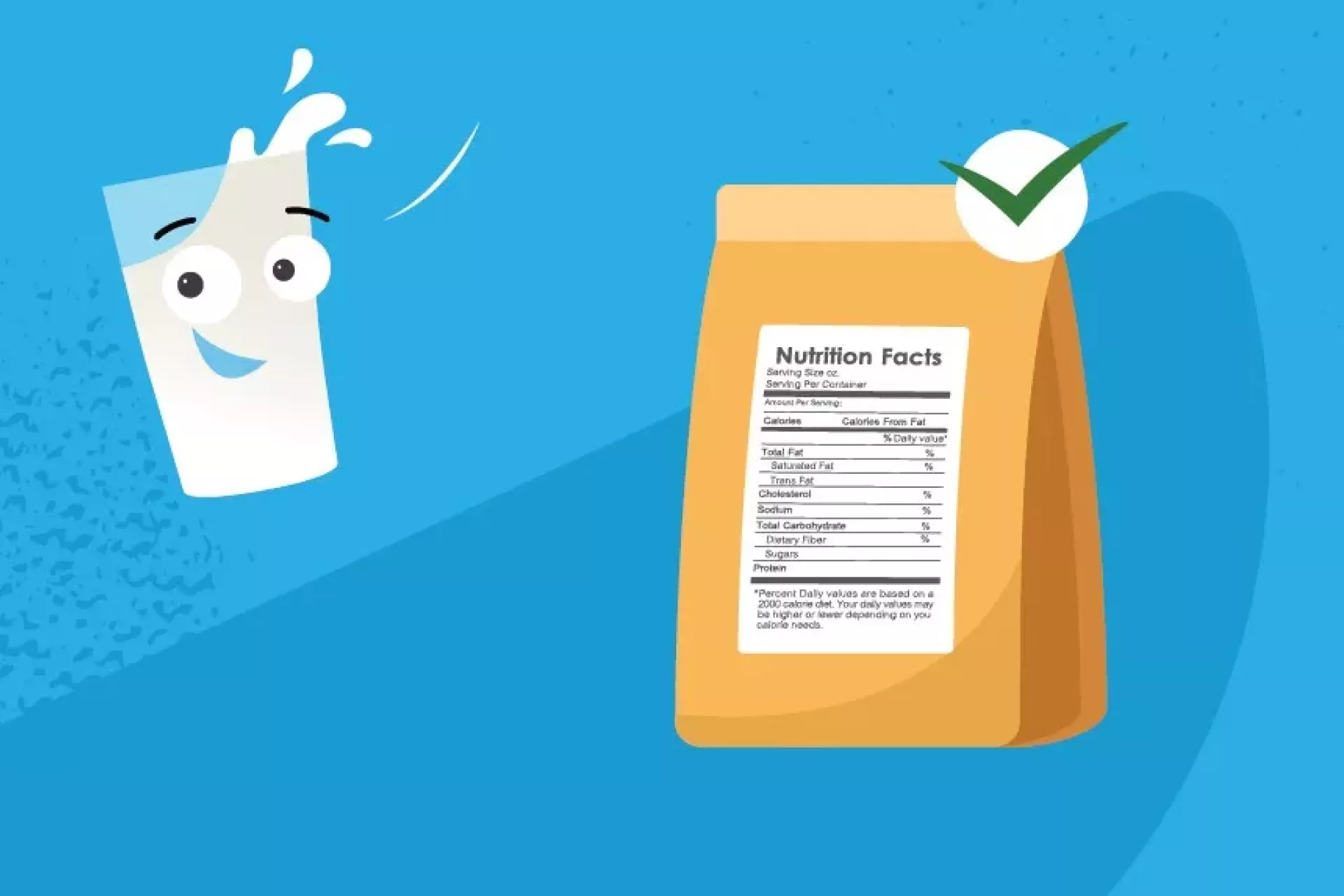
Curbing junk food consumption requires more than individual willpower. The UNICEF brief outlines a clear action agenda: stronger front-of-pack labelling, stricter regulation of marketing to children, healthier school food environments, and fiscal policies that discourage unhealthy choices.
Alongside these, family-level shifts, community awareness campaigns, and renewed focus on home-cooked, seasonal meals can collectively build healthier food systems.
The Takeaway... Your health is shaped as much by what you avoid as by what you choose. By curbing the rise of junk food and reclaiming the tradition of local, seasonal, home-cooked meals, we secure stronger bodies, sharper minds, and a healthier future for generations.
Choose fresh — Choose colourful — Choose local!
My Friends...
This processed junk food may be cheap,
But it is not more important than your health!
Junk food alert!
“More oil, salt, and sugar bring illness, not strength and cost you your health and your wallet.”