Benefits of Breastfeeding
Breastmilk: Nature’s First Vaccine and Complete Nutrition for Newborns
- English
- हिंदी
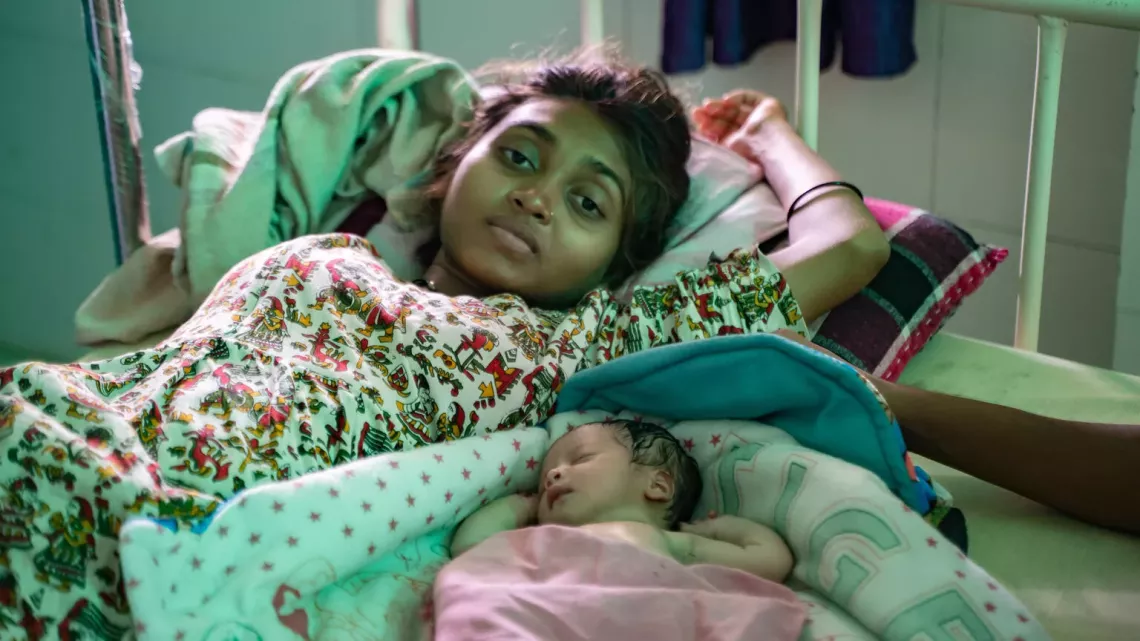
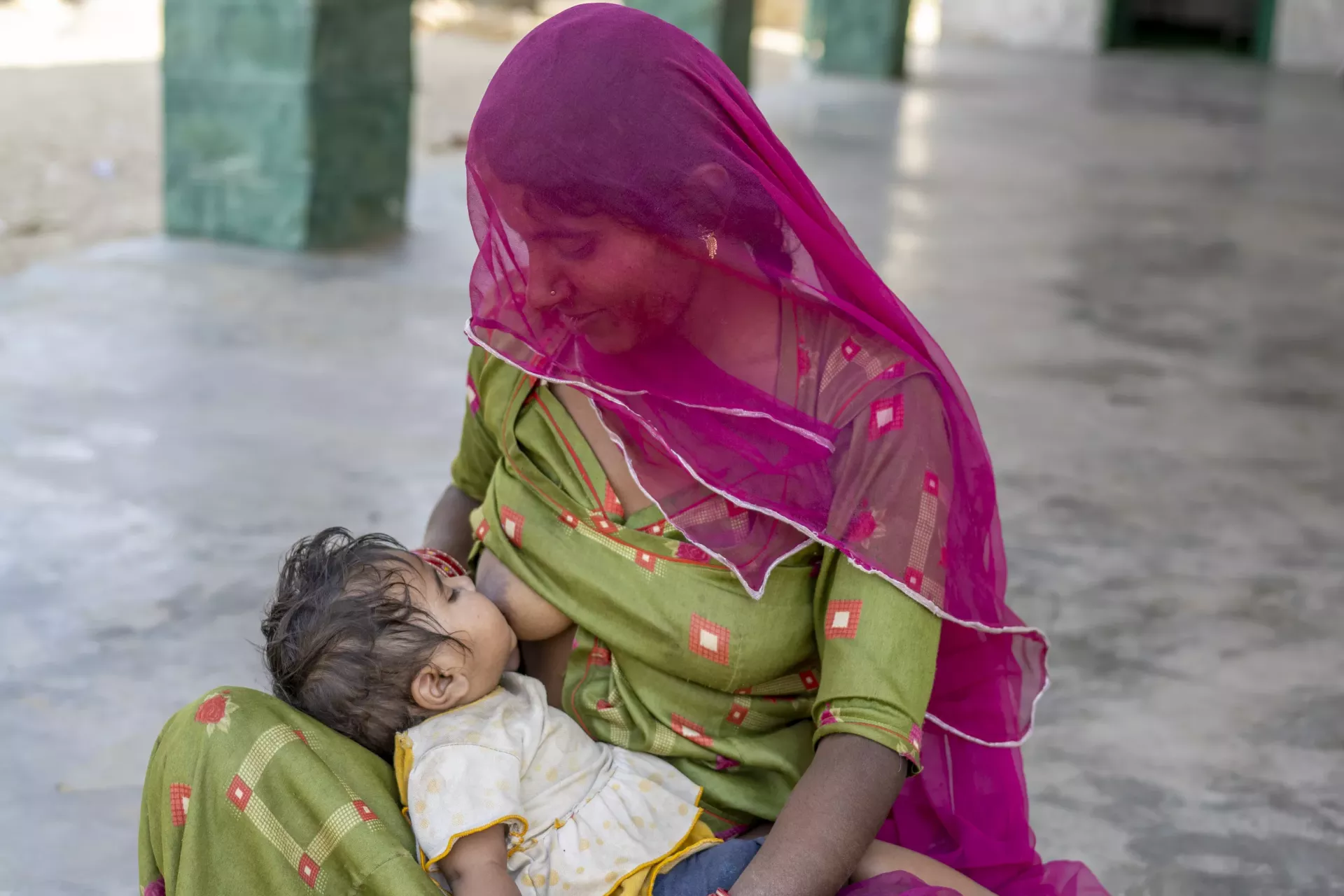
Early initiation of breastfeeding—placing the newborn to the breast within the first hour of life—is crucial for newborn survival and helps establish successful breastfeeding in the long term. This early bonding also supports the baby’s immune system from the very beginning.
Breastfeeding is essential for the survival, growth, and healthy development of children. Exclusive breastfeeding for the first six months—meaning the baby receives only breastmilk, with no other food or liquid, not even water—ensures optimal nutrition and supports proper physical and cognitive development.
Read More
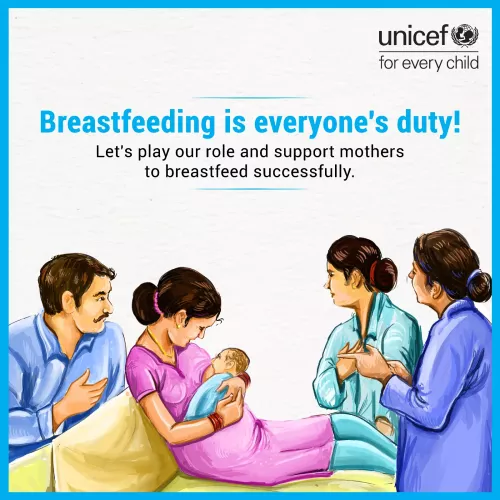
UNICEF and WHO recommend that infants be breastfed within 1 hour of birth, and exclusively breastfed in their first six months of life (with no other foods and liquids provided). After six months of age, babies should begin eating home-cooked and nutritious semi-solid foods, ensuring adequate diversity (of food groups), frequency and age-appropriate quantity, while continuing to breastfeed till 2 years of age or beyond. Focusing on complementary feeding is essential to ensure your child can gradually move to solid and diverse food consumption.
Breastmilk is a complete source of nourishment, providing all the energy and nutrients an infant needs in the early months. It continues to meet a significant portion of a child’s nutritional needs even beyond six months—up to half during the latter half of the first year, and up to one-third during the second year of life.
In addition to nutrition, breastmilk contains vital antibodies that protect infants from common childhood illnesses and infections. It is a safe, natural, and sustainable source of nourishment that promotes both short- and long-term health for children.
Exclusive Breastfeeding
Nourishment and protection for your child from the start:
Start with the first #healthydiet for your baby.
- Breastmilk is the safest, purest and most natural food that provides essential nutrition to the child.
- Colostrum, rich in antibodies, is the first natural immunization for the child, protecting from disease and death.
- Breastfeeding within the first hour of birth protects the child and increases their chances of survival by 14 times.
- Providing any feed other than breastmilk (even water, honey, or ghutti) can delay and disrupt the production of the mother's milk and also pose a risk of infection to the child.
- Breastmilk, a potent medicine tailored to each child, protects against illnesses like ear infections, diarrhoea, and pneumonia.
- Breastfeeding not only protects the child from hypothermia through the mother's body heat but also strengthens the bond between the mother and child.
The first hour of birth is the golden hour for newborns' growth, development, and survival.
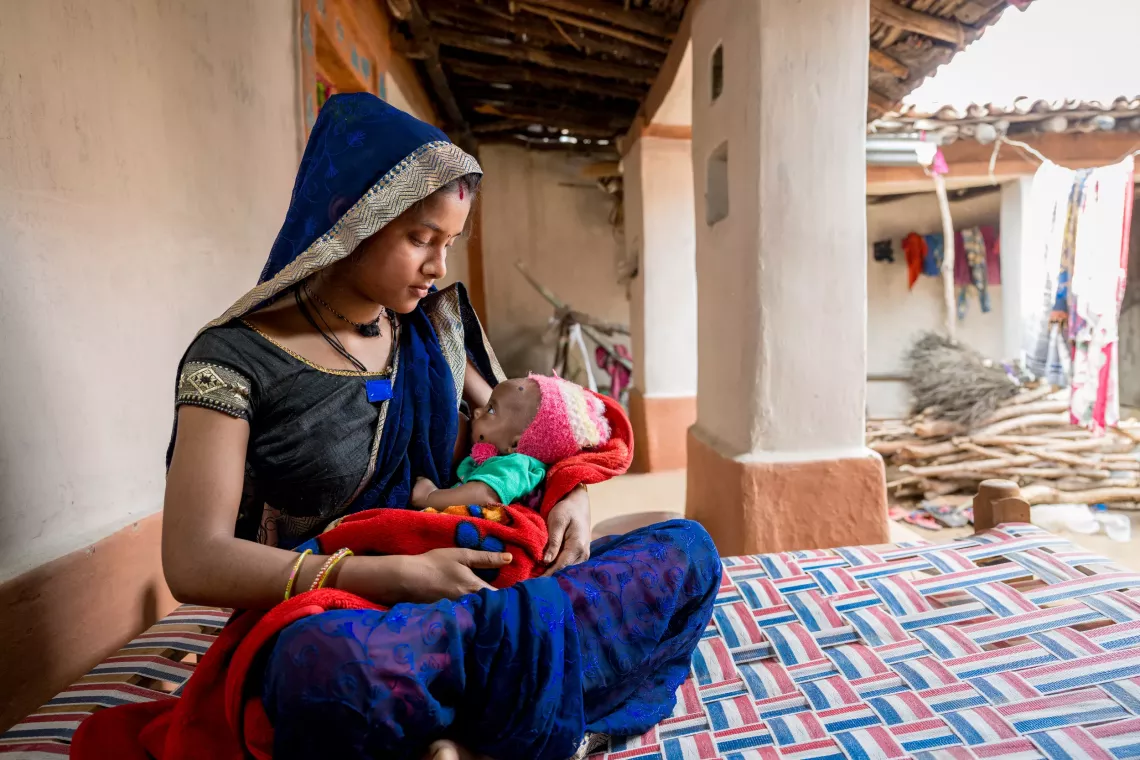
More than just food for babies, breastmilk is a potent medicine for disease prevention. That is tailored to the needs of each child.
Breastmilk contains nutrients that support healthy brain development and cognitive functions. Rich in protein, sugar, iron, calcium, and vitamins, mother's milk is the complete food for a child for the first six months.
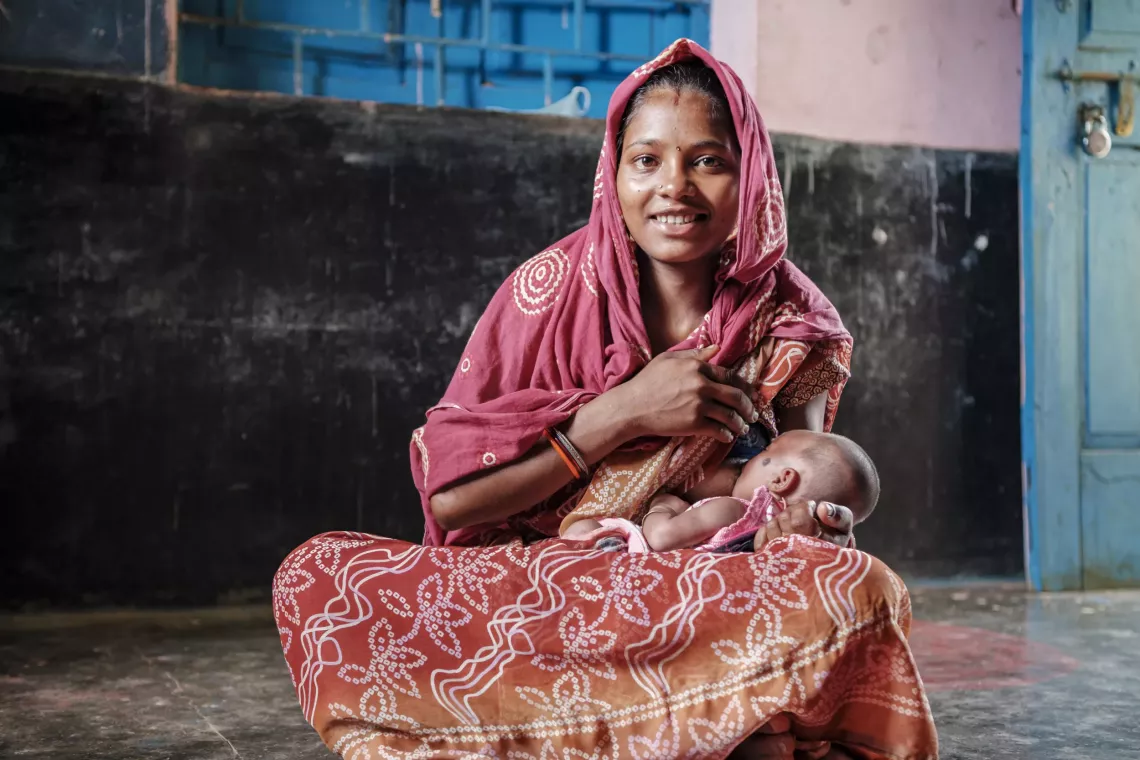
The first milk, colostrum, which is rich in antibodies, is the first natural vaccine, protecting the child from infections.
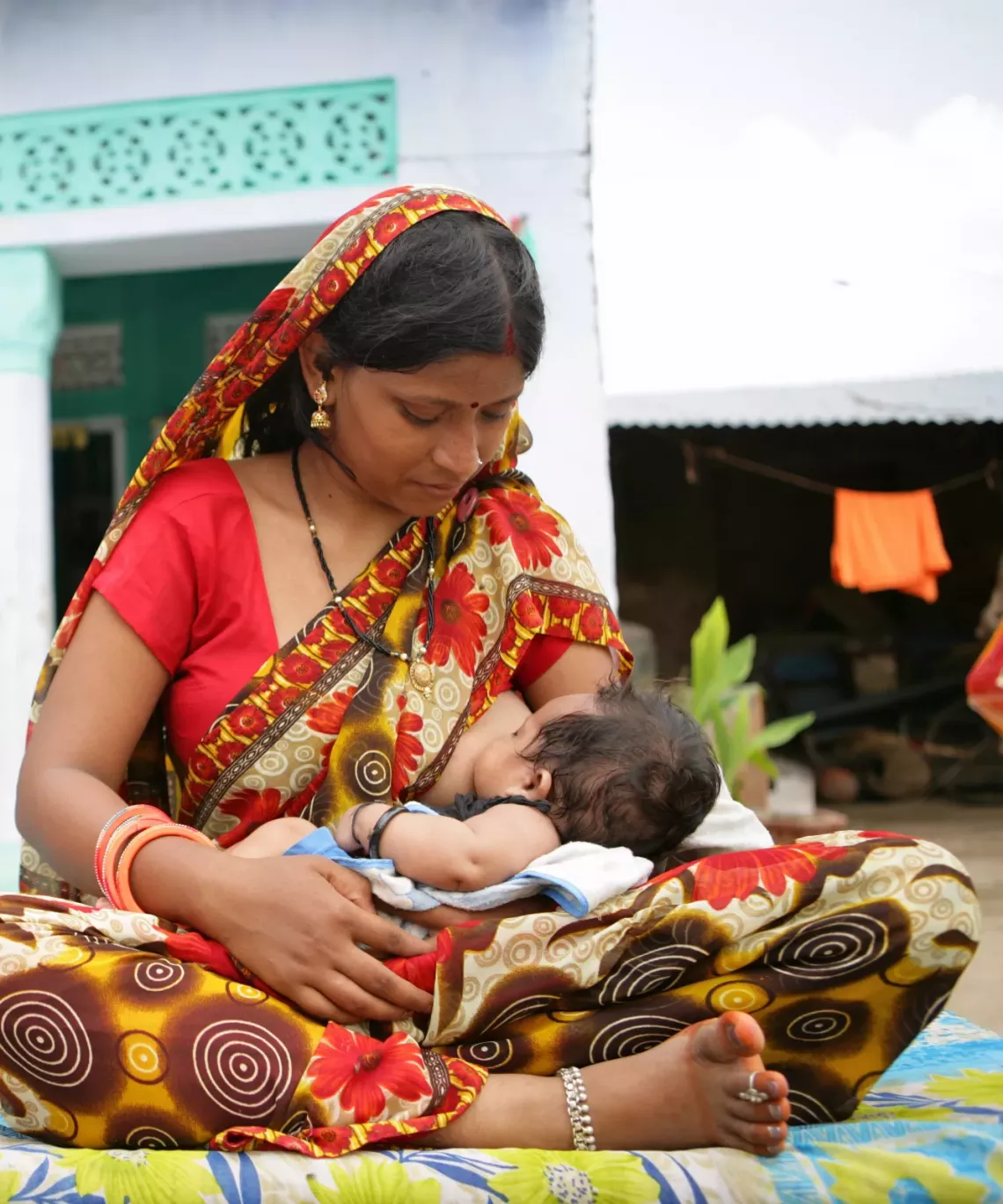
Breastfeeding within the first hour increases the chances of successful breastfeeding as babies are alert, ready to learn, and their reflexes are strong.
Immediate skin-to-skin contact helps regulate newborns' body temperature and exposes them to beneficial bacteria, which helps in building their immune systems.