Hey, want to hear a story that would make you question your day-to-day habits, rethink your routines, and change your perspective on sustainable consumption?
Once upon a time, there were two young adults named Rhea and Gia. Rhea lives in the bustling metropolitan city that lies in the heart of urban chaos, while Gia dwells in the quieter suburbs located miles away from that metropolitan city.
Despite living a fast-paced life, Rhea tried to remain mindful of the choices she made in her day-to-day life, like starting her day by drinking water from a copper glass passed on to her by her grandma, carrying her own steel tumbler for having her favourite dark roast and dabba (tiffin box) to minimise waste.
She walks to the market rather than taking cabs or autos, and even switches to a plant-based diet whenever she is home on weekends.
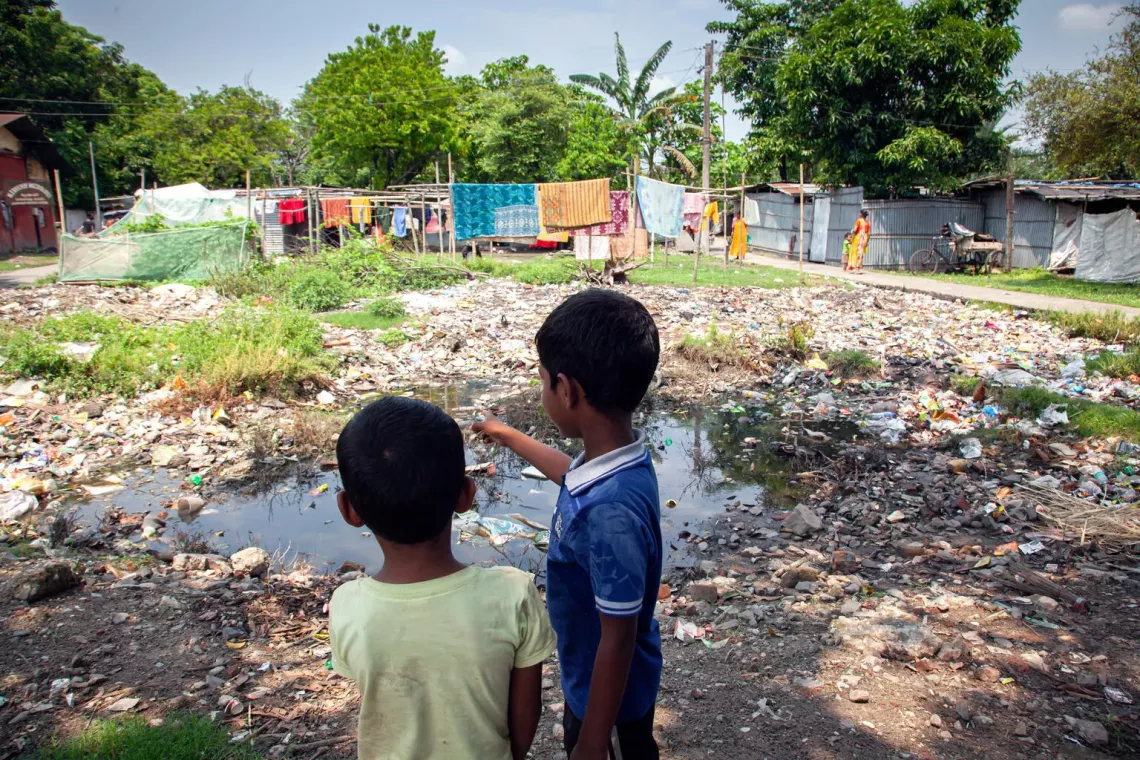
Whereas Gia had spent most of her lifetime in a suburban town that still had luscious greenery and was thankfully blessed with “wealth of trees” (Phew, what a sigh of relief). But while growing up, Gia was always swayed away by the trends and was so fascinated by the world of social media.
As she grew up into this young adult, you’d find her room full of cute home décor made from cheap plastics rather than ceramics and her big viral sipper (that apparently was a must buy as per the internet) beside her bed.
She buys every trending outfit, every piece of clothing from websites that sell fast fashion outfits made from microplastic and cheap fabric and relies mainly on shortcuts, whether it be instant foods and beverages, packaged items, mindless purchases, and collecting countless internet-proclaimed aesthetic articles that maximise the plastic waste around her.
Her diet consisted of instant foods and beverages, and she frequently purchased packaged items without much consideration.
While Rhea made sustainability look simple, Gia’s lifestyle revealed how modern trends and emotional marketing can drive overconsumption. It wasn't just a matter of convenience;
It was about seeking dopamine, comfort, and validation through material things. This contrast isn’t about shaming one or glorifying the other; rather, it highlights an important truth!
Sustainability is not a luxury, nor is it restricted to people living in rural or slower-paced environments. It is a mindset. A commitment. A conscious choice.
Rhea’s story debunks the myth that sustainability is hard to practice in big cities. Her choices were simple yet impactful, showing that living sustainably doesn’t require radical changes or sacrificing joy.
On the other hand, Gia’s lifestyle reflects how we, especially as young adults, are pulled into the loop of consumerism that equates buying with healing, trends with identity, and convenience with happiness.
The reality? Sustainability is not about deprivation; it’s about intention. It’s not what you consume, but how you consume.
Overconsumption is often rooted in emotional habits—filling a void, chasing fleeting trends, or responding to emotional branding that tells us more is better. But true fulfilment doesn’t come from hoarding, it comes from meaningful, mindful choices that serve both us and the planet.

So, what can we—as young people—do?
We are the drivers of change. Our choices have the power to shift culture, shape markets, and influence communities.
Supporting the United Nations Sustainable Development Goal 12: Responsible Consumption and Production, we can:
- Choose quality over quantity in fashion—opt for thrifted, upcycled, or sustainable clothing.
- Carry reusable water bottles, tumblers, and cutlery wherever we go.
- Walk or cycle for short distances instead of taking fuel-powered transport.
- Start a mini herb garden or compost our kitchen waste at home.
- Unplug chargers and switch off unused appliances to reduce energy waste.
- Rethink impulse purchases—ask: Do I really need this? Will I still use this a year from now?
- Learn and unlearn—educate ourselves and others about conscious living.
Sustainability starts with you—and within you.
Every small action, every conscious decision, adds up. Whether it’s reusing a jar, growing your own food, or simply saying no to yet another internet trend—you are creating ripples of change.
Let’s move from mindless consumption to meaningful living. Let’s redefine what it means to be “cool” or “on trend”—by choosing the planet, every single day.
Because sustainability isn’t just a responsibility, it’s a revolution—and it begins with us.