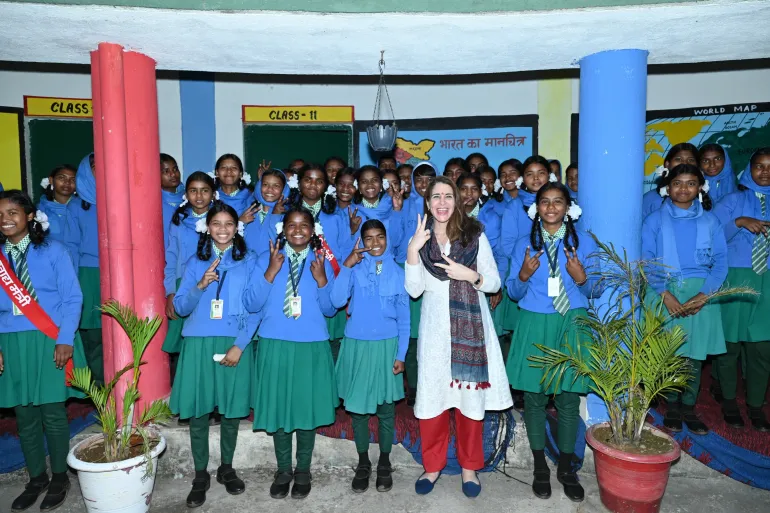
Back from Jharkhand, processing the learnings shared by those committed to demonstrating what children’s rights look like in practice. These three days were dense with encounters that stitch together community ownership, service delivery, and young people’s agency.
Adolescent Voices, Empowered Action
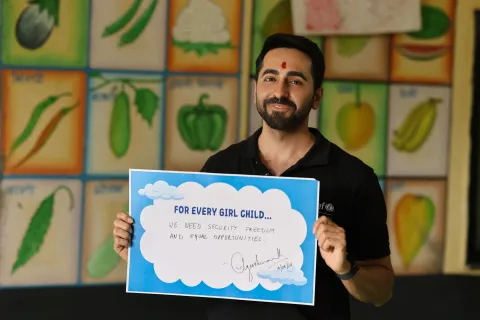
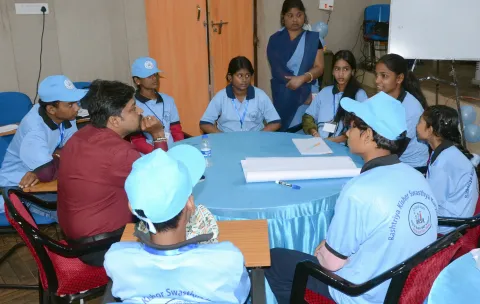
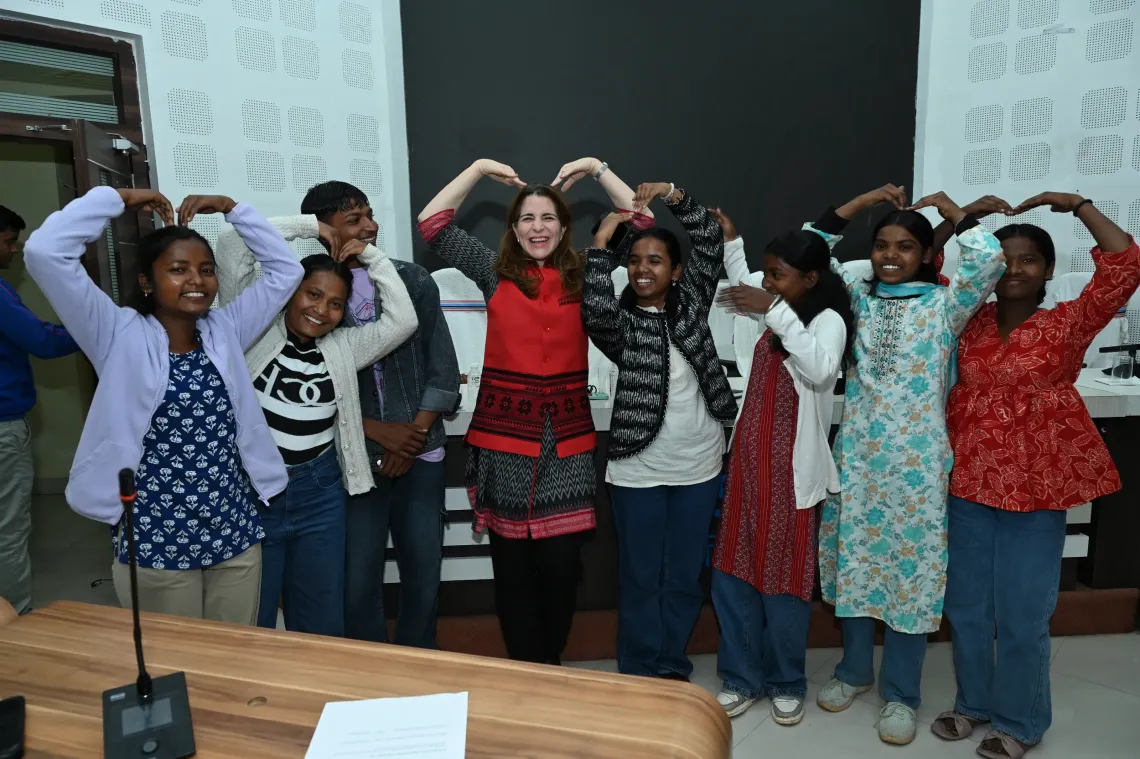
Upon arrival, we gathered with Child Reporters, civil society, and the government to talk about child marriage. What followed was a far deeper conversation. Girls spoke about the mismatch of expectations and the unspoken pressures around safety that curtail freedom. Boys shared their own struggles with performance pressures and the weight of appearing strong despite uncertainty.
There was a vulnerability in the room, but there was also simplicity. They wanted the conversation to reflect reality — that ending child marriage requires more than awareness and campaigns. It demands opportunities, support systems, accountability, and genuine belief in their aspirations.
“We want to be heard, not just saved,” said Varsha.
It reminded me that children and young people don’t need assistance - but a support system around them to catch up with their courage.

Protecting Beginnings, expanding Futures
If adolescents offered broad perspectives, frontline workers showed what it takes to turn vision into reality.
In Bindhani village, I walked with ASHA Didi Shashi and Anganwadi worker Fabiola as they visited families with newborns. I watched a young mother cradle her three-month-old son as Shashi and Fabiola explained breastfeeding techniques, early stimulation activities, and hygiene practices using a single flipbook they had clearly mastered together. Their tone was gentle but confident — not instructing but enabling. In that small courtyard, convergence wasn’t a policy aspiration; it was a lived reality.
There was no duplication, no mixed guidance, no confusion.
One message, one child, one mother.
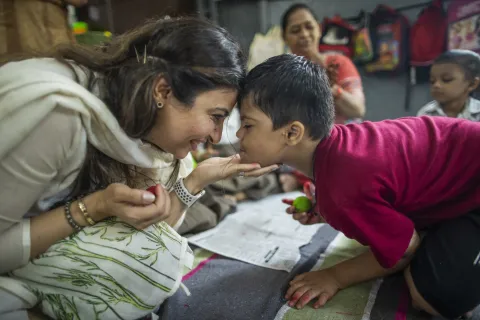
Later that day, at the Anganwadi Centre during an ECD session, I watched mothers and fathers laugh alongside their toddlers as they played simple games—small moments that carry enormous weight for cognitive development during the first 1,000 days of life, a critical window when nearly 90% of brain development takes place. Those interactions were shaping futures in real time.
Nearby, at the community level, Jal Sahiyas carried out water quality testing and promoted improved sanitation, safe water use, and handwashing practices. When I asked Nusrat Begum, a Jal Sahiya, how she manages her workload and home life,
she smiled and said, “My husband and I share the work. I do what I can in the morning, and whatever remains, he does after dropping me to work.”
Change, I realised, is also happening quietly at home.
Conversations about menstruation later in the day revealed more of this quiet change: a shopkeeper refusing to use dark bags for sanitary pads, signalling a move away from taboo. The brothers are picking them up for their sister without embarrassment. These are not dramatic shifts; still, these are meaningful steps in the right direction.
A School where Future opens Up
At the Jharkhand Balika Awasiya Vidyalaya (JBAV) in Ratu, I walked into a school with over 400 students filled with unique energy. The girls — many from tribal and SC families — carried an alertness that comes from knowing that education is more than a routine - it is their claim to opportunity.
They showed me STEM experiments with joy, and an Eco Club with delight. One girl said, “Science used to feel far away. Now it feels like it belongs to us.” In another corner, they performed a short skit on body confidence — bold, funny, and deeply insightful.
Later, a group gathered around to explain the new Menstrual Hygiene Management Lab, speaking with a kind of unfiltered pride. Moments like that remind me why investments in learning environments — not just access — matter so profoundly.
Leadership that Connects Policy and Practice
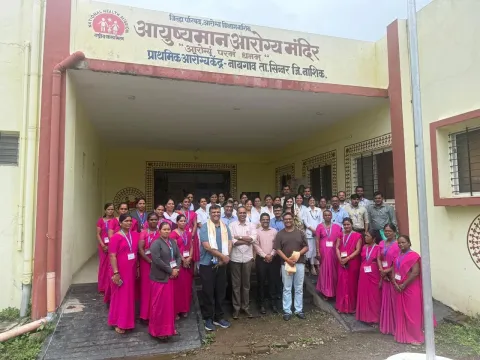
My conversations with the Chief Secretary, Mr Avinash Kumar, and leadership across departments reaffirmed a shared determination to strengthen what’s working and push further where gaps remain. Nutrition, early childhood development, girls’ education, adolescent wellbeing, women’s empowerment — these aren’t separate priorities in Jharkhand; they are part of a single, interconnected one.
Policies guide direction, but it is the people — the frontline workers, teachers, adolescents, parents, and community leaders — who give policies substance.
Carrying Jharkhand with Me
Jharkhand’s story is not one of dramatic moments. It is a story of steady hands, synchronized systems, communities moving with quiet determination, and gender stereotypes shifting. It is a story of rights taking shape — not abstractly, but thresholds crossed and opportunities widened.
UNICEF will continue walking alongside the Government and communities here — strengthening systems, amplifying young voices, and helping turn evidence into action that advances the rights.
For every child. Everywhere.