Women and men united against FGM
With support from the UNICEF Switzerland National Committee, communities in Boké, Conakry, and Kindia are taking action to end female genital mutilation
- Français
- English
Female genital mutilation is a severe violation of human rights, particularly those of women, girls, and children. It causes immense physical and psychological suffering, including chronic pain, infections, urinary complications, infertility risks, childbirth difficulties, and long-term mental health consequences.
In Guinea, while the prevalence of FGM among girls aged 0 to 14 declined from 45.5% in 2012 to 39% in 2018, the progress remains insufficient. To drive lasting and meaningful change, UNICEF Guinea, with the support of the UNICEF Switzerland and Liechtenstein National Committee and the UNFPA-UNICEF Joint Programme on the Elimination of FGM, works closely with the Ministry for the Promotion of Women, Children, and Vulnerable Persons to eliminate this harmful practice nationwide.
A shared commitment to change
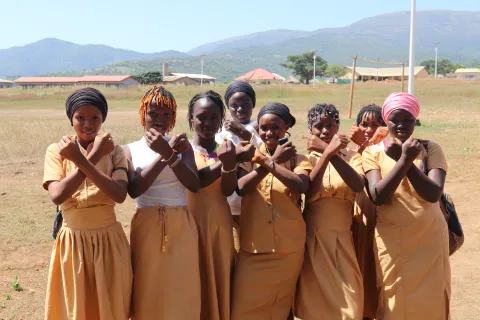
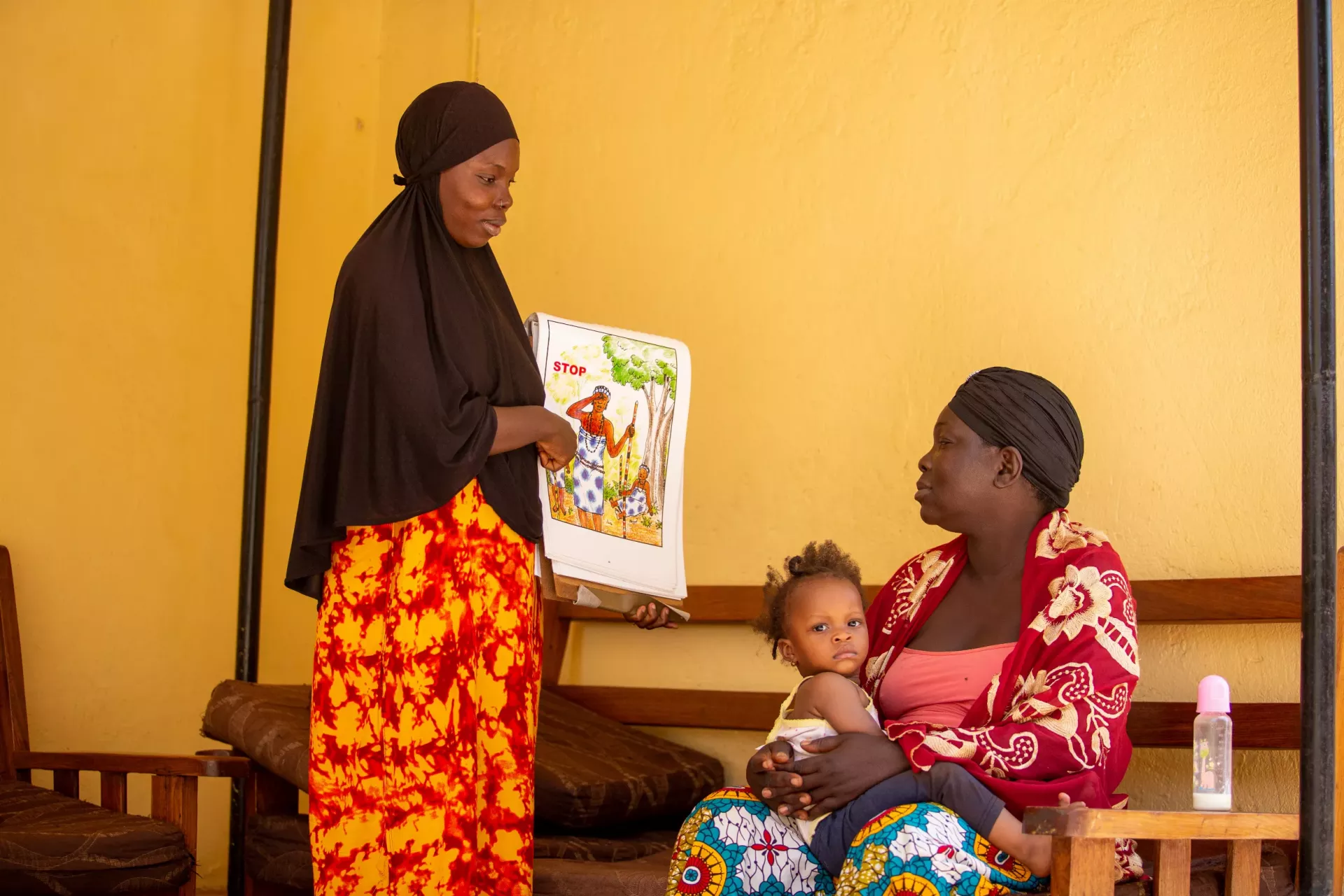
Aissata Keita and Bountouraby Camara are two committed women leading the fight against FGM in Guinea. Aissata, president of the Young Women Leaders Club of Sangarédi, underwent excision at the age of eight. It was during her first childbirth that she fully realized the devastating consequences of the practice. Since then, she has made it her mission to protect other girls from the same fate. With her leadership and support from UNICEF, she has led awareness campaigns that have persuaded many families to abandon excision.
Bountouraby, a mother of five, also experienced the harmful effects of FGM. Today, she is actively engaged in raising awareness within her community, urging families to reject the practice. "At first it was difficult, but mentalities are slowly changing," she says.
Their stories show that when voices are raised and communities mobilize, change is possible. Thanks to their dedication, more girls are now growing up free from FGM and in a society that respects their rights and dignity.
Male engagement: a key driver of change
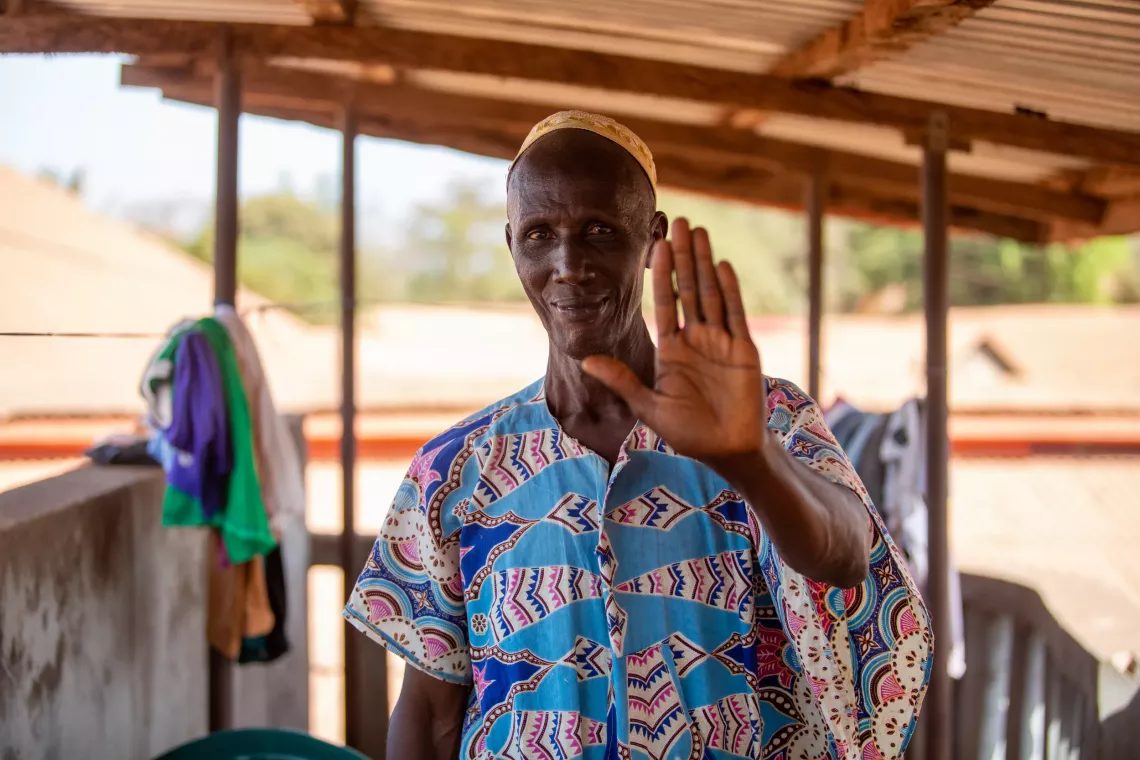
Ending FGM requires the active involvement of men. Mohamed Bangoura, father of 24 children, including 12 daughters, 7 of whom were not subjected to excision, is a strong advocate against the practice. "FGM poses a serious threat to women’s health. I am firmly opposed to it. I educate my daughters and raise awareness in my community. We must break the silence and spread knowledge to protect our children," he says.
Mohamed’s testimony highlights the vital role that men play in ending FGM. Their voices are powerful tools in challenging the social and cultural norms that sustain these practices. Their engagement is essential to building a future where girls and women are free to thrive.
Toward a future without FGM
UNICEF is fully committed to supporting the implementation of Guinea’s legislation banning female genital mutilation. In partnership with government agencies and local organizations, UNICEF strengthens the capacity of community actors and expands awareness campaigns in villages, schools, and through the media.
Ending FGM in Guinea requires a collective and sustained effort. With the active participation of families, community leaders, institutions, and above all the girls themselves, a safer and more just future is within reach for all girls in Guinea.