Lebanon emergency
War in Lebanon has compounded years of crises for children and families.
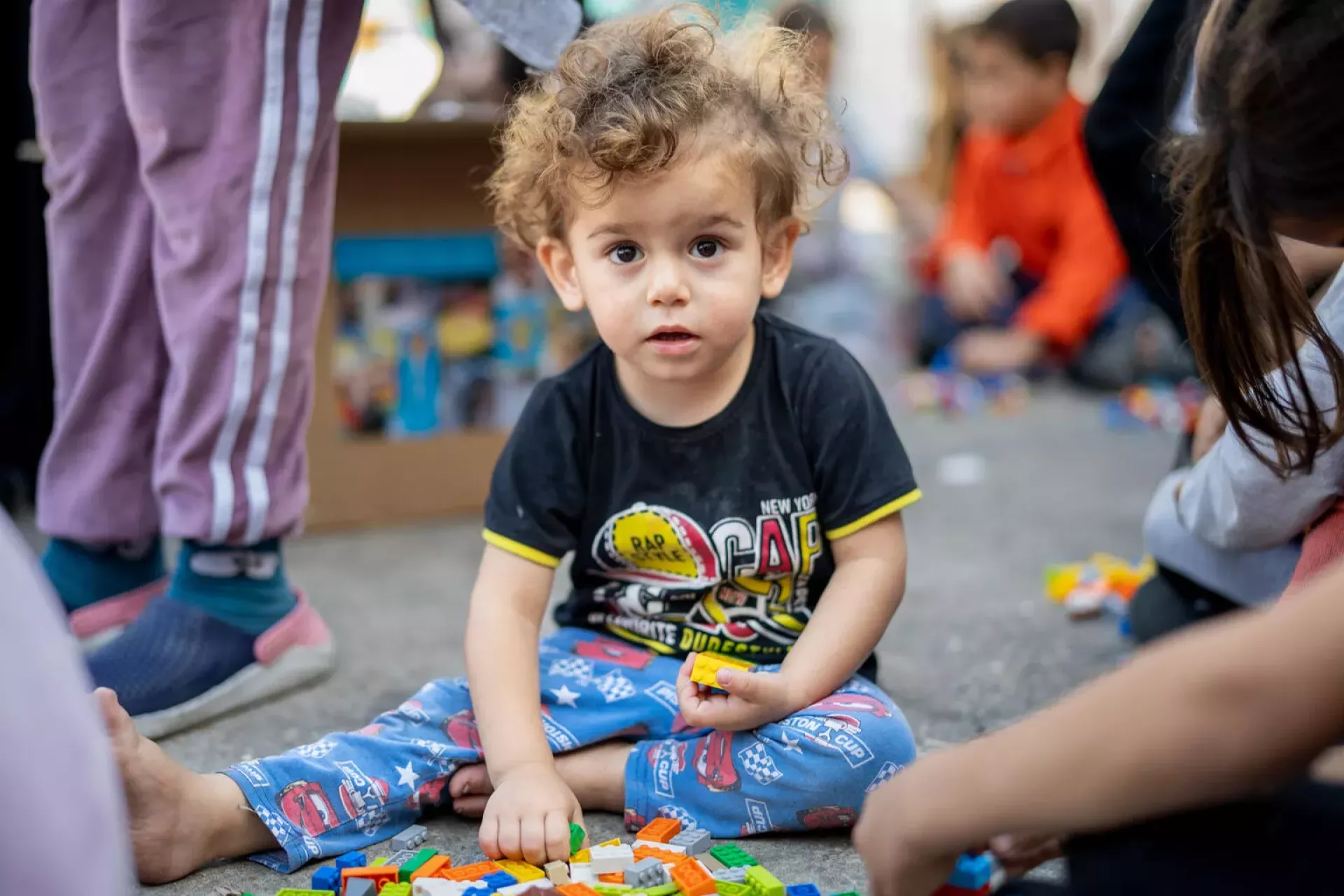
The war in Lebanon has had a catastrophic effect on children and vulnerable communities. Even before the escalation in conflict in September 2024, many families in Lebanon were teetering on the brink due to multiple and unrelenting crises, including an economic collapse that has sent poverty rates soaring. Now, violence has further upended children’s lives and, in many cases, inflicted severe physical wounds and deep emotional scars.
What’s happening? | Statement on ceasefire announcement | What UNICEF is calling for | How we’re responding | Recent news and features | Situation updates
Support UNICEF’s work for children
What’s happening in Lebanon?
Hundreds of children were killed or injured and tens of thousands were displaced by the escalation of hostilities from September 2024. Many children have been victims of bombardments, losing loved ones, their homes, and access to education. The war also damaged essential services that families rely on, even as it increased health and protection risks.
UNICEF welcomed the announcement in late November 2024 of a ceasefire in Lebanon, and displaced families have been returning to their homes in areas affected by hostilities, although many places are potentially contaminated with unexploded ordnance. The conflict had a significant impact on civilian infrastructure and public services in Lebanon, including disrupting operations at dozens of hospitals and primary health centres. Water facilities were also damaged.
The escalation in Lebanon came on top of the already fragile situation for tens of thousands of families in the country. Lebanon has been impacted by a string of unrelenting crises in recent years, including the massive Port of Beirut explosion, the COVID-19 pandemic, and a crippling economic collapse.
What is UNICEF calling for?
To protect children and uphold their rights, UNICEF is calling for:
- Adherence by all parties to their obligations under international humanitarian law, and the protection of children in line with international law.
- The protection of civilians, including children, humanitarian workers and medical personnel, and the safe movement of civilians seeking safety, including children.
- The immediate provision of additional humanitarian funding to meet the urgent needs of children and other affected populations.
- The protection of all schools and places of learning, and the resumption of safe access to education for children.
What is UNICEF doing to support children in Lebanon?
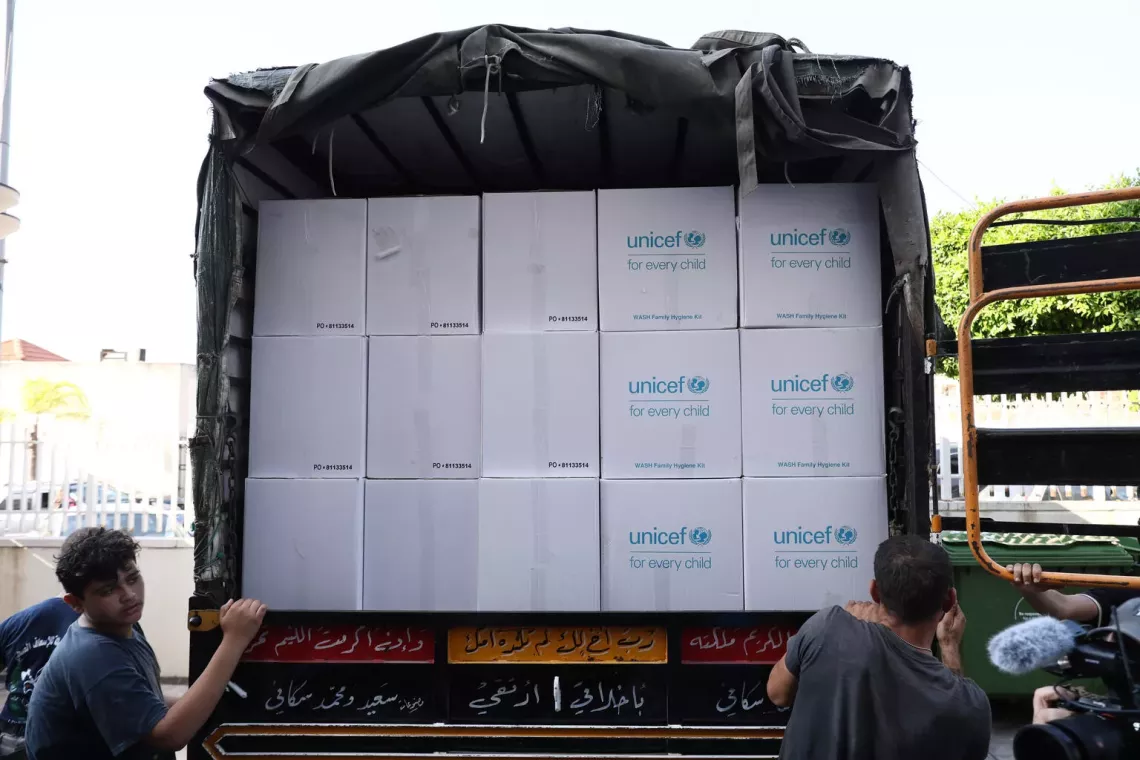
UNICEF has worked to support and protect the children of Lebanon for more than 75 years. UNICEF supported children throughout their displacement following the recent escalation in hostilities, including in collective shelters, border areas, host communities, and upon their return home.
During the conflict, UNICEF delivered supplies including nutrition supplements, learning kits, blankets and sleeping bags, and emergency supplies for hospitals. UNICEF also delivered relief items and emergency services to around 700 collective shelters, while providing critical services to more than half a million people through public systems.
Following the ceasefire, UNICEF has intensified its efforts to strengthen public systems and help them recover, including through the reopening of public schools and repairing damaged water and health facilities.
Read more about how UNICEF is supporting children in Lebanon
Recent news and features
Is UNICEF operational in Israel?
In high-income countries such as Israel, Governments generally have adequate capacity to respond to emergencies. Upon request from the Government, UNICEF can extend support, such as mental health and psychosocial support for children.
In over 30 countries where UNICEF does not perform programmatic activities, National Committees for UNICEF serve as our dedicated voice, helping to raise funds for UNICEF’s work worldwide, to promote children’s rights, and to lift visibility for children threatened by poverty, disasters, armed conflict, abuse and exploitation. The Israeli Fund for UNICEF was established in 2009 to raise awareness of children’s rights in Israel and fundraise for UNICEF’s life-saving work across the world.
Page updated: 11 April 2025