What's at stake for children in Asia and the Pacific
The stakes are high in a region home to one billion children, but we can rise to the challenge and ensure every child survives, thrives and fulfils their true potential.
Asia and the Pacific is home to 1.1 billion children, the largest child population of any region in the world.
See the summary report on The State of Children in Asia and the Pacific 2025
Across the region, climate shocks, demographic shifts and digital transformation are reshaping children's lives. And as the region undergoes swift change, so do the risks that children face.
Families in the region are living longer, having fewer children and moving more frequently than ever before. More and more children are calling a city home.
The region stands on the very frontlines of economic growth, urbanization, and digital expansion. Home to a vibrant private sector, innovations are flourishing across the region. Passionate, engaged youth are leading movements to further improve the lives of children and young people.
Impressive progress for children has been made over the years. More and more children are going to school; more and more children are protected against life-threatening diseases; more and more legislation is being introduced to protect children against harm.
But much remains to be done. The region is still home to millions of child brides, millions of children who are out of school and millions of children who have never received a single dose of lifesaving vaccine.
What’s more, escalating humanitarian crises, back-to-back climate disasters and emerging digital threats are leaving millions of girls and boys at risk.
These are some of the biggest challenges children in Asia and the Pacific face today.
Climate and environmental dangers

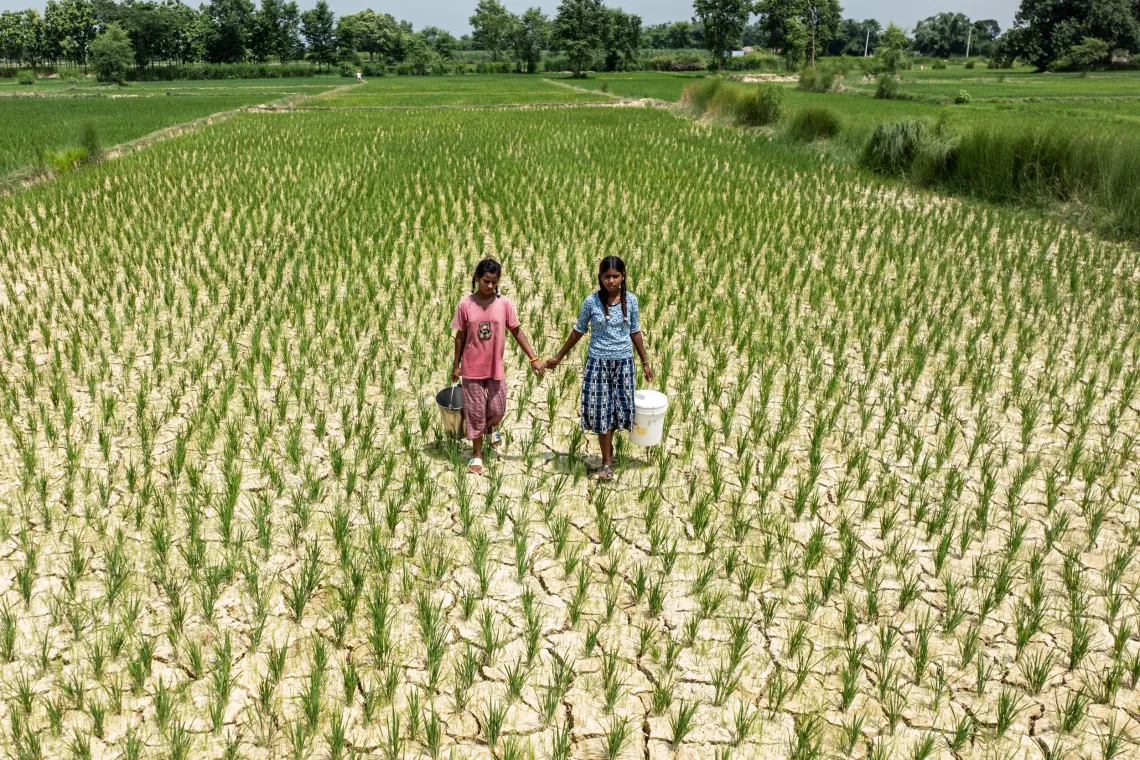

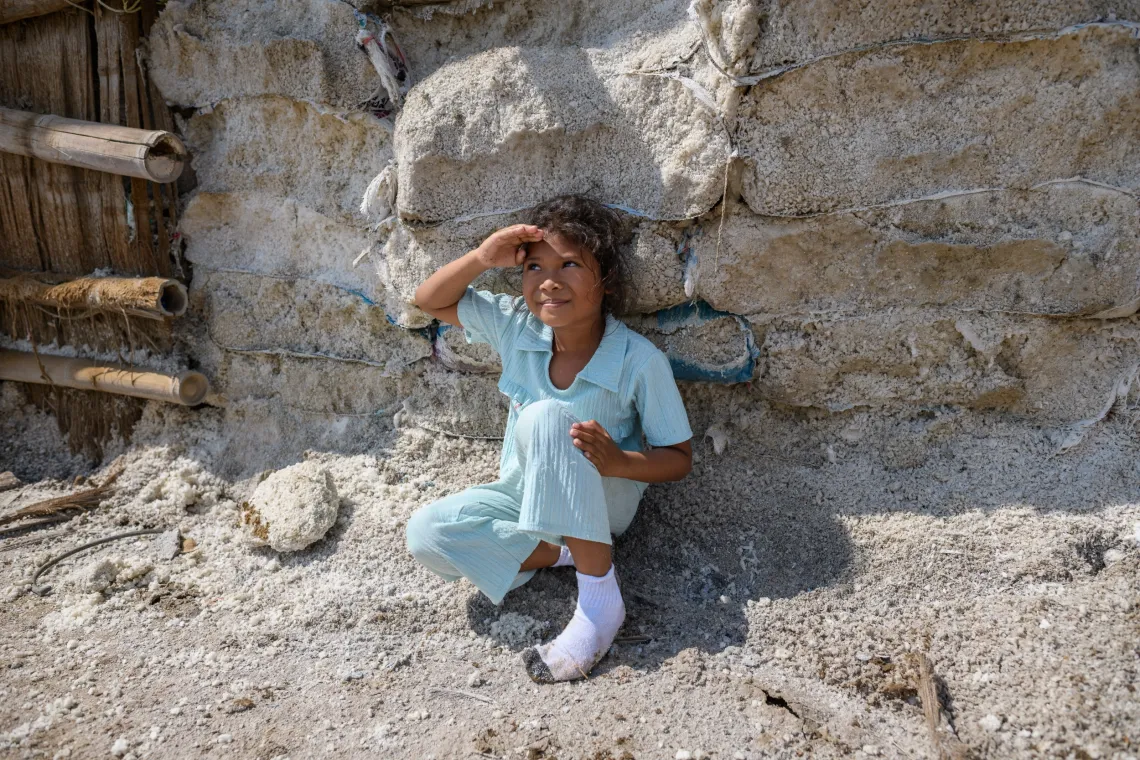
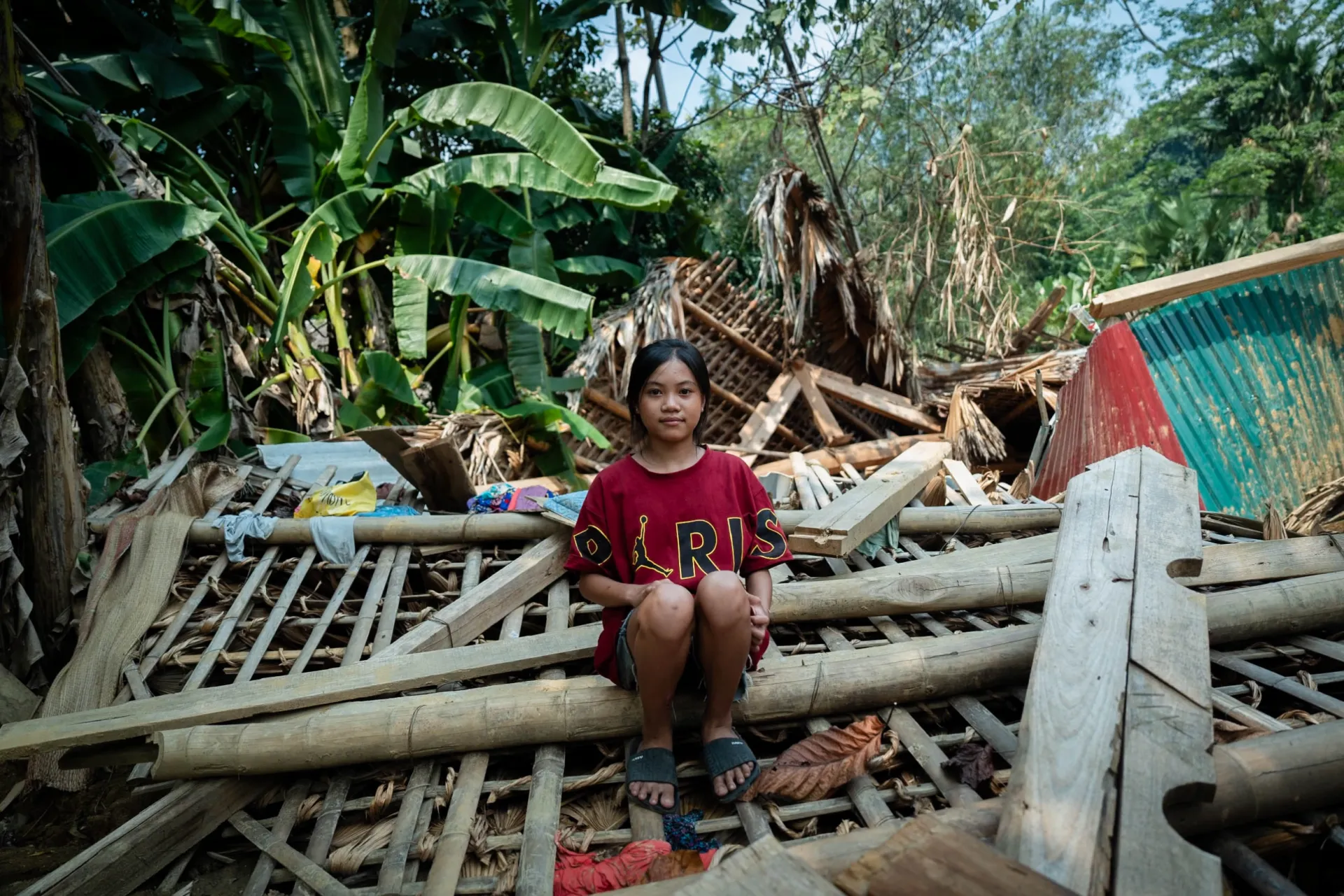
Asia and the Pacific is one of the most disaster-prone regions in the world, leading to immediate impacts like loss of life, damaged homes and schools, displacement, food insecurity and the spread of disease, while also increasing poverty and inequality.
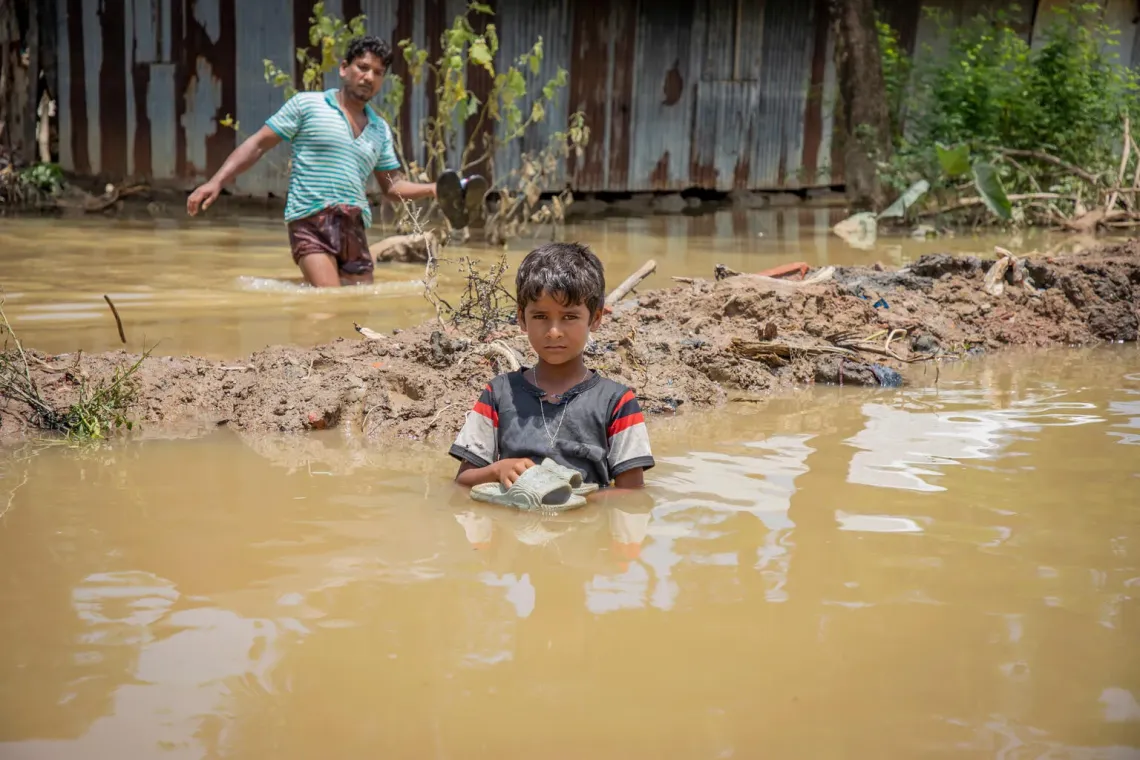
- Across Asia, children are exposed to more climate hazards at once and at a higher intensity than anywhere else in the world. Typhoons, droughts, heatwaves, wildfires, air pollution, storm surges and landslides all regularly upend children’s lives and cut them off from schools and healthcare.
- Children in Small Island Developing States, such as the Pacific and the Maldives, are exposed to recurrent tropical storms and sea level rise, which can disrupt entire islands and overwhelm essential services.
- The region also accounts for more than half of the world's disaster-induced displacements.
- Vector-borne diseases like malaria and dengue fever, which can be deadly for children, are proliferating across the region as climate conditions shift.
- Nearly all children in Asia are exposed to unhealthy air. In East Asia and the Pacific alone, over 100 children under 5 in Asia die every day from air pollution-related causes.
Crises and emergencies

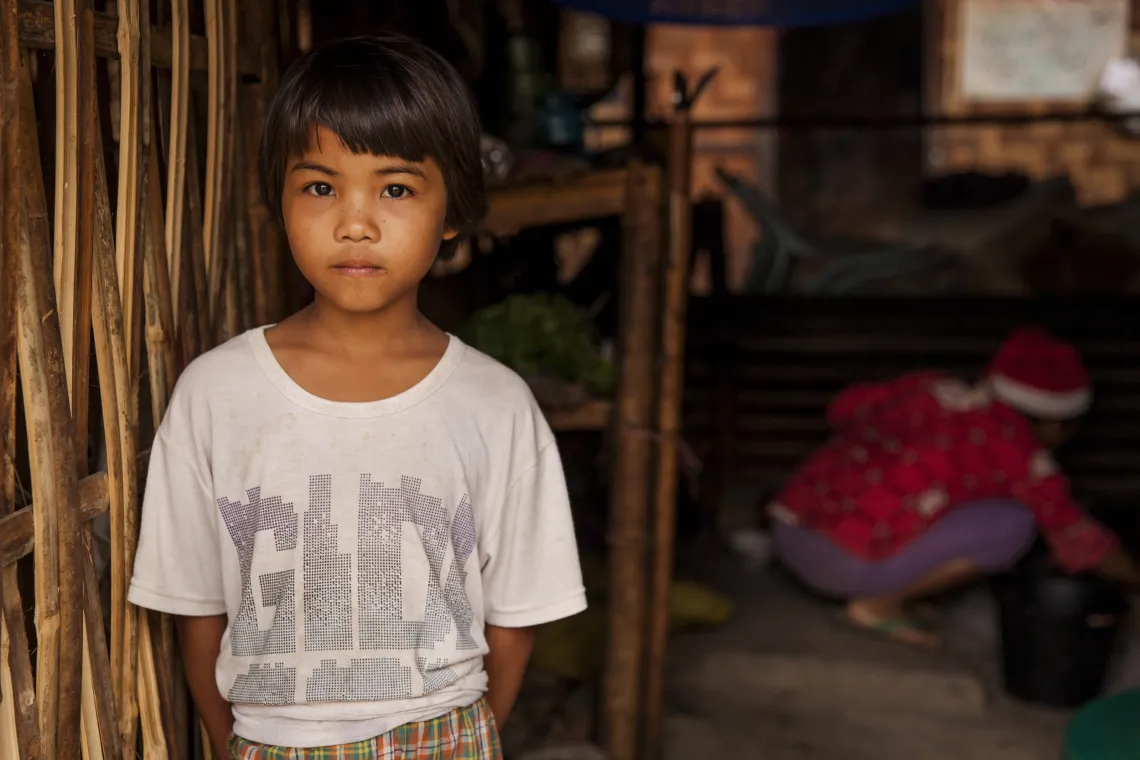

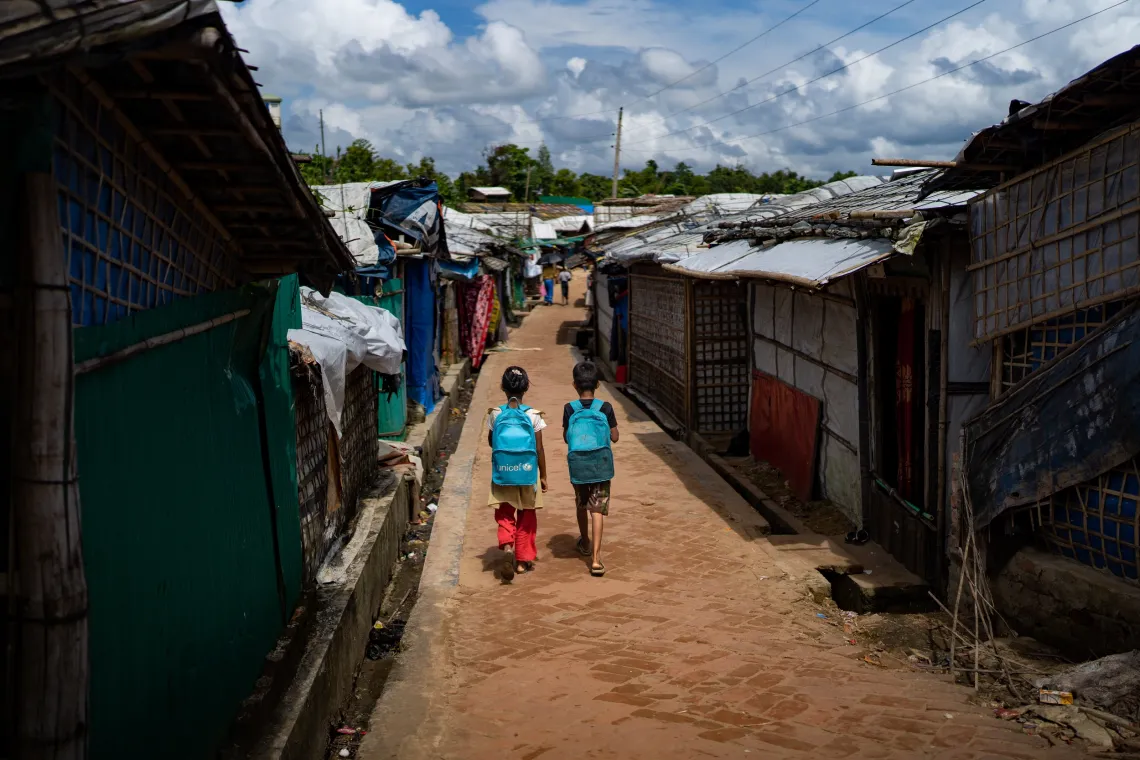

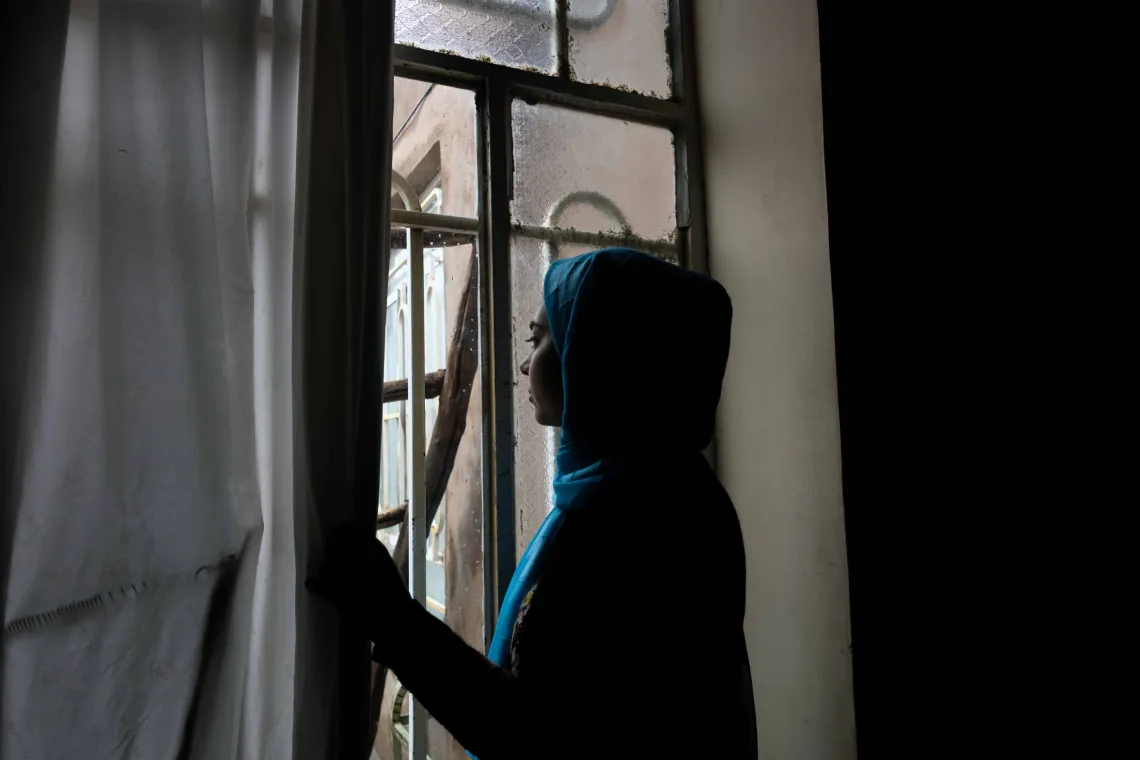
Some of the world’s greatest humanitarian needs are in Asia and the Pacific, a region that faces overlapping challenges from conflict, record levels of displacement, recurrent climate shocks and economic pressures.
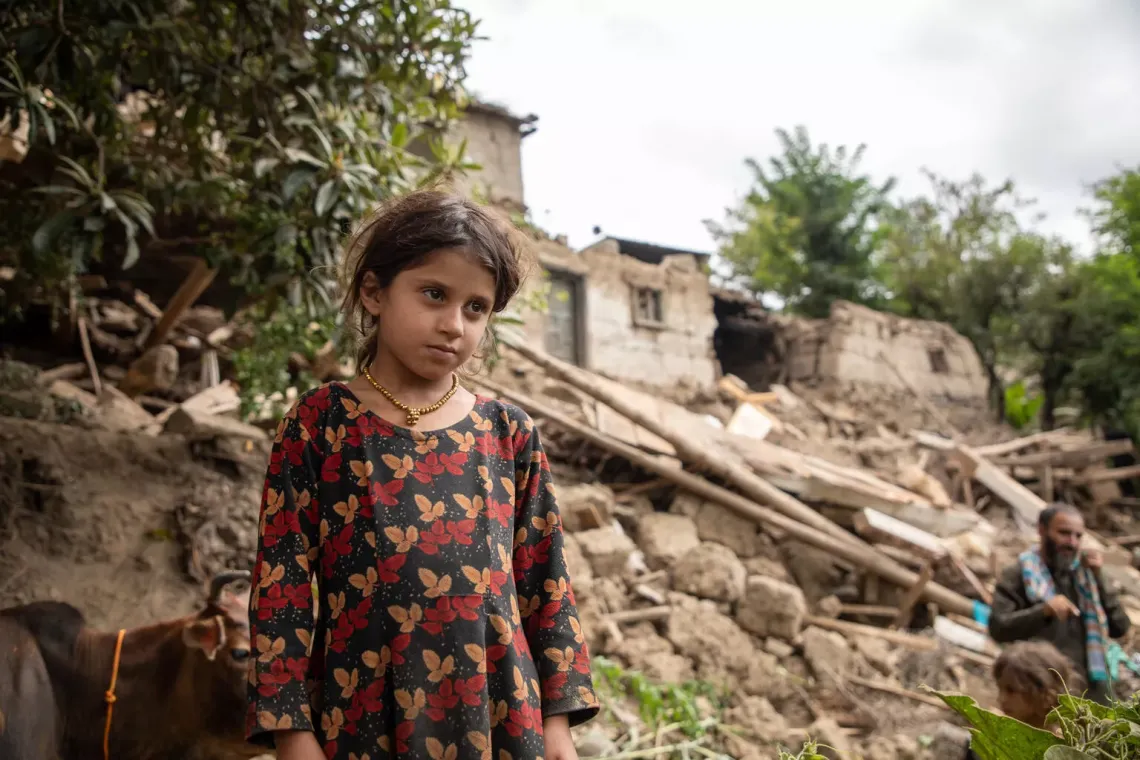
- Over 11 million children are in need of humanitarian assistance in Afghanistan, where women and girls are also facing a systemic rights crisis.
- In Bangladesh, the Rohingya refugee population has increased to almost 1.2 million people, more than half of them children in dire need of assistance and protection.
- In Myanmar, the world's most landmine-affected country, violence has intensified, disasters have multiplied, and essential services are under immense strain. Over 1 million children are displaced.
Violations of childhood and harmful practices

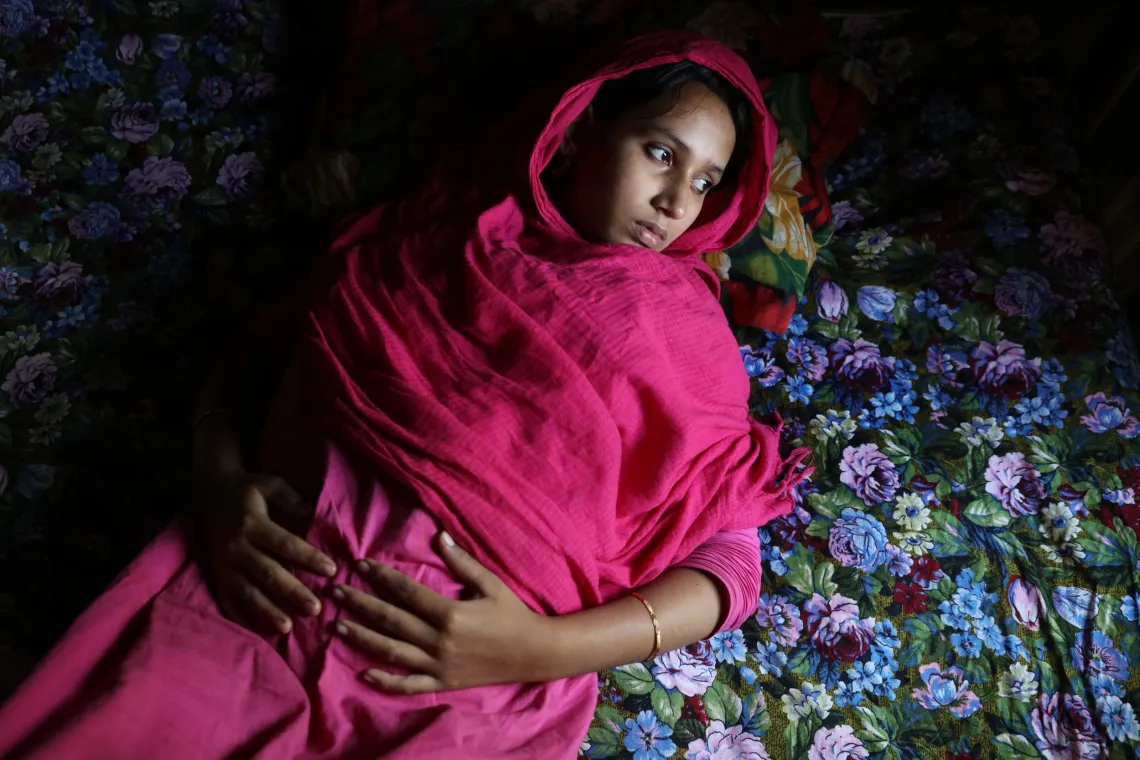

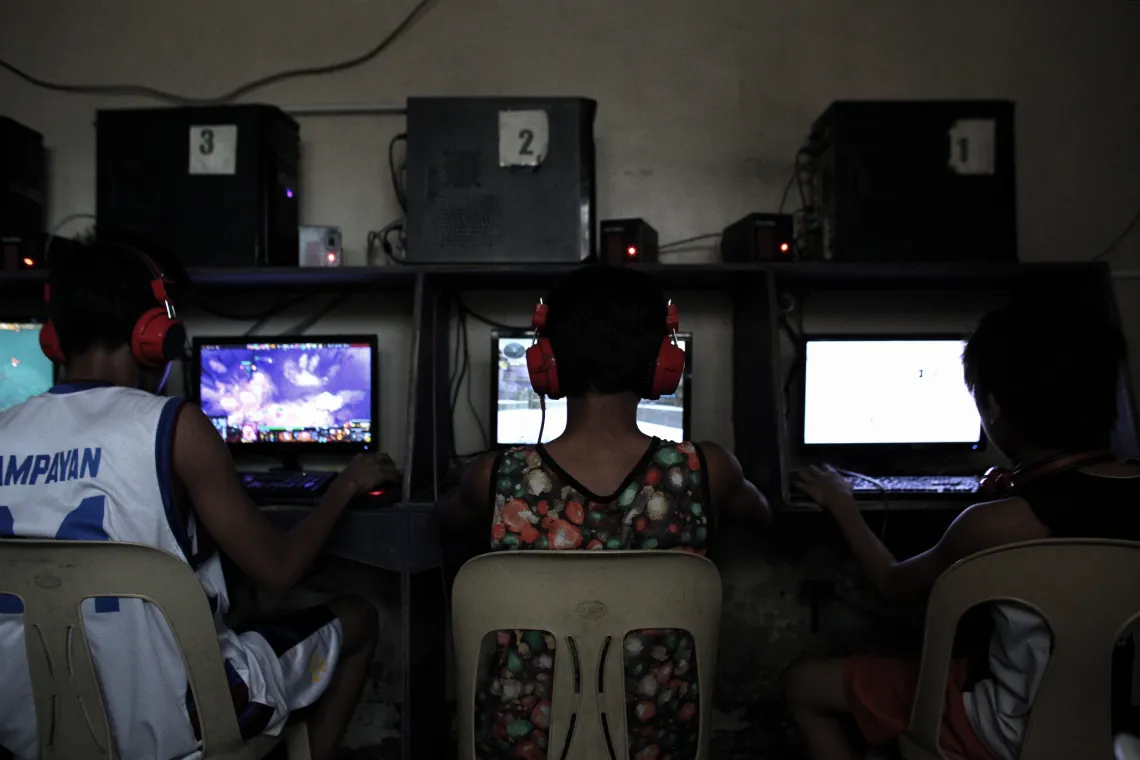

Violence against children, including physical, sexual and emotional abuse, neglect, bullying and tech-facilitated harm, remains widespread across the region, while harmful practices such as child marriage and female genital mutilation persist in large numbers.
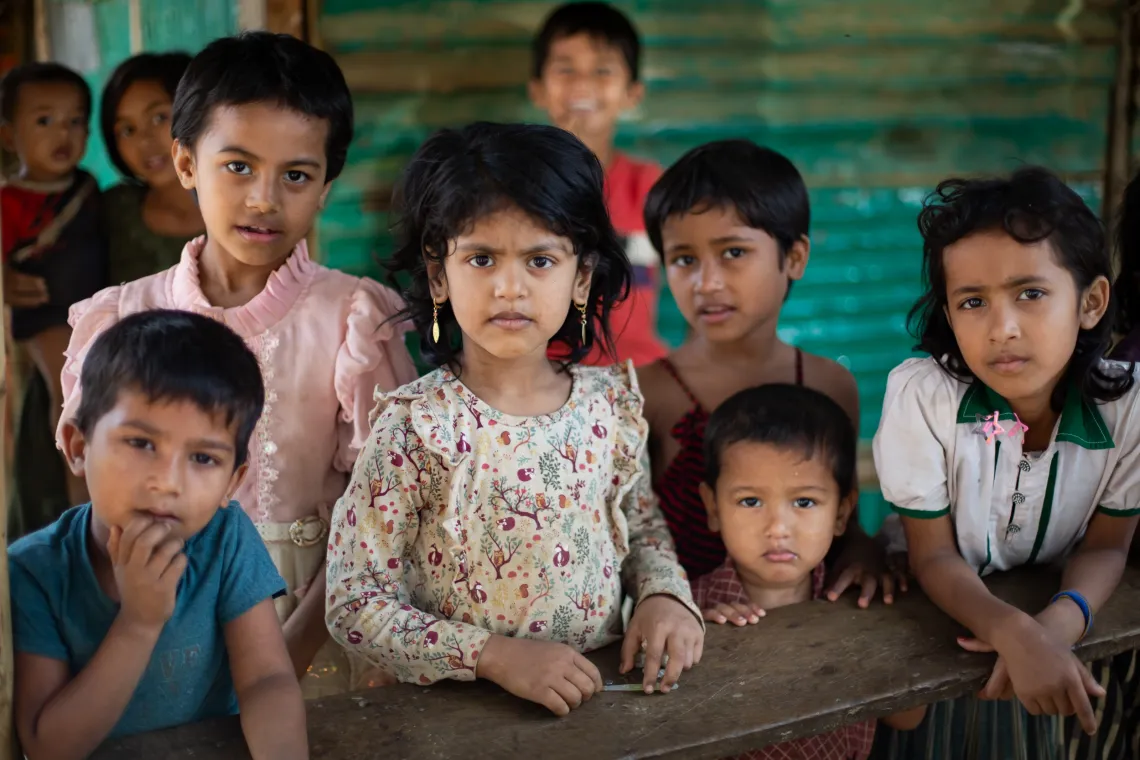
- One in three girls in Oceania and nearly 9 per cent of girls in Asia have experienced sexual violence in childhood, with survivors often carrying trauma and facing health, mental health and social risks into adulthood.
- Up to one in five children in Southeast Asia has experienced online sexual exploitation and abuse.
- More than 80 million girls in Asia have suffered the devastating practice of female genital mutilation, leading to lifelong trauma.
- Every fifth woman in the region was first married or in union before her 18th birthday.
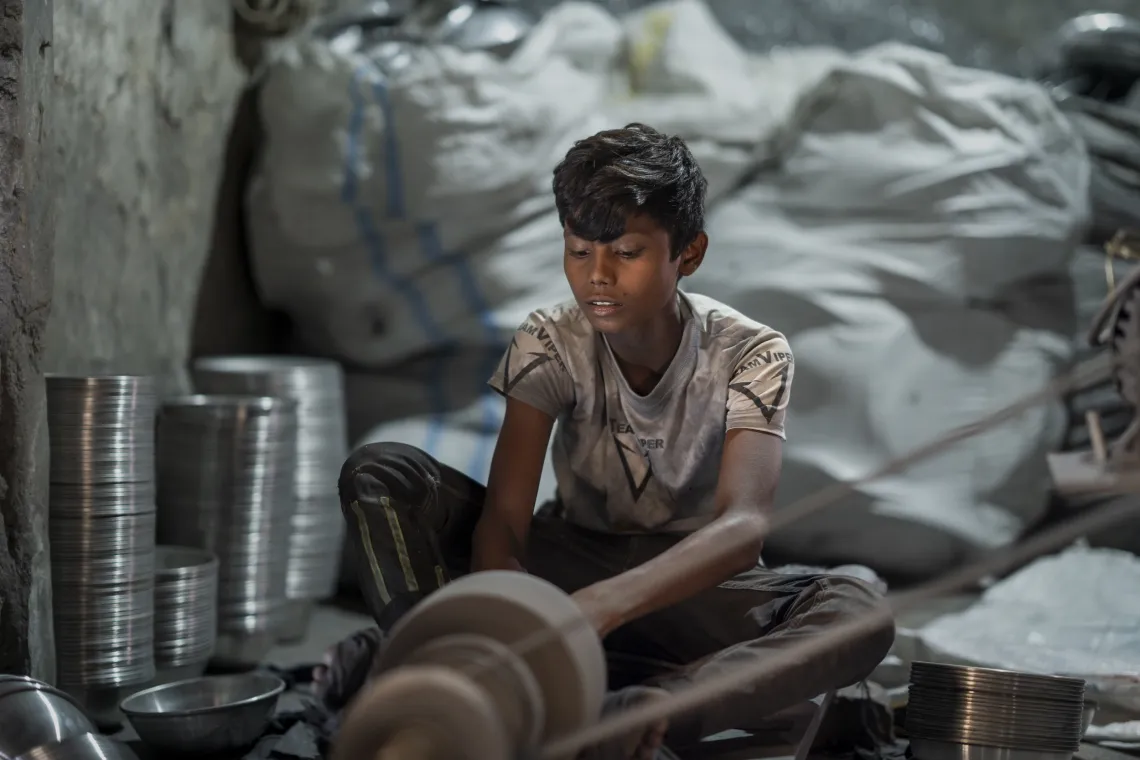
- One in 33 children aged 5-17 in the region is engaged in child labour, including hazardous work that threatens children’s health, safety and development.
- Across the region, 53 million children under the age of five – nearly one in five – are not registered, compromising their access to social services.
Surviving and thriving

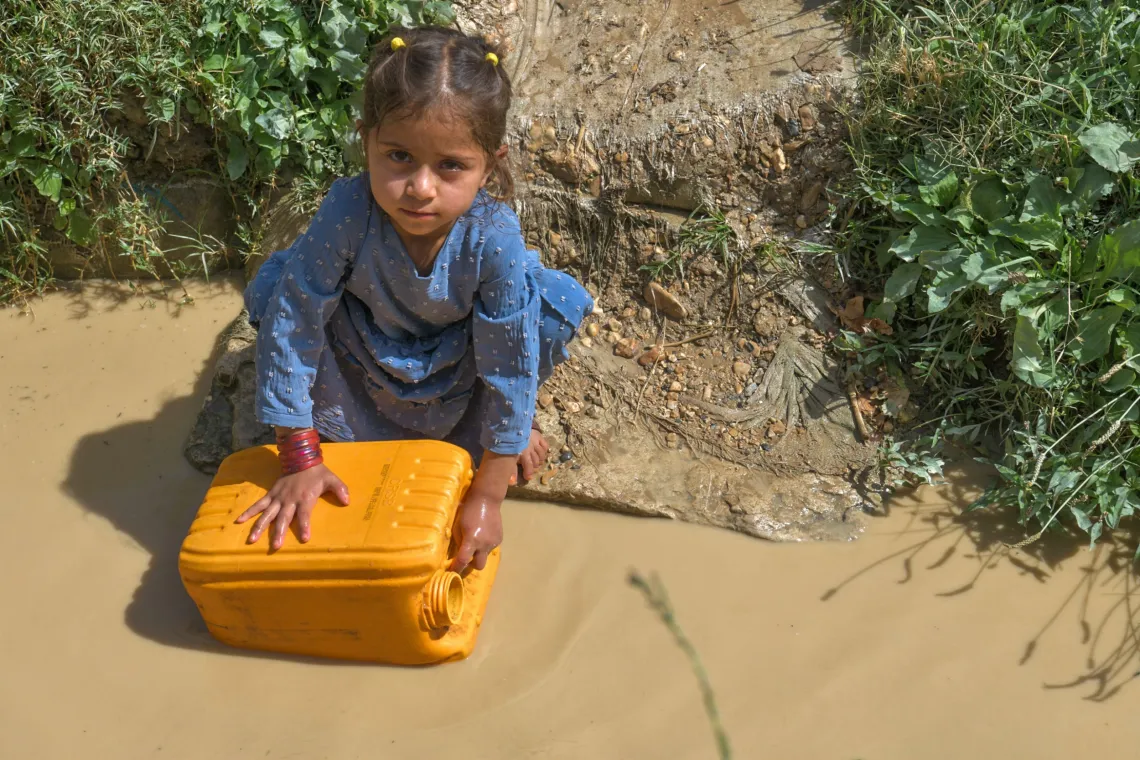

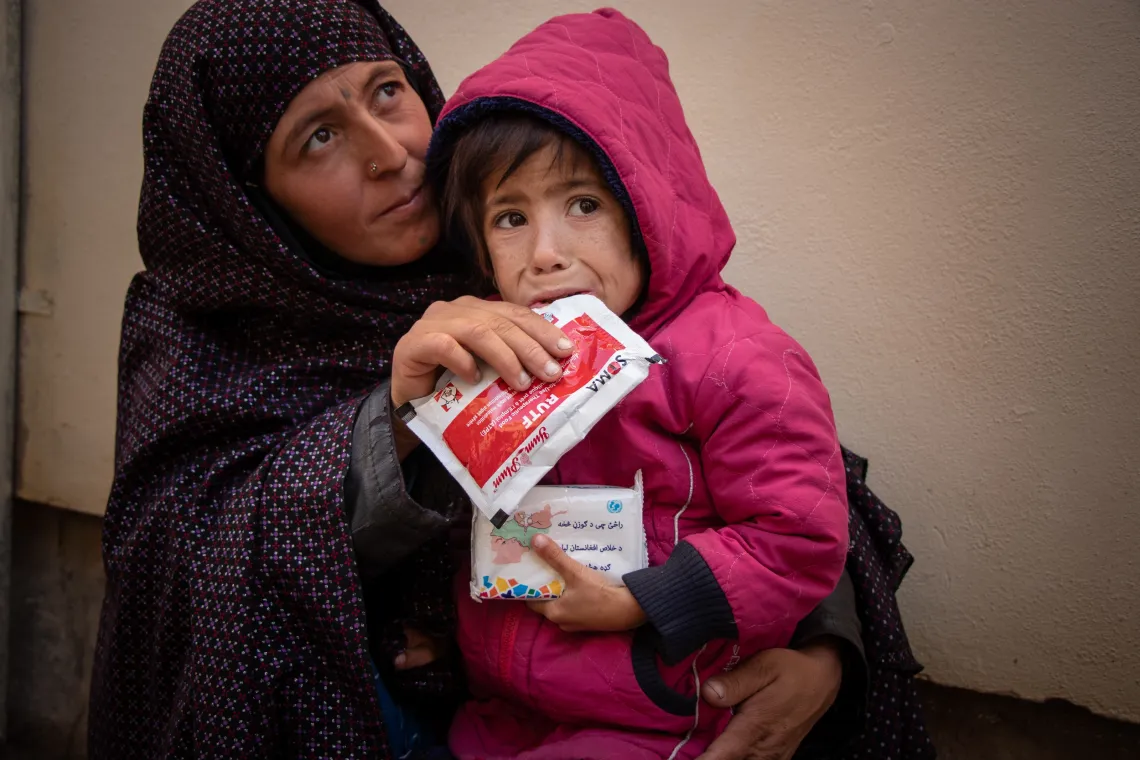

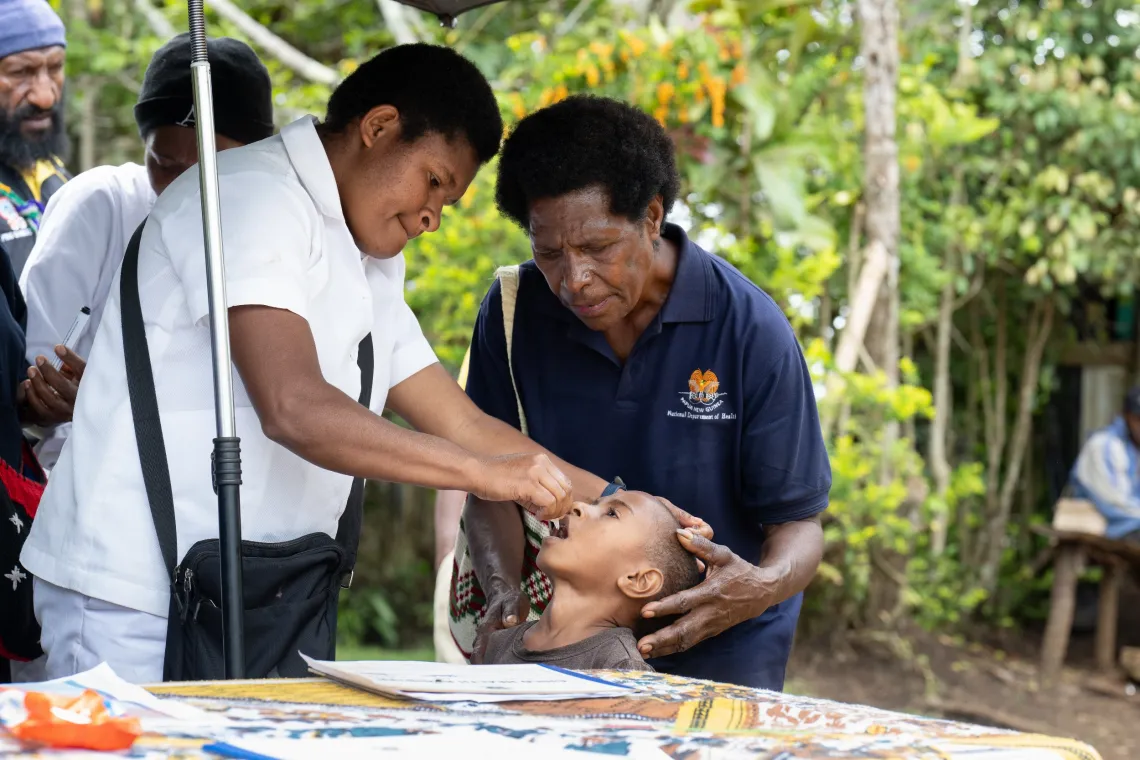
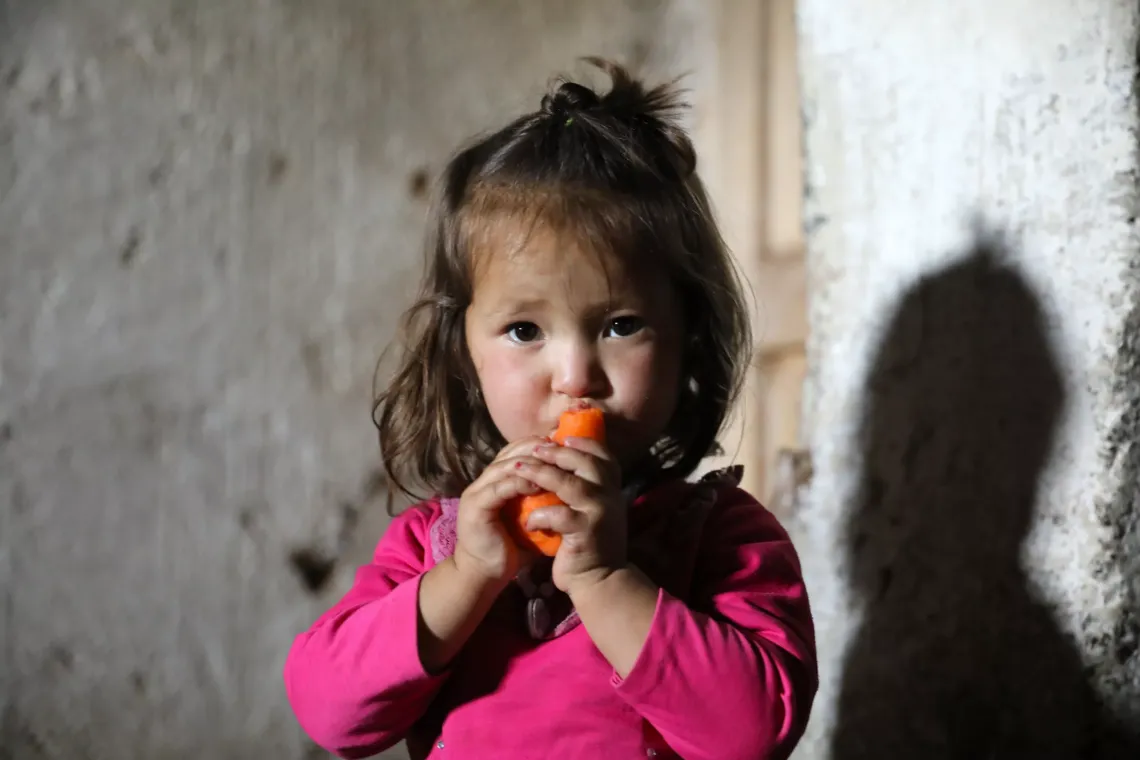
Far too many children in Asia and the Pacific are still dying from preventable diseases, while vulnerable children and women remain unable to access critical health services. Malnutrition compounds the challenges, silently robbing millions of their potential, while safe drinking water and sanitation remain out of reach for millions.
- A quarter of the world’s children who have not received a single vaccine live in the region, primarily in India, Indonesia, and Afghanistan.
- 71 million children under 5 are stunted (too short for their age), while 30 million children are wasted (too thin for their height).
- In South Asia alone, half of all adolescent girls and women are anaemic.
- At the same time, the region is home to the largest global number of children living with overweight, including 14 million children under the age of 5.
- 232 million people still do not have access to safe drinking water, while 138 million people still practice open defecation.
- Up to 1 in 7 adolescents in the region have a mental health condition, and suicide is a leading cause of death among adolescents.
Education

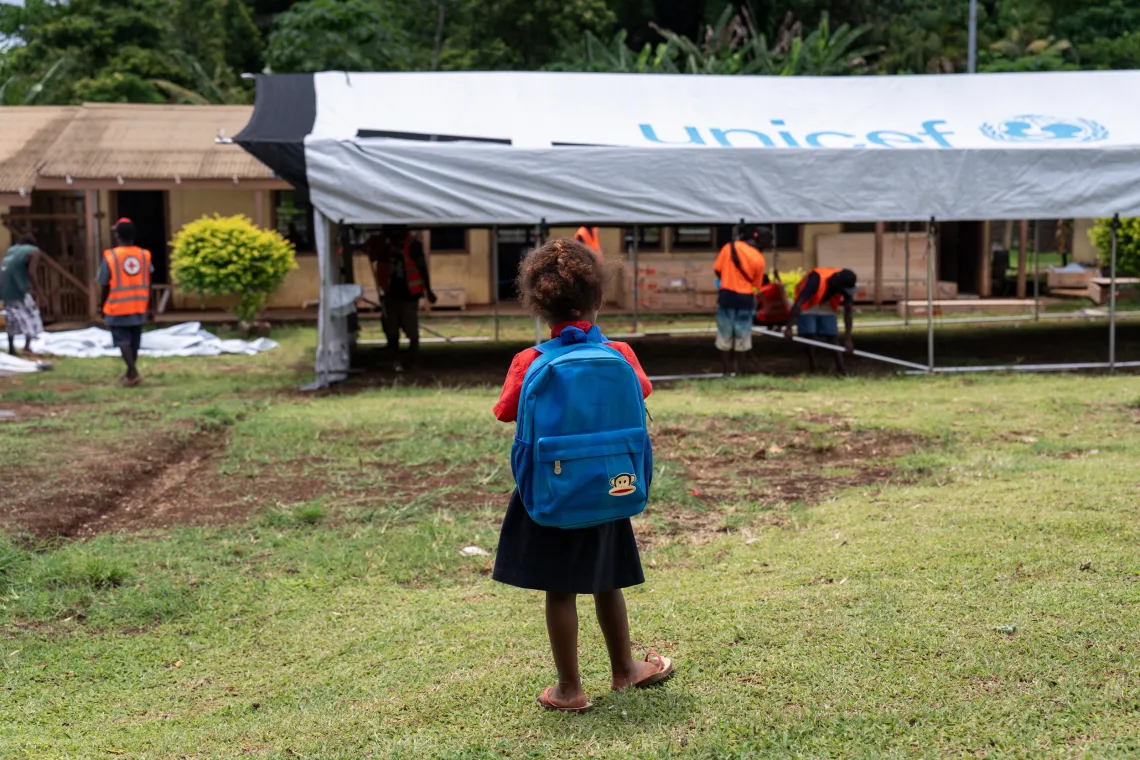

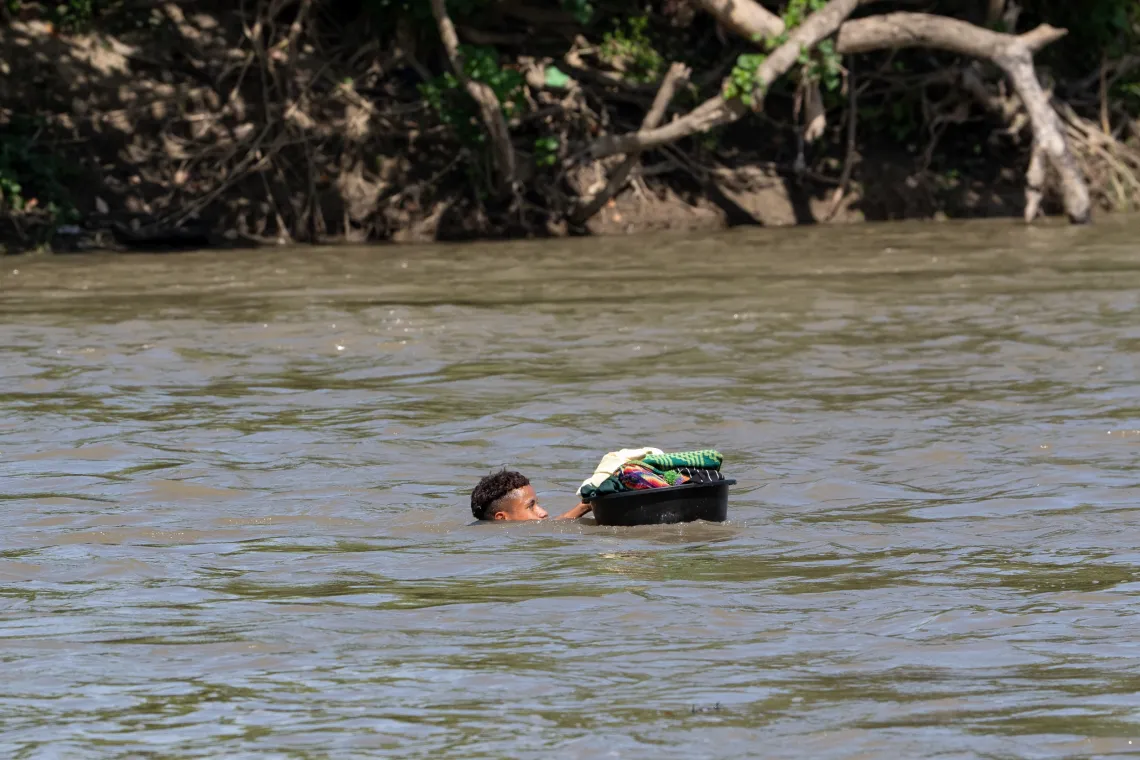

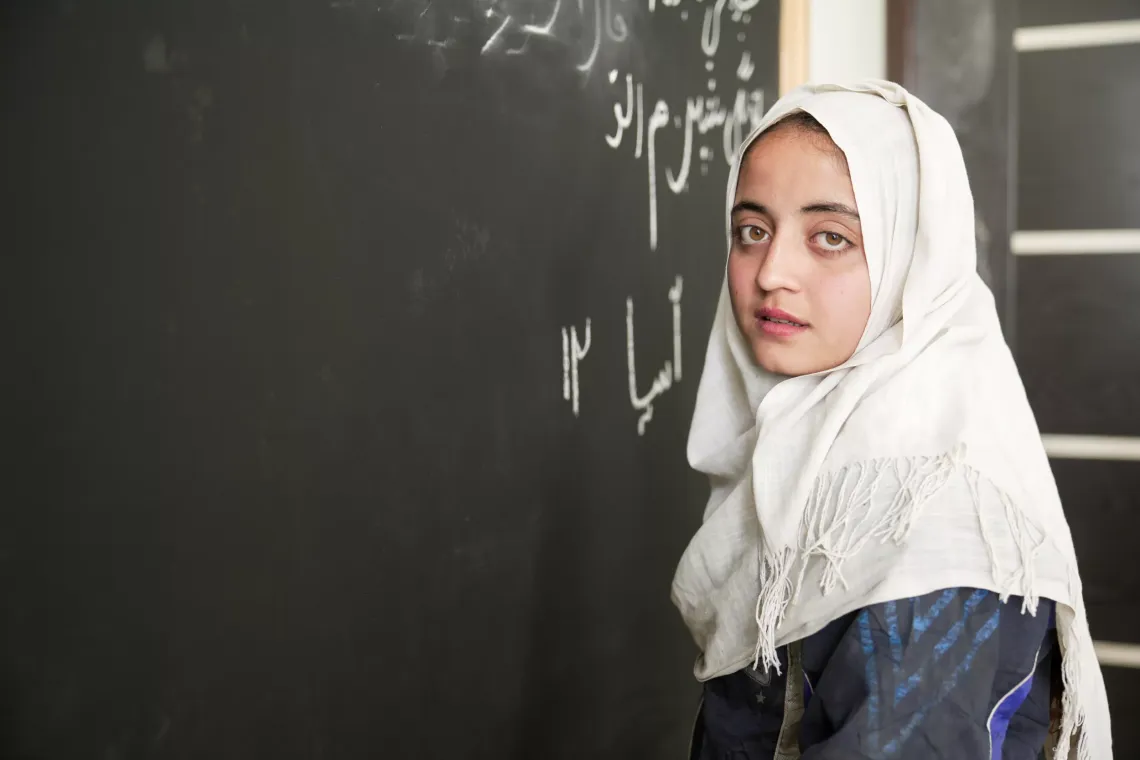
Asia and the Pacific faces a persistent learning crisis, with economic, social and human consequences. Millions of children are out of school, while others are in school but not learning the skills they need. For others, learning is regularly upended by climate disasters and hazards, including typhoons, heatwaves and air pollution.
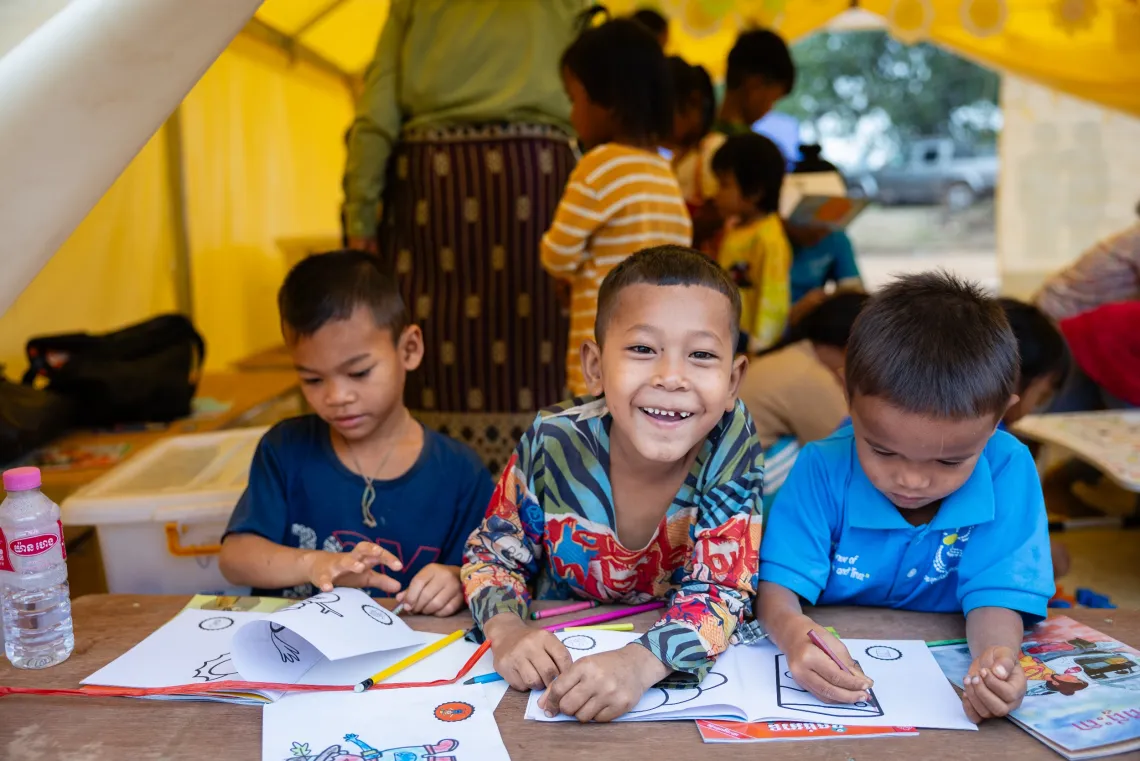
- 121 million children and adolescents across Asia and the Pacific are out of school.
- In Afghanistan alone, the denial of access to education has so far impacted 2.2 million girls.
- Nearly one in two ten-year-olds in Asia and the Pacific cannot read and understand a basic text.
- Adolescent girls aged 15–19 are three times more likely than boys to be out of school, unemployed, and without skills training.
What we need to do next
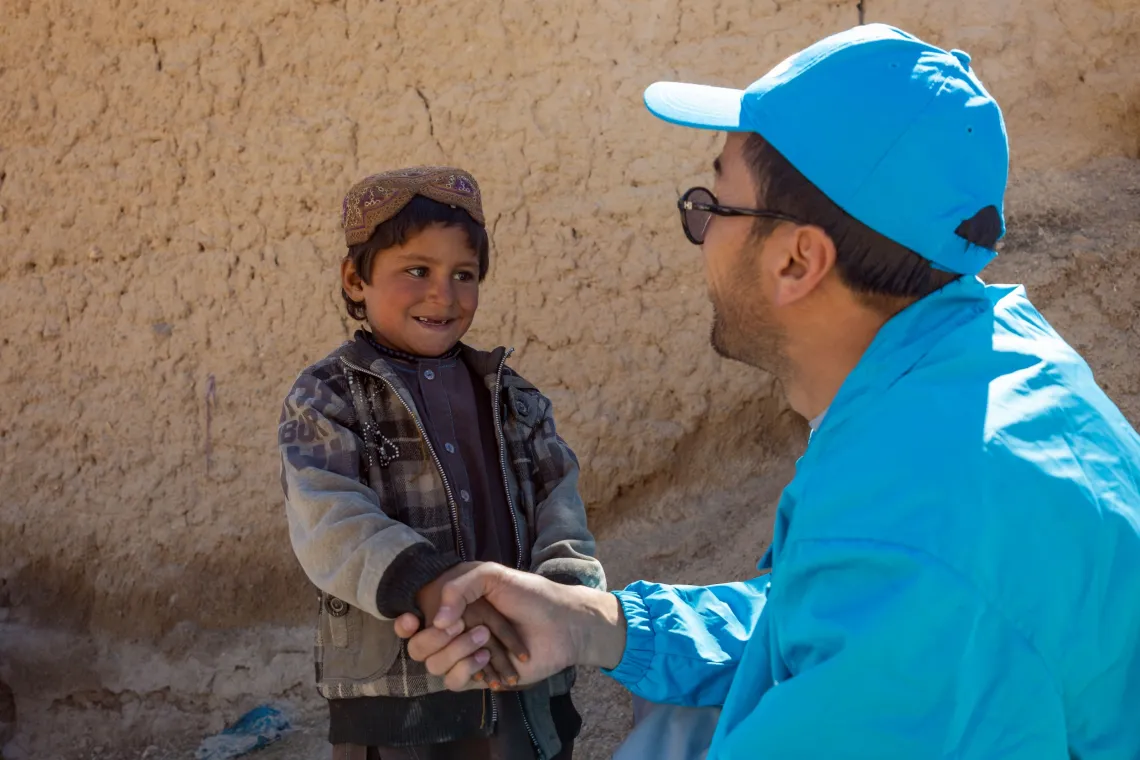
The stakes for children in Asia and the Pacific are high.
But with the right policies, investments, and partnerships, the rewards for the region - and its one billion children - are even greater.
Our power is in our passionate people, our long-standing network of dedicated partners, the deep-rooted trust we’ve built with communities and families over eight decades, and our ability to consistently deliver impact at scale.