Education
Every child has the right to learn
The challenge | What we're doing | What’s still at stake
Quality education transforms a child's life — opening doors to opportunity, health and dignity that last a lifetime.
It also has ripple effects across families, communities and entire societies, boosting growth and economic development. And in a region witnessing rapid economic growth, digital transformation and demographic shifts, ensuring every child's education is more critical than ever.
Yet a silent learning crisis is leaving millions of vulnerable children behind.
The challenge in Asia and the Pacific
121 million children remain out of school in Asia and the Pacific, held back by poverty, geography, disability, ethnicity, language, gender and recurrent emergencies. Millions of other children are in school but are not learning the foundational skills they need to build a life. For others, learning is regularly upended by conflicts or climate hazards, including typhoons, heatwaves and air pollution. In a region home to over half the world's children, this is a crisis that cannot wait.
Inclusive, quality education
Access to quality education is a basic right for every child. Yet across Asia and the Pacific, that right remains out of reach for millions of children.
Of the 112 million children and adolescents out of school in the region, 89 million of them are in South Asia.
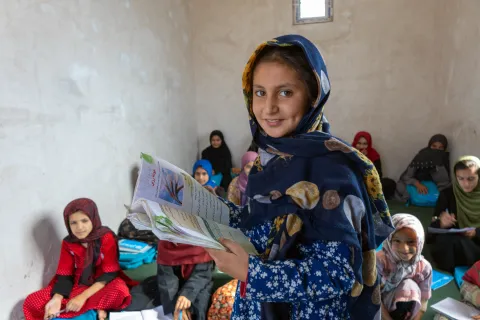
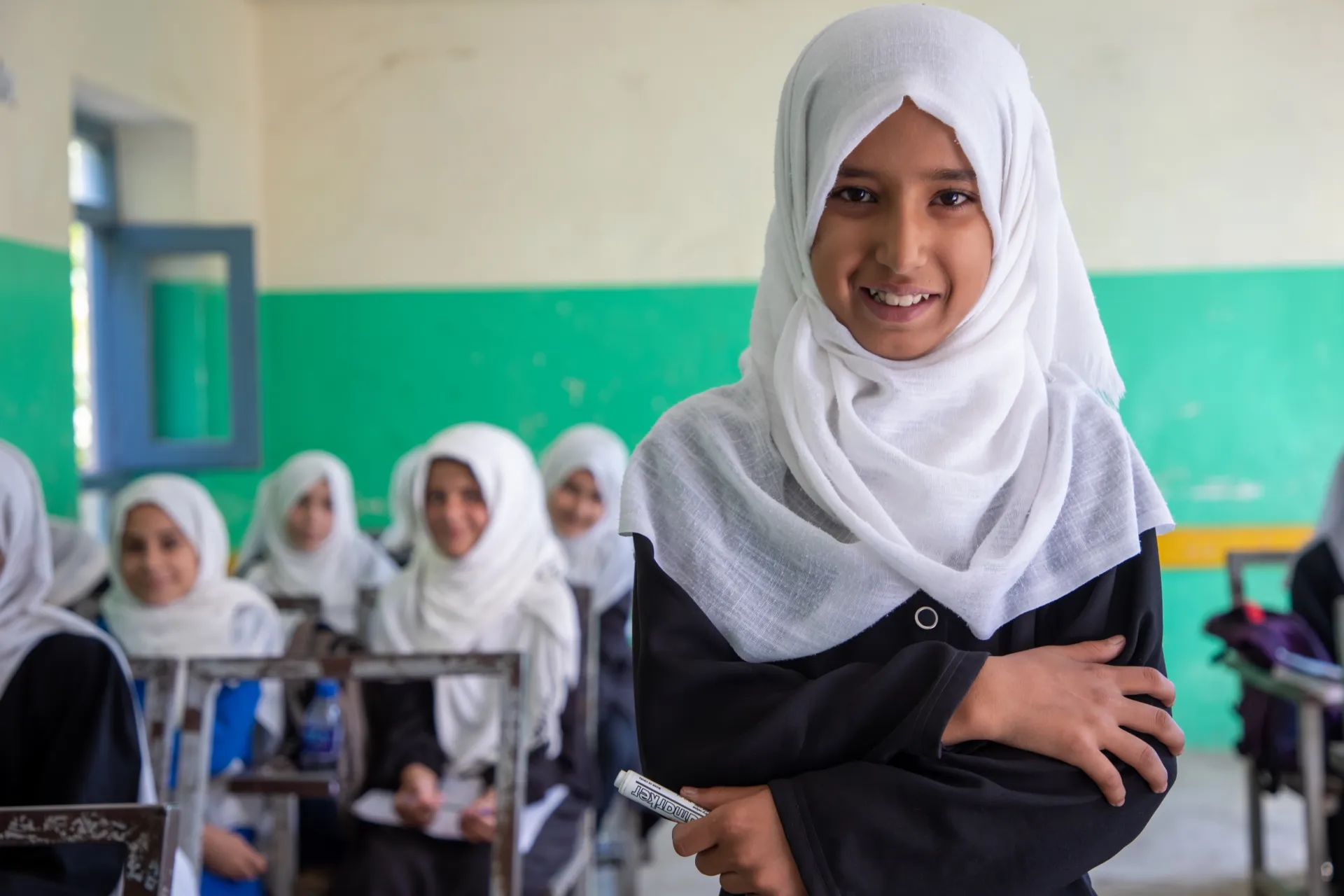
Gender disparity remains one of the starkest barriers. In Afghanistan alone, the denial of access to education has so far impacted 2.2 million girls. Across South Asia, girls from the poorest families will, in most cases, never set foot in a classroom. Of the region's out-of-school girls, 81 per cent are unlikely to ever start school, compared to 42 per cent of out-of-school boys. Adolescent girls aged 15 to 19 in South Asia are three times more likely than boys to not be in school, employment or training.
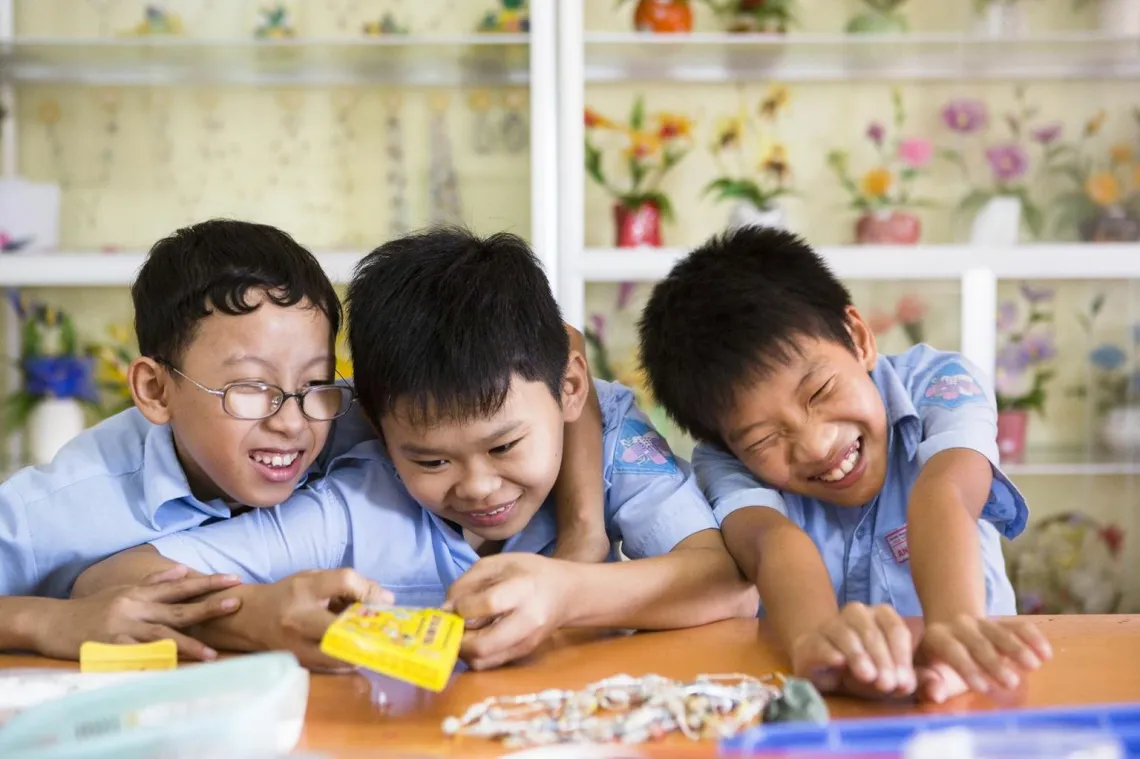
Children with disabilities face equally significant barriers. 107.5 million children in Asia and the Pacific — one in ten — have a disability and are significantly less likely than their peers to attend school.
Exclusion does not end at the school gate. Children who do make it into classrooms often find systems that are under-resourced, understaffed and ill-equipped to meet their needs - leaving them in school, but not learning.
Getting every child into school — and keeping them there — requires shared commitment from families, educators and governments; national policies that put learning at the centre; and sustained investment in reaching the children who are left behind.
Early childhood development and learning
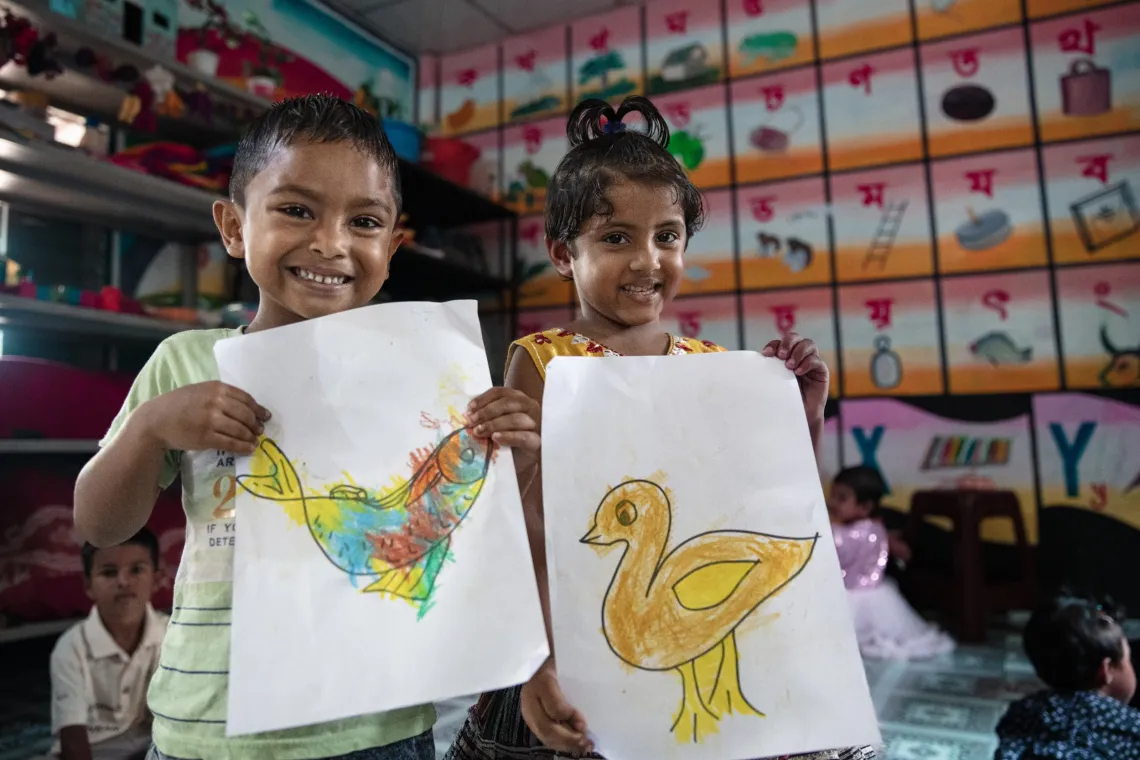
In the first 1,000 days of life, 90 per cent of brain development takes place, making early childhood the single most important moment to shape a child's future.
Quality early childhood development boosts brain development, learning, and social and emotional growth. And these advantages last a lifetime. For governments, the case is equally compelling: every dollar invested in quality early childhood development programmes returns between US$6 and US$17 – making it one of the smartest investments a government can make.
Yet too many children – and countries - in this region continue to miss out on the benefits of early childhood development programmes. In Southeast Asia, children from disadvantaged socioeconomic, linguistic and geographic backgrounds disproportionately miss out on such programmes, while in South Asia and in the Pacific islands, the majority of children do not attend preschool.
Inseparable from early learning is everything that shapes a child's development in their earliest years: health, nutrition, protection, and stimulation. When children receive quality early childhood support, they arrive at school ready to learn, more likely to stay in school and better equipped to reach their full potential.
Quality primary education
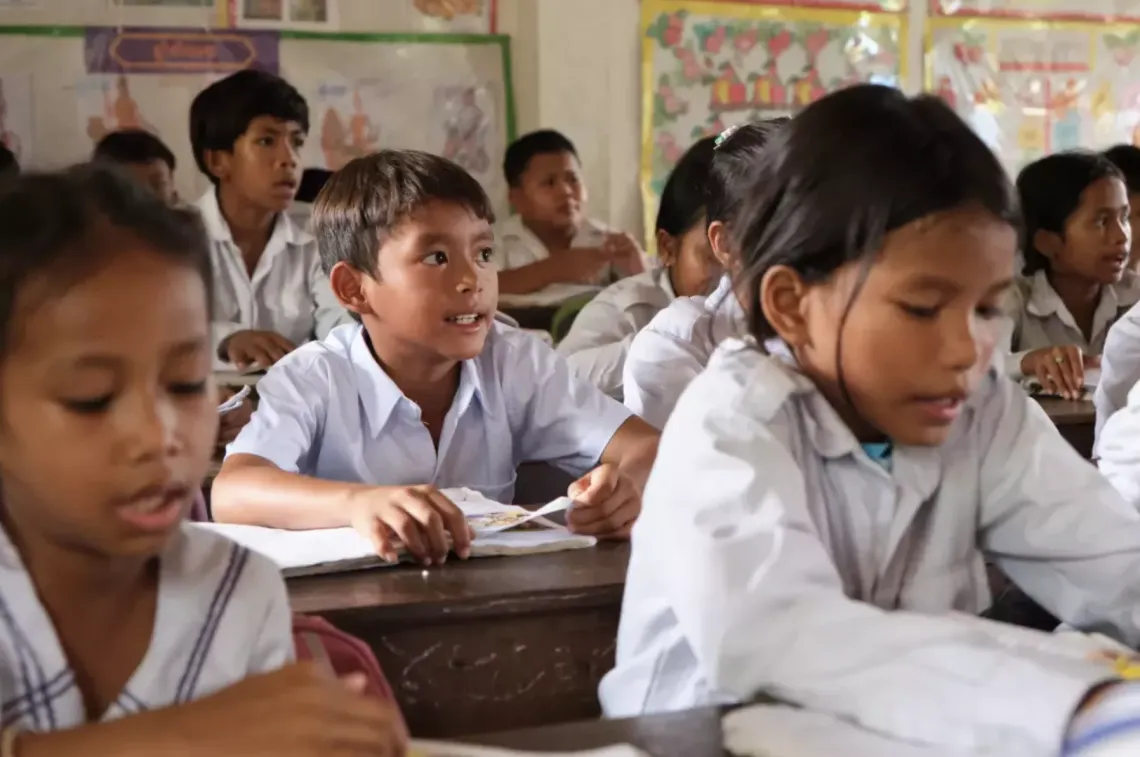
When children receive quality early childhood development support, they arrive at primary school ready to learn. But across this region, too many children are still not learning once they get there.
Across Southeast Asia, one in every two children at Grade 5 is not reading at the expected level. In South Asia, which accounts for 31% of the world’s children in learning poverty, six out of 10 children cannot read a simple text by age 10. These learning gaps often mirror social and economic divides, with rural students, children from the lowest socioeconomic groups and children who do not speak the language of instruction at home among the most left behind.
Without foundational literacy and numeracy skills, children are unable to progress to higher levels of education and eventually to meaningful work and a future of dignity and choice.
Adolescent education and skills
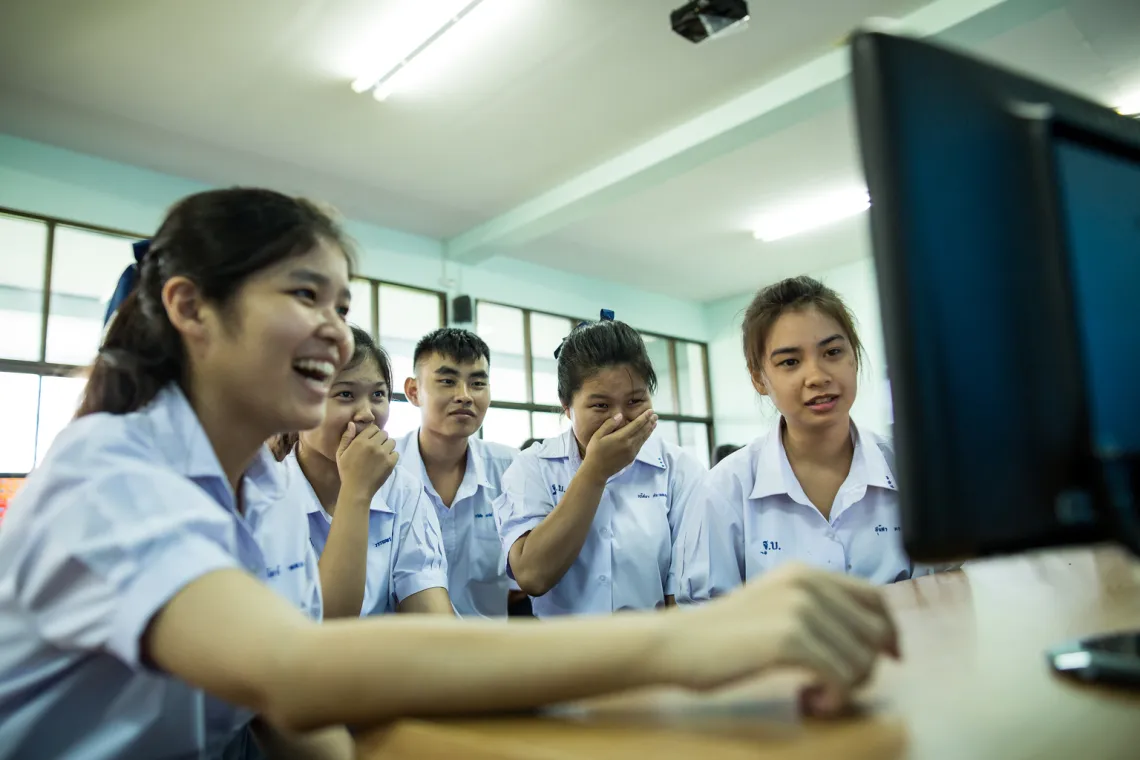
The second decade of life is a second window of opportunity. This critical period brings rapid physical and cognitive development, and what happens during these years has lasting consequences.
Yet across Asia and the Pacific, too many adolescents are not developing the knowledge, skills and confidence they need to shape their futures and contribute to their societies In South Asia, nearly 79 per cent of youth are not on track to acquiring the skills expected at secondary level.
The consequences extend well beyond the classroom. Around 160 million young people aged 15 to 24 in the Asia-Pacific region are not in employment, education or training - and nearly three-quarters of them are adolescent girls.
Education in emergencies
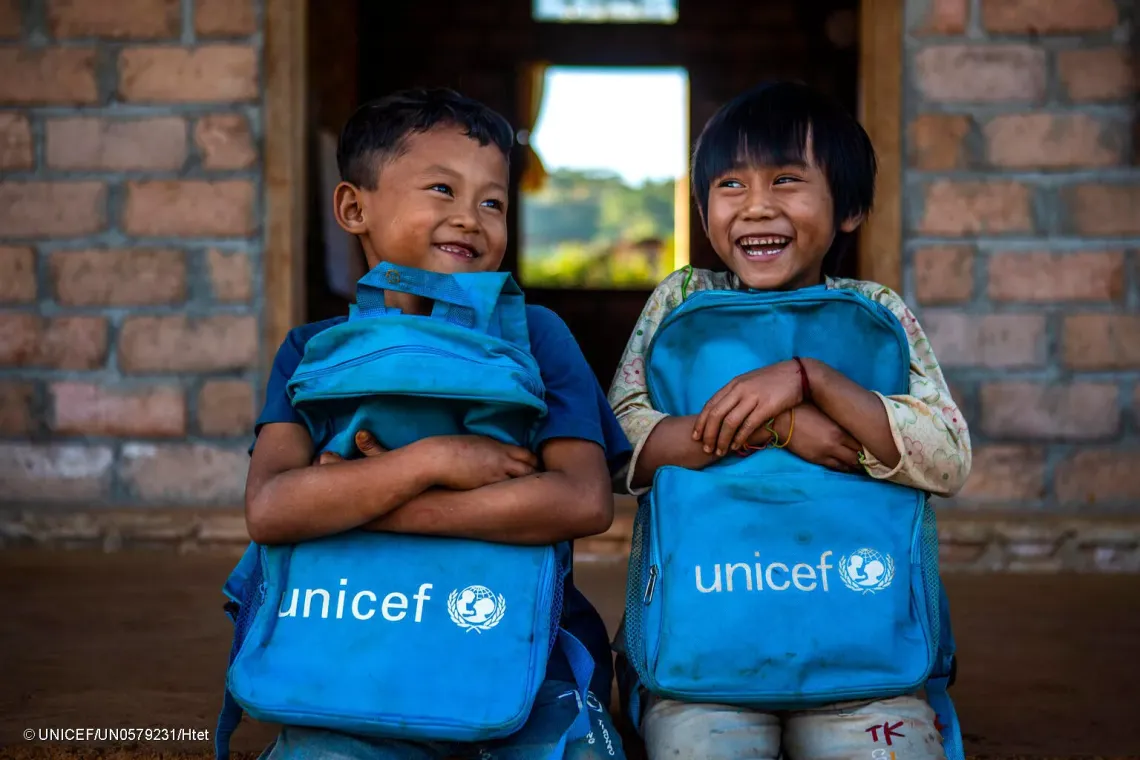
For children caught in a crisis, education is about far more than the right to learn. Schools protect children from dangers such as abuse, exploitation, forced labour and recruitment into armed groups. They provide lifesaving supplies, stability and the structure and support children need to heal.
Asia and the Pacific is the world's most disaster-prone region, where conflict, displacement and climate shocks repeatedly tear children away from their classrooms. In 2024, 128 million students in South Asia alone faced climate-related school disruptions.
In Southeast Asia, back-to-back typhoons and flooding regularly cut children off from learning, while cyclones, sea level rise and saltwater intrusion repeatedly damage schools and displace children in the Pacific.
What we’re doing
UNICEF works to ensure that children are ready for school — and that schools are ready for children.
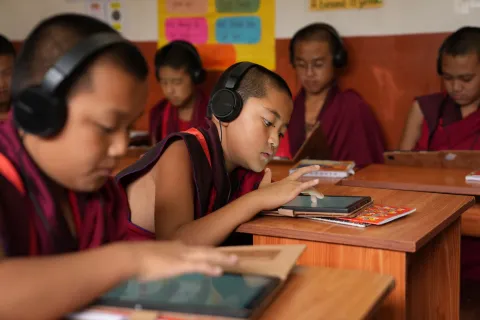
We support governments across the region to generate evidence and invest in quality early childhood development programmes, giving every child the cognitive, language and social foundations they need before they ever enter a classroom. We train teachers, strengthen curricula and improve learning environments, including sanitation facilities, so that schools genuinely work for every child, especially the most vulnerable. We also help governments track and improve learning data to inform instruction and guide evidence-based education policy and reform. Recognizing the power of digital technology to reach more children, empower more teachers and open up new pathways for learning, UNICEF is committed to bridging digital divides and leveraging innovations like AI and adaptive learning tools to strengthen entire education systems.
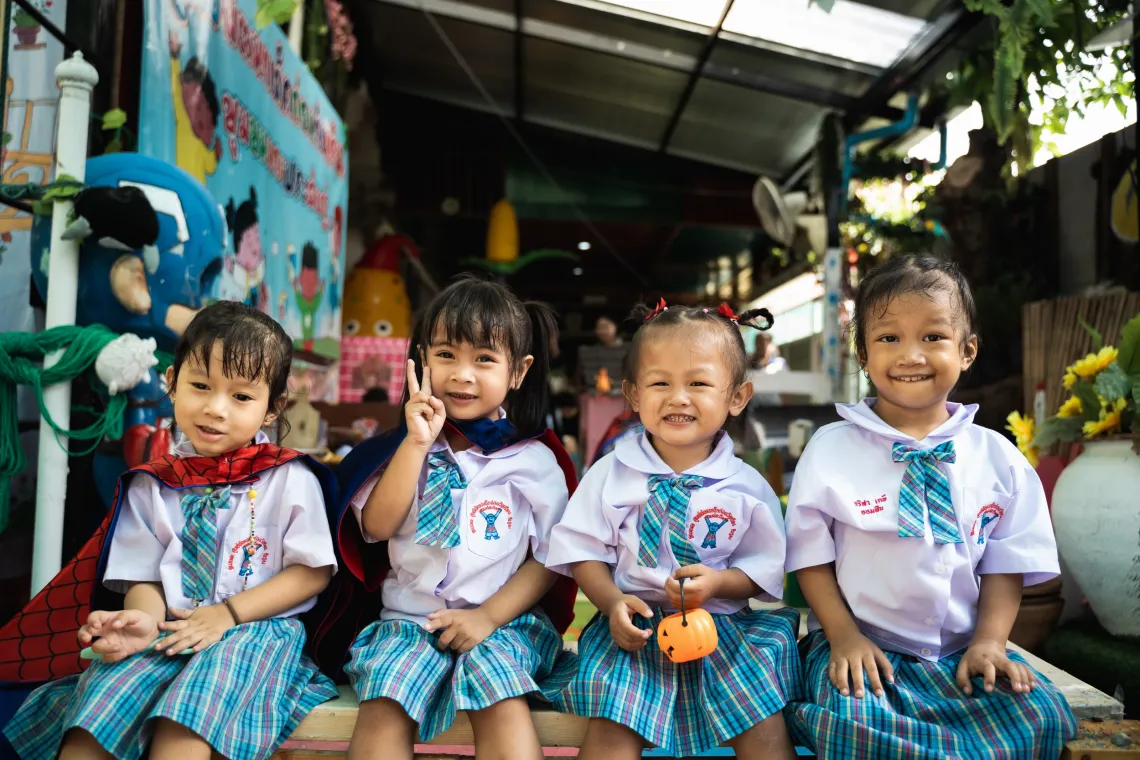
We help ensure climate change education, green skills and 21st century skills are taught in both schools and non-formal learning environments, helping children and adolescents build the skills and knowledge they need for work, active citizenship and futures in a climate-changed world. We also promote safe, inclusive and gender-equitable learning environments, embedding violence prevention into education systems and leveraging schools as catalysts for shaping positive social and gender norms. And in a region where climate disasters are only increasing, we also help countries design and build classrooms that are climate resilient.
When children fall out of the system because of poverty, displacement or crisis, we partner with governments, communities and schools to bring them back, scaling up proven approaches to support re-enrolment, including providing alternative pathways to education and temporary learning spaces for displaced and conflict-affected children.
We never work alone. We always work in partnership with civil society organizations, the private sector and youth networks, ensuring that adolescents have a voice in shaping their own education, and that digital technologies are harnessed positively to expand access and improve learning for every child.
What’s still at stake for education
Over the past decades, many Asia-Pacific countries have made remarkable progress in enrolment, retention and completion rates, while also reducing gender gaps. Otherwise stated, the futures of millions of children have been transformed.
But the work is far from done. The region continues to face a persistent learning crisis, and poverty, geography, disability, ethnicity, language, gender and recurrent emergencies continue to threaten the learning – and the very futures – of millions of children.
If every child in Asia and the Pacific is given the chance to learn, the transformation for families, communities, and entire economies will be felt for generations.
What's still at stake for children in Asia Pacific
Work with UNICEF to make a difference
Resources
- Education data – UNICEF Data
- UNICEF Digital education
- The Learning Passport | The Learning Passport - Afghanistan
- Climate-proof Schools, Future-proof Children
- Digital Literacy
- Learning against the odds (equitable access)
- In pursuit of education for all
- Mapping Early Childhood Development Parenting Programmes
- SEA-PLM Report 2024
- Early Learning Across Six Southeast Asian Countries
- We Are Ready - Transition between pre-primary and primary school
- Inclusive Early Childhood Development Kits for Emergencies
- Education technical expertise – Knowledge@UNICEF
- Early Childhood Development technical expertise – Knowledge@UNICEF