Safeguarding children in the digital age
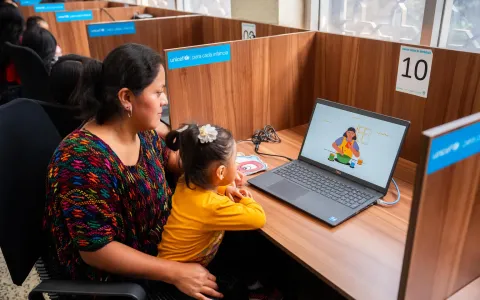
In an age when a child’s first footprint may be digital, how do we ensure children's safety from day one?

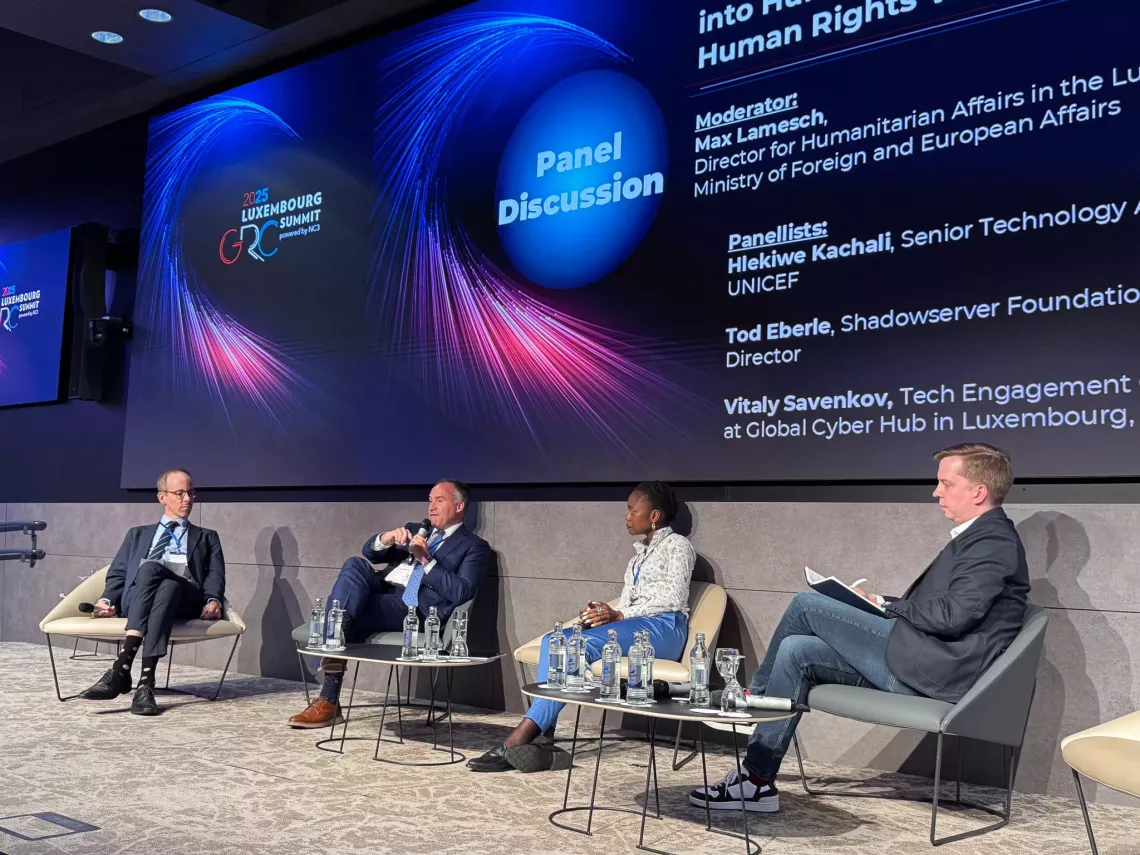
This urgent question took center stage at the inaugural Governance, Risk and Compliance (GRC) Summit held on 5 June 2025 at the Luxembourg Chamber of Commerce. UNICEF was present with its message: protecting child rights must be a foundational pillar of our digital environment, not an afterthought.
During a panel titled “Safeguarding Rights and Data”, UNICEF joined forces with the International Committee of the Red Cross, Luxembourg’s Foreign Ministry, and The Shadowserver Foundation to spotlight the growing risks children face in an increasingly connected world.
From biometric data to health information to AI-powered toys, the digital environment is evolving rapidly. Yet the safeguards to protect its youngest users are lagging dangerously behind, and the need to advance child protection, cybersecurity, and digital governance is of paramount importance.
UNICEF's contributions to the discussion emphasized how child rights must be embedded into the core of digital governance frameworks, underscoring the importance of evidence-based risk assessments, continuous monitoring, and compliance with key international instruments such as the UN’s General Comment No. 25 on children’s rights in the digital environment.
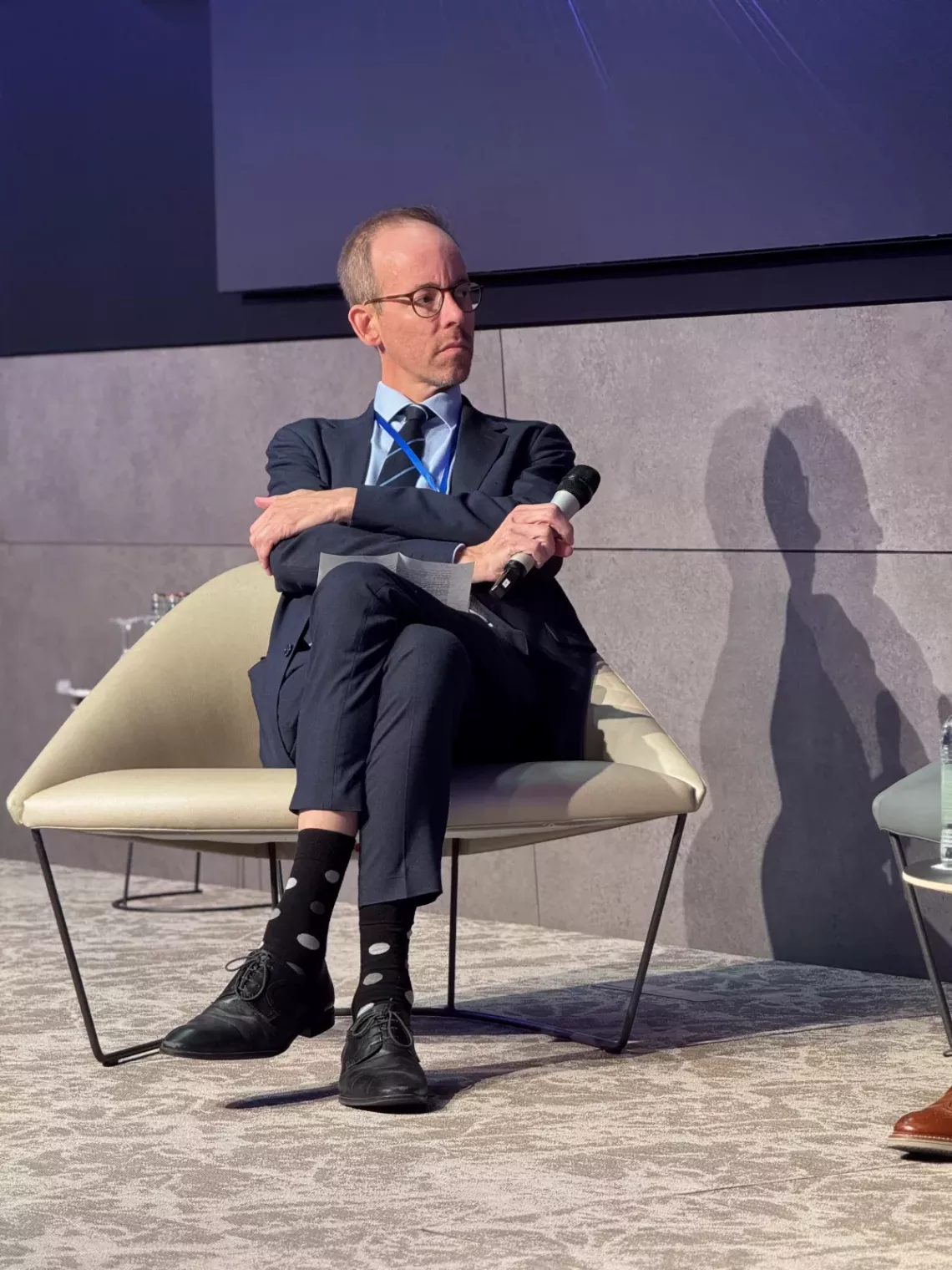
Sebastian Bania, UNICEF Chief Information Security Officer, highlighted the urgent need to move beyond adult-centric cybersecurity models and adopt child-specific safeguards, especially in humanitarian contexts where data breaches can have life-threatening consequences.
“Inadequately protected systems can endanger children's lives," he said. "A breach of a digital civil registration system could put an entire generation at risk, creating vulnerabilities that span decades as compromised birth records and identity documents remain exposed throughout their lifetimes. In crisis contexts, cybersecurity isn't just about protecting information - it's about protecting lives.”
The panel underlined a growing gap between the pace of technological innovation and the safeguards needed to protect vulnerable populations. From AI-powered toys to biometric data collection, children are increasingly exposed to risks that existing governance structures are ill-equipped to manage.
“Children born into the digital era live in a world where online exposure begins from day one.”
“A breach of a digital civil registration system could put an entire generation at risk, creating vulnerabilities that span decades as compromised birth records and identity documents remain exposed throughout their lifetimes.”

“Children born into the digital era live in a world where online exposure begins from day one,” said Hlekiwe Kachali, Senior ICT Adviser. “To enjoy the benefits of this world, they need both education and protection.”
She emphasized UNICEF’s partnership with the Government of Luxembourg through the Safe Child initiative, which focuses on safeguarding the security of digital systems for children in contexts including development, humanitarian emergencies, and fragile settings, thereby protecting their rights.
The takeaway was clear: cybersecurity is no longer just a technical issue, nor is it optional. It is an imperative and a must to protect child rights. And without coordinated, inclusive, and rights-based governance, the digital world will continue to leave its most vulnerable users behind.
“Child rights are fundamental in everything we do, be it in Luxembourg itself or abroad” said Max Lamesch, Director for Humanitarian Affairs at the Luxembourg Ministry of Foreign and European Affairs. “With the new digital tools being used by organizations—and also by actors in cyberspace, children and women are often the first victims. It’s our fundamental work to help organizations like UNICEF protect them, especially in crisis-affected regions.”
This session was part of a broader summit agenda focused on emerging risks, regulatory compliance, and the future of cybersecurity.
The conference brought together Chief Information Security Officers (CISOs) from European agencies and the public and private sectors, for enriching conversations on critical topics such as securing an AI future and quantum cryptography. These discussions with both international participants and the Luxembourg ecosystem deepened the session's outcomes significantly. The event culminated in a closing address by Luxembourg Minister of Economy Lex Delles, who emphasized the critical importance of cybersecurity investment in our rapidly digitizing world.