How Lesotho is protecting children and their families in a digital age
Testing for vulnerabilities, training staff, and even piloting new cybersecurity controls specific to children
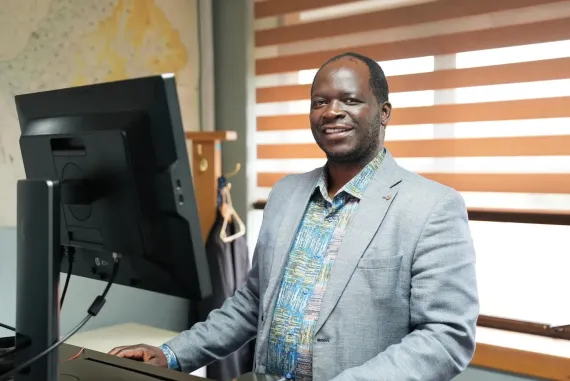
At the government office in Maseru, a team of staff surrounds a screen led by the Principal Secretary of the Ministry of Communication. Fully engaged and examining every detail, they are assessing their cybersecurity requirements ahead of a cybersecurity drill. Their aim is to safeguard the digital systems that support thousands of families relying on social services.
Lesotho’s social protection and service provision platforms hold sensitive information about children and families. If that data were ever compromised, the consequences could be devastating.
As a result, UNICEF, with support from the Luxembourg Ministry of Foreign Affairs, is assisting the government in strengthening its cyber defences. Through the Safe Child project, Lesotho is carrying out a comprehensive Cyber Readiness Assessment.
“We are proud to be working with UNICEF to embed child rights into our digital systems. This is not just about technology, it’s about equity and access.”
This involves testing for vulnerabilities, training staff, and even piloting new cybersecurity controls specific to children.
Mr Kanono Ramashamole, the Principal Secretary in the Ministry of Communication, echoes this commitment: “We are proud to be working with UNICEF to embed child rights into our digital systems. This is not just about technology, it’s about equity and access.”
One of the most innovative tools being used is the Child Rights Cyber Maturity Addendum. It helps assess how well systems protect children’s data and whether they’re prepared for digital risks that could affect young users.

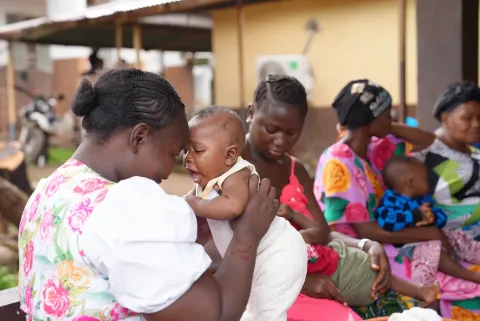
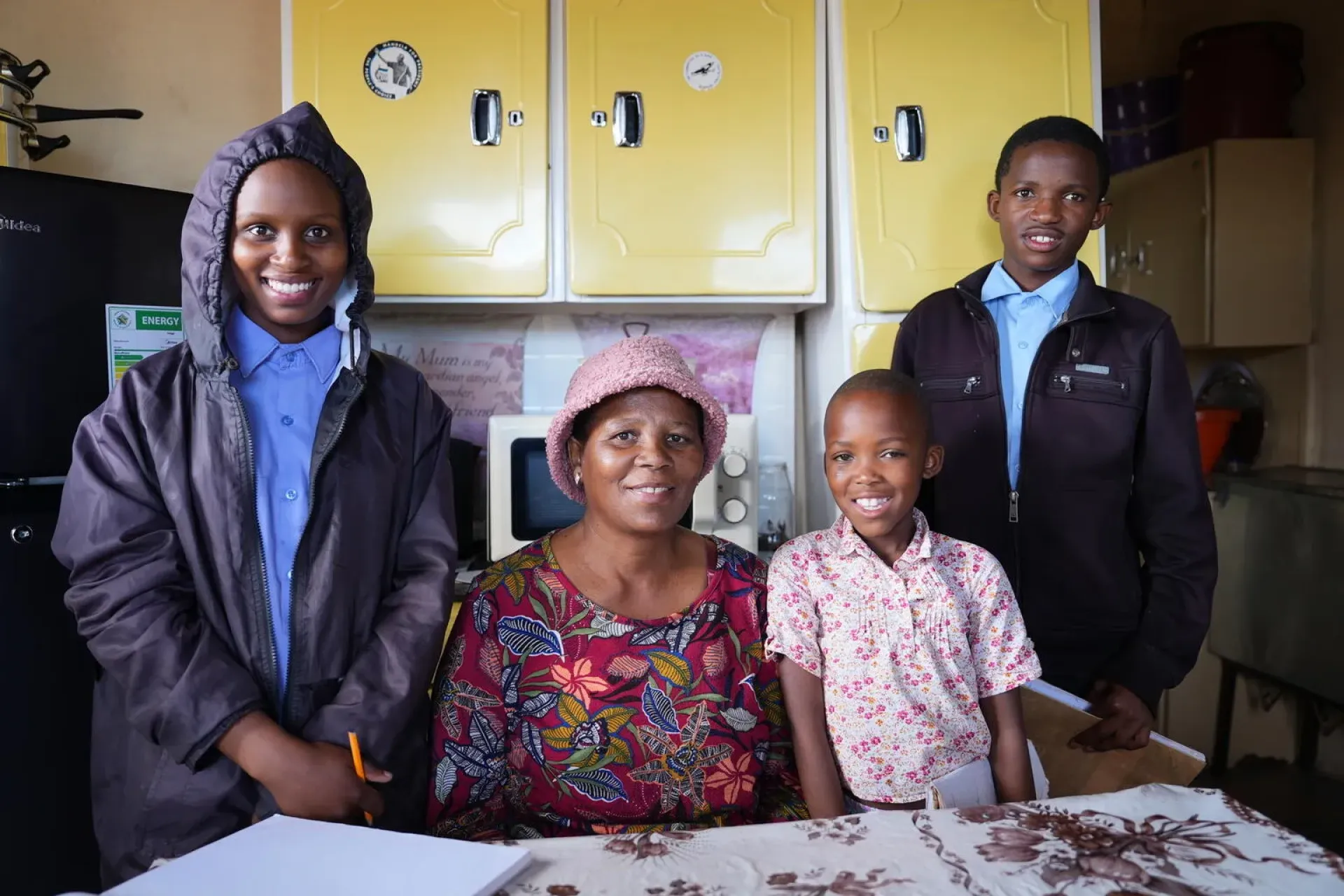
For families like the Nkhahles, who depend on these systems for monthly child grants, this work is invisible but vital. “I never thought about hackers,” says ‘Ma Nkhahle. “But now I know the government is protecting our information. That means a lot.”
The Cyber Readiness programme is about more than firewalls it’s about foresight. It’s about ensuring that digital threats never become real-world harm for children.”
Deepak Bhaskaran, UNICEF Representative in Lesotho, emphasizes: “Cybersecurity is a child protection issue. When we secure the systems that serve children, we’re safeguarding their futures.”
Mr Ramashamole agrees: “We are building resilience not just in our systems, but in our institutions. This work ensures that Lesotho is prepared to protect its most vulnerable citizens in a digital age.”
UNICEF’s Chief of Social Policy adds: “The Cyber Readiness programme is about more than firewalls it’s about foresight. It’s about ensuring that digital threats never become real-world harm for children.”
By investing in cybersecurity today, Lesotho is building digital resilience for tomorrow and ensuring the right to digital protection for all children.
Watch the video and learn how cybersecurity ensures safer digital protection for families in Lesotho.