Child Alert: 20 years on, children under threat in Darfur
Two decades after global alarm over Sudan’s Darfur region, children are again facing violence, displacement, hunger and loss of protection.
- English
- العربية
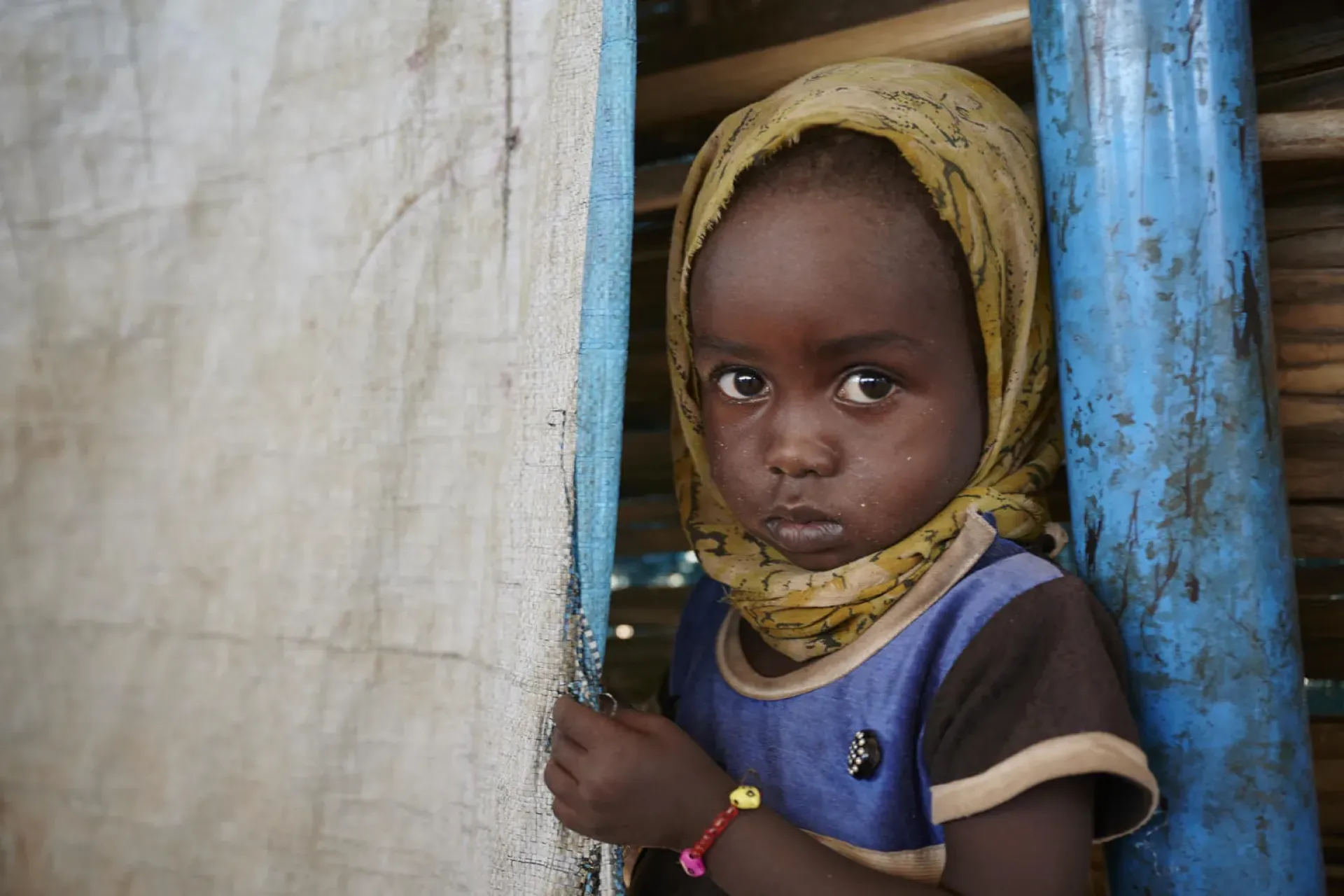
In 2005, UNICEF’s first Child Alert warned that Darfur’s children faced a dangerously uncertain future. Two decades later, as renewed conflict in Sudan has entered its third year, children are once again trapped in a humanitarian catastrophe. Girls and boys have seen their schools destroyed, their communities attacked, and their rights flagrantly violated. Many have witnessed killing and lost parents. Millions have been displaced.
The situation is a test of whether the international community will act more decisively, not only to protect children, but to break a cycle that has already stolen too many childhoods.
What’s happening in Darfur?
Across Darfur, a full-blown humanitarian catastrophe is unfolding – acute hunger, soaring malnutrition, collapsed health services, and unsafe water and sanitation. Conflict has shattered livelihoods and food systems, pushing communities towards famine. Tens of thousands of children living in displacement sites scattered across the Darfur states are teetering on the brink.
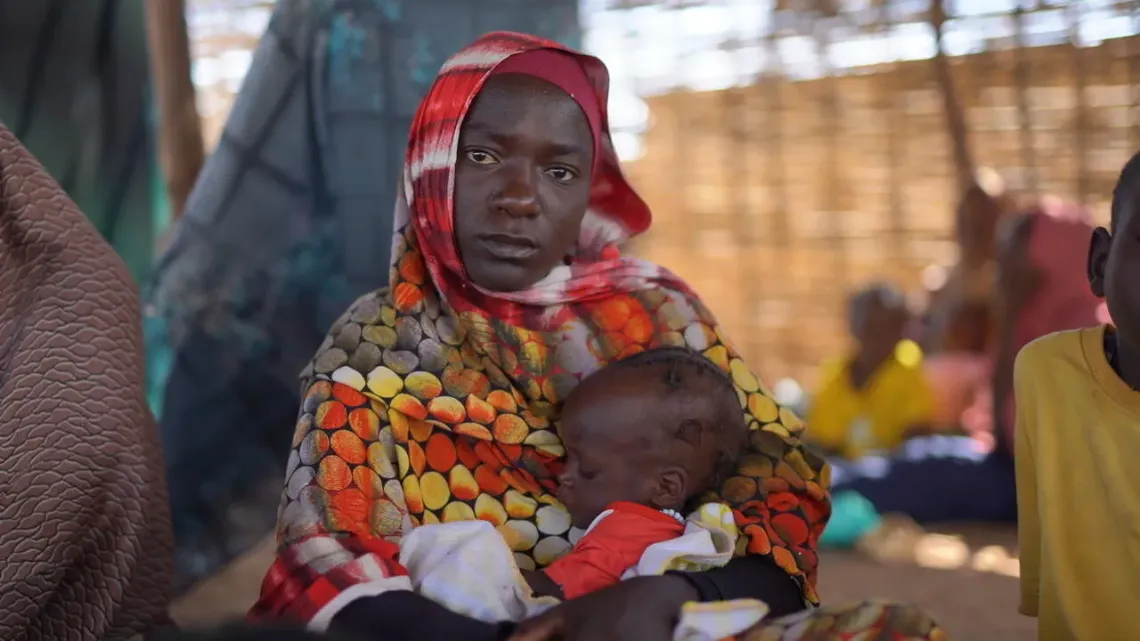
The crisis is impacting children’s health
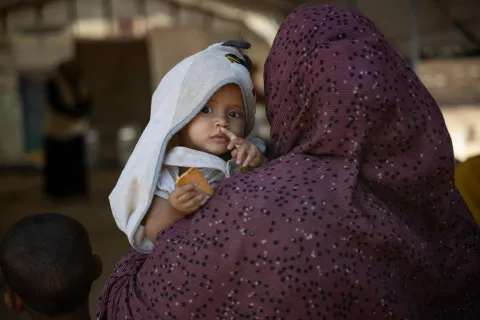
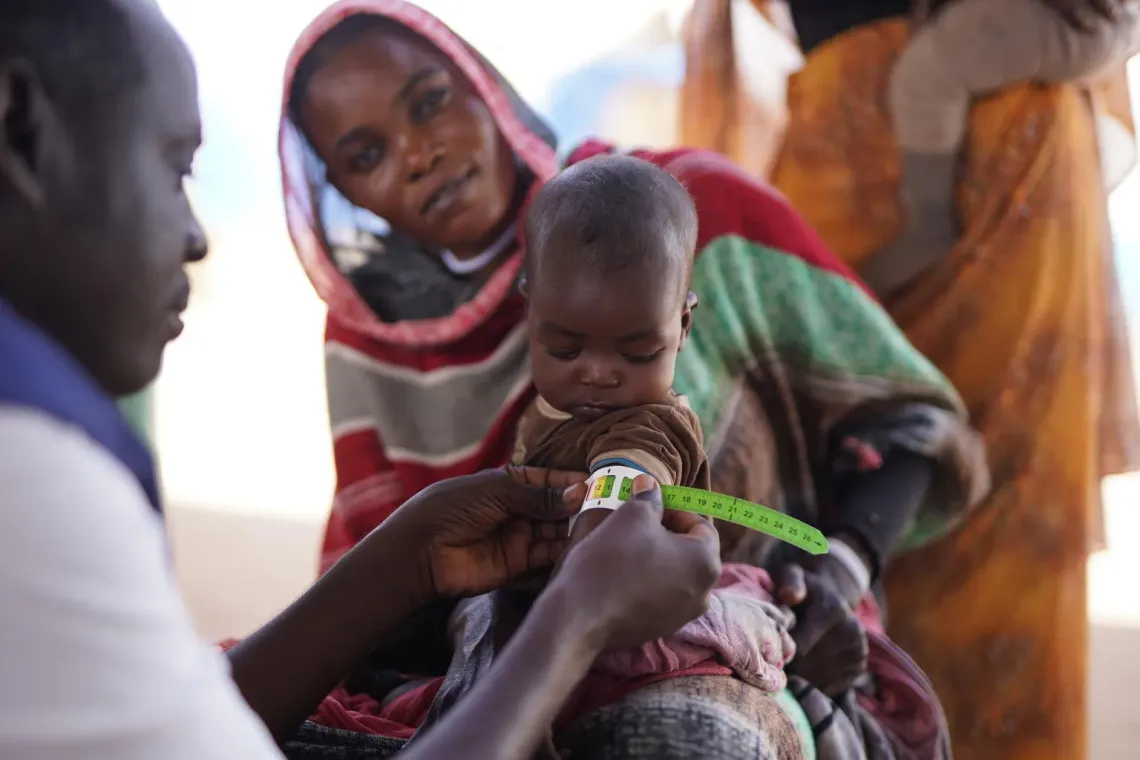
Dozens of health facilities have been damaged, looted or closed. In North Darfur alone, 35 health facilities have been attacked since 2023, including the main maternal hospital in Al Fasher. Health workers have fled, and medicines are scarce. Routine immunization has been disrupted, fuelling measles and malaria outbreaks. Across Sudan, an estimated 4.2 million cases of acute malnutrition are expected in 2026 among children under five and pregnant and breastfeeding women, including more than 825,000 cases of severe acute malnutrition, many in Darfur.
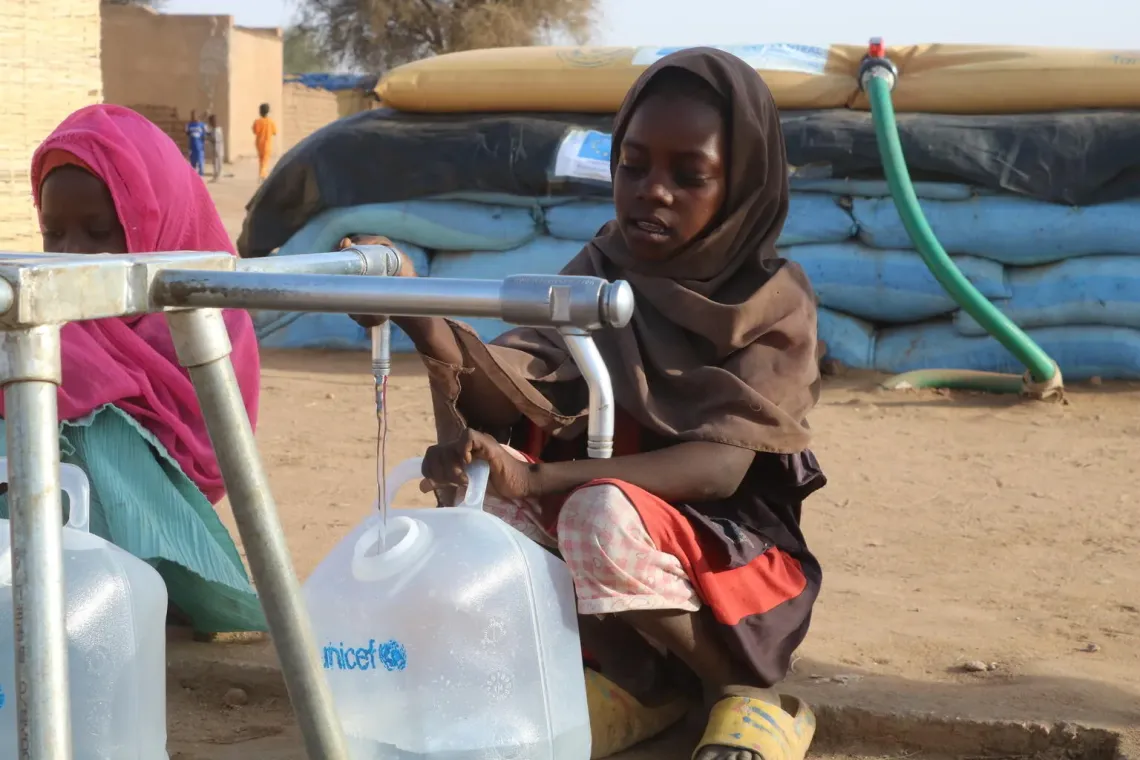
Impeding their access to safe water
Water, sanitation and hygiene (WASH) systems are failing under the weight of protracted conflict. In the displacement sites in Tawila, which continue to shelter a large community of internally displaced people, many families still don’t have enough water to meet basic daily needs. More than half of people receive less than the minimum amount of water needed to survive, with most families getting just eight to nine litres per person per day, barely enough for drinking and cooking, and almost nothing for washing.
And placing an entire generation’s future at risk
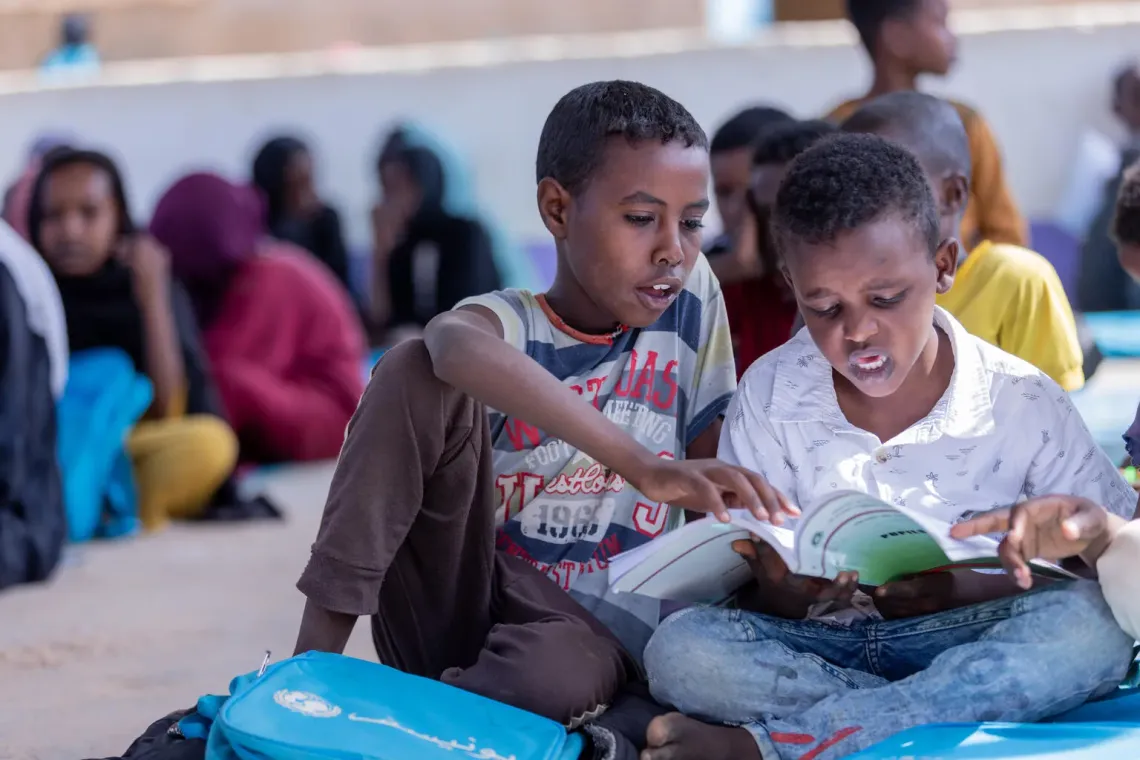
Even before this war, Sudan faced an education crisis, with around 7 million children out of school or not accessing quality learning. Since April 2023, formal education in large parts of Darfur has essentially ceased, especially in North and West Darfur. Of the estimated 3.9 million school aged children in Darfur, 3.3 million are out of school.
Attacks on schools have been documented. Most schools today are closed or are being used as shelters. Teachers have fled or gone unpaid; families fear gathering due to shelling. Adolescents out of school face heightened risks of recruitment and exploitation. Parents say they would rather keep their children home and safe.
How is UNICEF supporting children in Darfur?
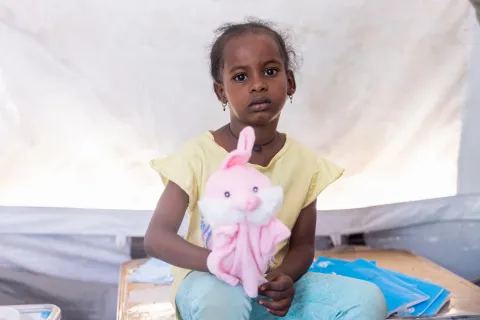
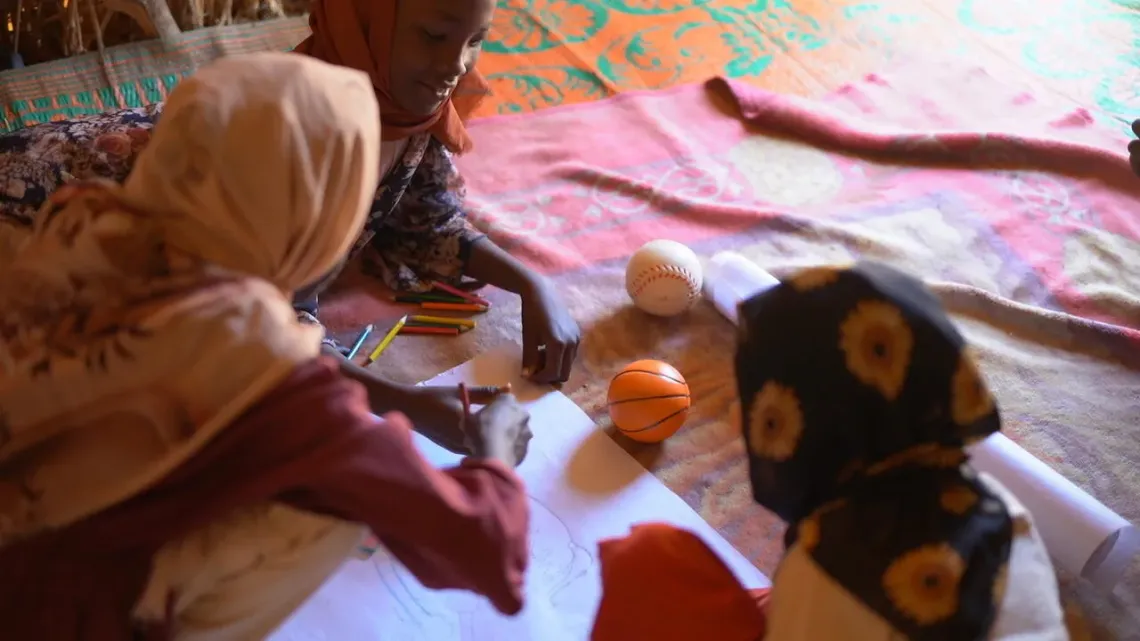
UNICEF, working through its partners, continues to deliver essential health and nutrition services and supports learning and child protection, including through child-friendly spaces. But aid missions in Darfur are all too often delayed or denied due to insecurity, administrative impediments and active fighting, limiting sustained presence. While UNICEF and partners continue to find innovative and flexible ways to remain present and deliver for children, large-scale access and presence is essential. Without them, the response cannot keep pace with growing needs.
What is UNICEF calling for?
Aid corridors must open and remain open, and movement must be enabled rather than obstructed. Civilians and key civilian infrastructure, including schools, clinics and water systems, must be spared from attacks. Separated children must be traced and reunited, survivors of gender-based violence supported, and all grave violations against children must end.
The response also requires funding that matches the scale and urgency of the needs. Flexible, multi-year financing can keep nutrition, health, water, education and protection services running and prevent the collapse of already weakened systems. Fuel, vaccines and temporary learning spaces aren’t optional extras – they are lifelines.
>>> Read the full Child Alert for more on what UNICEF is calling for from parties to the conflict, Sudanese authorities, bilateral and multilateral partners, neighbouring states and regional bodies, United Nations, African Union and Member States, and the media and public.
No time to give up hope
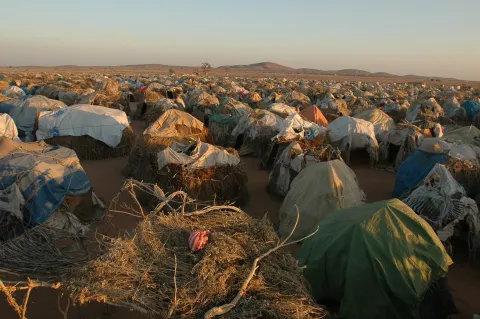
The children of Darfur are living through one of the world’s gravest protection and humanitarian crises. Two decades after the world first prompted a global alarm, girls and boys are once again trapped in violence, hunger and fear. A second generation of children is now paying the heavy price of repeated failure to prevent and resolve conflict. Yet amid burned villages and crowded camps in Darfur and Chad, children still show resilience. They dream of a day when bullets stop, classrooms reopen, friendships resume and nights pass without terror.
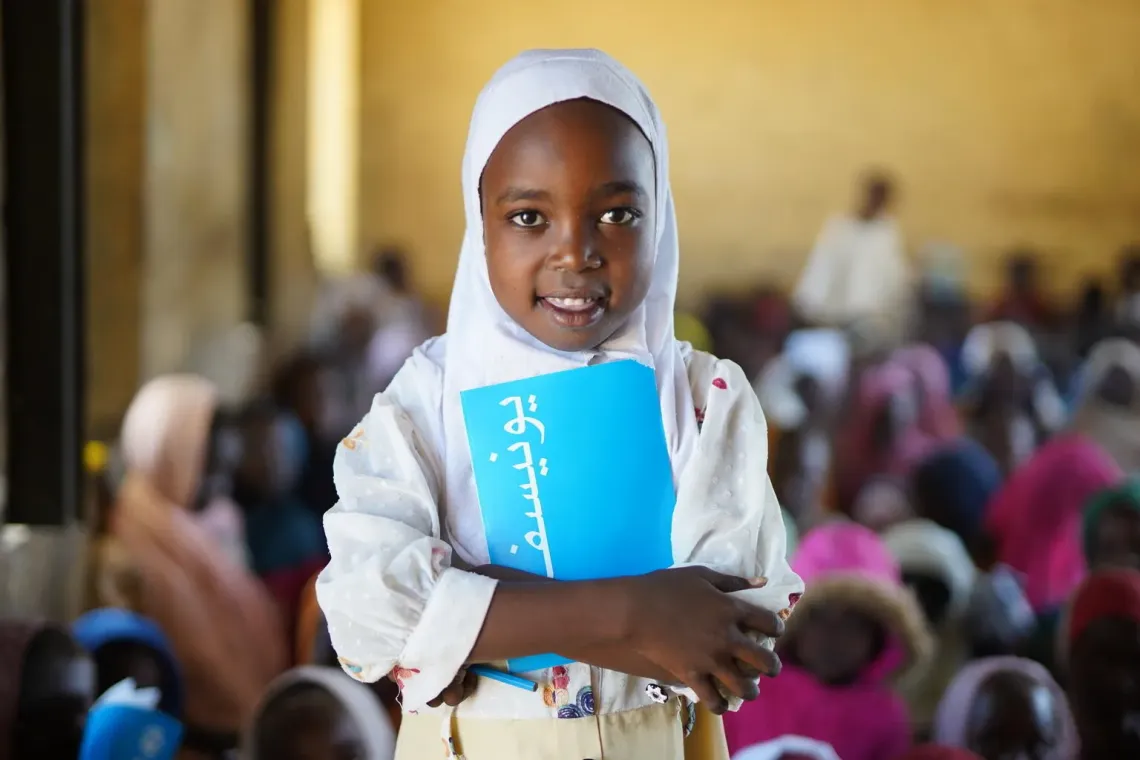
With safe, unimpeded humanitarian access, robust child protection, and peace, young people can recover from trauma, learn and grow, and someday lead their communities toward reconciliation and renewal. They haven’t given up – nor should we.
Highlights
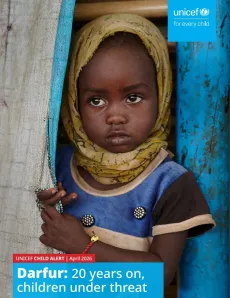
In late 2005, UNICEF’s first Child Alert warned that Darfur’s children faced a dangerously uncertain future: homes torched, classrooms shut and childhoods reduced to a fight for survival. Twenty years later, Darfur’s children are again trapped in catastrophic conflict that re-ignited in 2023 and has engulfed the region. ‘Darfur: 20 years on, children under threat’ looks at the current crisis, how it is impacting children, and UNICEF’s response.