Tripartite Initiative for Youth Empowerment.
Platform that brings together the State, the private sector and young people allow Civil Society Organizations to share the perspective on Youth Employability.

- Portuguese
- English
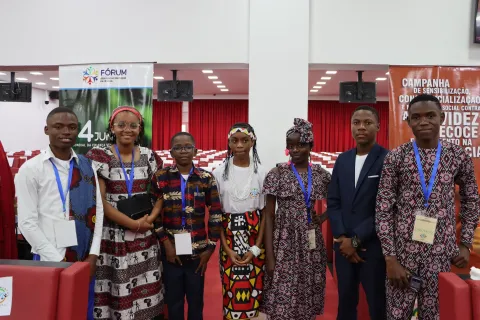
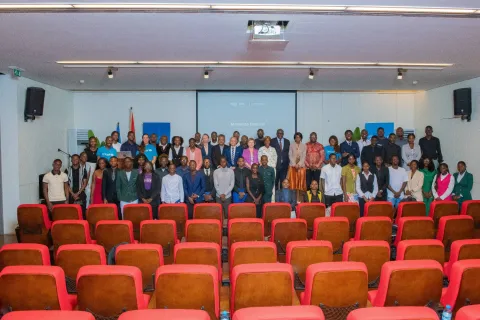
On 30 and 31 May, UNICEF, in partnership with the Government of Angola, private sector partners, international cooperation, and leaders of civil society youth organizations, launched the State of Youth Study and analyzed the action plan of the Unlimited Generation initiative, a strategic initiative aligned with the National Development Programme 2023-2027 and the Long-Term Strategy 2050.
The discussions focused on key issues of youth education and employability, seeking innovative solutions for a brighter future for young Angolans.
Over the two days, the discussions revolved around the study of the State of Youth in Angola, conducted by UNICEF to understand the challenges faced by young people in the country, as well as to evaluate current initiatives related to the transition from education to the labor market. A focus was given to the evaluation of the programs, partnerships, and activities proposed in the study, considering their potential impact, economic feasibility, and alignment with public policies.
The sessions were also marked by in-depth discussions on the potential for impact and the possibilities for collaboration between different sectors. There were detailed presentations of the results of the study, panels with experts who discussed public policies and implementation strategies, and interactive sessions to exchange ideas and best practices.
The Workshop provided a valuable platform for leaders of civil society youth organizations to share their perspectives and experiences in promoting youth employability. Despite the significant challenges they face, these organizations have demonstrated a tireless determination to work to ensure a brighter future for Angola's youth.
Dara Correia, 26, pointed out that "one of the biggest challenges we face is the lack of adequate resources to implement and monitor the programs and initiatives that truly meet the needs of young people."
"Given the challenges we face, I am convinced that in order to achieve significant results in promoting youth employability, we, leaders of civil society organizations, must prioritize targeting young people with training initiatives, mentoring programs, and internship opportunities, ensuring an effective transition from school to the labor market," Dara said

During the event, leaders of youth organizations highlighted the importance of a comprehensive and collaborative approach to ensure a smooth and successful transition for Angolan youth.
Representing the Association of Students in Private Universities of Angola, the young Anadil Solange, stressed the need for training programs, emphasizing that many young people take courses without guidance and vocation.
Anadil also highlighted the importance of supporting entrepreneurship to create sustainable employment opportunities, recognizing the need for greater collaboration between organizations, government, and the private sector.
" We advocate strategic partnerships and promote the exchange of knowledge and resources to strengthen our efforts to promote youth employability."

Faced with young Angolans' challenges, Carmen Mateia, leader of the association Agitadores Culturais, emphasized "the need to adopt a collaborative and comprehensive approach".
"We need to join forces and resources to ensure that every young person has access to opportunities and has the support they need to succeed in the modern job market," he said.
Leaders of civil society organizations have shown a commitment to empowering young people with the skills and opportunities they need to thrive in the ever-evolving job market.