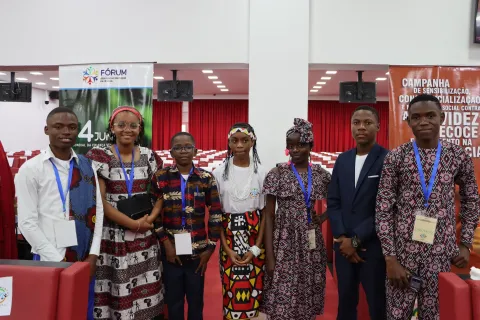
Training of Multipliers on Sexual and Reproductive Health and Mental Health and Psychosocial Support
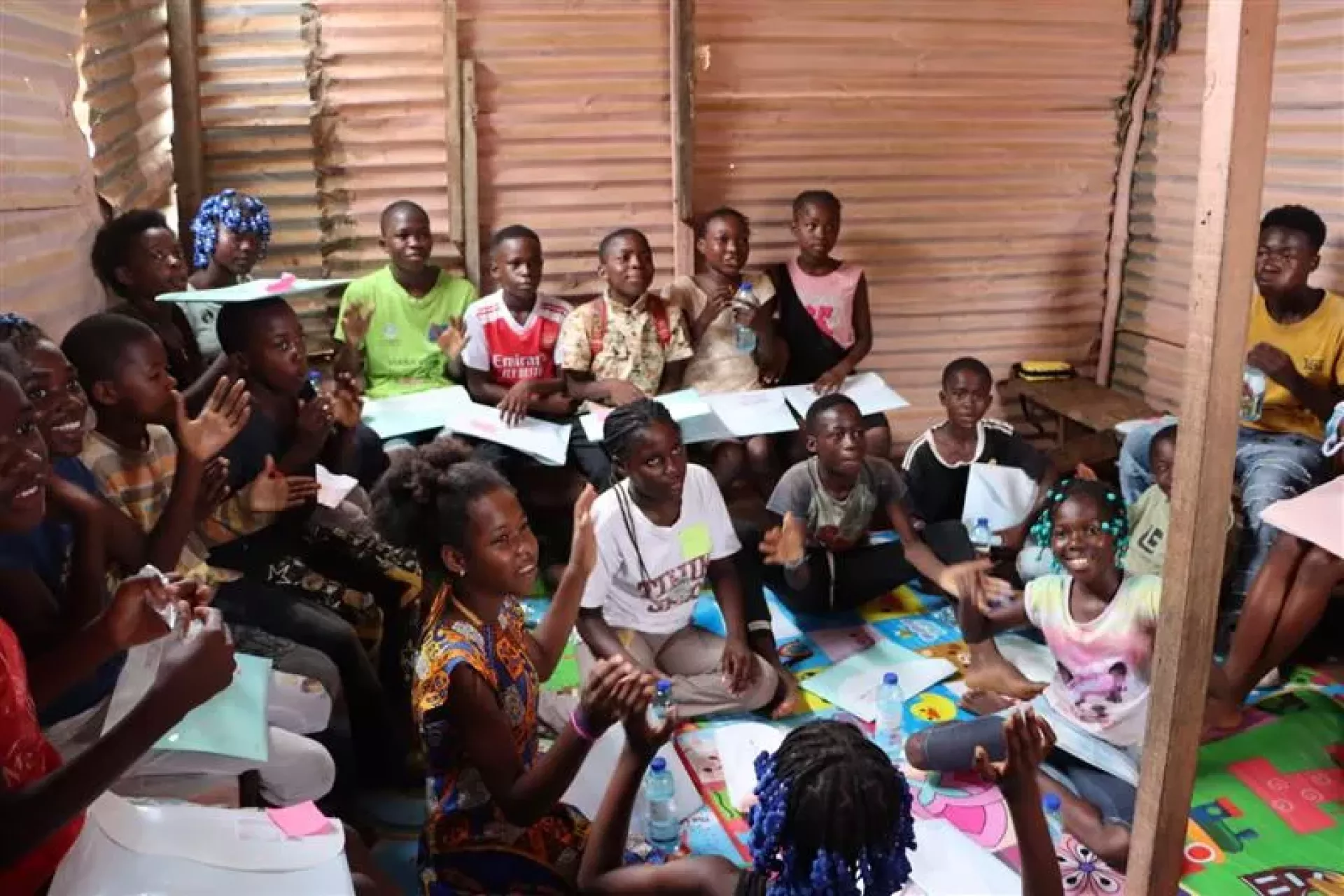
A safe environment for adolescents to share experiences and concerns about mental and sexual health.
- Portuguese
- English
Adolescent and youth sexual and reproductive health and mental health are key components to ensure a healthy and sustainable future for youth. In Angola, 65% of the population is under 25 years old, making investing in policies and programs that promote access to information and adequate health services essential.
Lack of knowledge about Sexual and Reproductive Health (SRHR) and Mental Health and Psychosocial Support (MHPSS) contributes to high rates of adolescent pregnancy, sexually transmitted infections (STIs), gender-based violence (GBV), and barriers in accessing psychosocial support services.
To ensure the increase of knowledge and promote the adoption of healthy practices for the prevention of STIs, UNICEF, which supports actions aimed at promoting the rights and health of young people in Angola, in partnership with the Mwana Pwo association, implement the Girl-to-Girl project, working in collaboration with health institutions, education and local community organizations to ensure the success of the trainings.
The objectives of the trainings are to train adolescents and young people to act as multipliers of information about SRHR and MHPSS, strengthening awareness and promoting access to health services and psychosocial support.
Melânia Caiva, Project Manager at Mwana Pwo since 2021, points out that the Girl-to-Girl project has as a priority to transform young women into leaders. Regarding training, he says that we chose this community in Zango, in Chapas, due to the little access to the necessary information about psychosocial support services.
"The girls and boys show a lot of interest in participating in this training and are very willing to share the information learned with their friends and their communities. Now we are working with a group of 30 teenagers"
Melânia says that one of the main objectives is also the creation of neighborhood groups that will be led by the trainees who are called community champions.
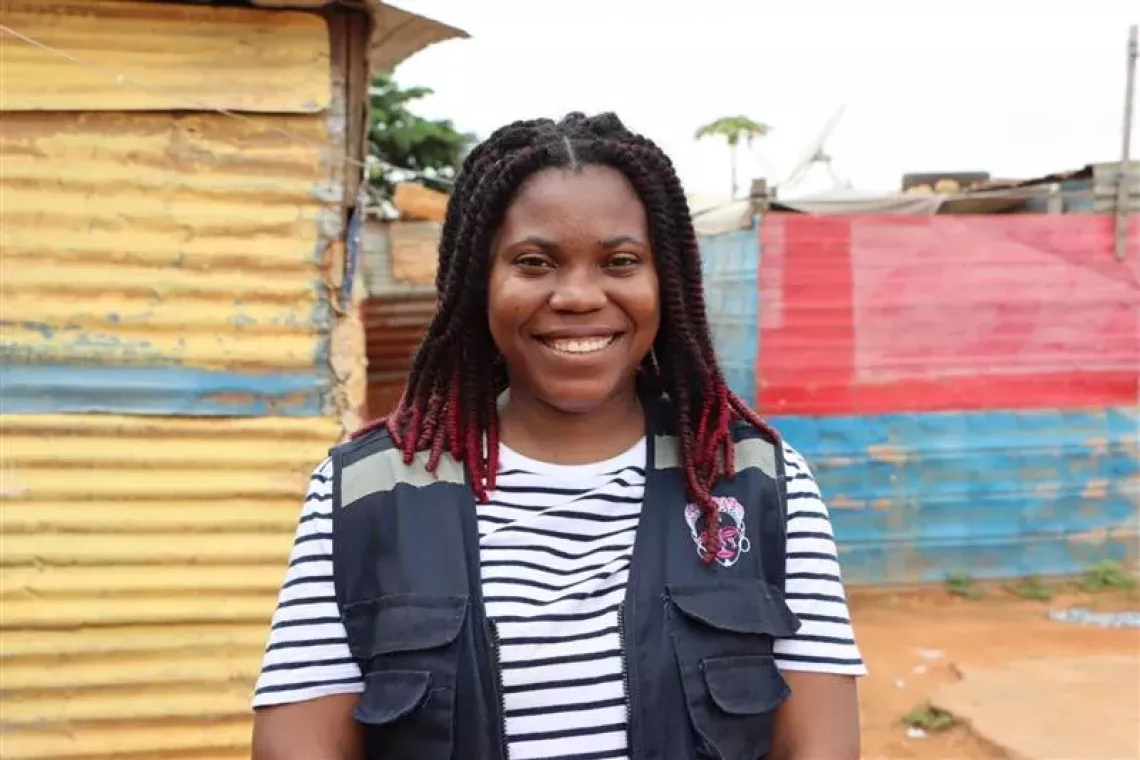
The implementation of this initiative will allow the development of communication and community advocacy strategies for the promotion of health and rights of young people.
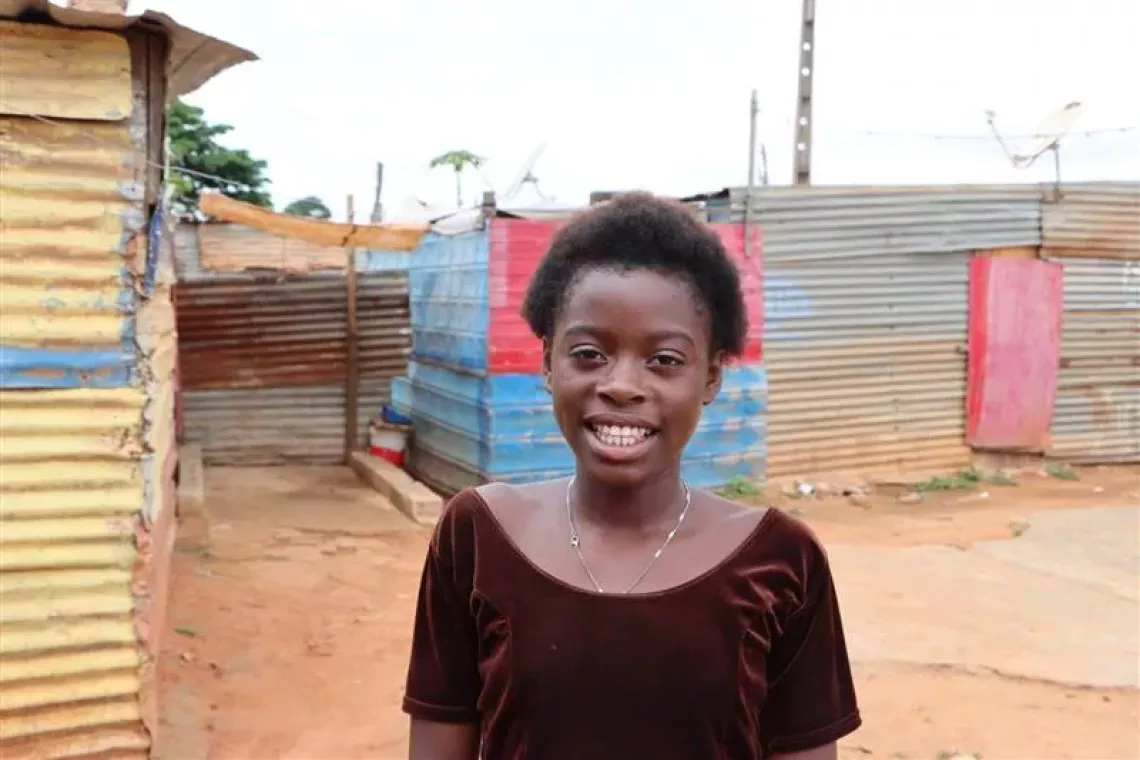
Elena Cipriano, a 13-year-old 7th grade student, says that with this training she gained new knowledge about health promotion and youth rights and that she wants to share this knowledge with other young women in her neighborhood.
"I learned that we should have respect for our elders, and we should read a lot about children's rights"
Elisio Alexandre, a 14-year-old 5th-grade student, says he really enjoyed the training on Sexual and Reproductive Health, Mental Health and Psychosocial Support.
"I also learned that all children should know their rights, they should be good students and focus on classes following more things that lead us to education"
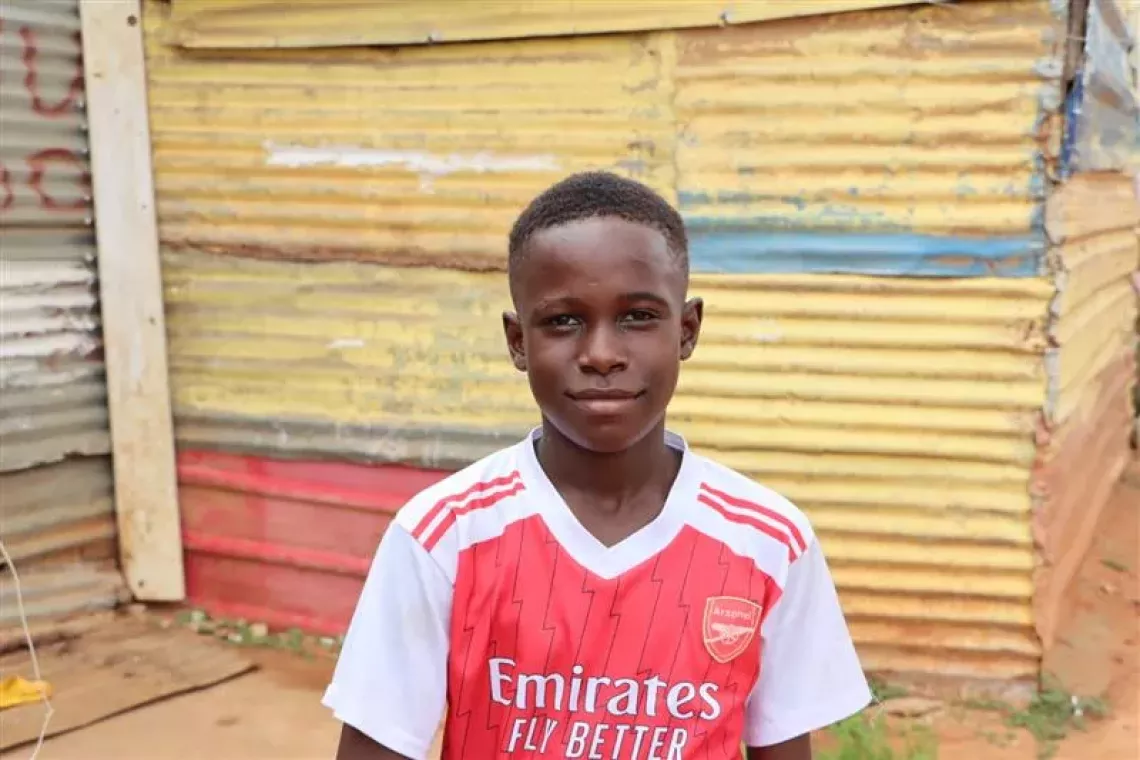
This project adopts a girl-to-girl approach, empowering adolescents as multipliers of essential information for their communities. The strategy aims to mitigate the challenges girls and boys face in preventing infections, promoting mental well-being, and addressing harmful social norms.
Capacity building of adolescents as multipliers of information on SRHR and MHPSS, funded by the Finnish Committee for UNICEF, is a key strategy to ensure that young people have access to reliable and relevant information to make informed decisions about their health. This training will contribute significantly to reducing barriers to accessing health services and promoting a safer and more equitable environment for all.