Restoring Hope for internally displaced children in Yemen
New prefabricated classrooms & equipment provided to Al-Nasr School in Marib
- English
- العربية
For 15-year-old Afnan, the dream of going back to school once seemed far away. Al-Nasr School in Marib had been nothing more than overcrowded tents, exposed to the sun and filled with dust. The lack of proper classrooms made learning impossible.
“I stopped going to school for a year because the classes were overcrowded and held in tents under the sun and wind, with no desks to sit on,” Afnan recalls. “Every day I longed to return. I want to learn, attend lessons, and be with my teachers and classmates.”
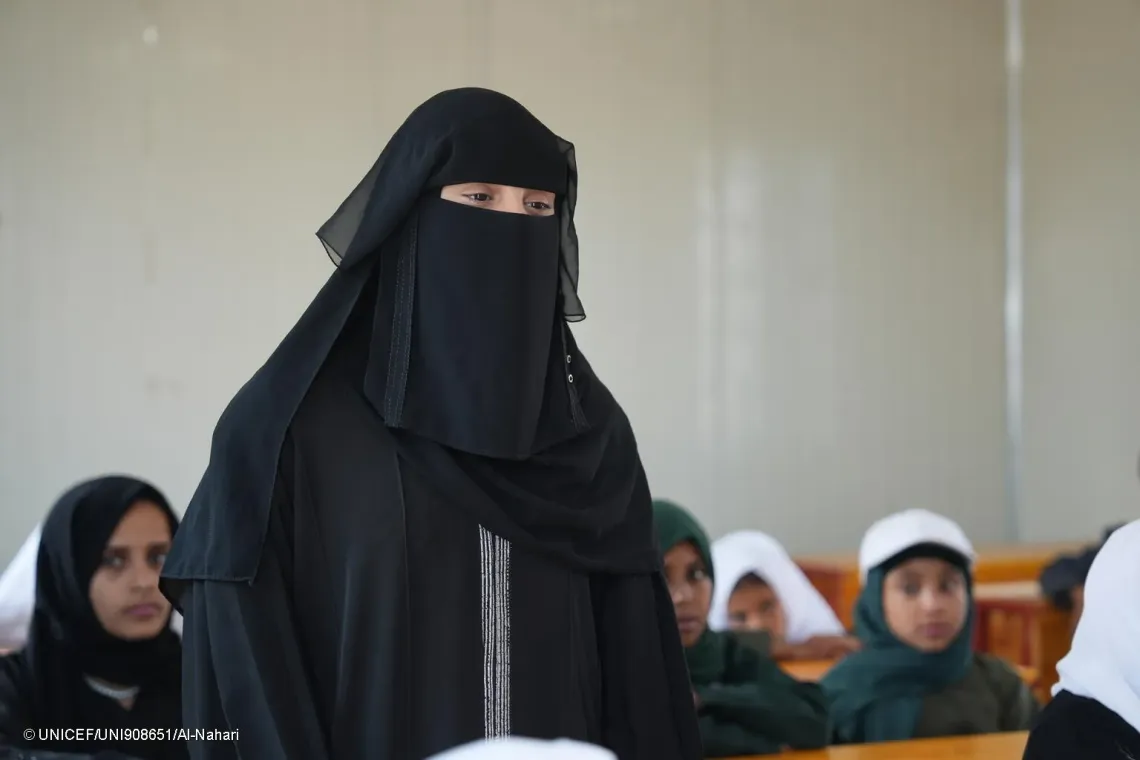
Afnan’s story reflects the wider education crisis in Yemen, where an estimated 3.7 million children are out of school and nearly 2800 schools are damaged or destroyed.
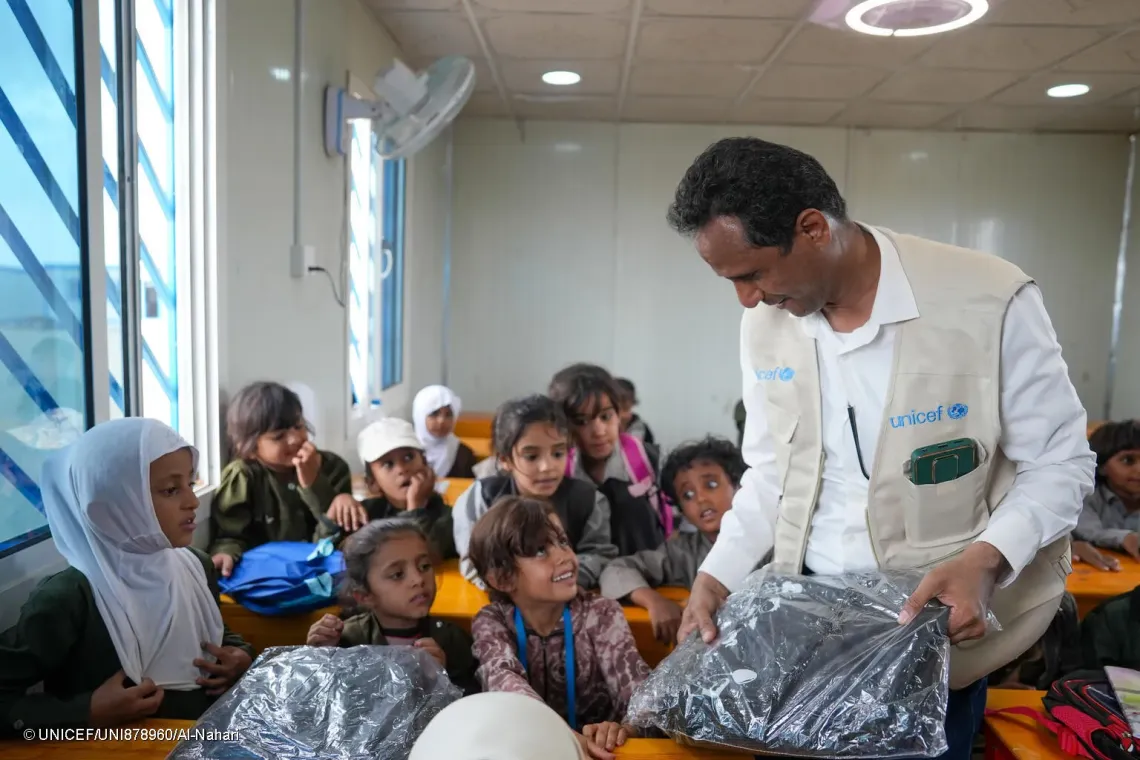
To provide learning opportunities for children in Yemen, UNICEF works to implement programmes with education authorities and works to improve the learning environment that can help improve the education quality. Thanks to support from the Swedish International Development Cooperation Agency (SIDA), UNICEF provided prefabricated classrooms and sanitation facilities to Al-Nasr School in Al-Sumayya internally displaced camp. The classrooms were equipped with desks. In addition, school bags were distributed for children and their teachers.
These new learning spaces gave Afnan the encouragement she needed to return back to school. “When I saw the new classrooms, I felt motivated to go back to school my education. Now, I attend every day,” she says with a smile. “I feel so happy to be back in school. My dream is to complete my education and one day go to university.”
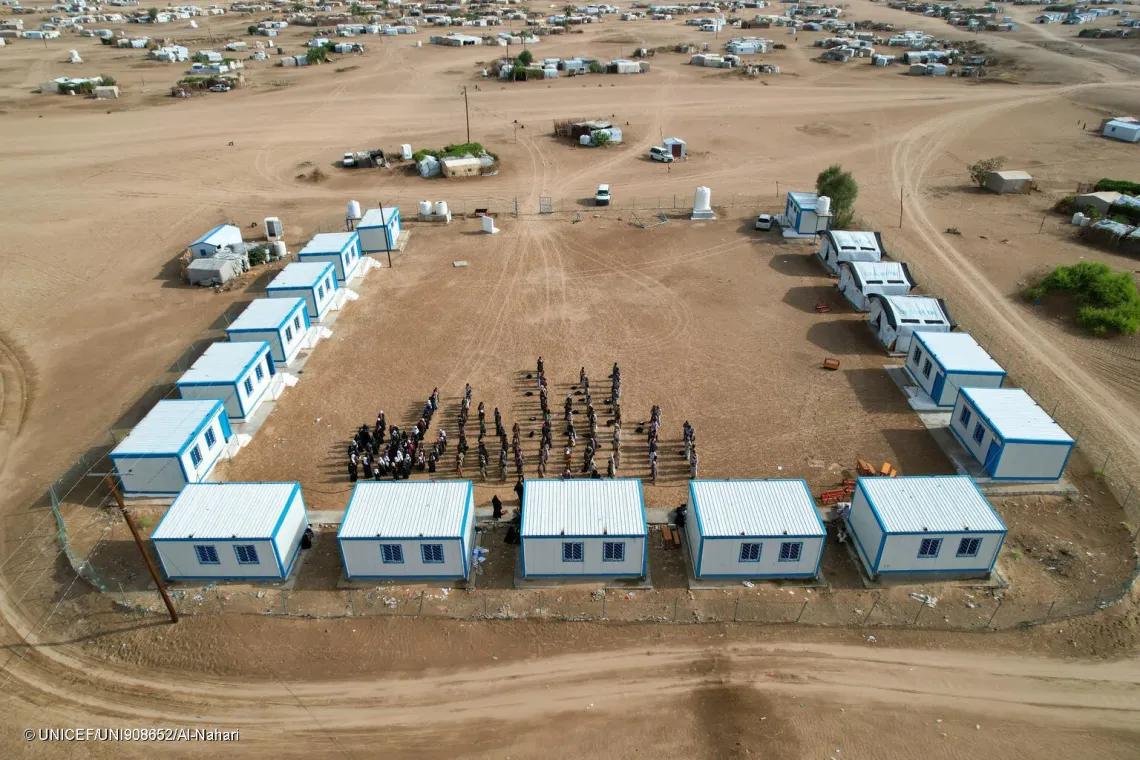
Improving the learning environment
For teachers, the transformation has been just as significant. “The classrooms used to be overcrowded tents, exposed to the heat and wind, which made it impossible to teach properly,” says Hanan Nasser, a 27-year-old English teacher at the school.
“Students were dropping out because of the poor conditions, and teachers struggled because of the environment. With the new classrooms and supplies, the environment has completely changed. Students are more focused, more motivated, and those who had left school are now coming back,” Hanan explains.
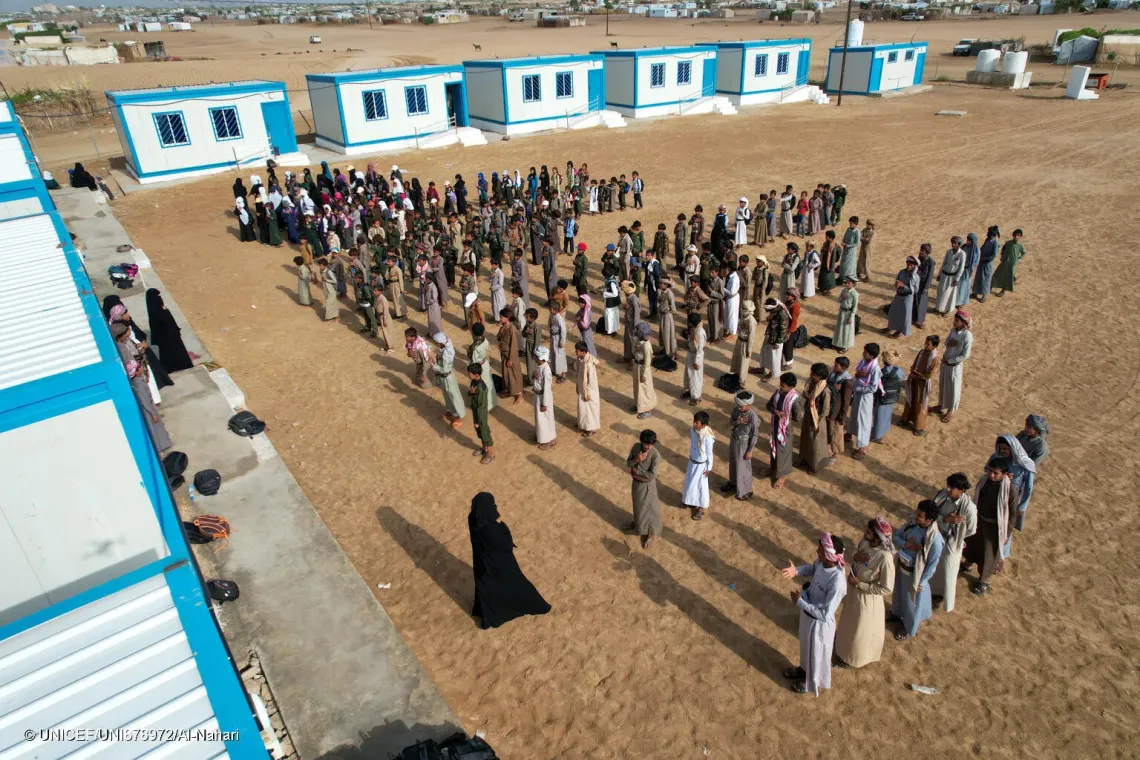
A renewed sense of hope
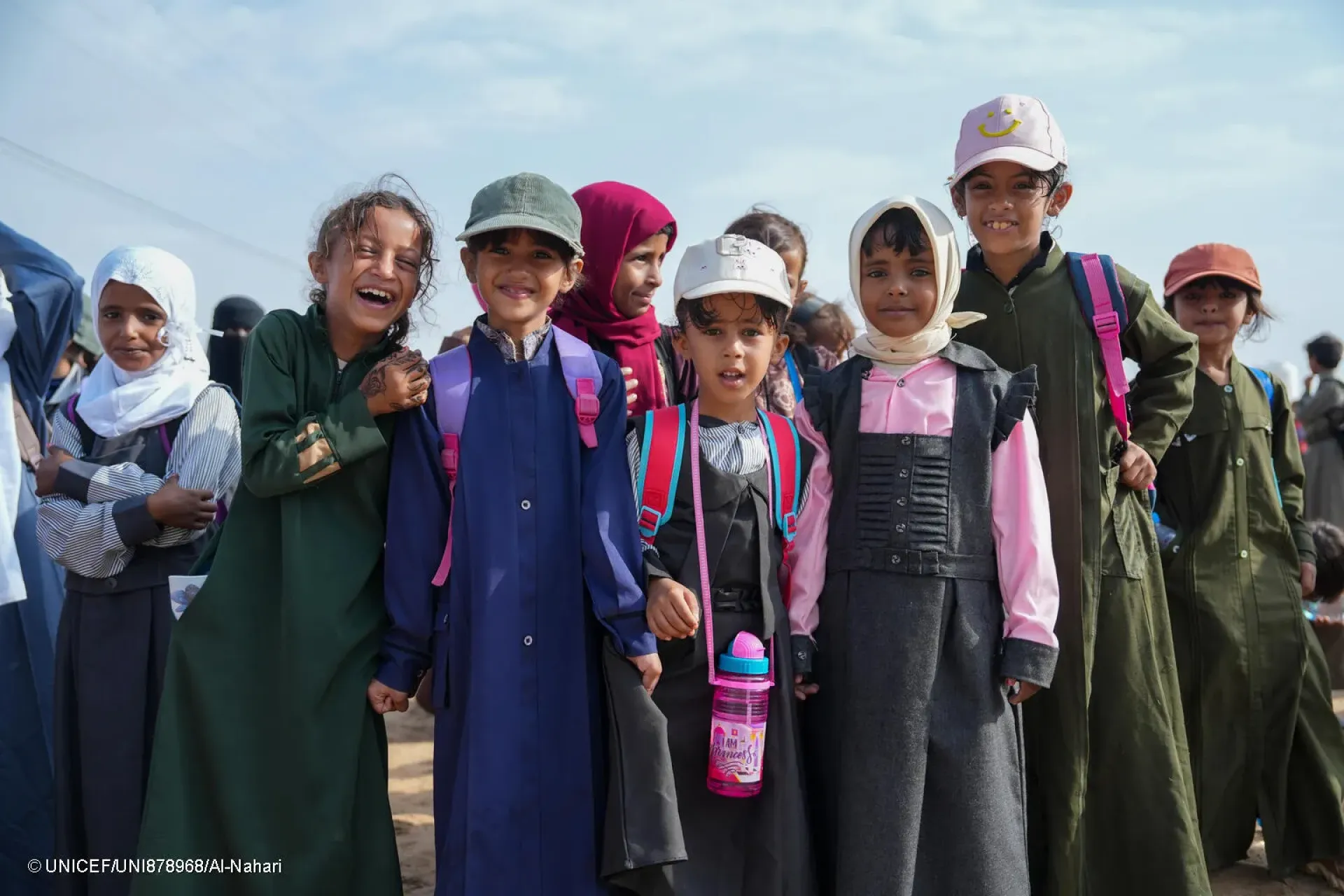
The sight of students entering their new classrooms, carrying their school bags and smiling, tells the story of what this project has achieved. “The wider classrooms have reduced overcrowding, and the improved facilities have made both teaching and learning much easier,” says Hanan.
For 14-year-old Sadiq, the difference is life-changing. “I studied in tents for three years. They were crowded with students, and it was always too hot for me to concentrate,” he says. “Now we have good classrooms with good ventilation and desks. I can focus during the classes I feel happy when thinking about school.”
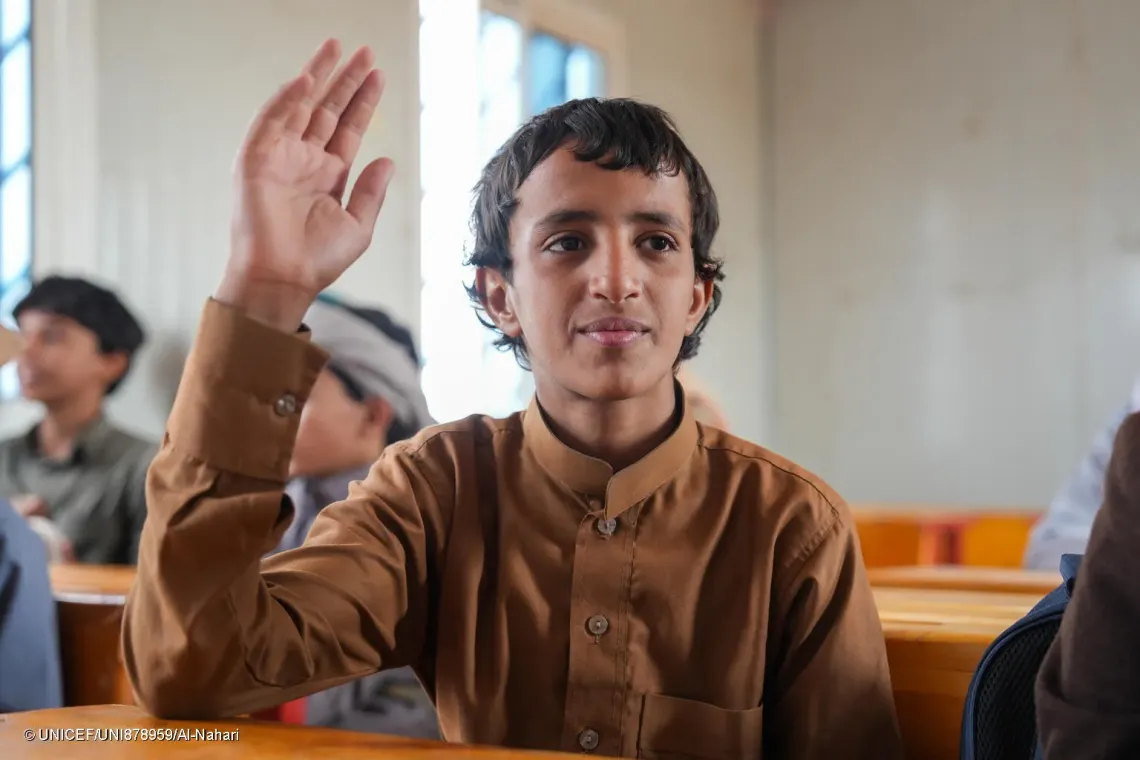
“On the first day I entered the new classroom, I felt relief and happiness after years of studying in tents. The wide, bright, and well-ventilated rooms give me energy to keep learning and pursue my dreams.”
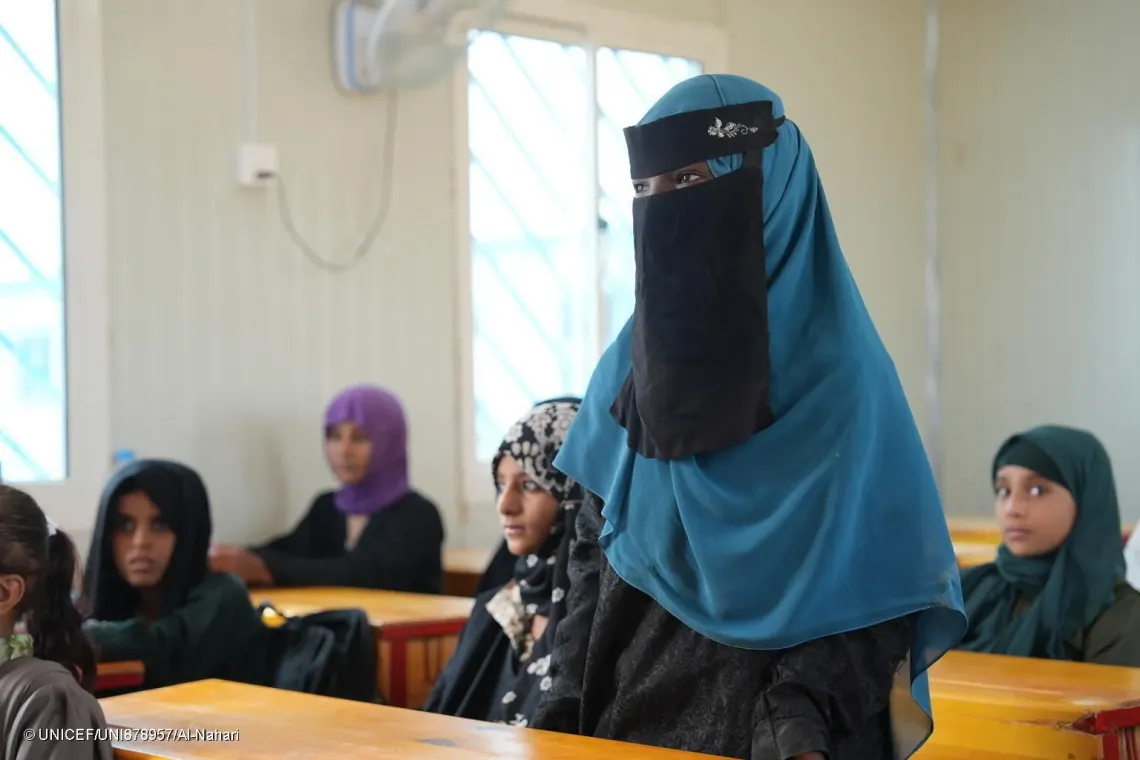
Strengthening the resilience of the school community
The investment in Al-Nasr School has not only restored learning but also strengthened the resilience of the entire school community. “The need for proper classrooms was urgent,” says Nabil Al-Barkani, UNICEF’s education coordinator in Marib. “This project has improved attendance, boosted teacher morale, and made classrooms more effective places to learn.”