Knowledge and Hope: Training a New Generation of Health and Nutrition Workers in Yemen
MAIYCN, a program designed to bridge the gap between clinical expertise and community-based care
- English
- العربية
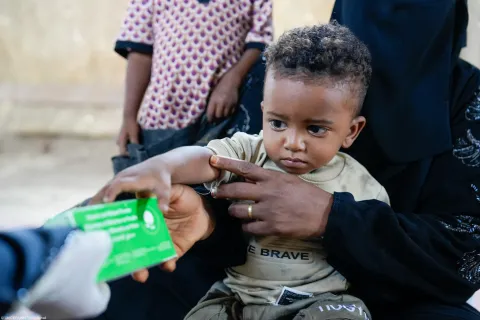
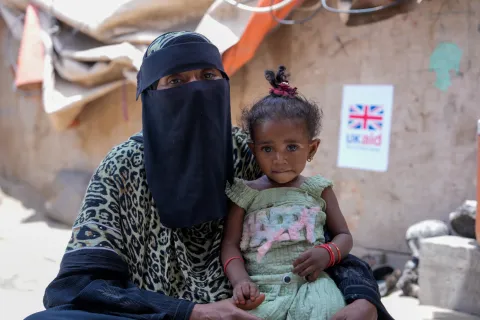
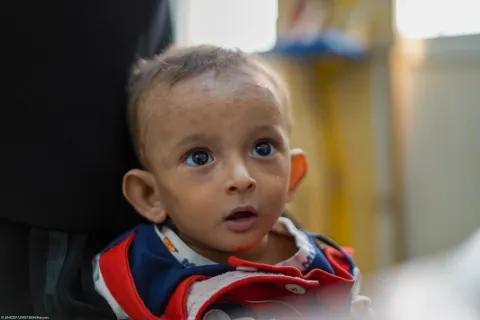
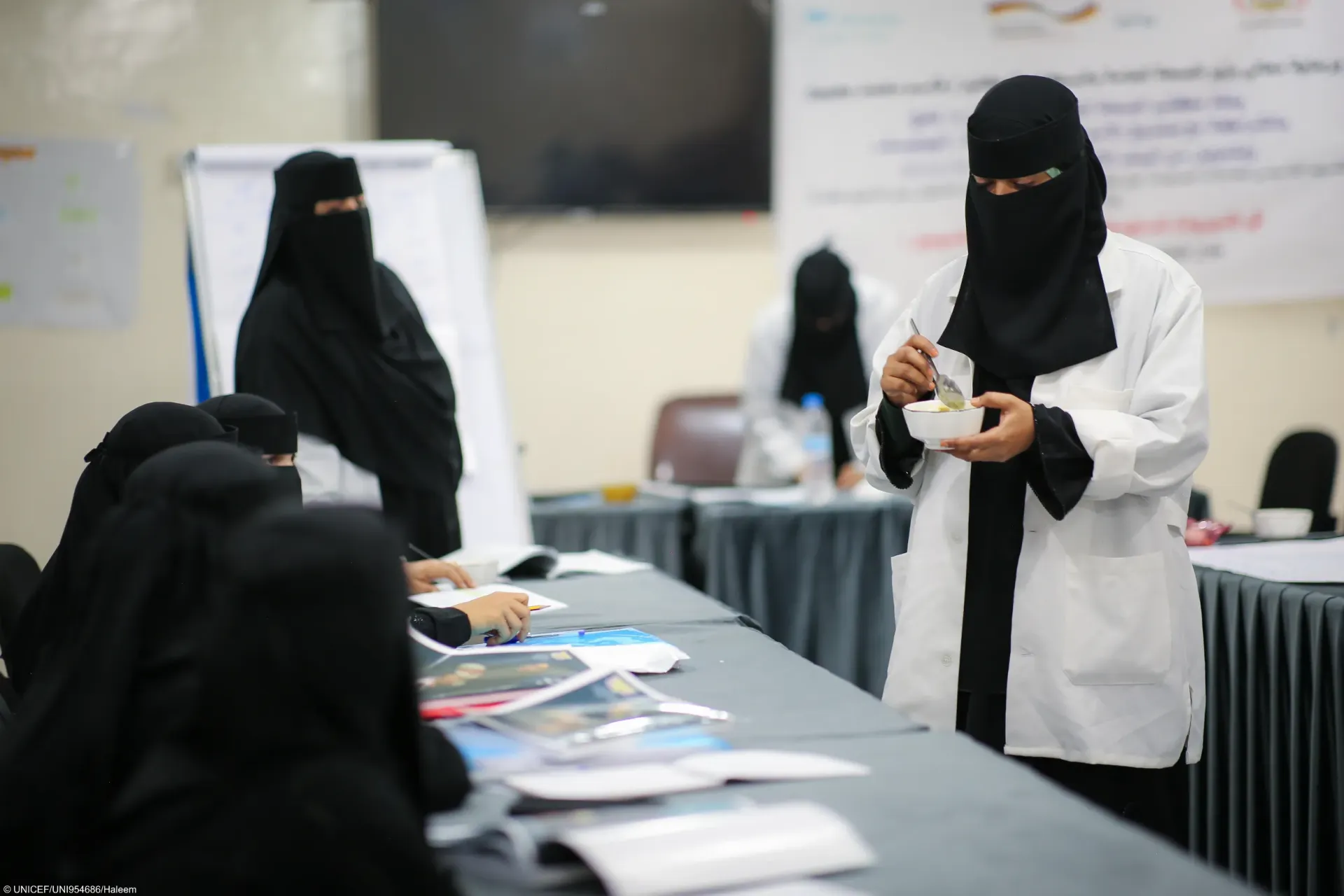
In Yemen, where nearly half of all children under five suffer from chronic malnutrition, UNICEF through the support from the German Federal Government through KfW Development Bank-has launched the Maternal, Adolescent, Infant, and Young Child Nutrition (MAIYCN) initiative.
This program, designed to bridge the gap between clinical expertise and community-based care, has become a lifeline for families in a country devastated by conflict and food insecurity.
Starting from the Beginning
The MAIYCN program is built on a simple but powerful principle: a child’s health begins long before birth, with the well-being of adolescent girls and mothers.
“In order to break the cycle of malnutrition, we must start with the girl, then the pregnant woman, the breastfeeding mother, and finally the child,” explains Sakhr Mohsin, a Health Professional from Lahj. “If we protect this young child and ensure proper nutrition, she will grow up healthy, and when she becomes a mother, she will give birth to healthy children.”
Dispelling Myths with Knowledge
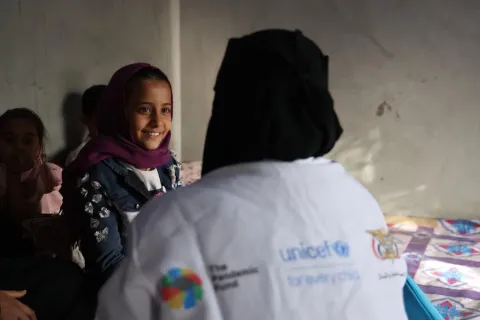
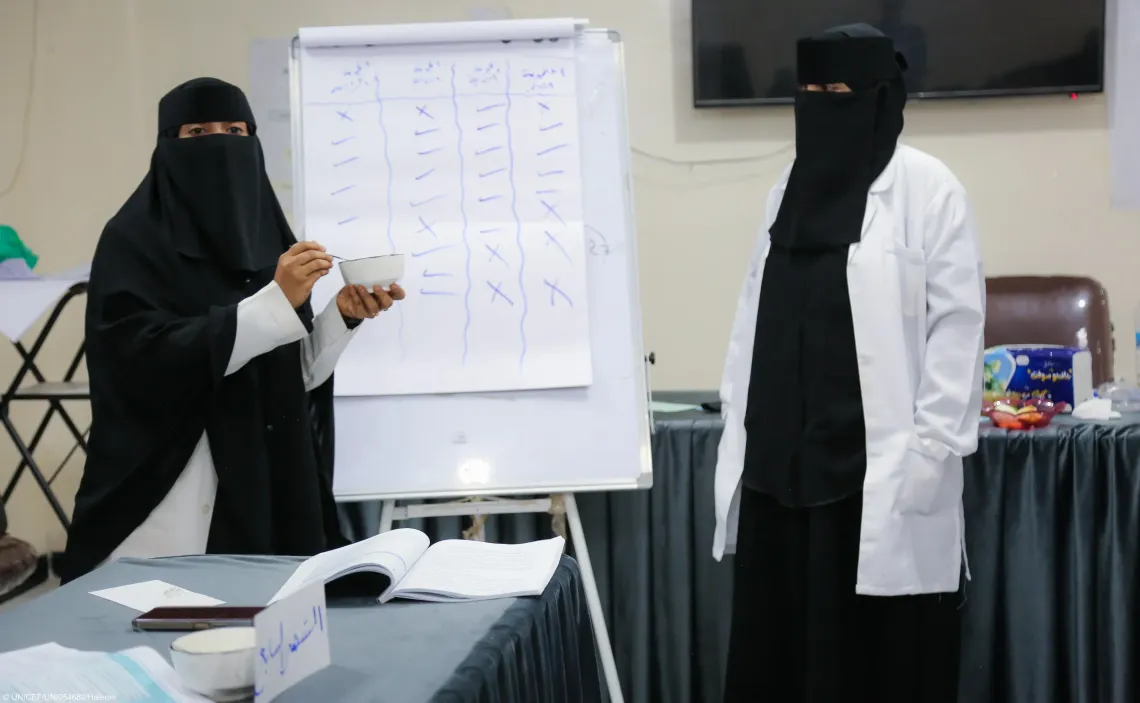
Community health workers undergo intensive training, while doctors attend workshops that align medical science with cultural and religious perspectives. These sessions challenge harmful misconceptions that have persisted for generations.
For example, many families believed newborns needed water or glucose in their first days, or that colostrum -the “yellow milk”- should be discarded.
Abeer Ali, Director of the Nursing Department at the Lahj Health Office, stresses the importance of correcting these practices: “The main goal of the course is to encourage exclusive breastfeeding from the moment of birth. Counseling is a life-saver, because children often die due to wrong practices and false beliefs.”
Empowering Health Workers
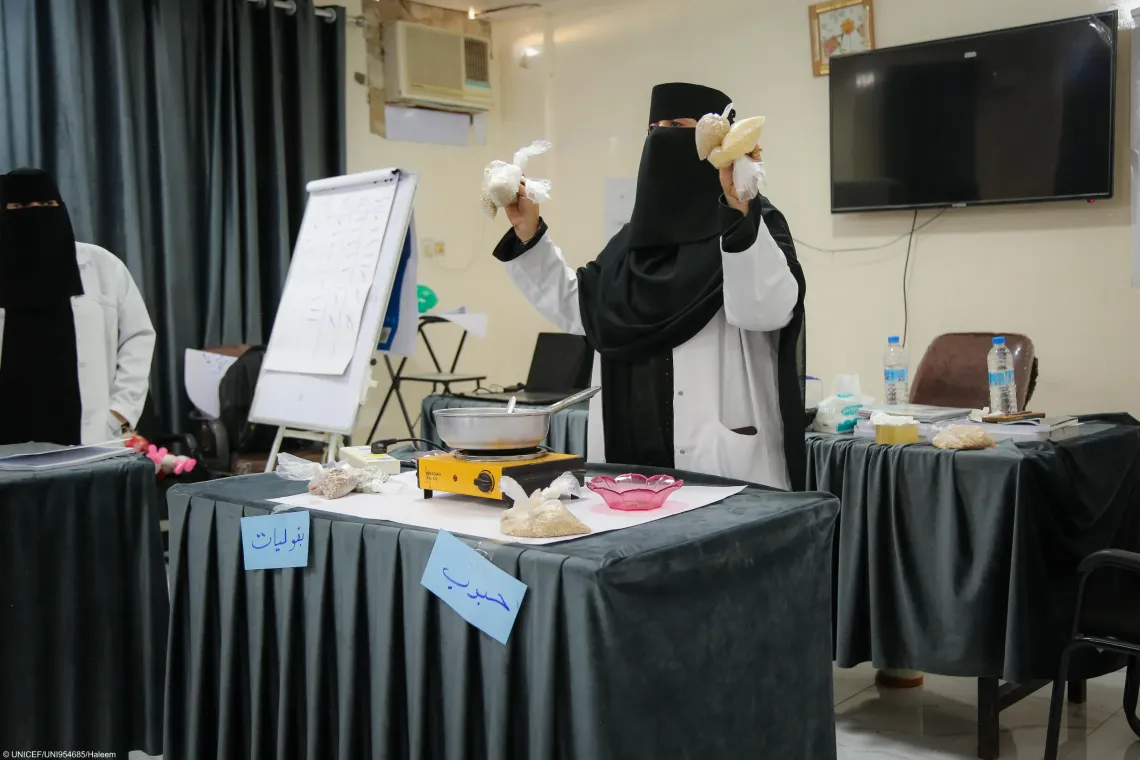
The training equips health workers with both technical skills and communication strategies. Ruba Ahmed, a 26-year-old midwife, recalls: “We were unaware of the ‘1,000 Days stage.’ Through this training, we learned its importance for mothers and children. If we convey these messages effectively, we can reduce malnutrition.”
Sherin Salah, a trainer at Al-Wahat Hospital, highlights the shift from older Infant and Young Child Feeding (IYCF) protocols to the more holistic Maternal, Adolescent, Infant, and Young Child Nutrition (MAIYCN) approach. She has seen mothers successfully restart breastfeeding through “relactation,” leading to healthier babies and stronger confidence among families.
A New Vision for Doctors
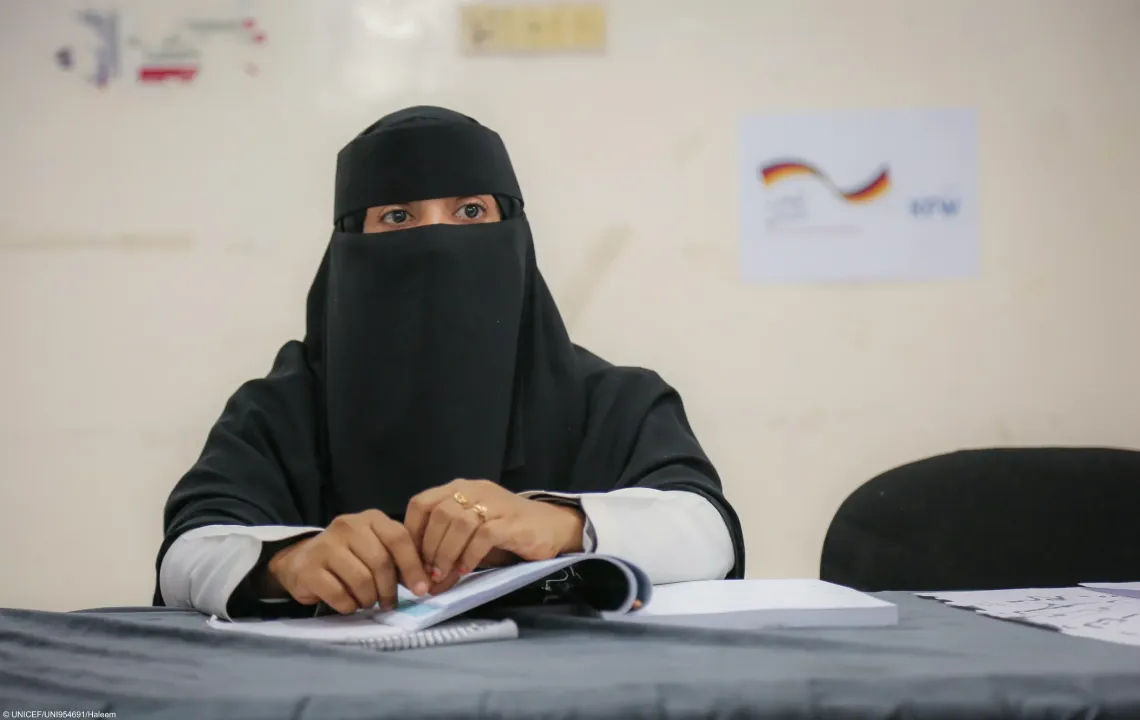
Even seasoned doctors describe the workshops as transformative. Dr. Sahar Abdulsalam, an Obstetrician at Ibn Khaldun Hospital, says: “The goal is no longer just to reduce malnutrition rates. With this new knowledge, we hope to end it.”
When Failure Is Not an Option
The program operates against the backdrop of Yemen’s severe food crisis, where inflation and trade disruptions make basic food unaffordable. In this context, breastfeeding is not only a health choice but also an economic necessity.
Nuha bin Salman, a pediatrician and central supervisor, emphasizes the shift from curative to preventive care: “For years, children were treated only after becoming severely malnourished. We must reinforce prevention by enhancing mothers’ understanding and encouraging breastfeeding instead of formula feeding.”
By promoting breastfeeding and teaching families about locally available foods for complementary feeding, the program offers both practical solutions and renewed hope.

Building a Healthier Future
As Yemen’s conflict enters its eleventh year, the survival of its youngest citizens is tied to the survival of the nation itself.
“The continued support from UNICEF and the German Government is essential for the sustained health of future generations,” says Sakhr Mohsin.
For mothers and adolescent girls in Lahj, MAIYCN is more than medical training -it is a chance for children to grow, learn, and build a Yemen defined not by crisis, but by health and hope.
Through this initiative, that hope is being nurtured -one mother, one child, and one community at a time.