Rana’s Recovery: A Story of Hope in Al-Atira Camp
The Struggle of Yemen’s Children Amidst Displacement and Malnutrition
- English
- العربية
Mobile clinics and community health volunteers in Lahj serve as a vital lifeline, bringing essential healthcare to families displaced by conflict and those living in Yemen’s most isolated rural reaches.
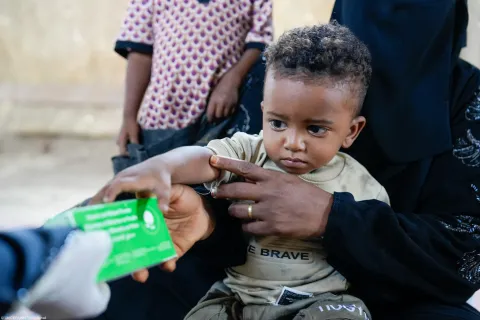
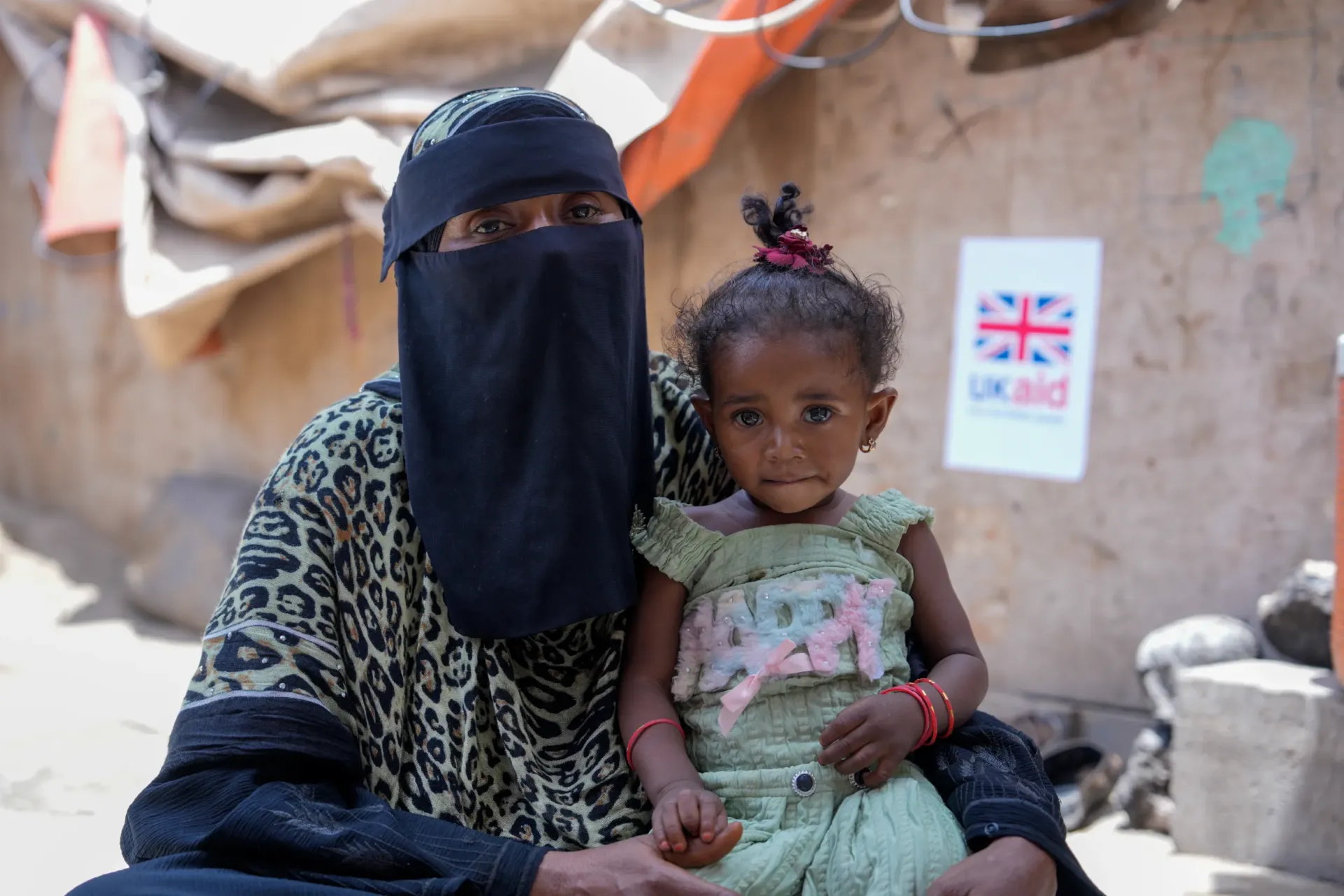
Rana, an 18-month-old girl living in a displacement camp in Lahj, is among the half a million children in Yemen suffering from Severe Acute Malnutrition (SAM). According to the 2025 Humanitarian Needs and Response Plan, millions more remain impacted by the ongoing crisis. When Rana fell ill, her mother, Amna, felt helpless; the camp lacked both the medical facilities and trained staff needed for treatment, while extreme poverty made the cost of travel to a distant health center impossible to afford.
The symptoms of Severe Acute Malnutrition (SAM) first appeared when Rana was just twelve months old. "We were displaced eight years ago from Al-Hudaydah to Lahj," Amna explains. "The child suffered from constant diarrhoea and became very weak. She wasn't eating properly." These harsh living conditions left Rana dangerously vulnerable.

A Timely Intervention
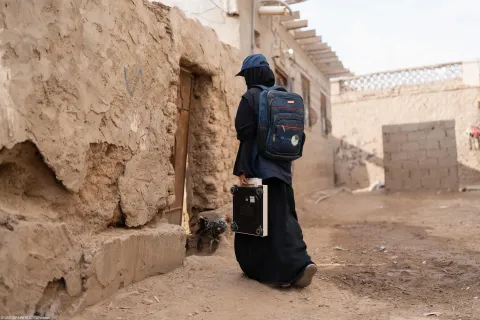
Rana’s story took a turn for the better thanks to Hajar, a community health and nutrition volunteer. During one of her frequent home visits within the camp, Hajar noticed Rana’s frail condition. Recognizing the severity of the situation, she immediately referred the child to the mobile clinic visiting the camp.
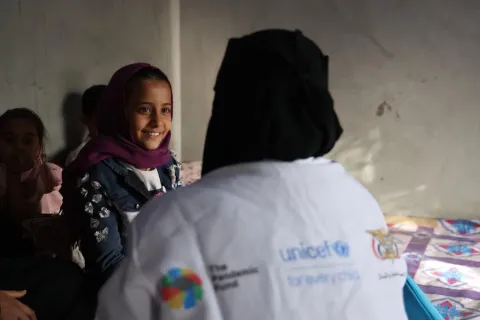
"My primary mission is to eliminate malnutrition among children through early detection and community awareness," says Hajar. "I help mothers reach the medical teams where their children can receive the urgent assistance they need."
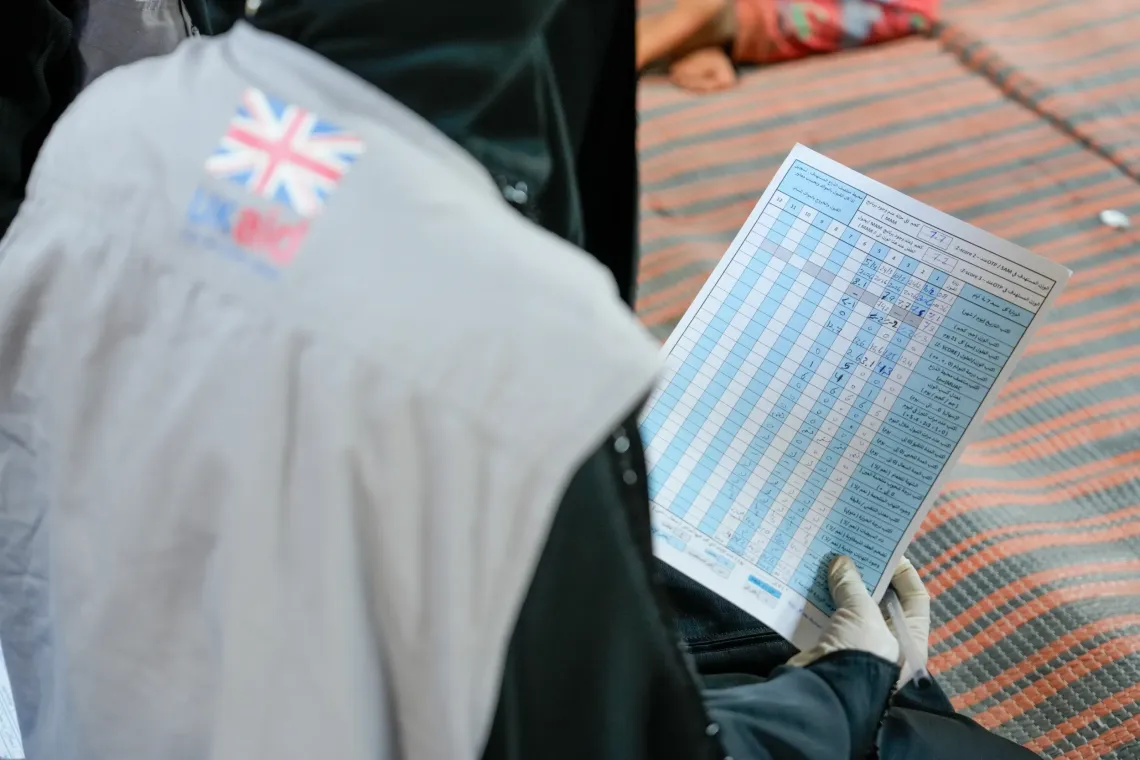
Upon arrival at the mobile clinic, the medical team conducted a thorough examination. Because she was reached in time, the team was able to provide therapeutic nutrition and essential medicines. Rana’s health improved steadily, and she successfully recovered. "I am so grateful to the medical team," says Amna. "They took care of my daughter and monitored her health until she was strong again."
The Pivotal Role of Community Volunteers

In a country facing one of the world's most severe nutrition crises, volunteers like Hajar are essential in protecting children from preventable diseases. Following Rana’s initial treatment, Hajar continued to follow up with the family for two months to ensure sustained recovery. "This follow-up is the most important part of my work," Hajar explains.
While displacement camps often lack basic infrastructure, UNICEF’s mobile clinic project—supported by a network of dedicated volunteers—has created a significant impact. These clinics are critical for treating malnutrition, providing life-saving vaccinations, and offering maternal care.
Hajar concludes: "The mobile clinic provides all primary services free of charge—from Ready to Use Therapeutic Food (RUTF) to essential medicines like Amoxicillin, Albendazole, Micronutrient powder, and Folic Acid. We are here to help these children overcome malnutrition and prevent anemia."
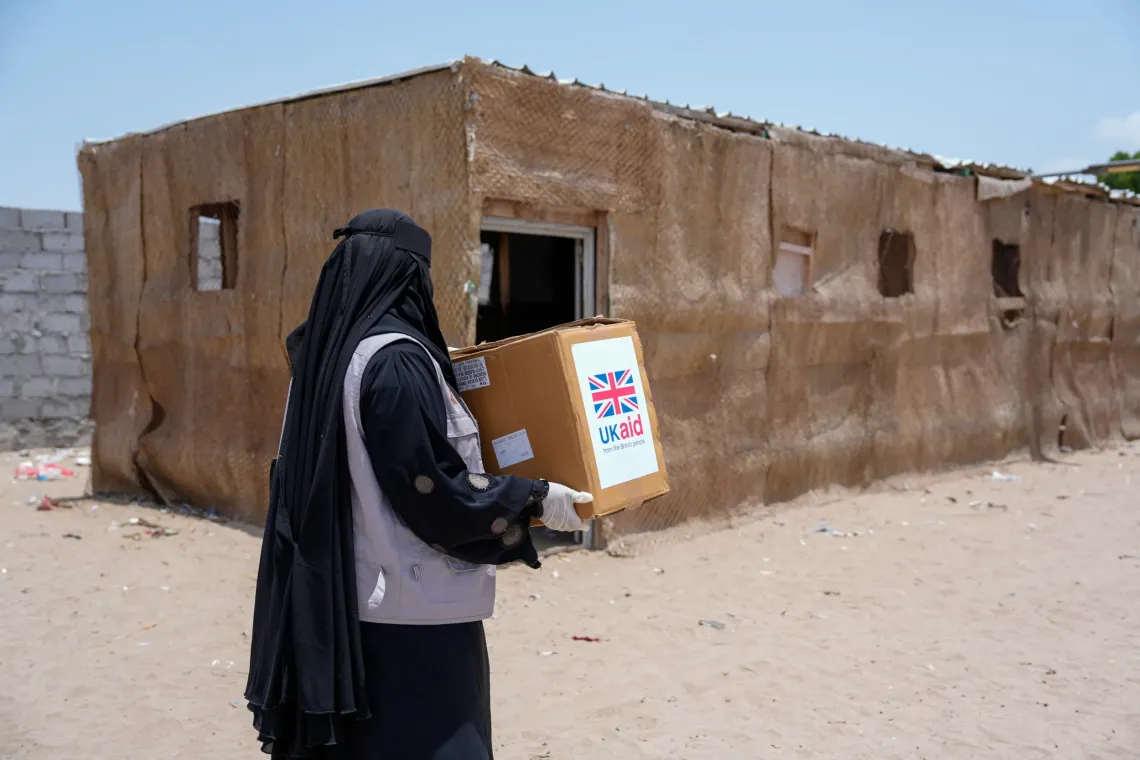
This life-saving work is made possible through our ongoing partnership with the Foreign, Commonwealth & Development Office (FCDO), whose commitment remains vital to our mission in Yemen.
Through this generous support, community health volunteers (CHVs) are empowered to reach the heart of displaced communities. Their ability to identify vulnerable children and refer them to mobile clinics is a direct result of this partnership, ensuring that essential care reaches those who need it most.