Joint Call to Action: Breaking the Cycle of Malnutrition
Operationalizing the Multisectoral Nutrition Action Plan (MSNAP) and Expanding Local Accelerator Programmes (APs)
- English
- العربية
About
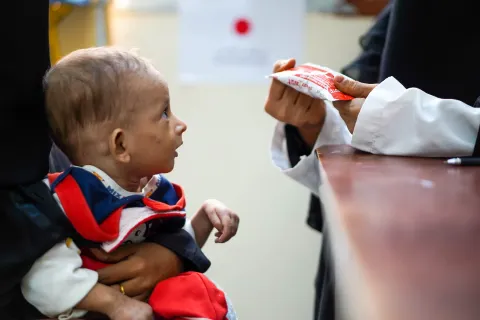
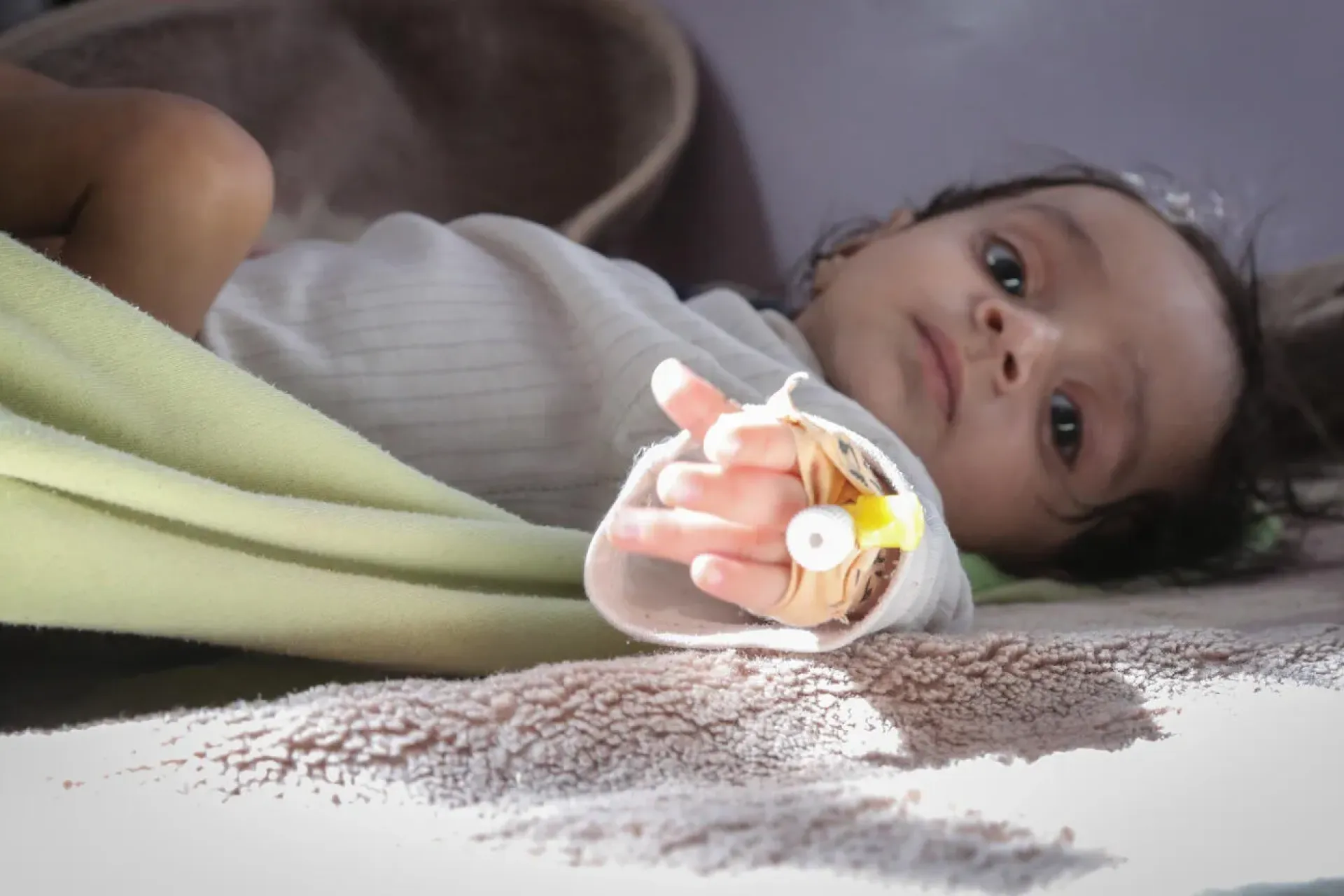
Around half of all children under five in Yemen - 2.2 million children - as well as 1.3 million pregnant and breastfeeding women and girls are acutely malnourished (Yemen HNO 2025). This is among the highest levels of acute malnutrition ever recorded in the country. Additionally, stunting remains the most significant long-term health threat, with a national prevalence as high as 49% (MICS). This level indicates a severe, prolonged nutritional deficit that permanently impairs physical and cognitive development.
Addressing malnutrition crucial for Yemen’s children today and the country’s future. This is the generation that Yemen will rely on to rebuild when the political crisis ends, yet they are at risk of becoming a lost generation. Malnutrition damages a child’s physical and cognitive development, especially during the first two years of life. It is largely irreversible, perpetuating illness, poverty and inequality. This means it is now more critical than ever to adopt a comprehensive and multisectoral approach for tackling undernutrition in Yemen.
In Yemen, a child's future shouldn't be determined by a roll of the dice. In Abyan, two-year-old Ekram is thriving, laughing, and hitting every milestone thanks to proper early nutrition. But just a few doors away, little Bothaina can barely stand, her growth stunted because her family could only afford bread and tea. Same town, same age, completely different lives. This heartbreak is 100% preventable. We must scale up maternal and child nutrition programs now—before the damage becomes irreversible. Waiting is not an option.