A lifeline of learning in Tanzania:
UNICEF's Learning Pioneers Programme brings adaptive, offline learning to out-of-school adolescents through the Enuma School learning app.
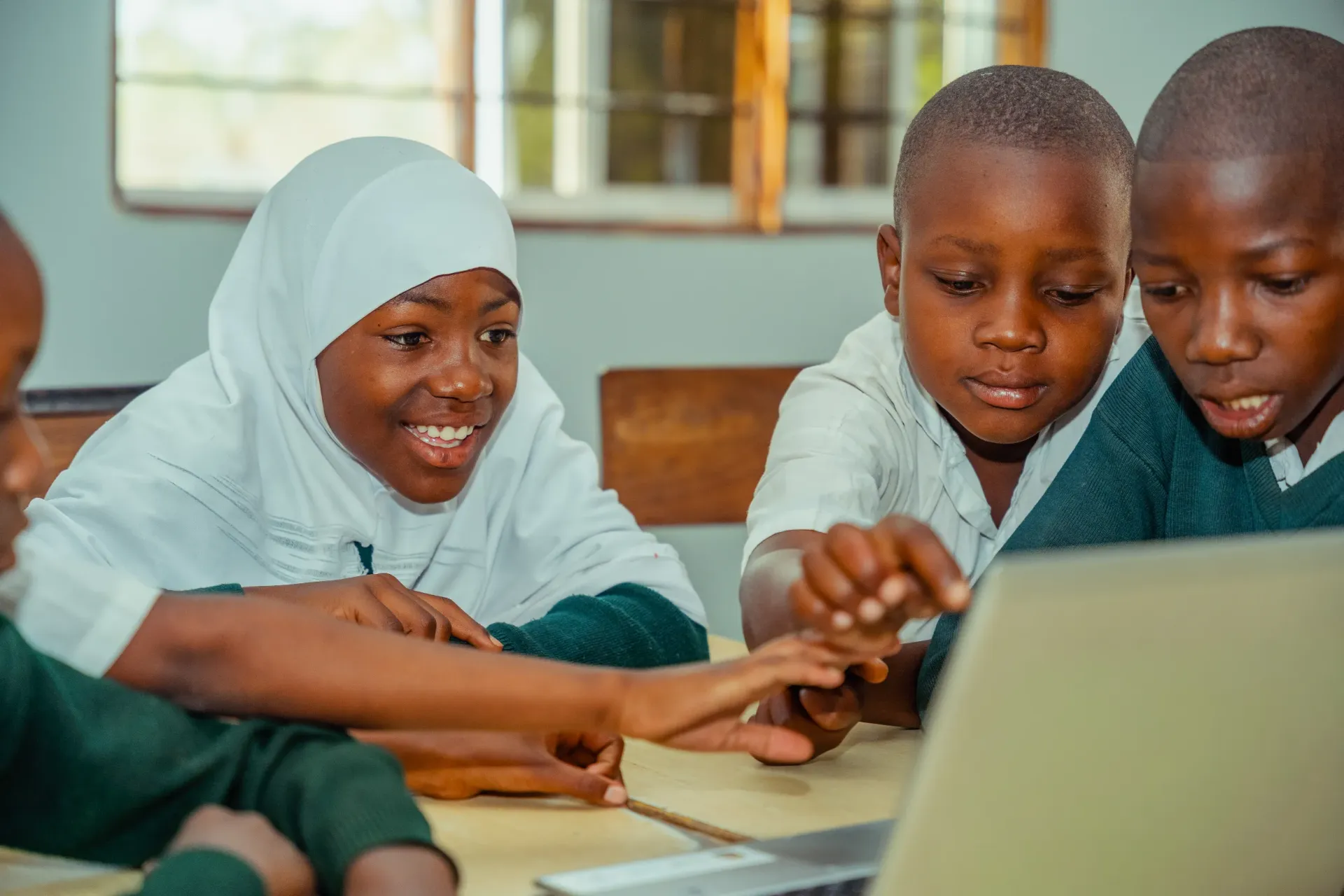
In Tanzania, over 3 million children are out of school. Adolescent girls and boys are the most impacted by this learning crisis. Without foundational skills in reading and math, many lack the basic tools and knowledge they will need to thrive in the fast-evolving world of the 21st century.
As part of ongoing work to address these learning gaps in Tanzania and beyond, UNICEF and its strategic partners are piloting, testing and scaling innovative EdTech and AI solutions worldwide through the Learning Pioneers Programme and Blue Unicorn Portfolio.
A pilot with promise
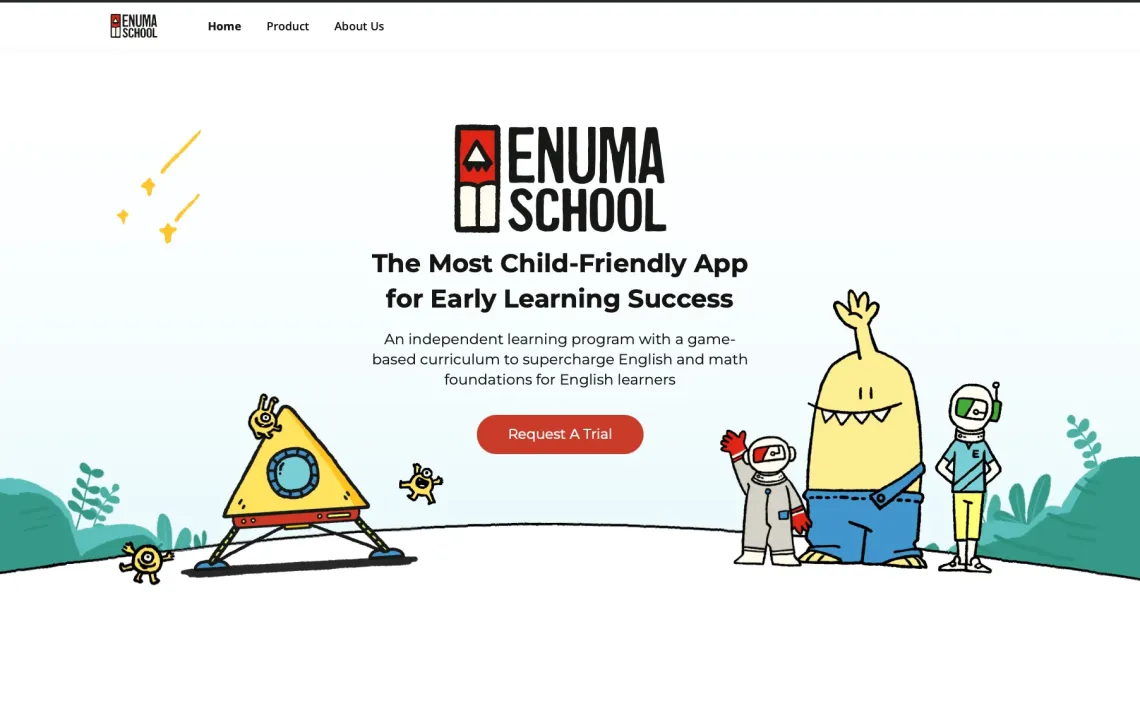
As part of these efforts, UNICEF launched a new initiative with the Enuma School learning app to provide personalized, adaptive learning support to help children in Tanzania develop the foundational English literacy and numeracy skills they need to succeed.
The Enuma School app is being tested in Tanzania to understand whether it can be feasibly and effectively deployed beyond pilot conditions, generating evidence to inform a broader rollout across similar contexts in the region and globally.
The pilot intervention will be delivered through a 12-week programme across five learning centres focused on reaching out-of-school adolescents. Three of these centres are in Dar es Salaam and two in Zanzibar. It targets adolescent learners between the ages of 14 and 19 who have had limited or no prior formal schooling experience.
By integrating discovery learning, universal design for learning and gamification, Enuma School offers a self-paced learning experience designed to meet each learner where they are.
The pilot will use tablets pre-loaded with numeracy and English literacy activities that will work without an internet connection. To help learners build new skills in a language they know and understand, the instructions have been translated into Kiswahili.
Children will use the tablets two or three times a week in sessions of at least 40 minutes. The digital learning lessons will complement classroom lessons taught in Kishwahili, offering teachers interactive learning materials to include in their lesson plans.
Delivering responsible, impactful EdTech and AI learning solutions.
Education technology and artificial intelligence are reshaping the classroom of the future. These fast-evolving technologies are affecting decision-making at every level, and teachers, governments and technology leaders often struggle to identify solutions that are safe, inclusiveand impactful. Over the years, billions have been lost to misaligned investments, and there is no one-size-fits-all approach, especially in contexts with limited connectivity, resources and capacity.
Following an independent evaluation by the EdTech for Good Framework, Enuma’s listing in the Learning Cabinet reflects the tool's strong alignment with UNICEF's mission to support quality, inclusive education for the most marginalized learners around the world.
The pilot programme brings together implementation partners and research teams to rigorously assess whether digital learning tools can make a meaningful difference for learners who have historically been excluded from education.
Tanzania was selected because of the significant proportion of adolescents who have never accessed formal schooling. For these young people, the opportunity to develop foundational skills through digital and hybrid learning could open new pathways to education, employment and a brighter future.
About the programmes
- The Blue Unicorn Portfolio is UNICEF's initiative to identify, support and accelerate EdTech solutions with clear evidence of improving student learning, helping them scale across countries through governments, UNICEF Country Offices, and local and global partners. Solutions are selected against key pillars in UNICEF's Digital Education Strategy and the EdTech for Good Framework.
- The Learning Pioneers Programme complements this work by partnering with countries to pilot, test and accelerate high-impact tools. Across a two-year journey, countries work with UNICEF Digital Education and the Global Learning Innovation Hub to start small, learn quickly, and scale what works to reach millions of learners worldwide.
- The EdTech for Good Framework offers a structured, evidence-based way to assess whether digital and AI-enabled tools are transparent, safe, educationally sound, contextually appropriate and accessible.
- The Learning Cabinet showcases high-quality, evidence-based EdTech tools evaluated for their safety, scalability and real learning impact through the EdTech for Good Framework.
UNICEF does not endorse any company, brand, product or service.