When I started working in climate change in 2018, that was the first time I had heard about the Conference of Parties of the United Nations Framework Convention on Climate Change – known as COP, in short. That year was the 24th gathering or COP24, where nations were convening to address the escalating climate crisis in Katowice, Poland, and this was effectively my awakening to the critical role these meetings play in bringing together the goals and commitments of different countries and shaping key decisions to combat climate change worldwide.
Since then, I have been following these gatherings hosted by various countries on varied themes, and eagerly exploring their outcomes.
I’ve come to realize that each conference is a tapestry of historic decisions – and a fair share of disappointments – as applies to global climate processes and agendas.
COP25, for instance, set its sights on formulating guidelines for international carbon markets, specifically Article 6 of the Paris Agreement. COP26 was marked by the signing of the Glasgow Climate Pact and the agreement on the Paris Rulebook. The subsequent COP27 achieved a breakthrough agreement: providing loss and damage funding for vulnerable countries severely impacted by climate-induced disasters and also being the first COP to host a children and youth pavilion.
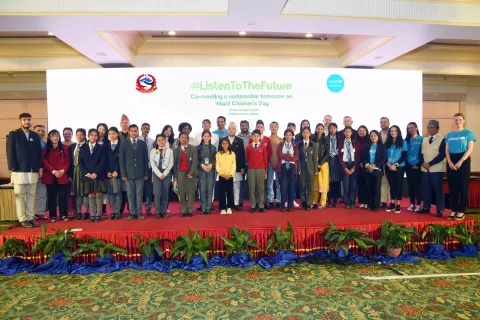
Having been a fervent observer over the years, during which I saw many young people – including from Nepal – attending these conferences, I was hopeful that one day I would be able to be part of the discussions myself. And much to my joy, that hope materialized in 2023 with the opportunity to participate in COP28 in Dubai, UAE, thanks to support from the Government of Nepal’s Ministry of Forests and Environment and UNICEF.

As exciting as this was, however, it was also initially overwhelming. Different thematic days and pavilions hosted various discussions and meetings simultaneously. Navigating the bustling halls of Expo City, Dubai, was a challenge in itself — a testament to the sheer scale and complexity of the event.
Yet, with guidance from colleagues and newfound friends – as well as insights from a pre-COP session that UNICEF had organized in Nepal some weeks in advance with climate experts and fellow youth delegates – what seemed insurmountable became manageable. It also helped that we had been engaged as part of a working group under the Ministry of Forests and Environment on developing the position paper for COP.
COP serves as a common platform for youths, negotiators, activists and enthusiasts to convene and deliberate on strategies to address climate challenges.
Amidst discussions on fossil fuel phase-down, climate finance and more, the COP experience exposed me to high-level negotiations and ground-level activism. The Blue Zone buzzed with negotiations, while the Green Zone was an exhibition of innovations and knowledge sharing. I also delved into various other agendas at COP, including mountains, mitigation, carbon trading, climate finance, and inclusion, among others.

I was glad to see the children and youth pavilion had been set up for the second time. It was packed with different side events, sharing sessions and discussions led by young people working in diverse areas aimed at informing attendees – and the world at large – about the concerns of young people. Alongside following up on child and youth engagement, I also offered support and assistance at the Nepal Pavilion. This experience exposed me to the commendable efforts and practices undertaken by different ministries, organizations and stakeholders dedicated to climate change adaptation and mitigation. It also provided a platform to connect with fellow Nepali youths and representatives from varied backgrounds at COP.
Indeed, with over 50,000 attendees, the overall diversity of backgrounds and regions at the event created a rich networking space. Engaging with fellow youth delegates provided an opportunity to learn about their countries' practices and experiences, enriching the collective understanding of tackling climate challenges.
That opportunity to connect with people, learning from experiences and work, and gaining insights every day, stood out as the highlight of my COP journey.
The COP ended with some positive results. Substantial progress was made, including heightened ambitions by nations to triple renewable energy usage by 2030 and pledges exceeding 100 billion USD for the loss and damage fund. The long-standing mountain agenda found recognition and was formally integrated into the Global Stocktake. However, crucial commitments such as fossil fuel phase-out to maintain the 1.5°C target and increased funding for adaptation and mitigation efforts are yet to materialize. And although there has been some improvement in recent years, limitations in the capacities and meaningful engagement of young people at the decision-making table still persist.
There is still a long road ahead in combating climate change.
Every individual's action today shapes tomorrow's world. As COP29 prepares to be hosted by Azerbaijan, I hope for increased opportunities for meaningful youth engagement and actionable commitments from nations to combat the global climate crisis.
Together, we forge the path towards a sustainable future—one step at a time.