Toilets and water improve children’s school experience
WASH in School

- English
- မြန်မာ
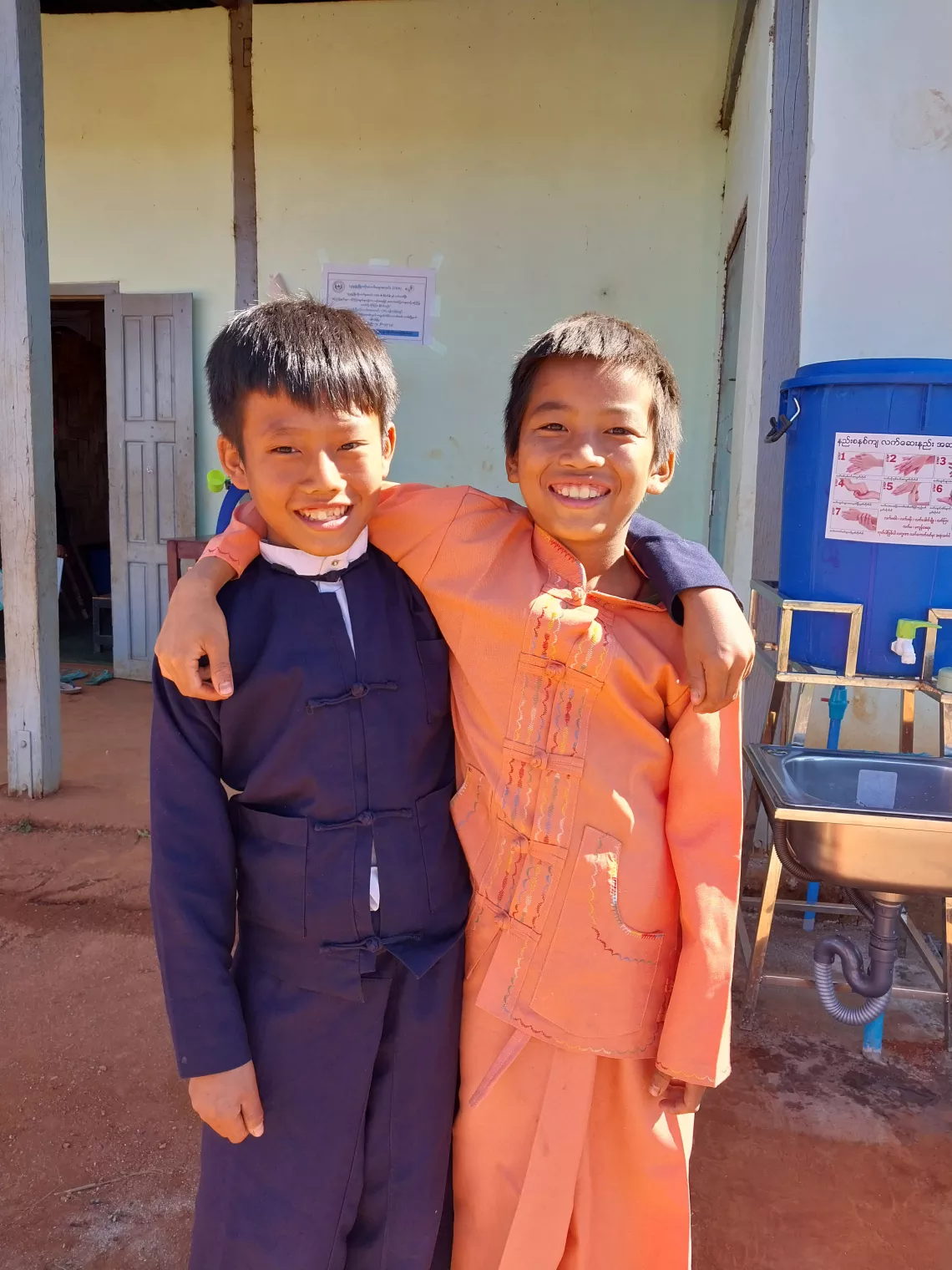
When Kon Sar, 10, remembers about his experience last year at his school in Hopong township, Shan State, it was not all good. This is because of the horrible state of the school toilets and the lack of drinking water.
“We only had an out-of-order latrine with a strong smell and a small bucket of water to wash our hands,” he said. “We used to drink water from streams and old wells which caused diarrhoea almost all the time.”
But Kon Sar, who is in Grade 5, appreciated being with his best friend, Kyaw Htoo. “We have been friends since kindergarten. We love playing soccer together after class or during the weekend when we don't have any homework to do,” he said. “I enjoy reading English and Science books. But Kyaw Htoo is always there for me when things get tough, like when I don't understand something in class or need help with homework.”
This year, Kon Sar said, his school experience has improved since the installation of new water, sanitation and hygiene facilities built by the Community Development Association (CDA) through a UNICEF-Korea International Cooperation Agency (KOICA) supported programme.
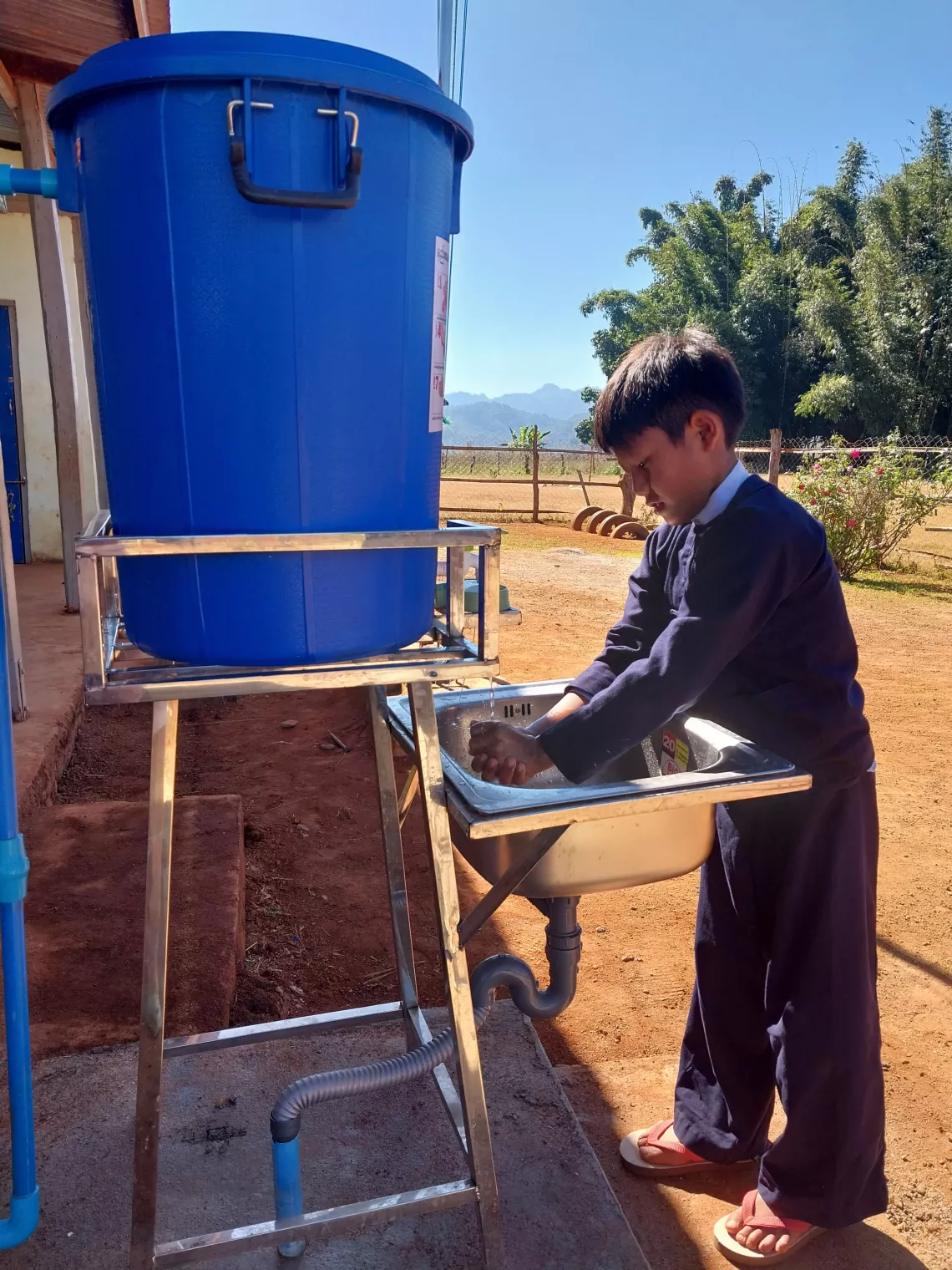
CDA selected 15 schools based on a needs assessment in southern Shan State – nine schools in Hopong Township and six in Hsihseng Township. The schools’ WASH facilities had all been neglected due to either conflict or flooding. Under the programme, each school benefitted from newly constructed sex-segregated toilets and received a 1,000-litre water collection tank and brightly coloured handwashing stations.
In addition, teachers participated in five training of trainers (TOT) sessions on cleaning, health and hygiene. The teachers then trained the schoolchildren. The programme also offered each school a grant to cover any minor repairs that may be required in the future for the new WASH facilities.
Along with partners, UNICEF began supporting WASH services in Myanmar over 20 years ago. These efforts have contributed to improved WASH coverage in the country. Today, around 82 per cent1 of households across the country have been given access to at least basic drinking water.
Yet, 9 million people—including 3 million children—still have no access to a supply of drinking water. Moreover, about one in four schools has a limited or no basic drinking water supply, and four in 10 schools have limited or no basic sanitation and hygiene facilities. The hundreds of thousands of people displaced by the current conflict are particularly vulnerable to disease outbreaks due to lack of water and sanitation facilities.
While the CDA construction workers and the workshop facilitators successfully completed the project, it involved risks due to the rough mountainous terrain and the intesifed conflict.
Yet, Kon Sar speaks for many schoolchildren when he said having adequate WASH facilities in school makes the school experience not only much healthier but also more enjoyable.
“I really enjoy going to our school every day because it gives us access to clean drinking water and safe sanitation facilities and has made life much easier.”