Red Zone to Recovery: Kaung Kaung's Journey Back to Health
How RUTF and community health workers helped a child beat severe malnutrition
- English
- မြန်မာ
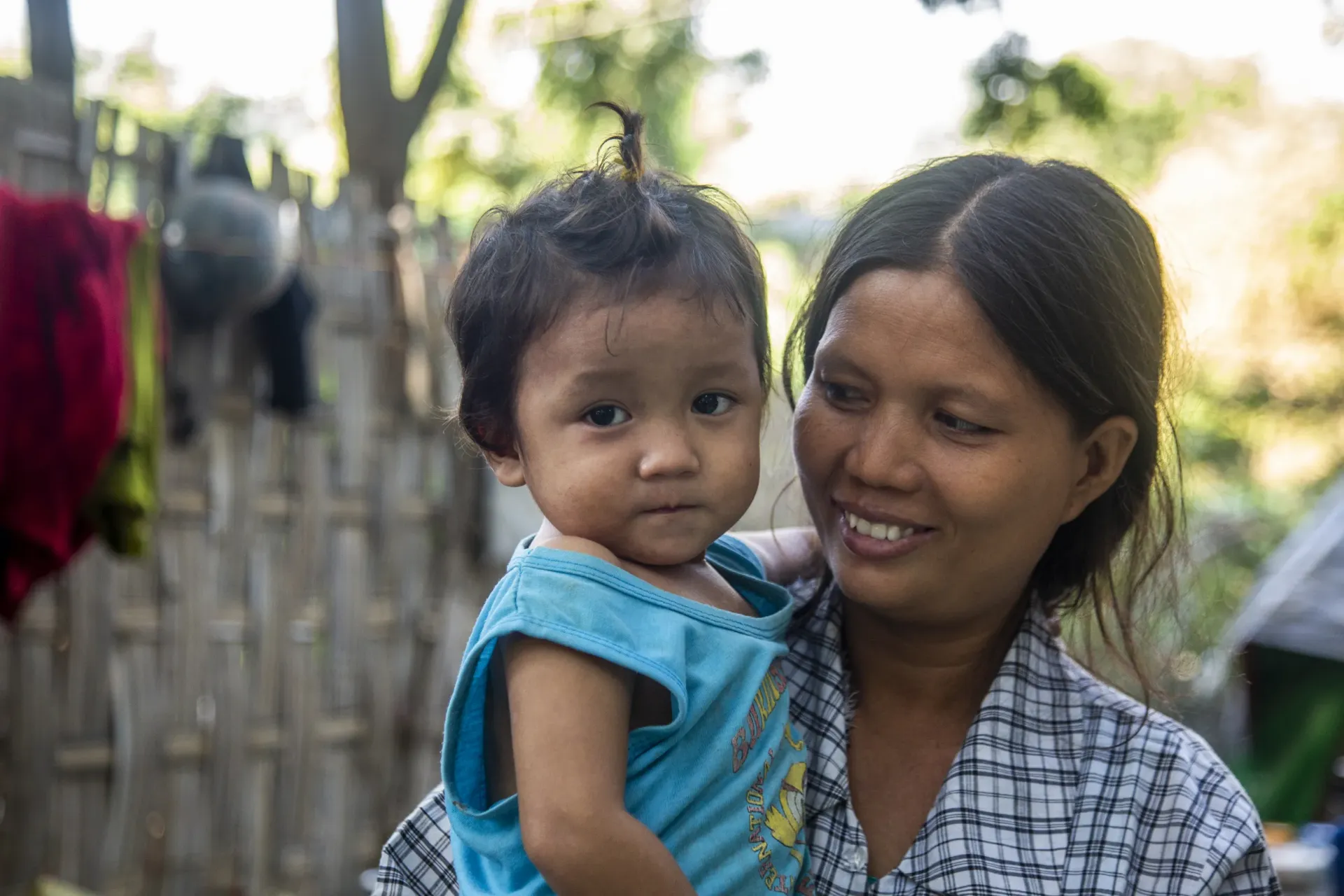
When Ma Thet*, 37, first saw the red marking on the measuring tape wrapped around her baby son's arm, she did not fully understand what it meant. But the look on the health worker's face told her everything. Kaung Kaung, just 18-month-old, was severely malnourished, and without help, he might not survive.
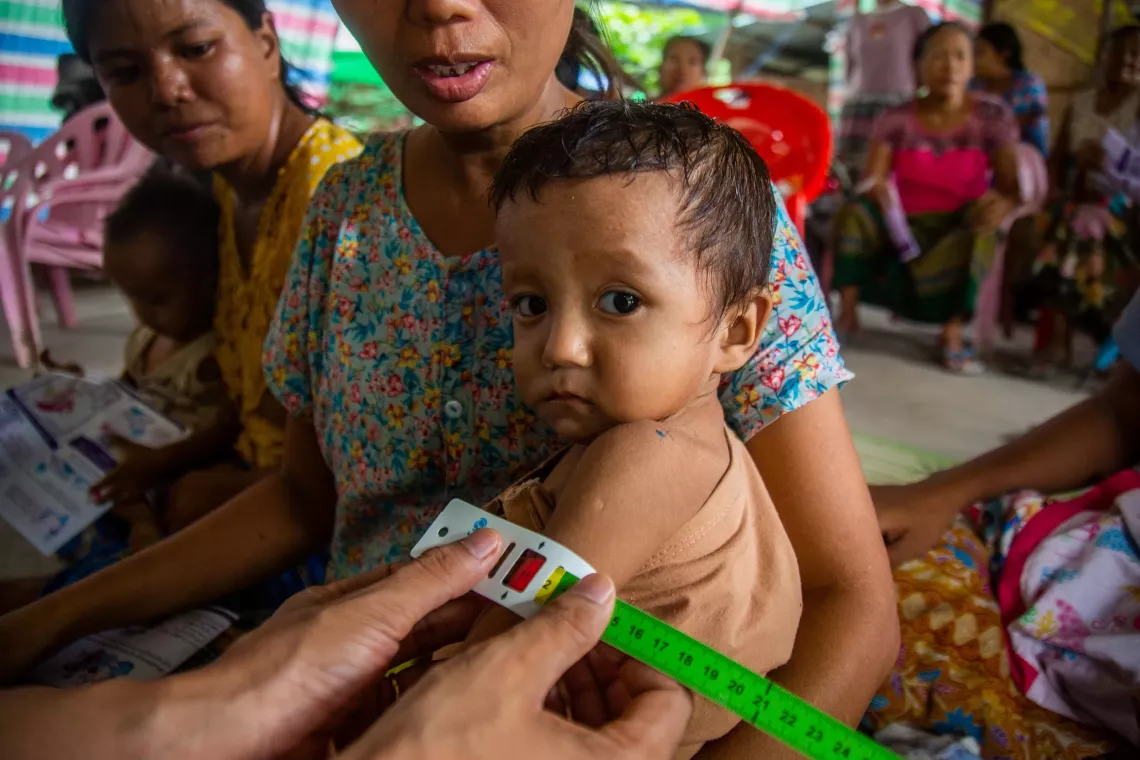
Like many families living in poverty, Ma Thet, a mother of seven in Mandalay, Myanmar, struggled to provide the nutrition her youngest needed. She knew he should have more than what they could afford, but meat, fish, eggs, and vegetables were out of reach. Kaung Kaung ate mostly rice with occasional snacks, not enough for a child his age to thrive. When he developed diarrhoea after having contaminated water, his condition became life-threatening.
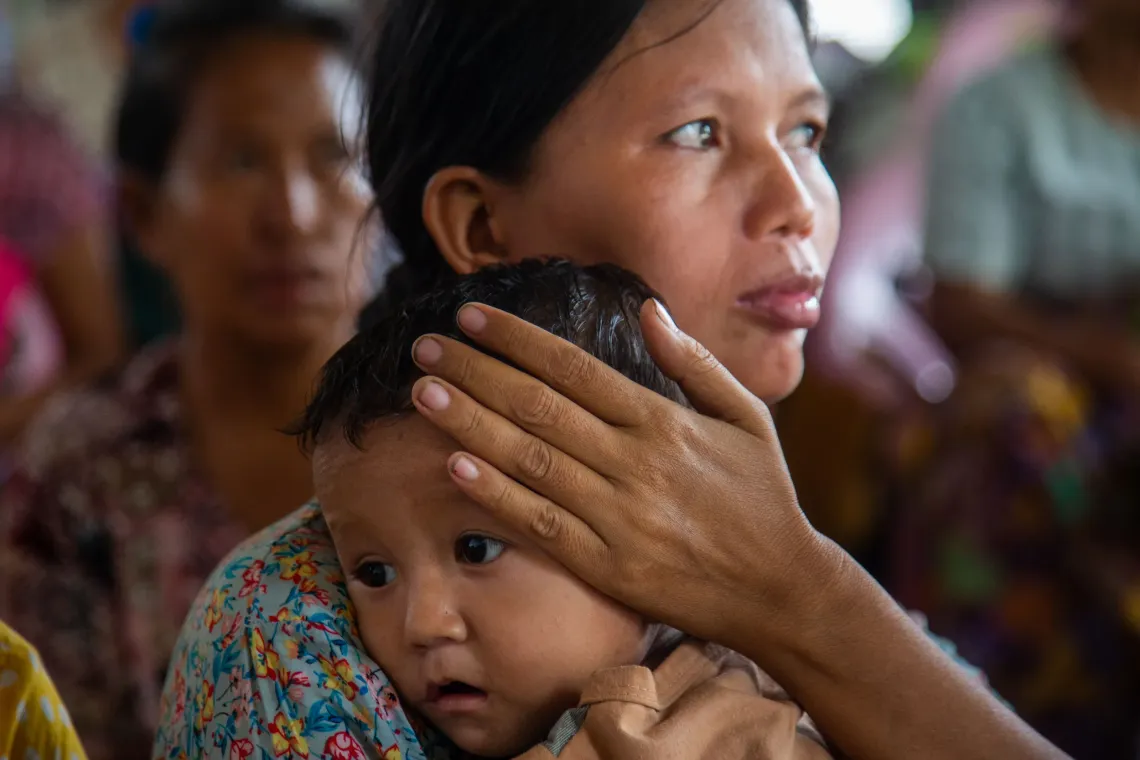
By the time the community health team arrived, he was weak and dehydrated. That same day, he received ready-to-use therapeutic food (RUTF), a peanut-based paste that requires no refrigeration, no preparation, and no hospital stay. The health workers showed Ma Thet exactly how to give the food to her son, and began the regular check-ins that are part of the treatment protocol.
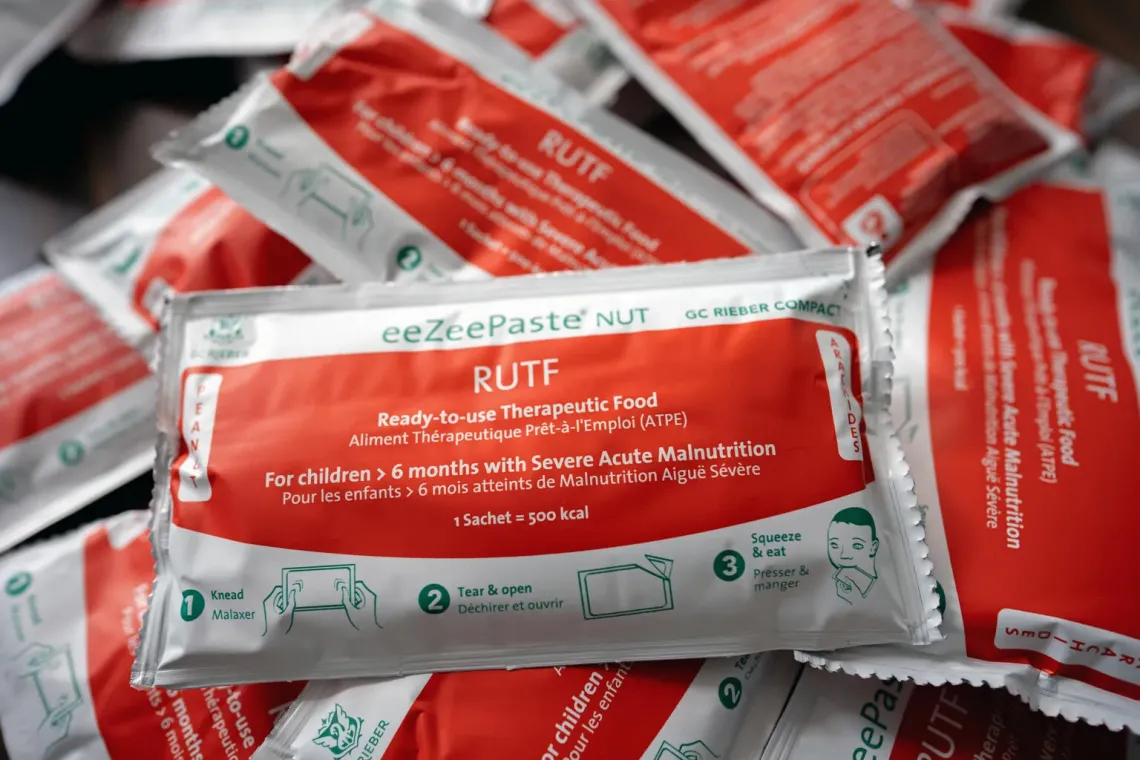
"I felt so scared when they told me he was severely malnourished," Ma Thet recalled. "But when they gave me the food and explained what to do, I thought maybe there is still a chance."
There was. Through regular follow-up visits by the health workers, Kaung Kaung made a full recovery. Now over two years old, the boy who once measured in the red zone is growing and gaining strength.
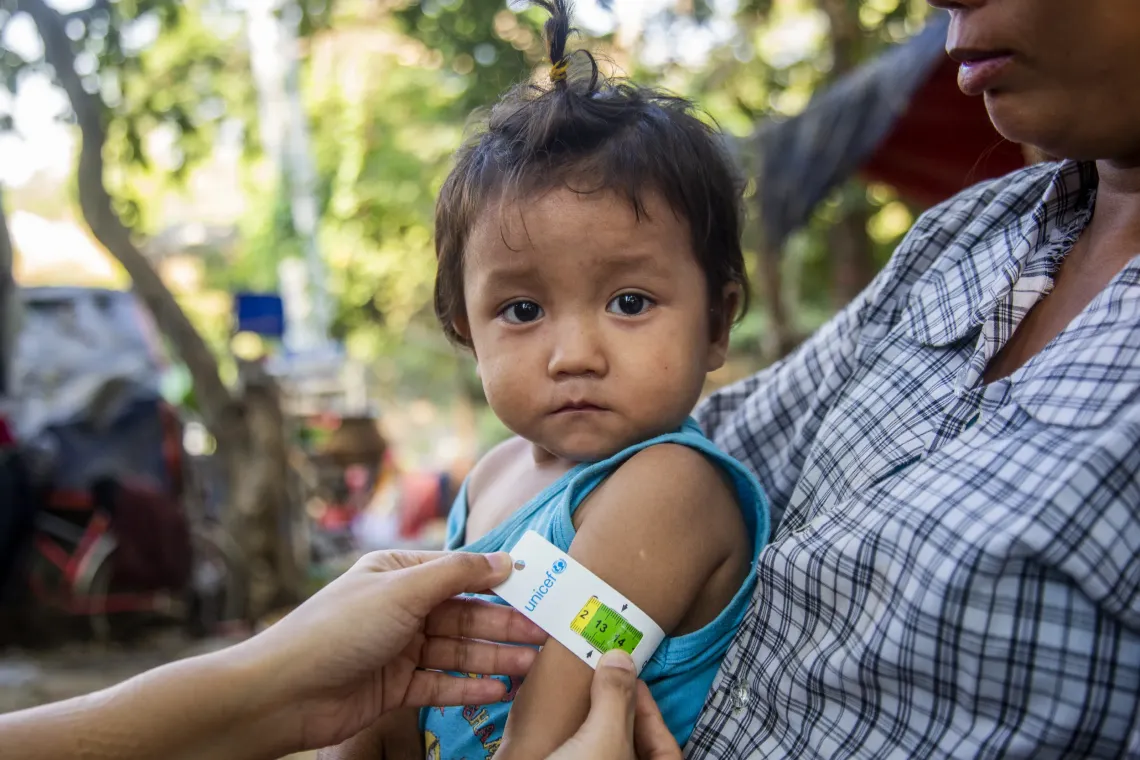
"We check in with families like Ma Thet's regularly. It's how we make sure the treatment works," said Dr May May Khin, UNICEF Health and Nutrition Specialist based in Mandalay, who works with local partners and community health workers. "Kaung Kaung's recovery shows what community monitoring and RUTF together can achieve."
For Ma Thet, the change has been just as meaningful. "He is full of energy now," she said with a smile. "All I ever wanted is to see my child healthy."
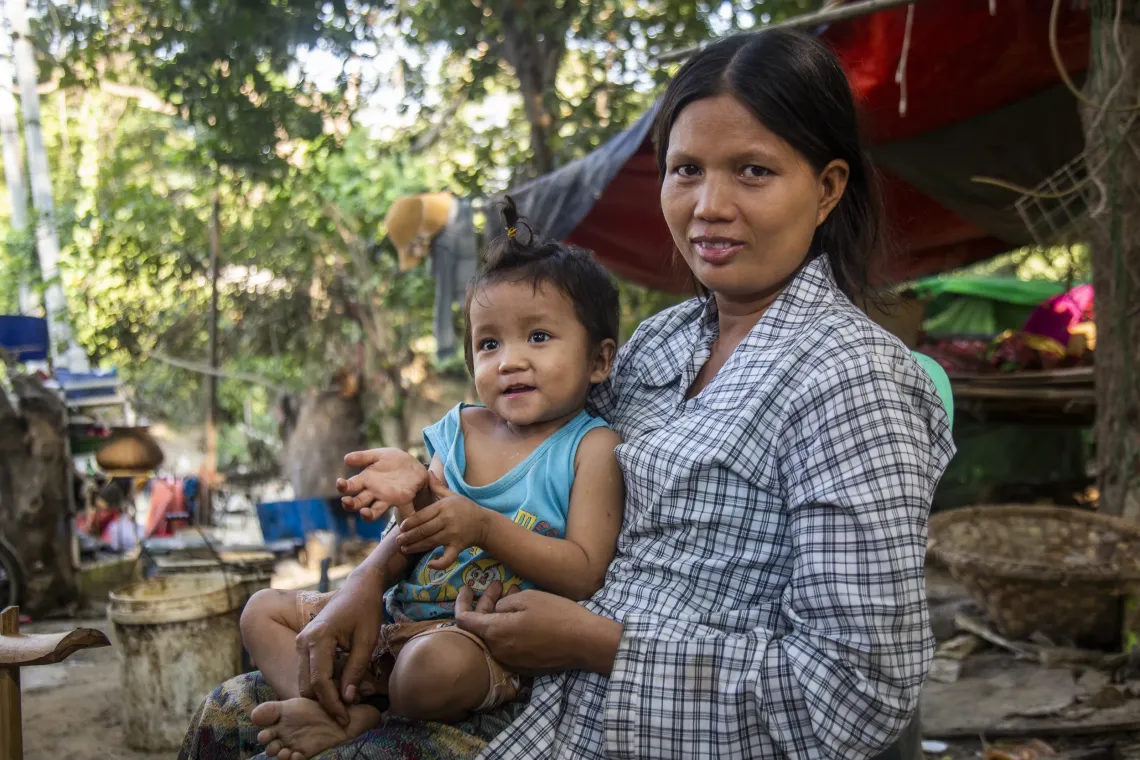
Kaung Kaung is one of over 9 million children around the world treated for wasting with UNICEF-supported RUTF in 2025. As the treatment marks 30 years since it was first developed in 1996, his recovery, achieved at home, by his mother, supported by community health workers and partners, is exactly the kind of story those 30 years were built for.
*Names in the story have been changed.