Survive and Thrive
Every child, including adolescents, survives and thrives.

- Português
- English
Commitment and investment in child health, nutrition and well-being have yielded important positive results for children in Mozambique in recent decades. Infant and child mortality have fallen and coverage of key services including immunization had increased. Yet with COVID-19 and other shocks affecting systems, much progress has been reversed over the last few years.
Mozambique still faces challenges. Repeated climate, health, and security shocks and stresses hamper access to health and nutrition services, limit nurturing care, undermine food security and livelihoods (affecting income and consumption of nutritious foods), and hinder economic growth, with the COVID-19 pandemic and recurrent public health outbreaks placing additional stress on already fragile health systems. These factors, along with harmful social norms such as limited nurturing care and child marriage, persist as challenges preventing families from providing children under 5 years of age with the best start in life, especially during the first 1,000 days. Families, communities and health care must be ready for rapid response to shocks.
Continued efforts to drive progress on child health, nutrition and development will constitute a key component of UNICEF’s support to Mozambique over the years to come. UNICEF is working with Mozambique’s Ministry of Health to strengthen inclusive maternal, newborn and child primary health, HIV and nutrition curative and preventive care services, with a focus on delivery by community health workers, so that every child in Mozambique can survive and thrive.
Many risks to infants are inextricably linked with risks to adolescents, especially girls, including the risk of early pregnancy and early marriage. Early pregnancy endangers the life and health of both the mother and the child and increases the risk of negative outcomes for the mother’s and child’s health and wellbeing. Mozambique has a high rate of new HIV infections among infants and children, and a high rate of mother-to-child transmission of HIV, especially amongst adolescent mothers.
UNICEF also partners with the Technical Secretariat for Food and Nutrition Security (SETSAN) hosted by the Ministry of Agriculture and Rural Development to promote, plan, coordinate, and multisectoral interventions for improved nutrition at national, provincial, and district levels. The multi-sector plans coordinated and monitored by SETSAN outline the vision for holistic child growth and development, and include interventions to promote improved diets, nurturing care, health seeking behaviours and services, water and sanitation, education, and social protection.
THE CHALLENGES
- High maternal, neonatal, infant and child mortality rates: Mozambique’s newborn mortality rate is high, at 28 deaths per 1,000 live births. The maternal mortality rate is also high, at 452 deaths per 100,000 live births.
- Persistent undernutrition: In 2020, 74 per cent Mozambicans were living in severe or moderate chronic food insecurity (FAO [i]), with 38 per cent of children under 5 years stunted (IOF 2019-20). UNICEF estimates that less than 20 per cent of children with Severe Acute Malnutrition (SAM) receive treatment, and stockouts of therapeutic supplies for lifesaving treatment are recurrent.
- High adolescent pregnancy rates: In 2018, 14 per cent of teenagers had their first pregnancy before age 15, 57 per cent had their first pregnancy before 18 years of age, and 46 per cent of adolescent girls became pregnant. Meanwhile, coverage of adolescent-friendly health services was low at 10 per cent.
- Low coverage of immunization: The latest WHO and UNICEF estimates of national immunization coverage (WUENIC 2022) report revealed a decrease in coverage of the combined diphtheria, tetanus and pertussis vaccine (DTP 1), with coverage rates falling from 91 per cent in 2019 to 67 per cent in 2021, largely the result of COVID-19-related disruption, demonstrating a drop in access to immunization services.
- High HIV incidence and low treatment coverage: Mozambique has a high rate of HIV incidence among children and a high rate of mother-to-child transmission of HIV. At 12 per cent, this is more than double the 5 per cent transmission rate necessary to achieve virtual elimination of mother-to-child transmission. Pregnancy among adolescent girls – a particularly vulnerable group – results in particularly high risk of mother-to-child transmission.
- Recurrent public health outbreaks: Mozambique is faced with recurrent cholera outbreaks and in 2022, with wild polio cases identified and resulting in a declaration of polio outbreak.
- Limited data and evidence: Regular and quality data to show trends and coverage, and inform decisions, remains a key issue due to the lack of resources for surveys or the difficulties associated with data collection and analysis. Similarly, systematic evidence generation on packages that are being piloted for improving the well-being of children holistically, as well as on innovative approaches (i.e., multisectoral programme implementation) and solutions (i.e., affordable complementary foods for children) for improved nutrition outcomes in the country, as well as the impact of interventions is much needed.
- Limited resource allocation for scaling-up evidence-based interventions across sectors for stunting reduction: Mozambique’s policy environment is favourable for a multisectoral response, but there is a need to further build on existing commitments to accountability and progressive increases in resource allocation to achieve additional impact.
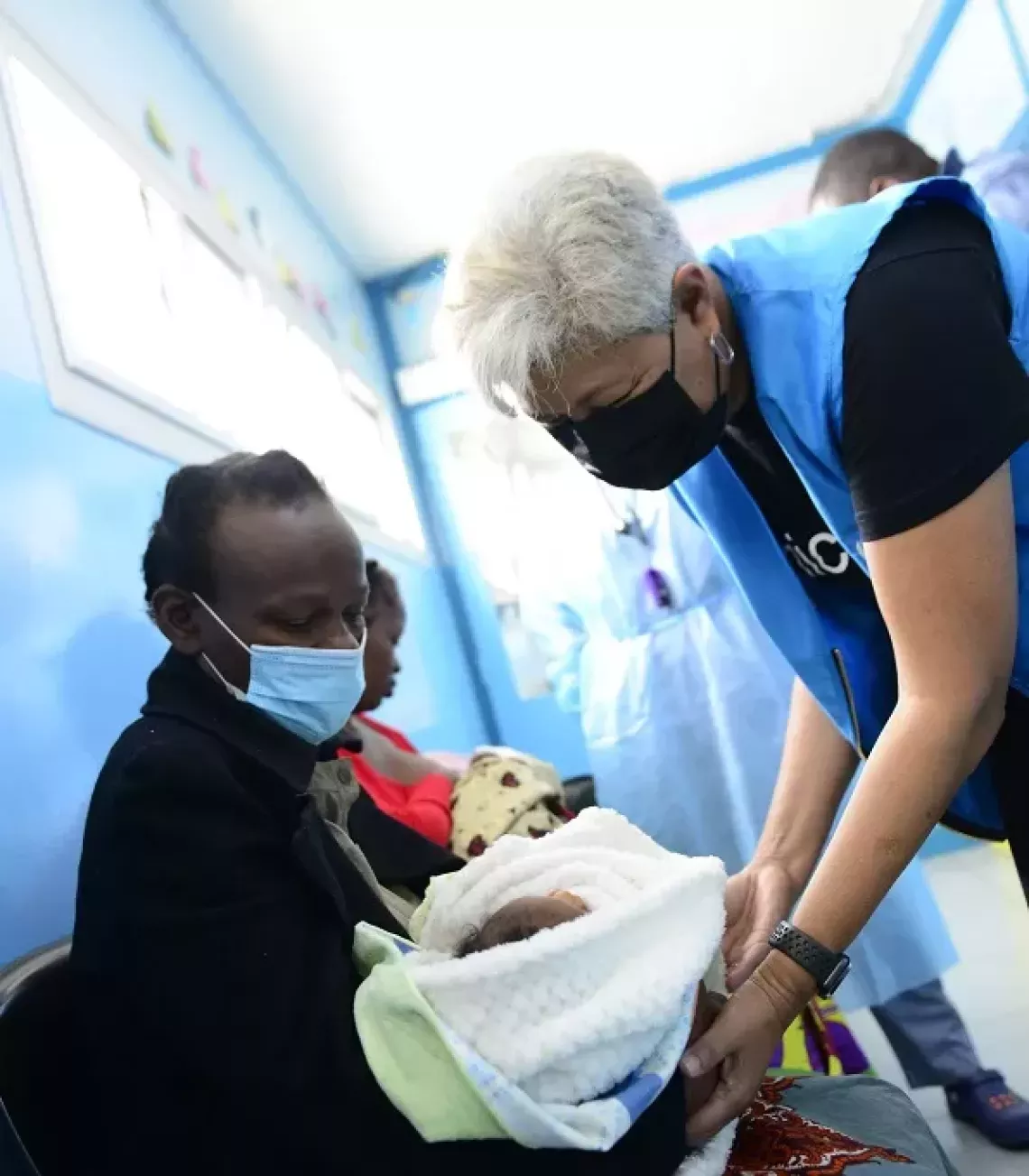
Babies don’t only need health, they want to be nurtured, educated, protected. Everything is important.
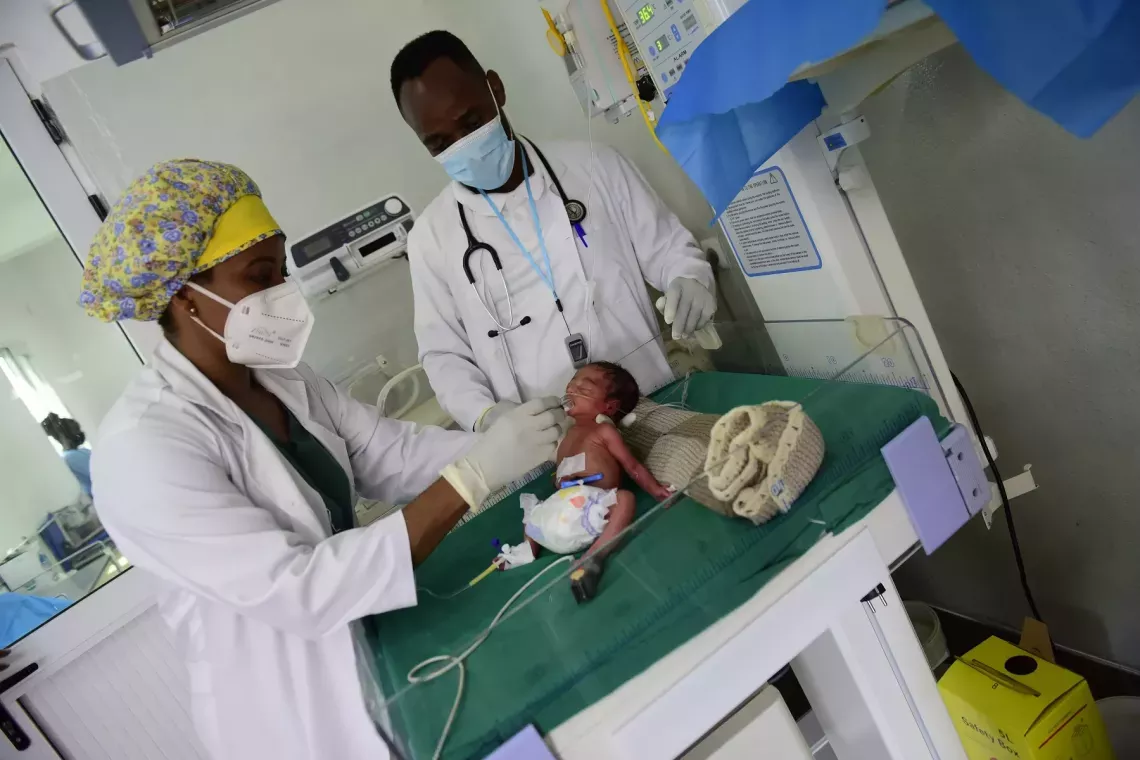
Thanks to an agreement between the Association of Obstetricians and Paediatricians in Mozambique (AMOPE), a mentorship programme has been developed to offer technical support from maternal and infant health experts for nurses and health workers throughout the country. This is proving valuable in helping them to save lives in vulnerable, remote and under-staffed communities. The programme uses in-person training, as well as a WhatsApp group for instant support. More than 600 health workers from 288 primary health centres receive monthly mentorship sessions from 78 maternal and child health mentors on newborn care as well as inpatient nutritional treatment.
Implemented across seven districts in Sofala, four in Zambezia and three in Nampula, the mentorship programme has enabled easier access to health guidance and is saving lives at minimal cost. The initiative allows health workers to take corrective actions quickly, seek prompt advice from mentors, and immediately respond to health emergencies.
The mentorship programme is showing great results, especially in supporting complex deliveries, premature births and ensuring effective case management for hospitalized sick newborns and cases of SAM. The results in this area have been very successful and we have already seen a significant drop in institutional neonatal mortality rates and improvement in rates of recovery from SAM.
Lucinda Manjama, UNICEF Health and Nutrition Specialist, Beira field office, Sofala province.
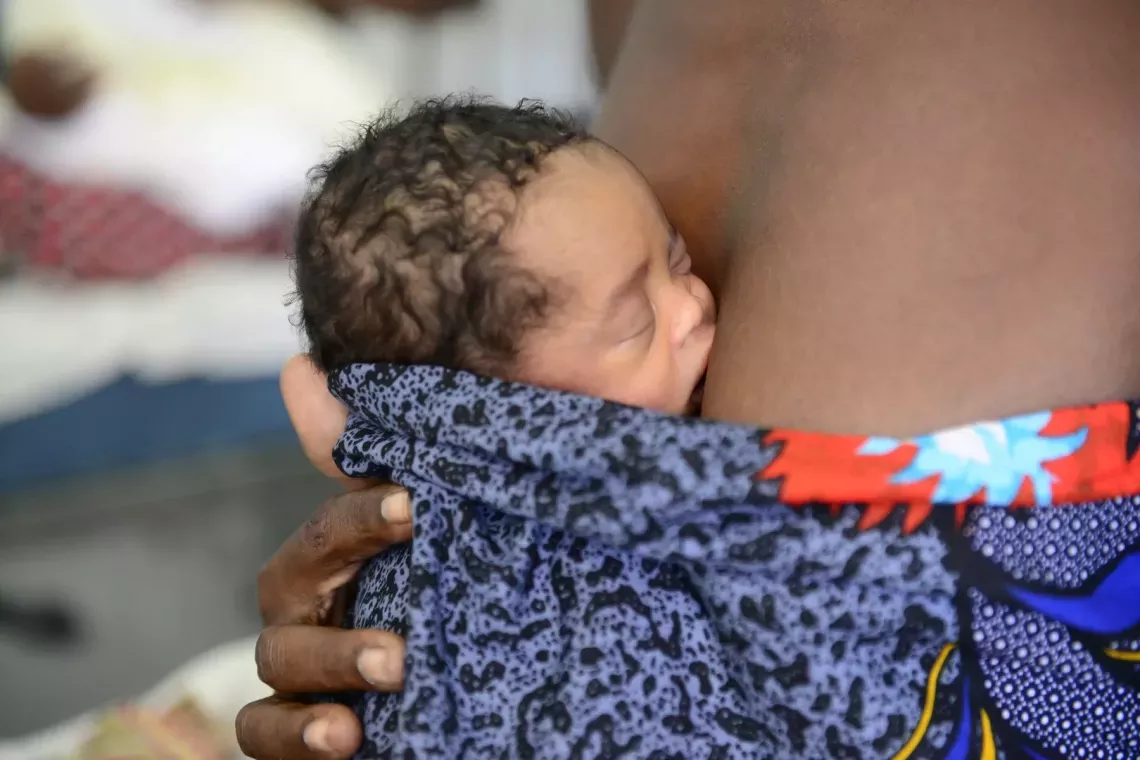
Kangaroo care and nurturing care – the foundation of Early Childhood Development
At Maputo Central Hospital, a pair of newborn twins are snuggling with their mother. Comforting blankets and dim lighting provide a calm environment and recreate the familiar in-utero position and skin-to-skin closeness that also aids their neurological and muscular development. Kangaroo Mother Care (KMC), is an efficient and cost-effective technique that not only improves survival rates of newborns but also promotes early childhood development (ECD), giving children a strong best start in life. Establishing a healthy bond between mother and child, KMC supports breastfeeding and provides sensory stimulation, an essential component of the ‘nurturing care approach’, which involves feeding, stimulating and playing with the child at every stage of early life to keep their development on track and ensure they reach primary school age ready to learn and flourish. These principles are extended into the community as an integrated approach to ensure children receive the right infant child feeding and care for their holistic physical, emotional and cognitive development. “Babies don’t only need health, they want to be nurtured, educated, protected. Everything is important,” says UNICEF child health specialist Dr. Benilde Soares.
Story: Maputo Central Hospital sets a new standard for saving newborns in Mozambique
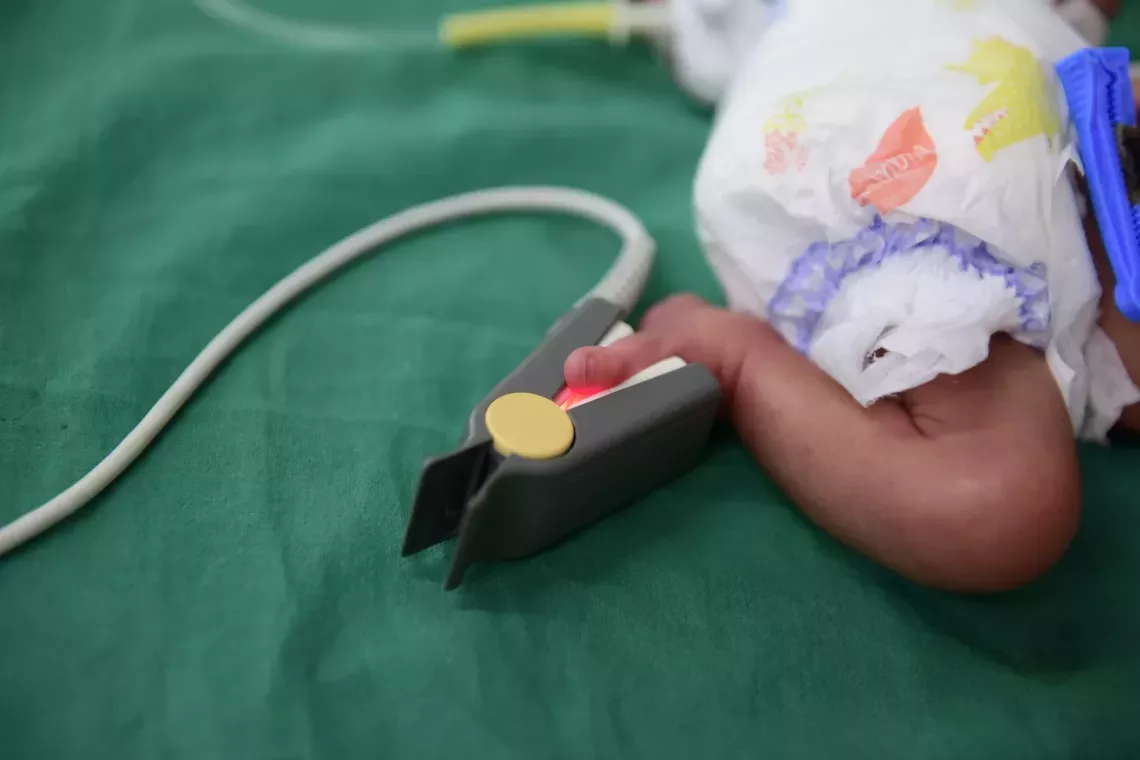
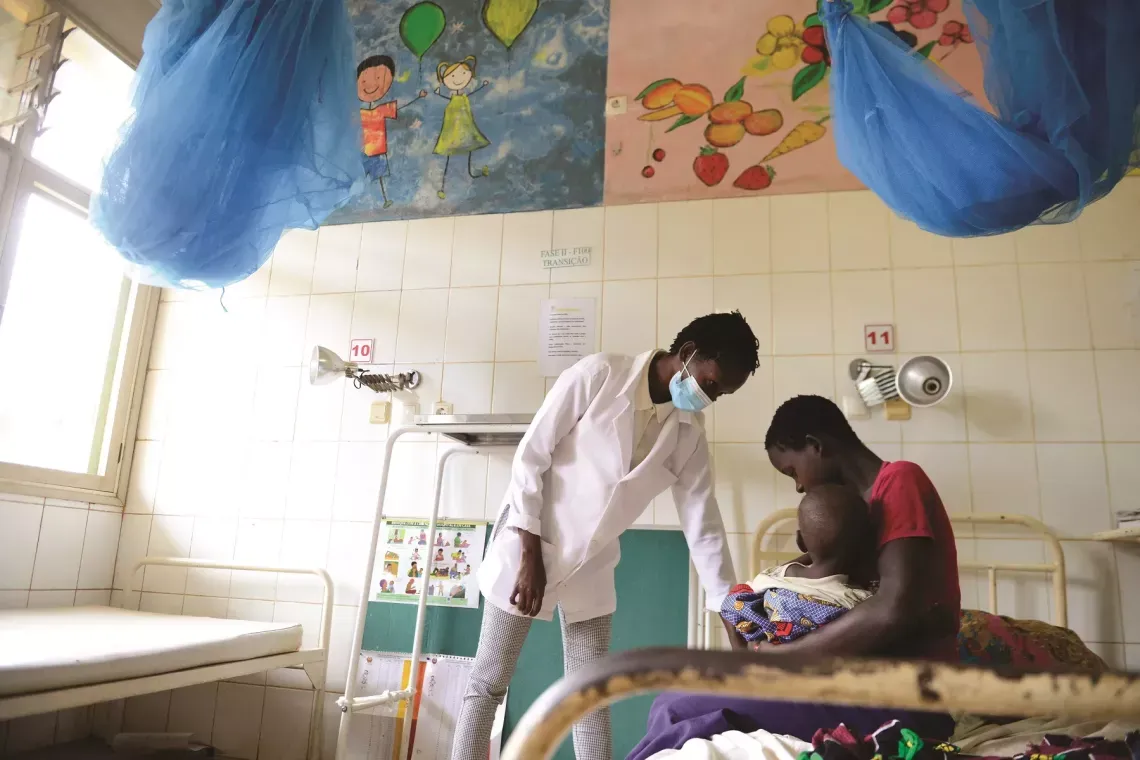
Ines Feliciano’s daughter was born premature, underweight and with complications in Hospital Geral de Mavalane in Mozambique’s capital, Maputo, but the hospital didn’t have the neonatal intensive care facilities needed to save the baby. The mother and child were transferred to Maputo Central Hospital, where baby Cristina received prompt lifesaving medical care, including oxygen treatment and incubation.
The case highlights a critical challenge in Mozambique, which has high neonatal mortality rates of approximately 28 deaths for every 1,000 live births – well below the SDG target of 12 deaths per 1,000 live births. With insufficient numbers of neonatologists, paediatric surgeons, medicine, equipment and community-level care, newborns are at risk of dying from treatable complications and operable congenital conditions.
Staff in Maputo Central Hospital’s Intensive and Intermediate Neonatal Care Unit are able to save Cristina and other premature babies and newborns thanks to investment and support from UNICEF and partners including funding, equipment (e.g., oximeters, an oxygen pipeline and incubators) training, infrastructure rehabilitation, and, importantly, the introduction of national guidance to treat hospitalized newborns and tools for registering births.
UNICEF helped support the development, endorsement, and implementation of the Every Newborn Action Plan (ENAP) to reduce neonatal mortality in Mozambique to 19 deaths per 1000 live births by 2024.
UNICEF has set up a powerful mentorship programme to bridge the gap in neonatal care and build capacity among medical and nursing staff in remote health units. The programme connects district-level neonatal units with the country’s few neonatal experts through a WhatsApp group for timely consultations and has created a national network which is supporting practitioners. “The mentorship programme is very important. We manage cases with instant connection between specialists. The workload is huge, but it is very rewarding. We can already see a reduction in newborn mortality,” says Dr. Benilde Soares, the UNICEF child health specialist who is a driving force behind many of UNICEF’s initiatives to prevent newborn mortality and illness.
A paediatrician and geneticist by training, Dr. Soares has been championing the children of Mozambique for three decades during a career that has included time working in hospitals, at the country’s Ministry of Health, with NGOs, and in medical schools. In 2017, Dr. Soares joined UNICEF to work at the policy level. “When I was a practitioner, I was focusing on one patient at a time. Now I am able to support many and make a difference in the lives of many children,” she says.
At the start of UNICEF’s last Country Programme of Cooperation in 2017, only regional and provincial hospitals had sick newborn units (N-ICU) in Mozambique. Now, over 50 per cent of all hospitals are covered, with expanded coverage at district level.
WHAT NEEDS TO HAPPEN?

For more children to survive:
- Health systems – especially at the sub-national level, in areas experiencing humanitarian emergencies and in other particularly vulnerable communities – require strengthened systems for accountability, evidence-based planning, human resource management, and health worker capacity building. Additional capacity for procurement, public finance allocation and management, and community-based case management is also needed.
- Coverage of key lifesaving health and nutrition interventions including immunization, Vitamin A supplementation, treatment of key childhood diseases, SAM treatment for children under 5 years of age, HIV prevention and treatment with a focus on adolescent mothers and paediatric care needs to be expanded and maintained.
- Availability of quality for diagnosis, treatment and care services for maternal, newborn and child health and nutrition, HIV prevention and treatment, and prevention of mother-to-child transmission of HIV, particularly for adolescent girls and young women living with HIV needs to be strengthened and increased.
- Additional efforts are needed to ensure full preparedness planning and pre-positioning of key supplies, to ensure rapid response to emergencies and outbreaks – such as polio and cholera - in the context of recurring shocks affecting Mozambique.
For more children to thrive:
- Multisectoral policies and strategies to prevent malnutrition need to be comprehensive, based on evidence, regularly coordinated and monitored, with accountability measures in place for effective implementation of action plans towards targets.
- To achieve this, institutional systems and capacities need to be strengthened at national, province, district, and community level for planning, monitoring, and coordination.
- Comprehensive and holistic early child development services, incorporating all components of the nurturing care framework (health, nutrition, responsive caregiving, safety and security, opportunities for early learning), need to be delivered through community and institutional platforms promoting play and stimulation.
- Specific adolescent-friendly services need to be made more readily available, and health workers need additional training in the necessary skills to understand and meet the needs of adolescents.
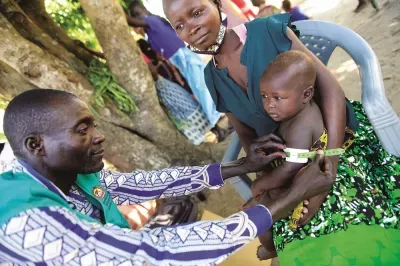
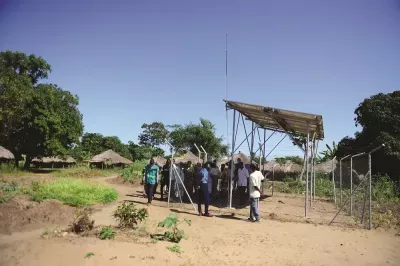
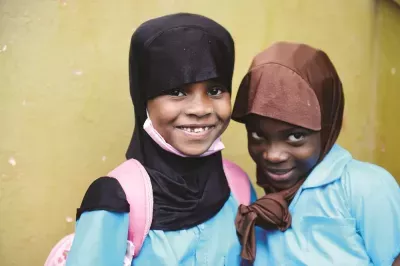
Community Health Workers vital for making services available in hard-to-reach areas
Community health workers – or Agentes Polivalentes Elementares (APEs), as they are called in Mozambique – are a vital and integral part of all UNICEF-supported programming in the country, from community awareness and promotion of improved practices to lifesaving treatment services.
The fact that visiting a health facility often involves travelling long distances on foot prevents many people in Mozambique from accessing timely help and treatment, sometimes with fatal consequences. APEs currently cover communities that are over 8 kilometres away from health facilities.
The national community health subsystem strategy, developed by the Ministry of Health with the support of UNICEF and partners, builds on the community health workers programme, and includes plans to expand the community health network with community health workers at its core, supported by other key stakeholders and volunteers in the community. They screen and treat children for key illnesses, and above all, promote preventive measures in the community for children to live in environments where they can thrive.
The role of APEs in Mozambique is crucial:
“If we are able to get the community component right – you get the health and nutrition care right and can see significant improvement in the most vulnerable communities. Health workers are now trained, equipped and have the expertise needed at the community level to save lives without delay,” explains Maureen Gallagher, UNICEF Mozambique’s Chief of Child Health and Nutrition.
Tackling undernutrition in Mozambique – the importance of a multisectoral approach
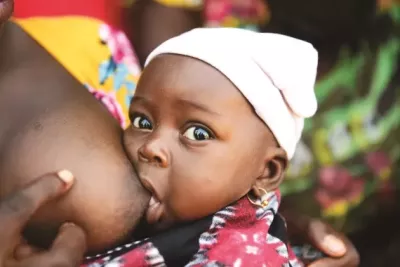
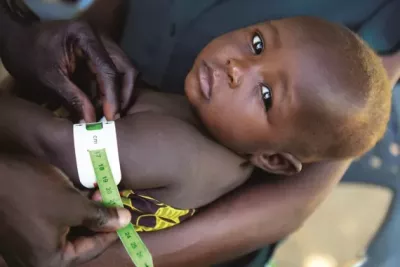
Mozambique’s rates of chronic malnutrition and stunting remain high, with almost 4 in 10 children experiencing stunting.
The cost of stunting is high: the most recent data shows that over 11 per cent Gross Domestic Product (GDP) is lost due to undernutrition.[i] It irreversibly affects children’s cognitive development, depriving children of a future, with implications for the prosperity of their communities and of society as a whole. The cost of intervention is very low, with striking returns. “Globally, for every US $1 invested in nutrition, you return US $16 to the country’s economy. This is the most cost-effective action,” Gallagher says.
To address undernutrition in Mozambique there is a need to strengthen nutritional evidence generation to inform multisectoral legislation and policies, ensuring quality implementation of interventions. Securing and improving interactions between food, health, WASH, and social protection systems is critical for effective and long lasting results.
Collaboration with SETSAN – from Policy to Action
UNICEF is working closely with SETSAN to ensure that the National Food Security and Nutrition Strategy (ESAN III), its Action Plan, and a National Policy (POSAN) are approved by the Government to guide the implementation of a multisectoral response to stunting. Packages of nutrition interventions are encouraged to be implemented at district level, considering context needs and priorities.
In the last four years UNICEF, SETSAN and provincial government partners in Nampula and Zambezia provinces have been doing just that, piloting a package of nutrition, health, WASH and social behaviour change interventions in seven districts, with the objective of contributing to improved nutrition outcomes. Advocacy with decision-makers at provincial and district levels, training of key staff in understanding the importance of convergence, and joint planning and budgeting have been key to the success of this approach. SETSAN focal points and provincial and district levels play a major role in ensuring optimal multisectoral coordination across sectors and at all levels (institutional and community). This package is currently being refined and will be scaled to an additional four districts in the aforementioned provinces, as well as in Cabo Delgado. This collaboration is also contributing to evidence generation to inform SETSAN on packages that are proven to have high impact.
UNICEF, along with other partners, has provided financial and technical support to SETSAN to generate evidence on the nutrition situation in conflict-affected areas in the north of the country. Annual SMART (Standardized Monitoring and Assessment of Relief and Transitions) surveys since 2020 have helped to inform the humanitarian response for nutrition and health.
.
Collaboration with the National Institute of Statistics (INE)
UNICEF and the National Institute of Statistics (INE) worked together to generate evidence on the national prevalence of stunting among children under 5 years in 2019 and 2020. After nearly a decade of stagnation at 43 per cent, the survey showed that stunting levels in the country had reduced to 38 per cent - still very high, but representing progress in the right direction. Building on this success, UNICEF supported INE to expand the nutrition module of the 2022 survey to include nutritional status, food consumption, and food security of all children aged 0-18 years. This data will be analysed in 2023 and will fill an important evidence gap for school-age and adolescent children, which currently doesn’t exist in Mozambique but is essential to monitor nutritional trends in these important age groups.
.
Contributing to National Advocacy Efforts – Crescer Bem
Crescer Bem (‘grow well’) is a government-led nutrition education campaign, championed by the First Lady of Mozambique Isaura Nyusi, aimed at raising awareness of the public in general on the importance of nutrition. With SETSAN coordinating the implementation of the campaign, it expects to advocate for increased investments and commitments from different sectors and stakeholders for high-impact interventions. At the same time, the campaign aims to disseminate key behaviour change messages through various community platforms for improved nutrition outcomes for women and children. UNICEF is working closely with SETSAN to ensure that the conception and roll-out of this campaign contributes to increased resource allocation for nutrition, while raising awareness on the importance of the integral development of children, for children to “grow well, eat well, play well, learn well”, within the first 1,000 days period, through their early years and onwards through childhood.
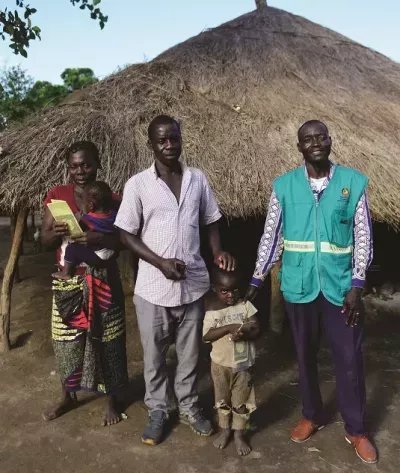
Juan Pedro Dauci, Community Health Worker for 10 years in Dondo, Sofala province
“The community chose me to become a community health worker. I am trained to treat key childhood illnesses such as malaria, diarrhoea and pneumonia and detect malnutrition by assessing patients. When I see a severe case, I refer. I also provide vitamin A and micronutrient supplementation, to children, while promoting breastfeeding and consumption of nutritious food for children in my community.
There are fewer cases of malnutrition now that we go directly into the communities. Promotion is helping a lot, and children are much less sick. 80 per cent of my work is promoting awareness and preventing diseases, and only 20 per cent is focused on treatment access. This proves that our system works. Our children are less sick.”
Story: Youth-friendly services and mobile HIV testing in Nhamatanda
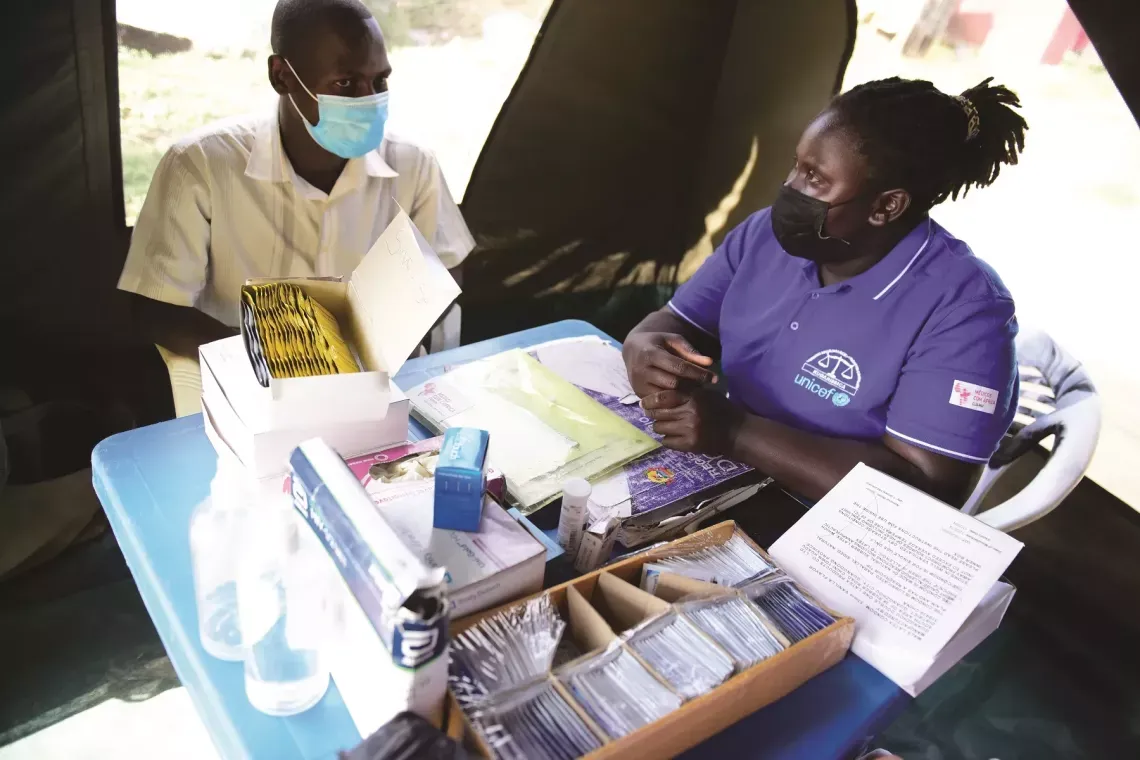
Ten years ago, Josephina was a pregnant adolescent when she tested positive for HIV. Her mother, a health outreach worker, referred her to SAAJ, a programme providing adolescent and youth-friendly services. During her first consultation, nurse Catia Moraj explained everything, provided her with free antiretroviral (ARV) medicine, and made sure she took it throughout the pregnancy. Her baby was born free of HIV, as mother to child transmission of HIV was prevented (PMTCT).
Now Josephina is herself a SAAJ counsellor at the Nhamatanda Rural Hospital, counselling other pregnant young women and adolescents living with HIV on preventing mother-to-child transmission. “I counsel pregnant women to make sure they adhere to treatment. Moms trust me because I have a baby and the baby is HIV negative. I am very proud of my job,” Josephina says.
At Nhamatanda Rural Hospital, which covers an area with a population of approximately 86,000 people, SAAJ provides testing, treatment and counselling for adolescents and youth living with HIV, as well as sexual and reproductive health consultations. The programme is implemented through a partnership between UNICEF and CUAMM.
Adolescents are a complicated group. That’s why it’s important to have a specialized site with specialized care
“Adolescents are a complicated group. They like to experiment. They’re hard to communicate with. That’s why it’s important to have a specialized site with specialized care,” says Natalia Ilda Chimundi, community nurse and psychologist.
One specialized component is a community mobile brigade, which delivers counselling and HIV testing in the community. The test site is located in front of a bar, a strategic location for targeting an at-risk population that would not necessarily want to visit a health centre to get tested. Every day, including on weekends, the mobile brigade tests an average of 10 people, providing results within 15 minutes. The service is free of charge.
There is often a focus on girls and women in the response to HIV. But Dr. Fernando Chenene, who heads the UNICEF-CUAMM HIV project, explains that it is very important to reach out to boys and men too.
“If the test is negative, we counsel the patient to use condoms and not to have risky relations without protection because they can get infected tomorrow,” the doctor says. “If the test is positive, we take them to the hospital to take the medication and provide counselling,” he explains.
Rosario, a case manager supported by UNICEF, says an average of 50 adolescents use SAAJ services every day. HIV-positive teens come regularly to receive follow up treatment, and outreach workers go into the community to discuss key messages. The outreach workers take the patients to the community health centre to make sure they attend and adhere to treatment.
Josephina’s message to the community is clear. “I tell them, if you’re positive and pregnant, you have to take your treatment every day.”
UNICEF plays a critical technical role in refining protocols for treating acute malnutrition in the country to make them more efficient and cost-effective to save more children’s lives, promoting a focus on the most severe cases. This is done by supporting the expansion of treatment into remote communities, promoting responsive
feeding through community networks, and empowering families to monitor their young children for acute malnutrition.
Story: Saving lives by treating acute malnutrition
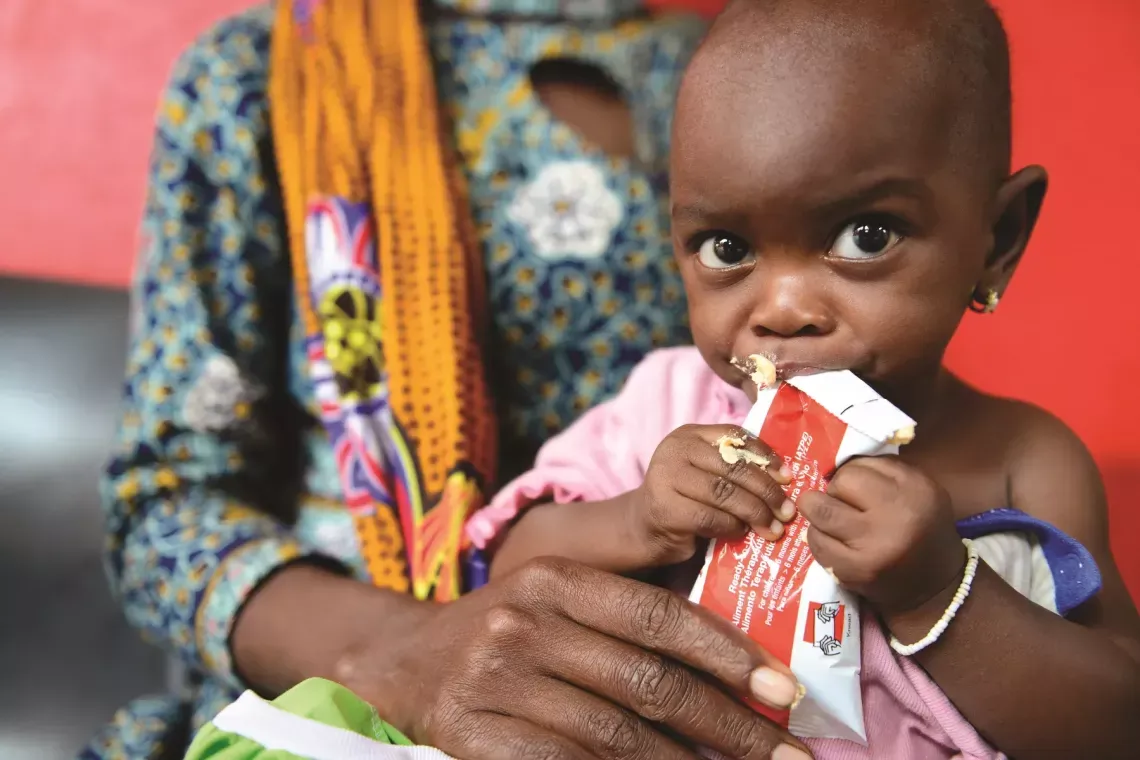
Hortenzia Andre is happily munching on a banana as she waits for her monthly health check at Namagoa Health Center in Nambilane, Lugela district in Zambezia province. Her grandmother, Ramiza, walked more than two hours on this hot November morning, with Hortenzia on her back, to make sure the girl made it to her monthly check-up, and received food and medicine.
Hortenzia is 18 months old, and she weighs just 8 kilograms (17.6 lbs). Ramiza brought her to the health center for the first time after Hortenzia’s mother (Ramiza’s daughter) passed away earlier this year. Ramiza, putting her maternal wisdom over her grief, did a remarkable thing for her granddaughter after her daughter’s death. Ramiza put baby Hortenzia to nurse at her own breast, until she eventually began to produce breastmilk again. This is an uncommon but possible process called “re-lactation”, and Ramiza succeeded to re-lactate on her own so that she could feed her baby granddaughter. Despite this, Hortenzia became malnourished because of illness and a diet of simple, low-nutrient porridge. The community health worker serving Ramiza’s remote village referred her to the Namagoa health centre to get treatment for severe acute malnutrition.
At the health center each month, Hortenzia receives medicine, enriched porridge prepared by the local Health Committee, and a month’s supply of ready-to-use-therapeutic-food (RUTF, a nutrient-dense paste of peanuts, milk powder, oil, sugar, vitamins and minerals). Ramiza says that Hortenzia is a good baby and doesn’t cry, and she has a good appetite.
Ramiza has to work in her fields every day to feed the family, and she takes Hortenzia with her. Unfortunately, this year Ramiza is only able to grow maize, bananas, and cove (a type of green leaf). She doesn’t grow beans or peanuts, and she can’t afford to buy eggs, sugar or oil for the porridge that she makes at home every day for Hortenzia. She says that Hortenzia loves to eat the enriched porridges prepared by the Health Committee; they are tasty with different recipes combining maize meal, sweet potato, pumpkin, eggs, peanuts, beans, oil, sugar, green leaves, tomatoes, bananas or other seasonal fruits.
Hortenzia has gained 3 kg since she was admitted to the PRN TDA (Nutrition Rehabilitation Programme’s Outpatient Treatment), but she still has a way to go to catch up in her growth and strength. At 18 months, she doesn’t yet walk but she can pull herself up on a chair and stand holding on to it. She is starting to talk, and not surprisingly, her first word is “MAMA” - Mama Ramiza, her grandmother and literal life-saver.
In a partnership between the European Union, the Government of Mozambique, and UNICEF, the percentage of remote communities in programme districts in Zambezia province that are served by community health workers (like the one who referred Ramiza to the Health Center) has expanded from less than 25 per cent in 2017 to 100 per cent in 2022.
UNICEF’S RESPONSE
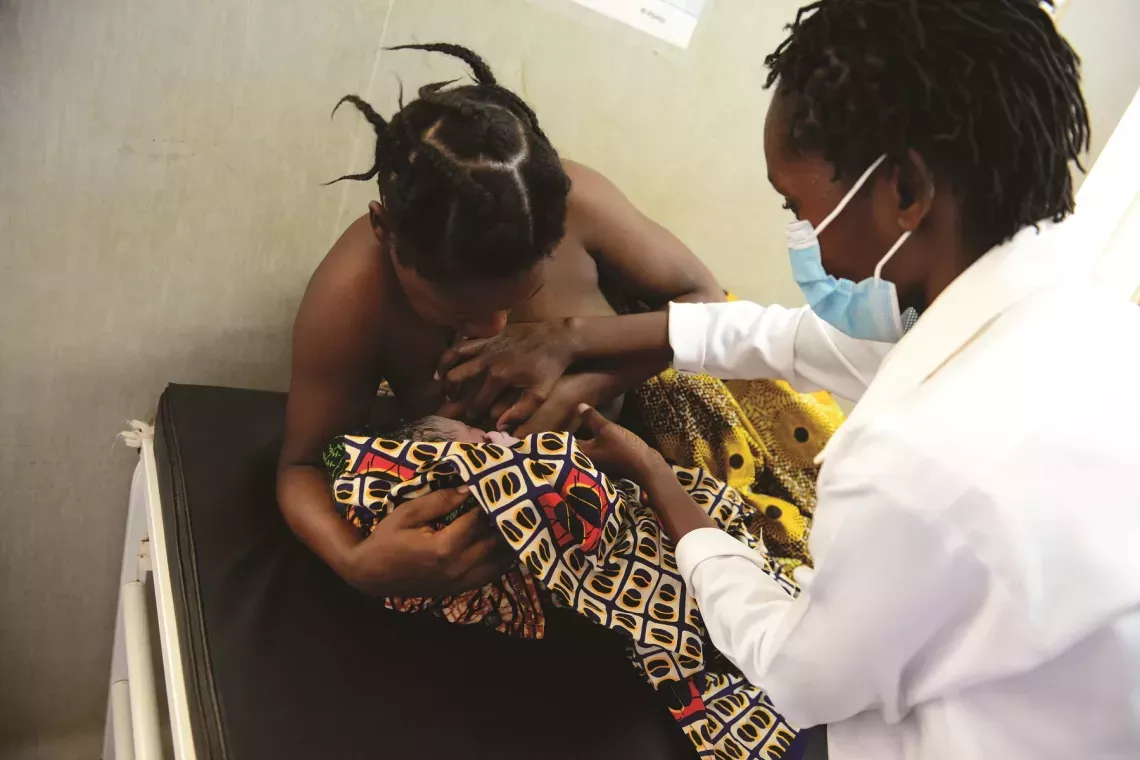
With support from partners, UNICEF works closely with the Government of Mozambique to strengthen health systems, especially at the subnational level. UNICEF prioritizes:
For children to survive:
- Health system planning, delivery capacity, and supply chain reinforcement, with the objective of creating health systems that are more robust and efficient, leading to increasing coverage of services, with a community focus.
- Expansion of immunization and vitamin A supplementation services, with the objective of preventing vaccine-preventable diseases and the consequences of vitamin deficiency.
- Management of severe acute malnutrition, with the objective of reducing mortality and improving immediate as well as long-term health outcomes.
- Building the capacity of health systems to deliver quality care for mothers, newborns and children. This includes nutrition and HIV paediatric and prevention of mother-to-child transmission services.
- Ensuring availability of quality health, HIV and nutrition services during emergencies, with the objective of maintaining continuity of critical services to populations.
- Timely response to public health outbreaks in coordination with key partners and sectors.
For children to thrive:
- Developing the capacity of institutions and stakeholders for multisectoral, evidence-based nutrition interventions, to reduce acute malnutrition and stunting, with a focus on prevention.
- Integrating key early childhood development components into community and institutional platforms, with the objective of strengthening physical and emotional nurturing care practices during this critical window of development, and promoting play.
- Increasing the knowledge of children, adolescents, women, and communities on nutritious diets, WASH, early childcare, and health-seeking behaviours.
Story: Tackling undernutrition in displaced children- the double burden of stunting and wasting
The nutrition situation of women and young children in Cabo Delgado in 2022 has significantly deteriorated due to underlying risk factors in conflict-affected districts, and a busy cyclone season in Northern Mozambique. The 2022 SMART survey results showed a high prevalence of stunting at an average of 44.5 per cent (39.3-49.8 per cent, 95 per cent confidence interval (CI)), with one in two children under 5 years too short for their age. This is compounded by the presence of wasting, with a prevalence ranging from 2.2 per cent (0.9-5.2 per cent, 95 per cent CI) to 9.3 per cent (6.7-13.0 per cent, 95 per cent CI), resulting in a double burden of malnutrition. Poor diets exacerbate the situation with less than 20 per cent of children projected to have access to nutritious diets. This is also associated with limited coverage of health and WASH services and high levels of food insecurity, which increase the nutritional vulnerability of displaced and host families. Additionally, harmful coping mechanisms such as reducing the amount and frequency of meals, delaying introduction of complementary foods to small children, and selling food stocks have been identified. The 2022 SMART Nutrition Survey Report projects a deterioration of the nutrition situation in 2023, with over 98,440 children under 5 years old and 7,884 pregnant and lactating women in need of lifesaving treatment for wasting in Cabo Delgado.
Isabel Maria Pereira Periquito, UNICEF Nutrition Specialist and team lead for health and nutrition in Cabo Delgado, explains that these high rates of acute malnutrition are closely linked to high rates of poverty in the province.
Households in the province are generally dependent on a limited number of crops, chiefly cassava and maize. As a consequence, their diets lack diversity, which contributes to undernutrition.
Displacement impacts nutrition in many ways. Resettlement camps receive food baskets, but funding challenges sometimes limit their nutritional quality, and most internally displaced persons (IDPs) don’t have land to grow vegetables. “They used to make a living from fishing, and their diets were rich in fish protein,” says Periquito. “Now they don’t have protein, cannot access meat, and fish is limited. If you don’t fish yourself, it is very expensive to buy it.”
UNICEF is supporting response to prevent undernutrition and treat severe acute malnutrition (SAM) among IDPs and host communities. Implementing partner AVSI is supporting implementation of the Nutrition Intervention Package (PiN) an Infant and Young Child Feeding (IYCF) awareness programme, teaching mothers how to enhance their family’s diet with locally available food, such as peanuts, sesame seeds, and moringa. “We see a difference in areas where they do awareness; we really see a change with a decreasing number of children affected by undernutrition in those places,” Periquito says.
UNICEF is supporting a community initiative in Chiure to enable community health workers to screen, treat or refer children affected by key diseases, including SAM, in the community. After five months of training, community health workers (CHWs) receive a kit containing basic equipment and a bicycle to reach the nearest health facility, often 10 kilometres away. UNICEF also supports inpatient treatment for malnutrition, including antibiotics and therapeutic foods at the hospital level.
Fewer cases reach the hospital. At the Chiure hospital, 16-month-old Gildo was admitted for diarrhoea, but the doctor diagnosed him with moderate acute malnutrition and judged him to be at risk of severe acute malnutrition. His mother, Niosa, is 16, an IDP living in Chiure. Neither she nor her parents knew about malnutrition. Gildo will be treated with therapeutic milk and then ready-to-use therapeutic food (RUTF). With more CHWs screening in the community, it is likely that cases of malnutrition can be detected early, and children effectively treated in less time, in communities, and that malnutrition will eventually become less common.