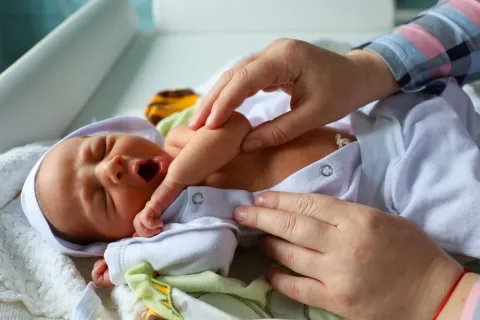
Beyond the guidelines: The support that makes a difference
Irina Loghin, UNICEF Health Officer and Emilia’s mother, on how support from family members and specialists can turn breastfeeding into a healthy start

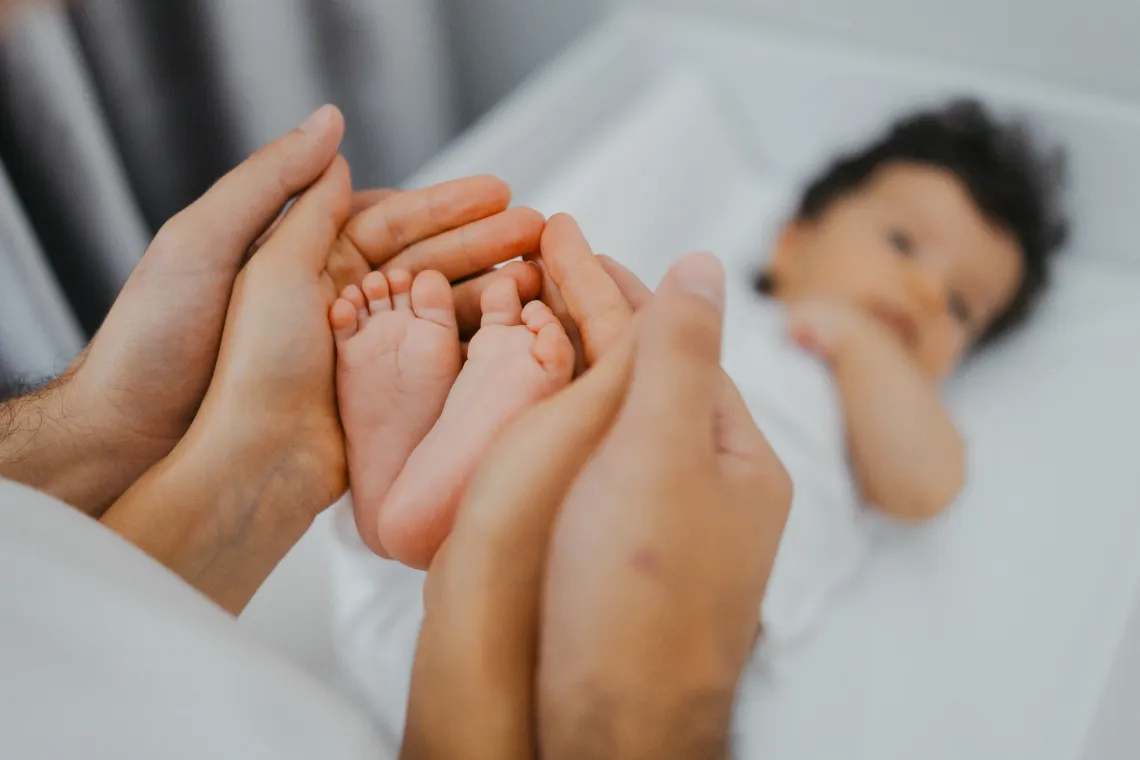
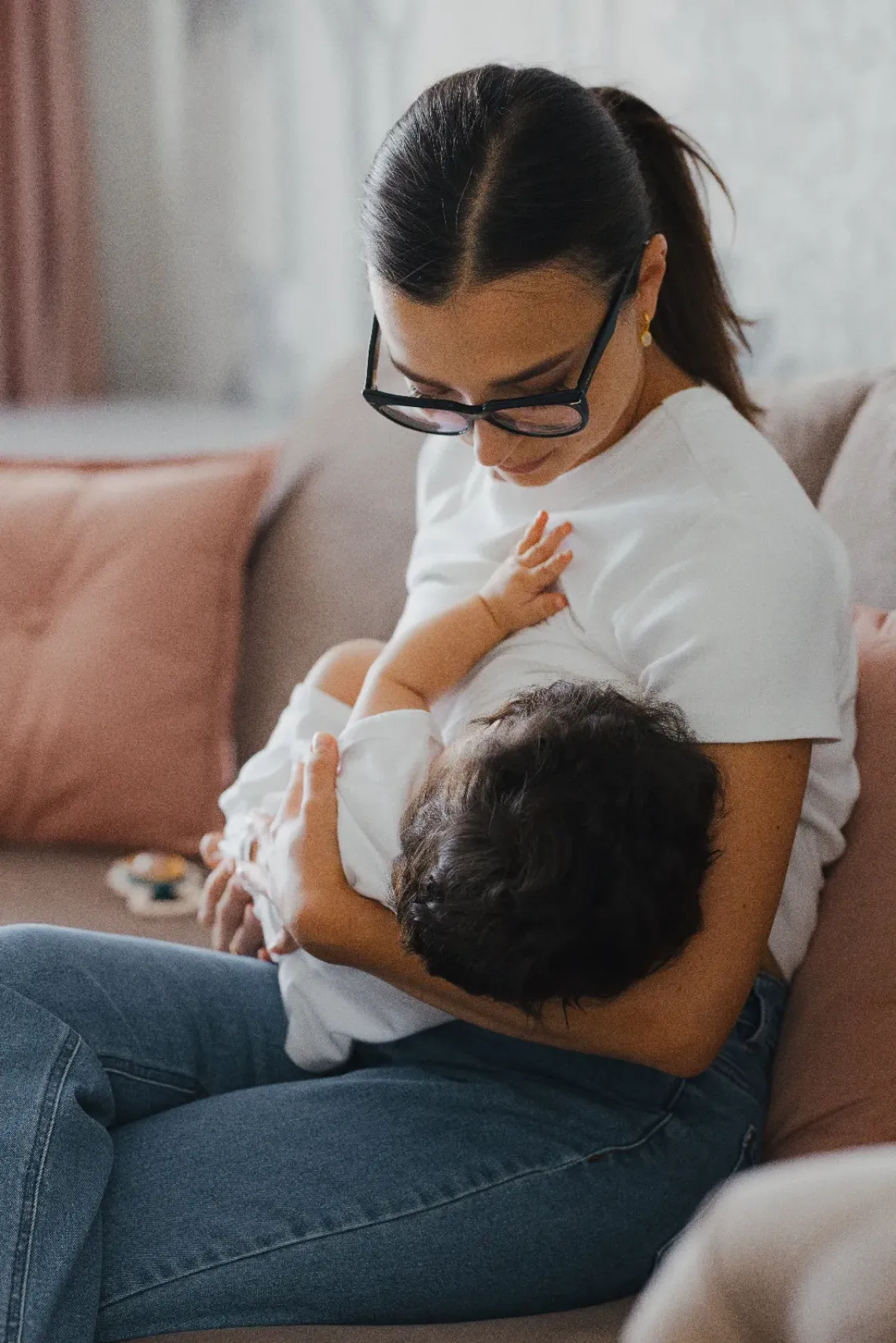
Today, Emilia is five months old, and breastfeeding has become the experience Irina had hoped for: a time of closeness and connection with her daughter.
The first few weeks, however, were a period of adjustment and learning. Irina was recovering from an emergency caesarean section, while she and Nicolai were gradually discovering the rhythm and needs of their newborn baby.
On the mornings following nights with very little sleep, they reminded themselves that they did not need to find all the answers immediately. What mattered was staying together and beginning each new day as a team.
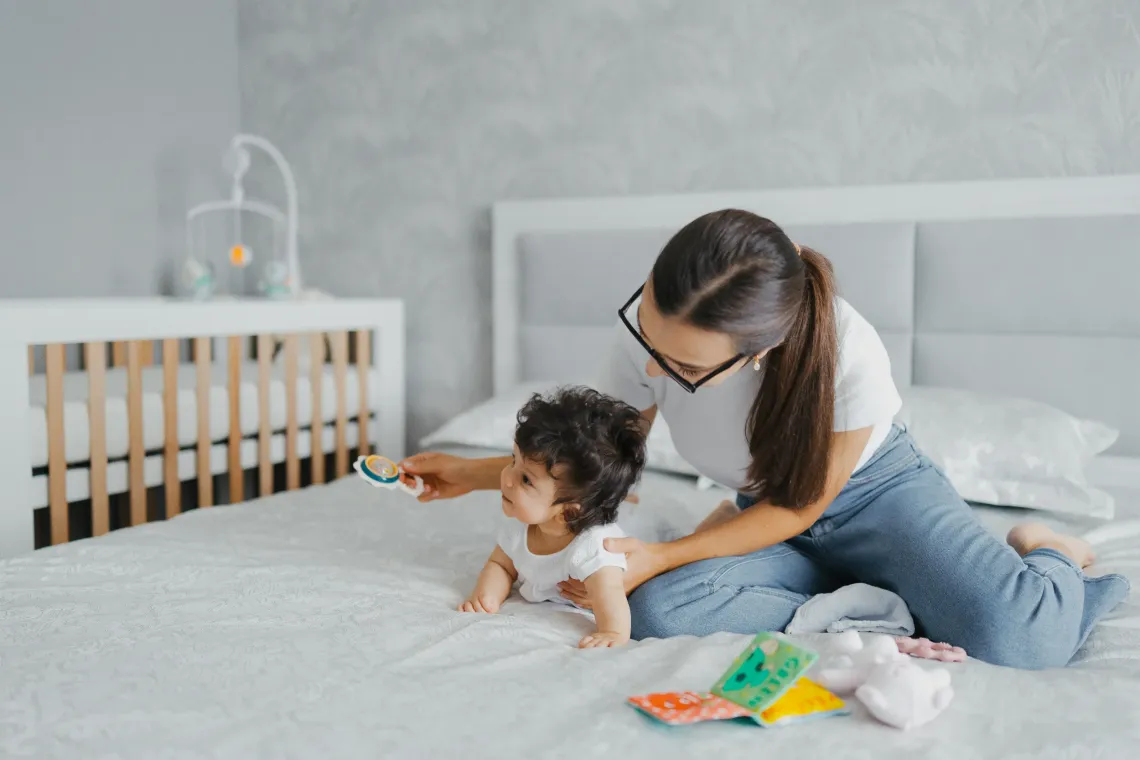
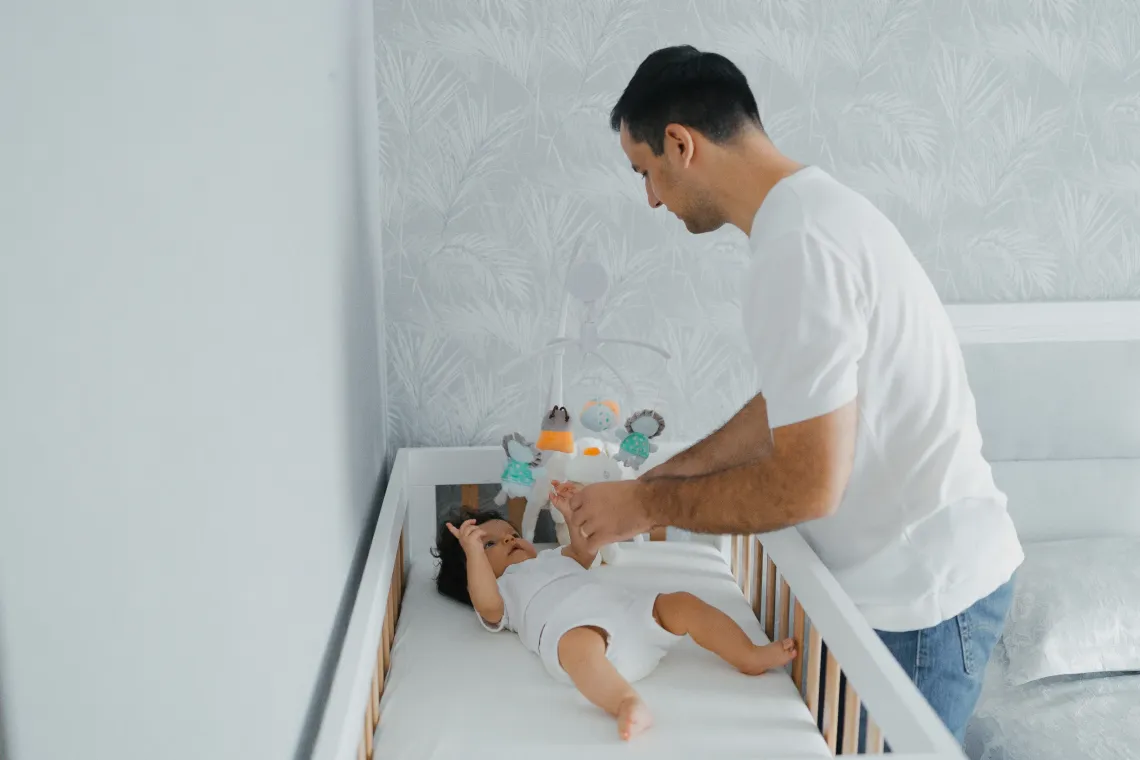
„Perhaps that was what mattered most: for her to know that she was not alone when she reached the point of complete exhaustion”, Nicolai recalls.
Their family’s experience shows that a healthy start does not depend solely on the mother’s determination and effort. The support of her partner and family, access to qualified counselling and the availability of health services that accompany mothers before and after childbirth all matter.
These forms of support, which we know are effective and need to be strengthened, are at the heart of this year’s World Breastfeeding Week theme: “Breastfeeding for a sustainable start in life: strengthening what works.”
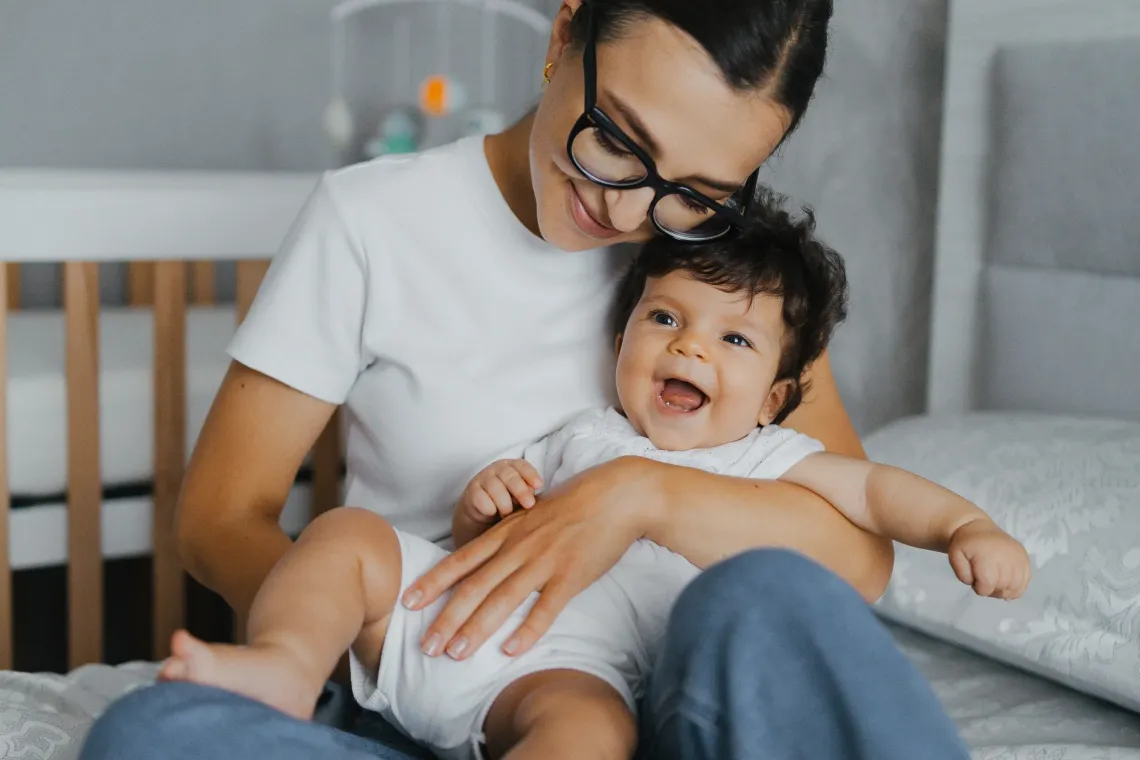
When knowledge meets reality
Before becoming a mother, Irina Loghin was very familiar with the recommendations on breastfeeding and infant nutrition. As a UNICEF Health Officer whose responsibilities also include nutrition, she had organized training sessions and activities dedicated to the subject.
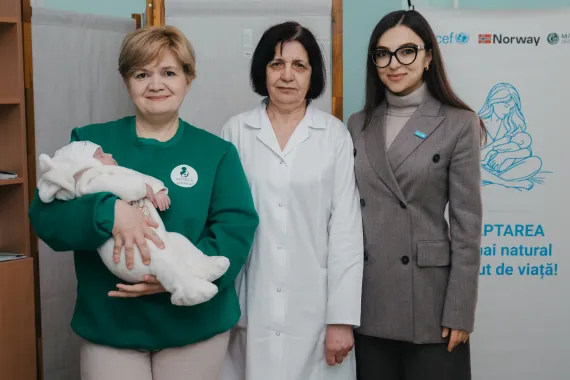




After Emilia was born, however, she discovered the difference between knowing the recommendations and applying them at a time when the body, emotions and entire rhythm of life are undergoing major changes.
„Probably the most important lesson I have learned since becoming a mother is that ‘knowing the path’ and ‘walking the path’ are two completely different things”, Irina says.
The birth did not go as the family had planned. An emergency caesarean section was required, followed by a period of recovery. At the same time, the beginning of breastfeeding involved discomfort, practical difficulties and a great deal of patience.
„After giving birth, I forgot all the guidelines, recommendations and breastfeeding positions that I thought I had mastered so well”, she says.
For Irina, the first few weeks were a learning process. She chose to continue breastfeeding because she knew about its short- and long-term benefits for a child’s health and development, as well as its role in building the emotional connection between mother and child.
Perseverance, however, did not mean overcoming every difficulty on her own. Irina sought specialized breastfeeding support, and the practical guidance, encouragement and patience she received helped her find the solutions that were right for her and Emilia.
„All the information you have works like a voice in the background that needs to be there. However, when you find yourself in a difficult situation, simply opening a guide will not solve it. The support of specialists and family becomes essential.”
It was also during this time that she discovered how different each baby’s rhythm can be. Although she knew the recommendation to breastfeed on demand, she had imagined that this would generally mean intervals of two or three hours.
„I was very surprised to discover that ‘breastfeeding on demand’ can also mean every 20 minutes”, Irina says with a smile.
Over time, things became easier. Irina and Emilia got to know each other better, found the positions and rhythm that suited them, and breastfeeding became a natural part of their lives.
„Now, breastfeeding is happening the way I had imagined it would.”
By the mother’s side, step by step
Nicolai had also prepared for Emilia’s arrival. He had attended two breastfeeding training sessions with Irina and believed he knew what to expect. The first few weeks, however, showed him that theoretical information needs to be complemented by patience, presence and continuous involvement.
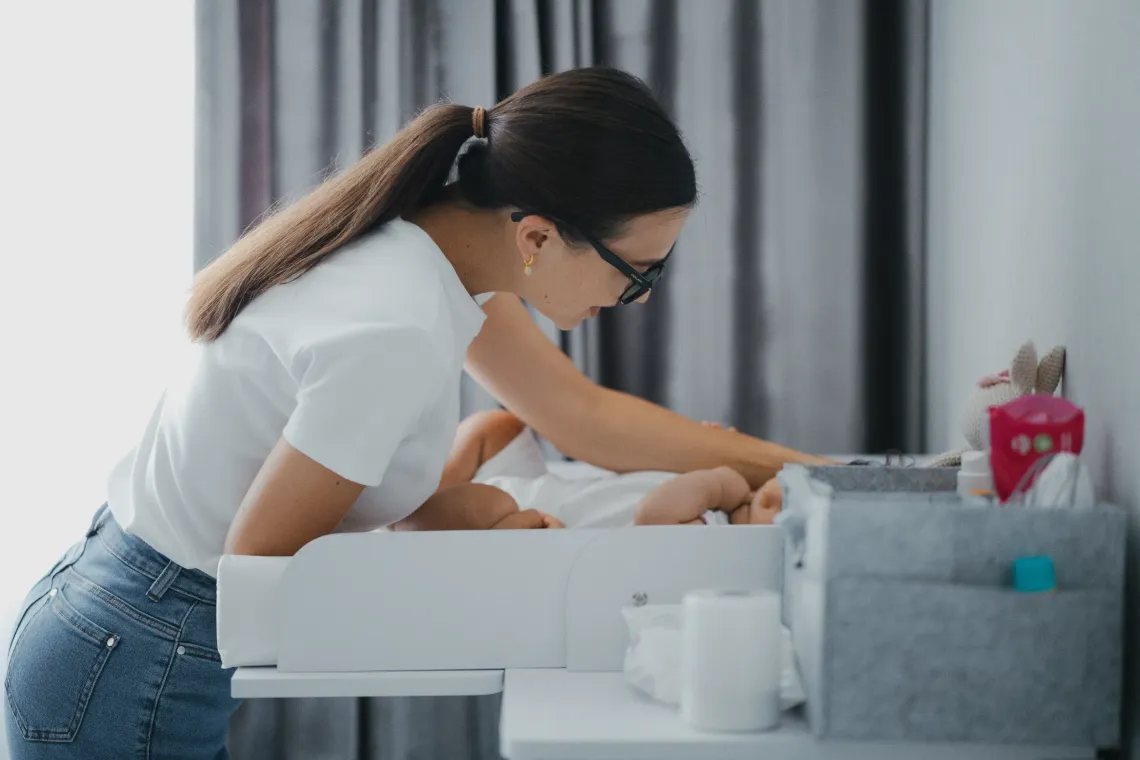
Because Irina was recovering from surgery, Nicolai took on a large share of the responsibilities related to caring for their daughter. He brought Emilia to her mother, helped Irina find a comfortable position, changed nappies, dressed the baby and helped her fall asleep.
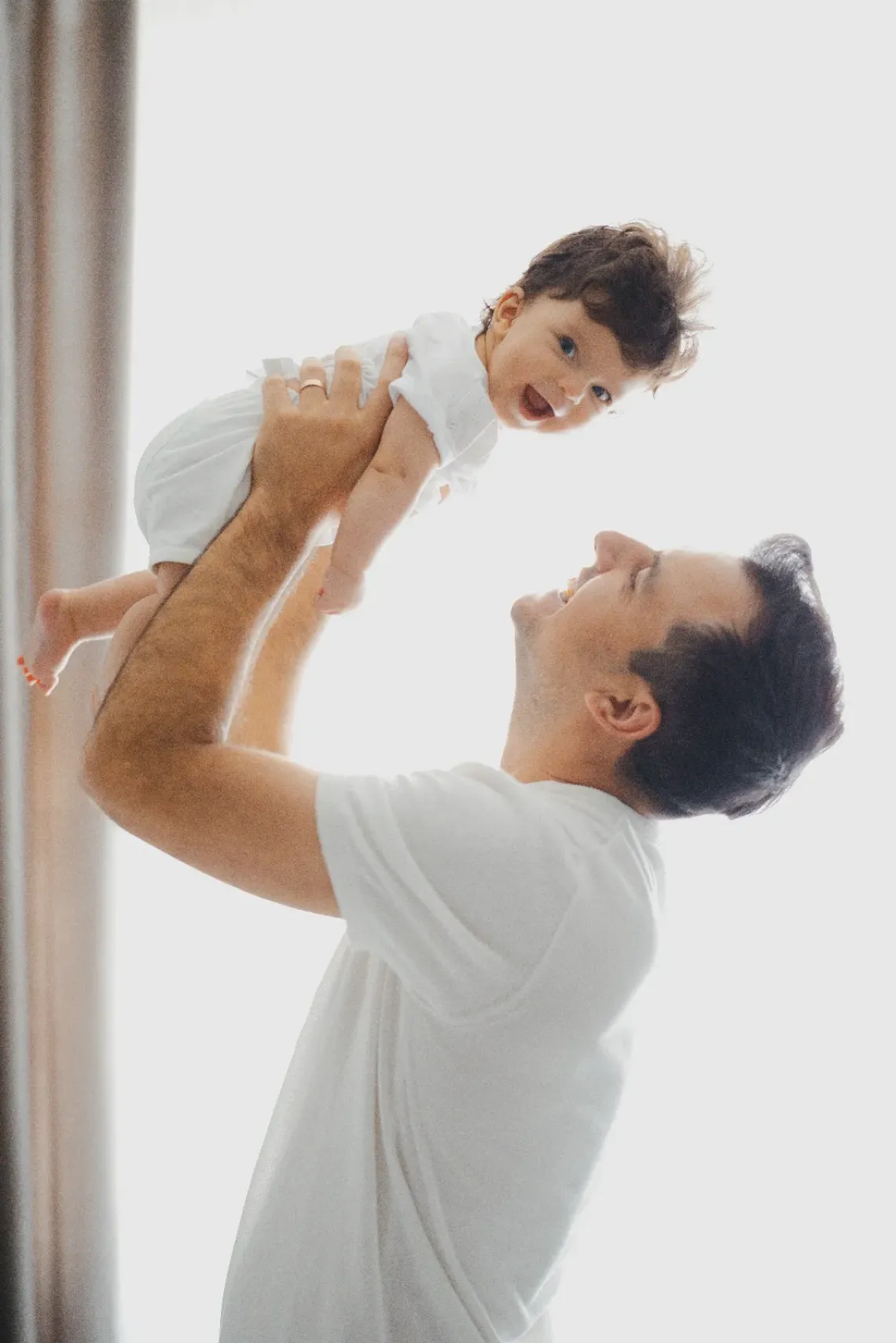
„We joked that I had prepared to be the ‘project assistant’, but I ended up becoming the ‘project manager’”, Nicolai says.
He gradually understood that a partner’s role is not limited to practical help. It also means paying attention to the mother’s well-being, encouraging her, listening and offering support without pressure or judgement.
Looking back, Nicolai believes that preparing fathers-to-be can make an important difference.
„People often say that you can never be fully prepared for this moment and that the solutions emerge along the way. I do not entirely agree.”
Fathers need to learn not only which responsibilities they can take on, but also how family life changes during the first few weeks, how to recognize the moments when the mother needs help and how they can contribute to creating an environment that supports breastfeeding.
„Mothers are not the only ones who need to be prepared for what comes next. Fathers also need programmes where they can speak openly about these experiences.”
The support that makes a difference
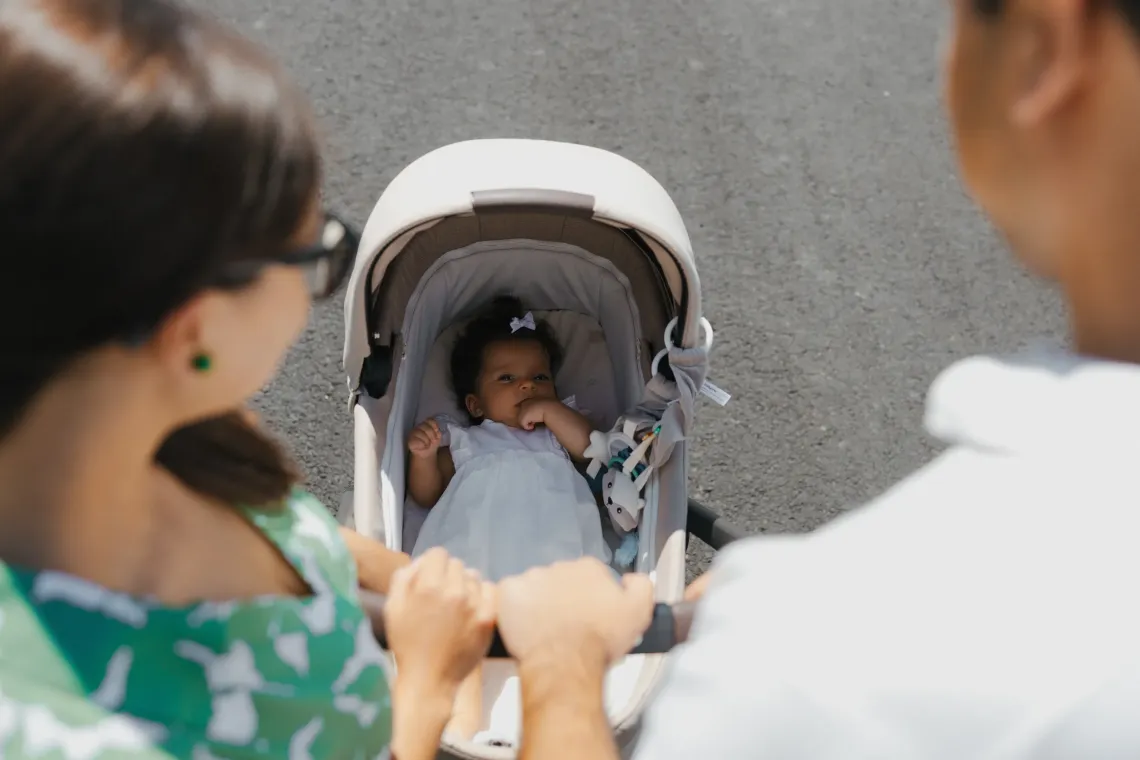
Irina and Nicolai also had the support of their parents. They helped with household tasks and caring for the baby, giving the new parents time to rest and recover.
Irina’s mother would sometimes stay with Emilia until late at night so that Irina and Nicolai could sleep for a few hours.
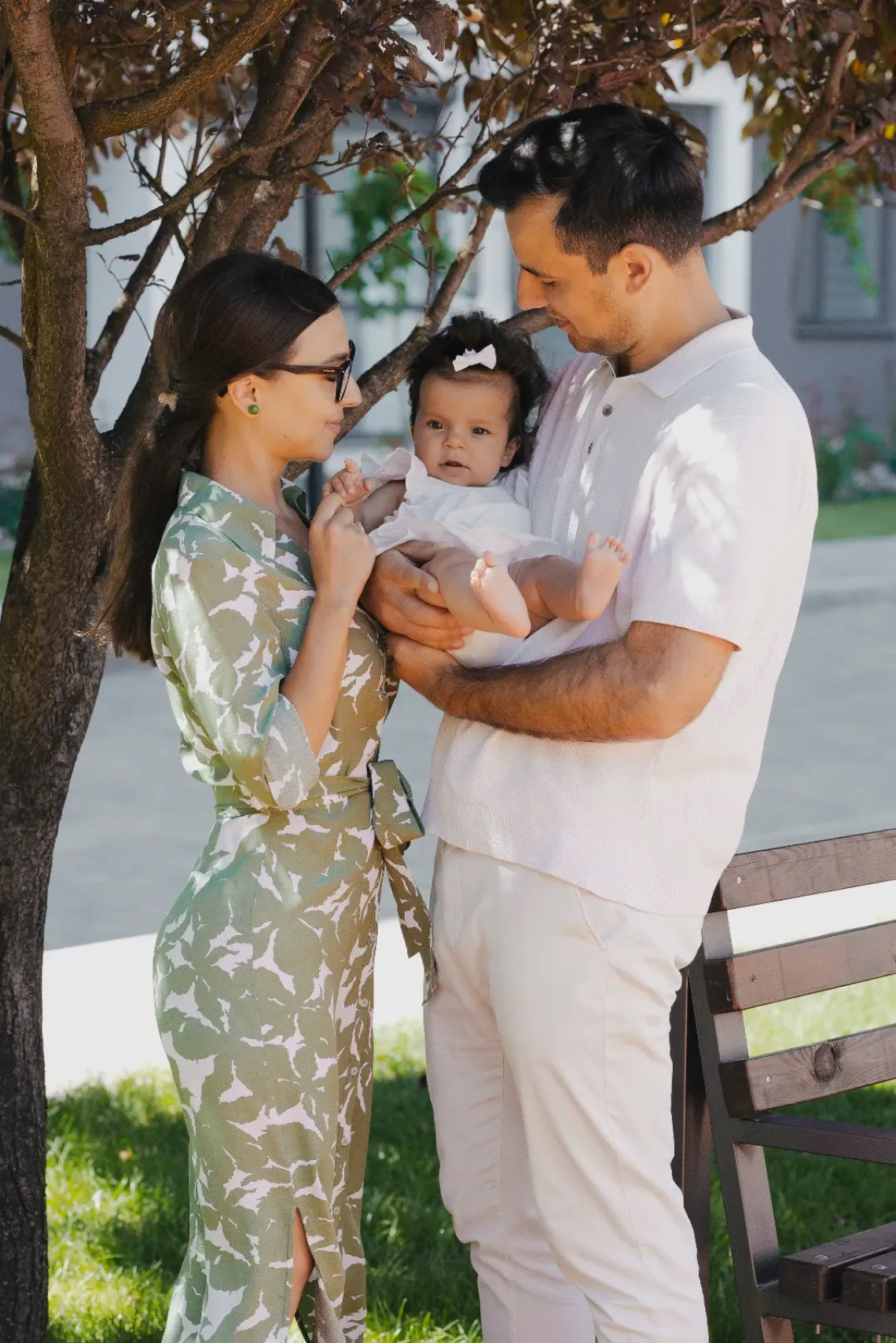
„I truly consider myself fortunate in this respect. The physical and emotional support of the family is irreplaceable at that stage”, Irina says.
From her professional perspective, Irina already understood the importance of an environment that supports breastfeeding. As a mother, she learned what this support looks like in everyday life: someone preparing a meal, taking care of household chores, bringing the baby to the breast, remembering the specialist’s recommendations or simply staying beside the mother when she needs encouragement.
For Irina, a sustainable start in life is built through these forms of support.
„For me, as a specialist, breastfeeding is an effective public health intervention, with demonstrated benefits for the child, the mother and the health system. It means giving every child the best possible chance to develop harmoniously from the very first days of life, while reducing inequalities and contributing to a healthier and more resilient society.”
As a mother, she also gives breastfeeding a deeply personal meaning.
„Breastfeeding is a responsibility and a connection with my daughter that can neither be explained nor replaced. It is much more than food.”
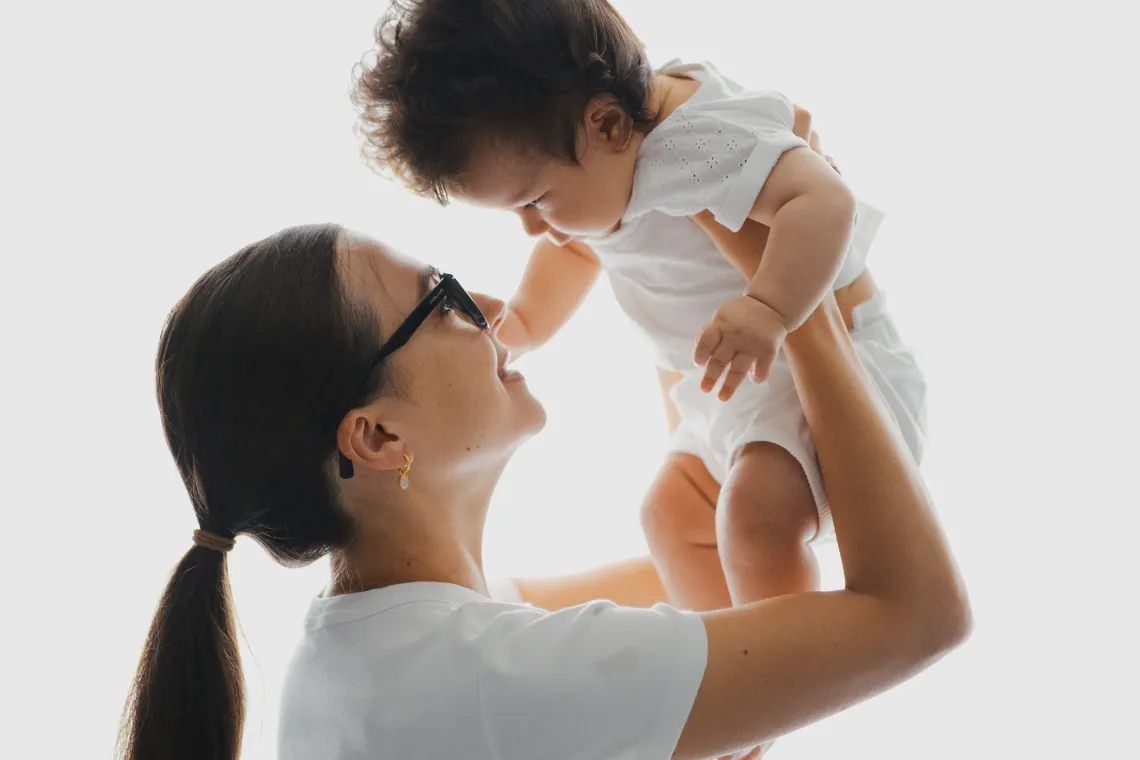
What helps mothers continue breastfeeding
In the Republic of Moldova, 94 per cent of mothers initiate breastfeeding, yet only approximately 49 per cent of children under six months of age are exclusively breastfed
The difference between these two figures does not mean that mothers do not want to breastfeed. It points to the obstacles many of them encounter along the way: a lack of support during the first few weeks, contradictory information, difficulties with the baby’s attachment to the breast, the perception that breastmilk is insufficient, social pressure and limited access to qualified assistance.
The marketing of breastmilk substitutes and misleading information shared online can also influence families’ decisions. In the Republic of Moldova, four in ten parents use the internet as a source of information in this area.
„This statistic is an indicator of how the entire ecosystem surrounding a mother functions”, Irina explains. „If we want to increase the exclusive breastfeeding rate, it is not enough simply to tell mothers that breastfeeding is important.”
Mothers need counselling before and after childbirth, well-trained professionals, continuous support in the community, the involvement of family members and policies that enable them to continue breastfeeding, including after returning to work.
The Republic of Moldova already has a foundation on which to build: the Baby-friendly Hospital Initiative, qualified health professionals, a legal framework and national recommendations aligned with UNICEF and World Health Organization standards.
The challenge is to ensure that these mechanisms function consistently and that support for mothers does not end when they are discharged from the maternity hospital.
„This year’s message is very appropriate. We do not necessarily need to look for new solutions, but rather to invest consistently in interventions that have already proved effective.”
For Irina, communication about breastfeeding should inform and support mothers rather than create pressure or guilt.
„Mothers do not need judgement. They need accurate information, qualified counselling and practical support to overcome the challenges they may encounter.”
Some women experience medical difficulties, are unable to breastfeed or need alternatives. In such situations, they should receive the guidance necessary to ensure that their child is fed safely and appropriately, without stigma.
„Every mother deserves to make informed choices and to feel supported, not judged.”
A healthier start for vulnerable children
For premature babies and vulnerable newborns, access to breastmilk can be particularly important. In the Republic of Moldova, approximately 1,800 babies are born prematurely every year.
Irina is professionally involved in developing an initiative that is very close to her heart: establishing the first Human Milk Bank in the Republic of Moldova.
When a mother’s own milk is temporarily unavailable, donated breastmilk provided through a safe and regulated system can give the newborn nutrition adapted to their needs and help protect their health during a critical period.
„A Human Milk Bank is not only about collecting and providing breastmilk. It is also about creating a culture that supports breastfeeding, recognizing the value of breastmilk and strengthening the services that support mothers during pregnancy and after childbirth.”
The initiative reflects this year’s theme: strengthening solutions that can contribute to a healthier and more equitable start for every child.
„Trust yourselves”
Motherhood has changed the way Irina views her professional work. While she previously understood the importance of supporting mothers through studies, data and experience from health programmes, she now also understands it from the perspective of a mother who needed that support herself.
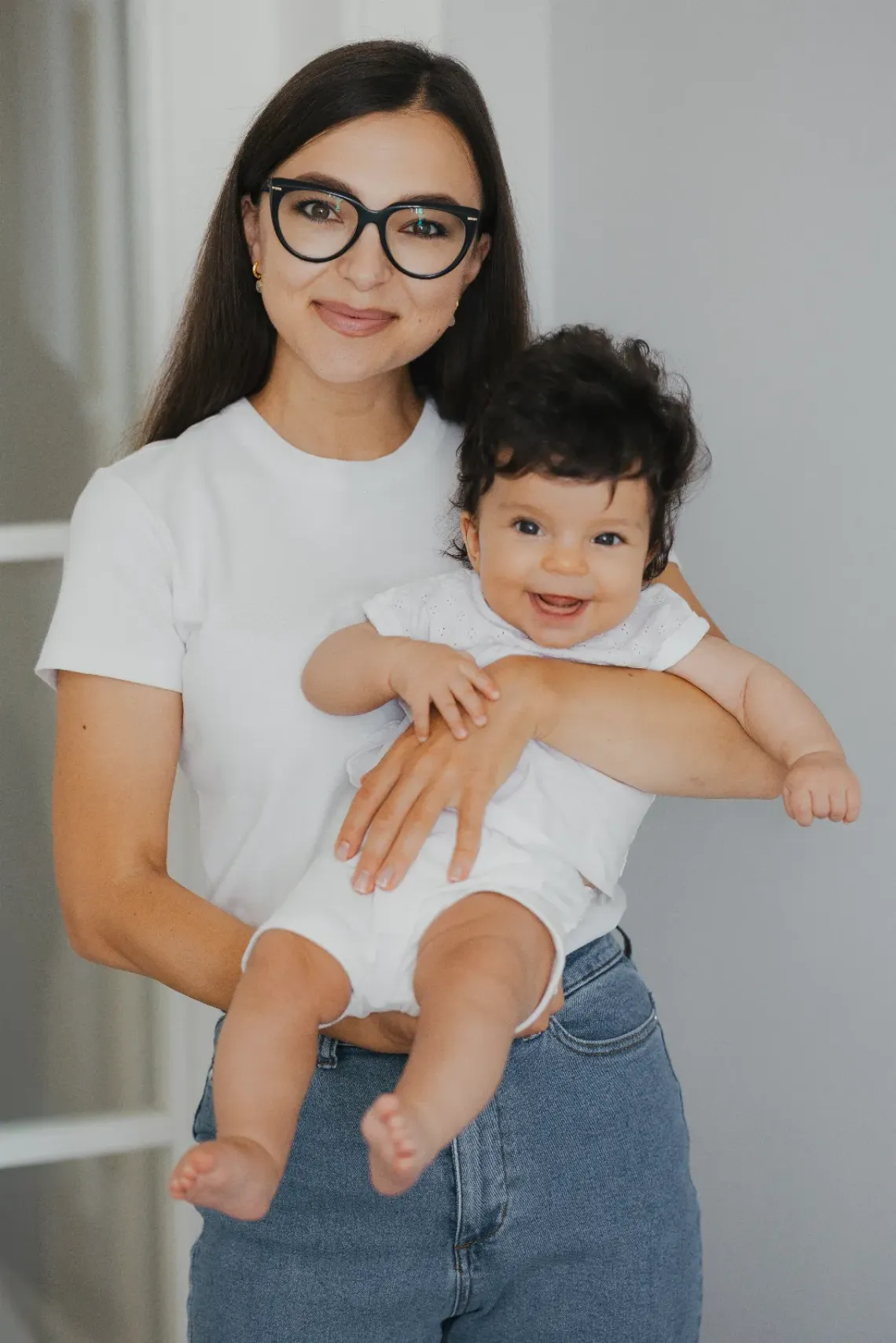
„Motherhood has helped me view my work through an even more human lens”, she says. „I have gained a deeper understanding of how much every interaction with the right professional matters, every message delivered at the right time and every person who offers support to a mother, especially her husband and family.”
Beyond recommendations, policies and statistics, there is a mother who is learning, adapting and trying to make the best possible decisions for her child. Behind a healthy start lies not only the mother’s individual effort, but an entire system of relationships, services and policies that must work together.
Irina’s message to mothers on the occasion of World Breastfeeding Week comes from her own experience: „Trust yourselves and do not hesitate to ask for support when you need it. Breastfeeding is a natural process, but it is not always a simple one. The right help, provided at the right time, can make an enormous difference.”
For Irina, Nicolai and Emilia, the difference was made by the information they had, the specialized counselling they received, the family members who stayed by their side and their decision to go through this learning process together.
Support can look different for every mother. Sometimes it begins with accessible health services and well-trained professionals. At other times, it begins at home, with a partner who takes on some of the responsibilities, a family that gives the mother time to rest or a person who simply says: „I am here. You do not have to go through this stage alone.”