Peace begins in a place called home
In Chișinău, two refugee sisters from Ukraine and their children are rebuilding, step by step, a sense of safety and belonging

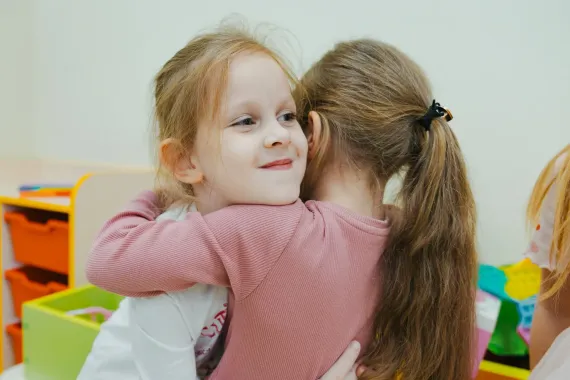
It is Thursday morning, and the Dyvosvit Centre in Chișinău is bustling with activity. Children are talking, flipping through their notebooks, playing and getting ready for their lessons. Eugenia and Marina, the two teachers at Dyvosvit, welcome them and help them gradually settle into the rhythm of a new day.
Among them is Elizaveta, or Liza, as those close to her call her.
Today, Liza is reading on her own during class, and Eugenia, Elizaveta’s teacher and the Centre’s administrator, remembers what the little girl was like when she first came to Dyvosvit.
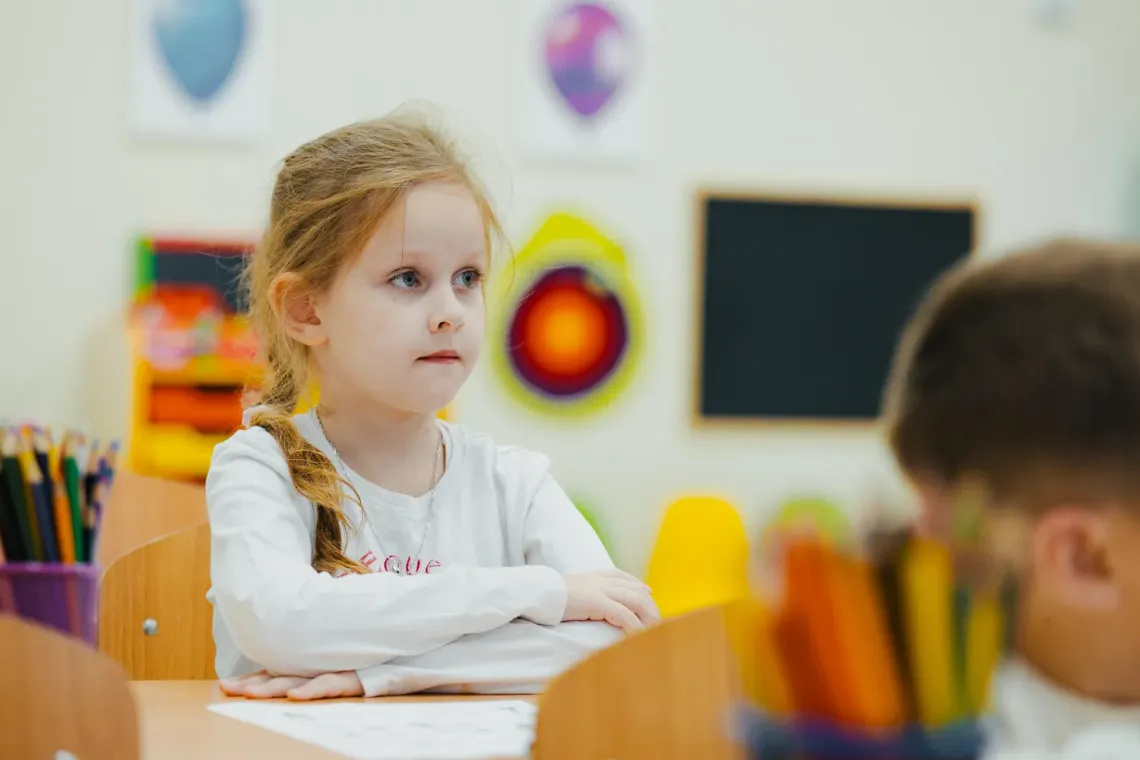
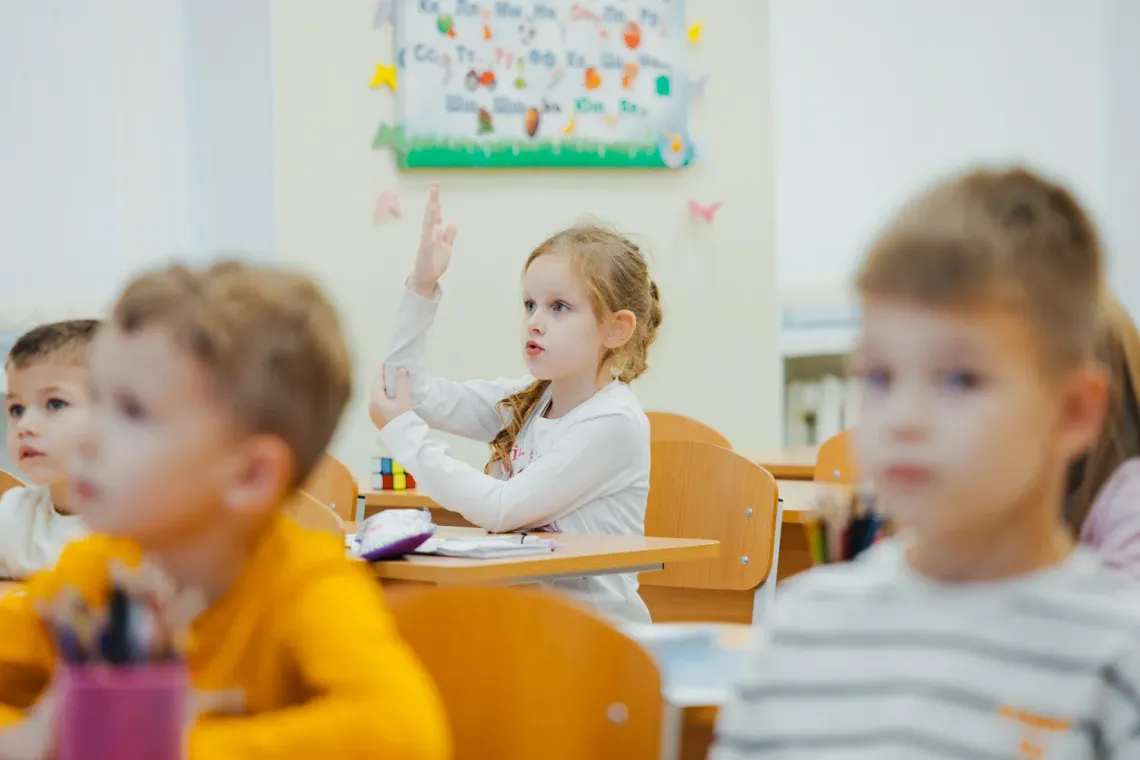
„Today she read to me. I looked at her and thought, ‘Oh my goodness, Liza, finally!’”, Eugenia recalls.
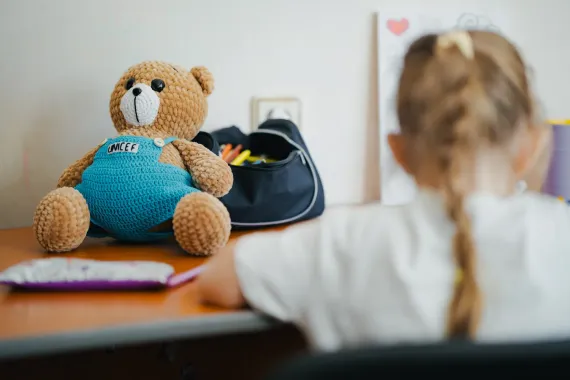
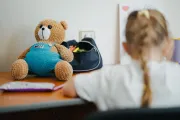
When Elizaveta first came to Dyvosvit, she was five years old. She was shy, found it difficult to stay focused during activities and struggled to approach the other children. She often preferred to draw or play by herself, and she would come to class accompanied by many toys.
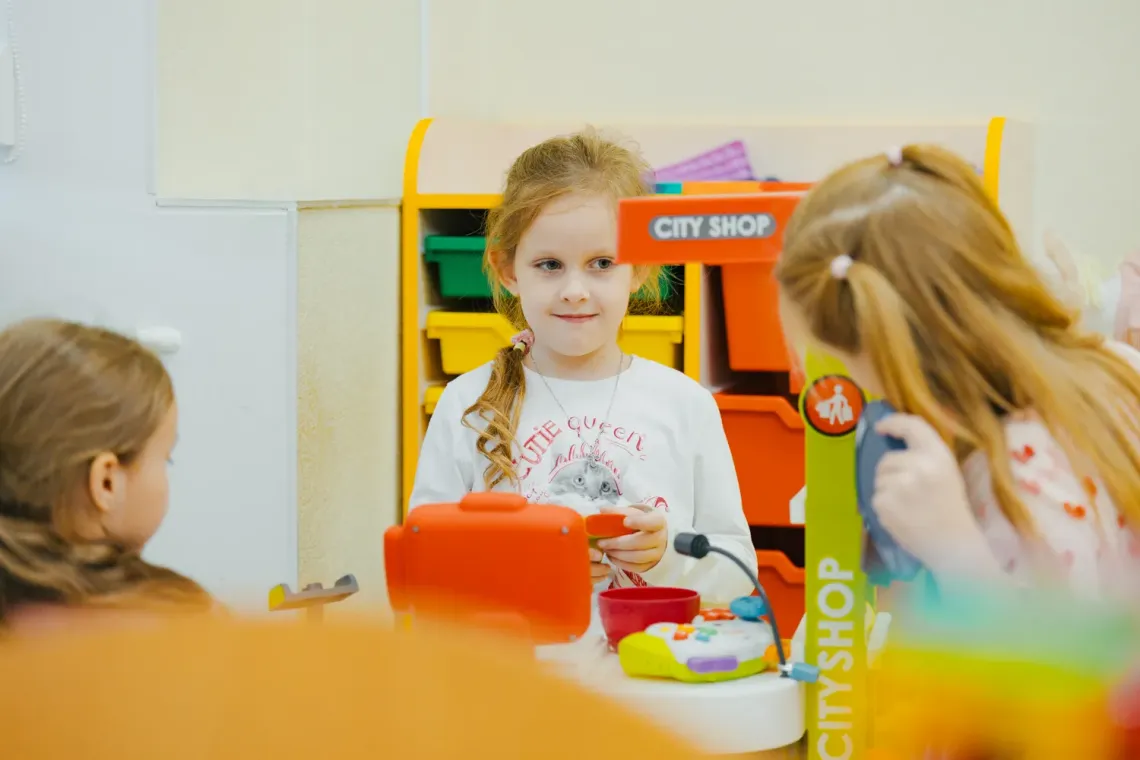
„She would sit down at her desk and place her toys around her. It was a kind of protection; having a toy next to her made things easier. It was her armour”, Eugenia remembers.
Today, Liza no longer needs toys beside her during lessons. She plays, talks with the other children, learns and is preparing to start first grade in the autumn of next year.
For her mother, Nadejda, these changes mean more than simply getting ready for school. They are signs that her daughter is feeling increasingly secure in the world the family is trying to rebuild far from Odesa.
A place where children know they are expected
The Dyvosvit Centre, hosted by the Taras Shevchenko Gymnasium in Chișinău, is an educational and integration space for preschool-aged refugee children from Ukraine, where they gradually prepare for school and for integration into the education system of the Republic of Moldova.
Since 2025, UNICEF has supported the strengthening of Dyvosvit’s activities through the partnership with the National Congress of Ukrainians of Moldova, „Every child is protected in Moldova”, including with the financial support from the Government of the United Kingdom.
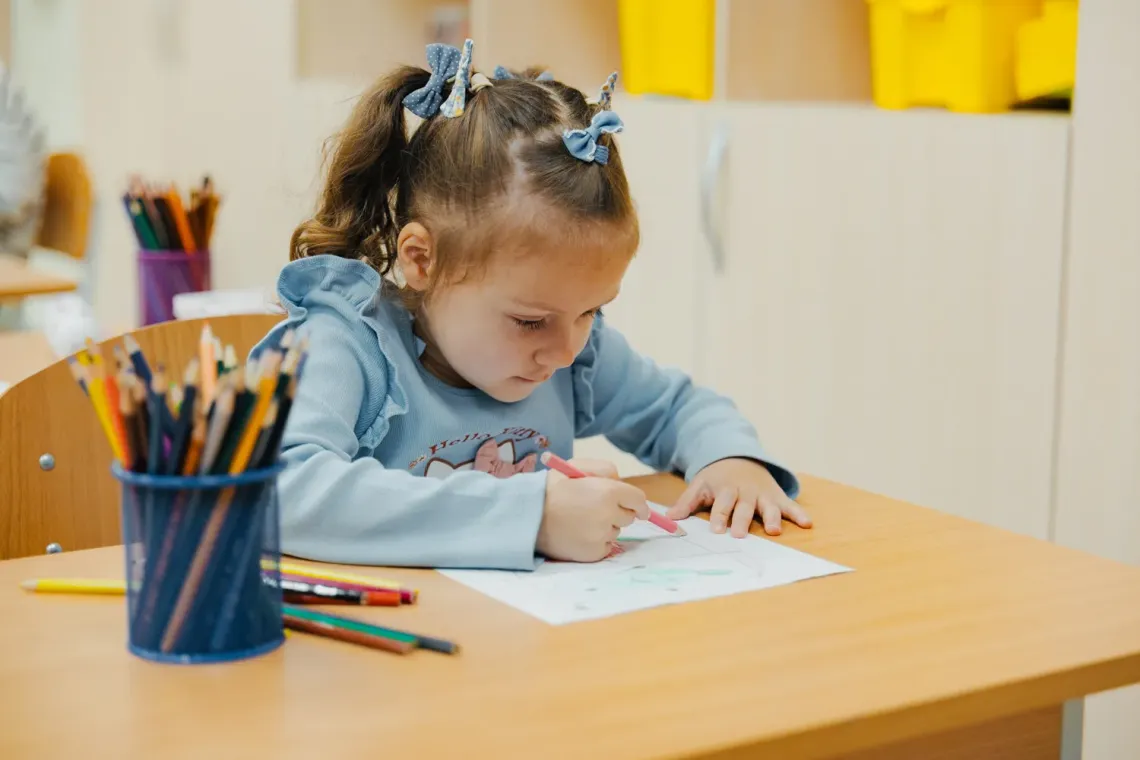
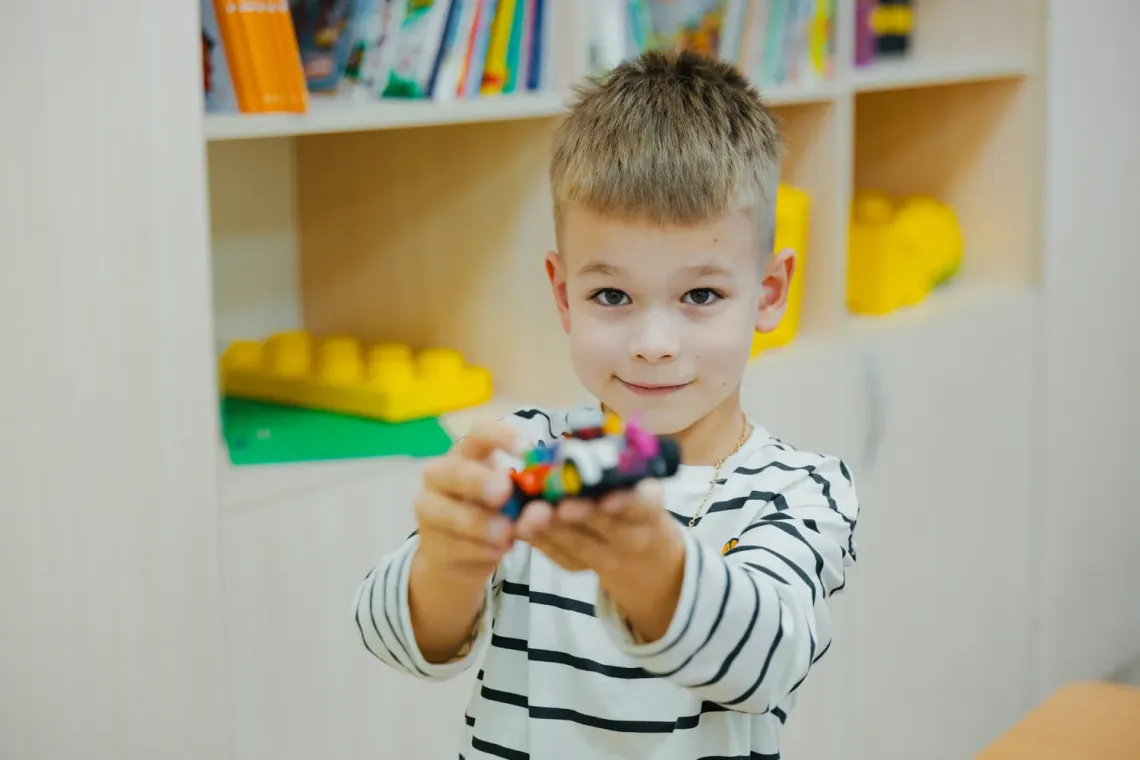
„Over the past two years, Dyvosvit has shown that a stable and supportive educational environment can make a tangible difference in a child’s integration journey. Since its opening, the Centre has reached 162 children, helping them strengthen their Romanian language skills, prepare for school and gain the confidence needed to transition into the Moldovan education system. For NCUM, Dyvosvit is an example of why continuity matters: meaningful integration does not happen through a single activity, but through consistent support that gives children the time, skills and sense of security they need to move forward”, says Irina Basiul, Partner Relations Officer at the National Congress of Ukrainians of Moldova.
For children who have had to leave behind their home, school and familiar surroundings, routine can take on a special meaning.
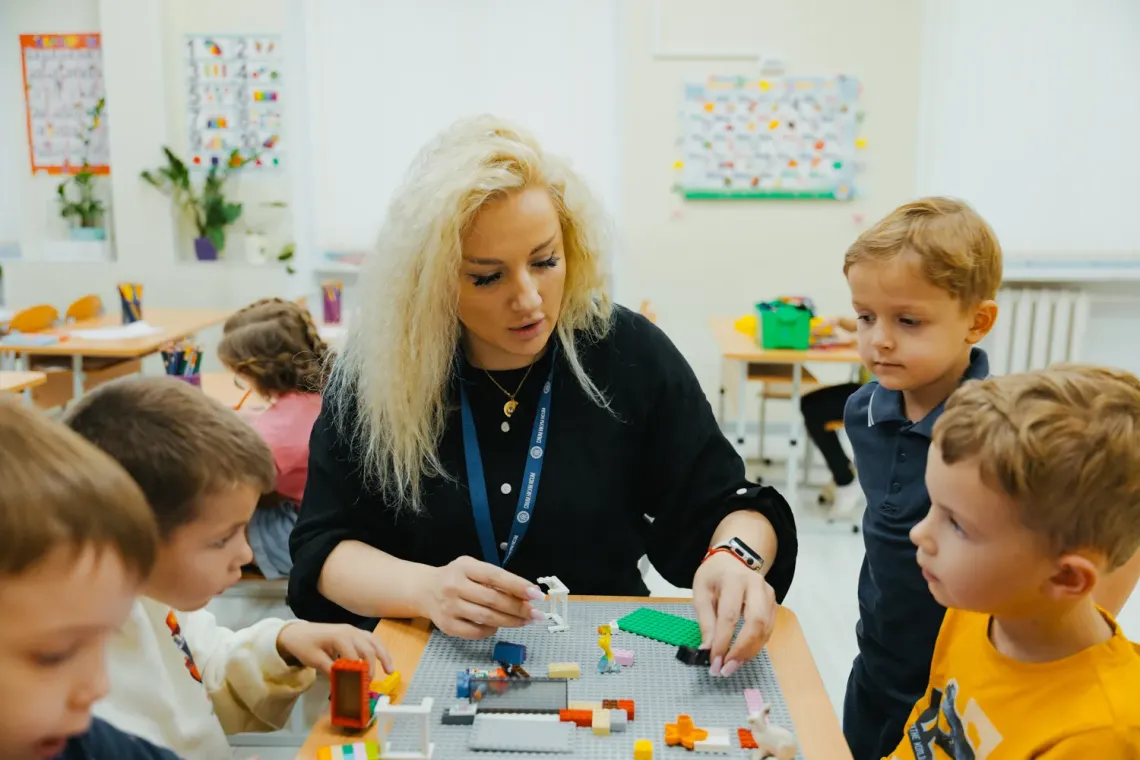
„Everyday routine - going to school, having a schedule, following the rhythm of the day, is also a kind of protection. The child knows: in the morning, I wake up and go to school. They know what their day will look like”, Eugenia explains. „It is important to have a place where you are welcomed, where you are heard, where people are happy to see you.”
„Home means protection. Home means safety”
Before the war, Nadejda worked as a veterinarian in Odesa. Her job took up much of her time, and the birth of Elizaveta, after several years of hoping for a child, changed the rhythm of family life.
When the war began, Liza was not yet two years old, and Nadejda remembers the morning of 24 February 2022, when she was awakened by loud noises. At first, she did not even understand what was happening.
In the days that followed, the explosions continued, and Elizaveta became increasingly frightened. That was when Nadejda decided she had to take her somewhere safer.
Nadejda and her younger sister, Natalia, the mother of three girls - Ecaterina, Olga and Svetlana, left Ukraine on the same day, together with their children.
„I did not want to leave without her, and she did not want to leave without me. So we left on the same day”, Natalia says.

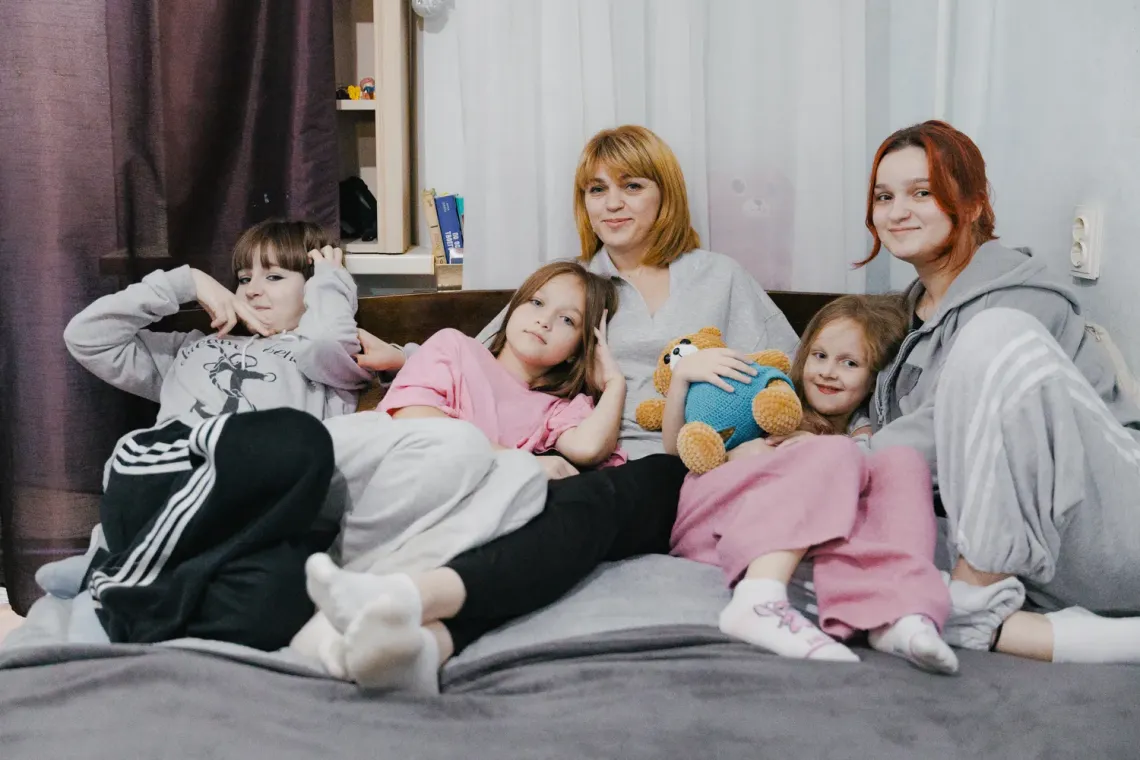
In Moldova, several moves followed, along with temporary accommodation, periods spent in refugee accommodation centres, the search for work and the effort to build, little by little, a new routine.
Nadejda still remembers the day she brought Elizaveta to see the apartment where they now live.
„When we came here, Liza sat down inside the wardrobe and said, ‘Oh, this is our apartment’. That was when I realised she had found her sense of calm again.”
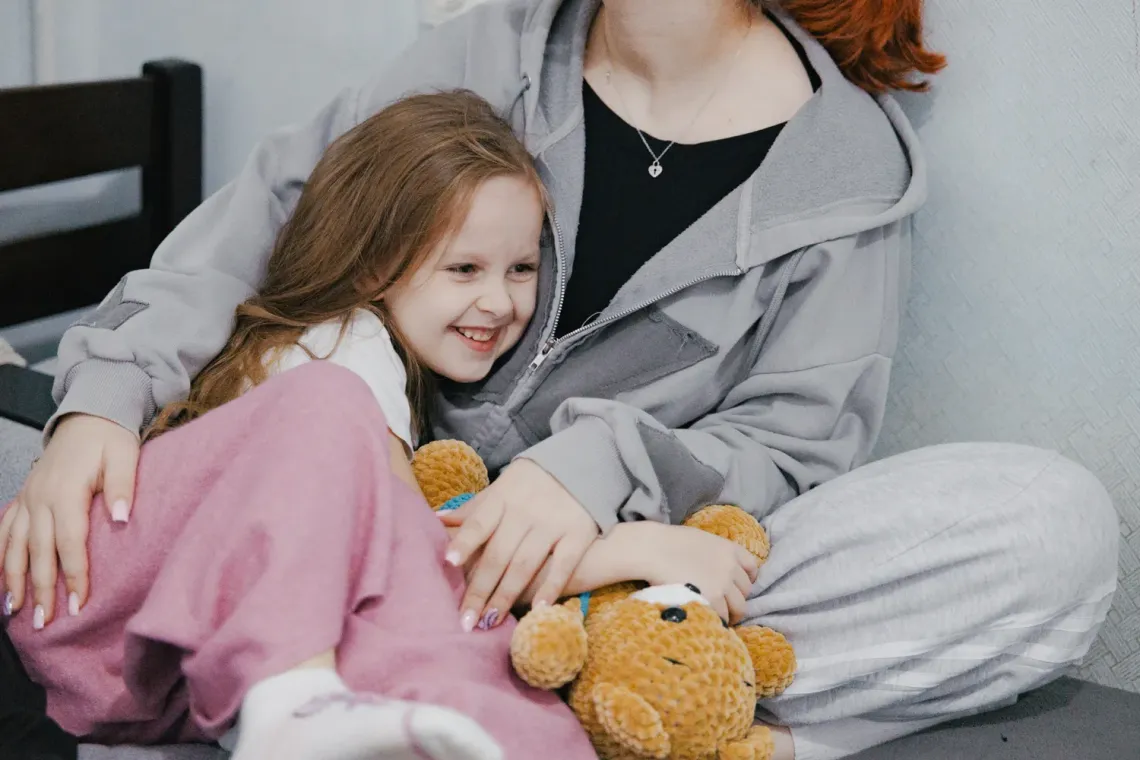
For Nadejda, the word „home” now carries a different weight.
„Home means protection. It means safety. It is your place”, she says. „For me, the most important thing is that Liza feels at ease too”

Two sisters who stayed by each other’s side
Before the war, Natalia says her family had a simple, ordinary life: work, school, children and everyday concerns. „We were together, raising the children. I worked, he worked, and the girls went to school.”
Her husband remained in Ukraine when Natalia and the girls left. Later, he was mobilised and subsequently reported missing. Months of waiting followed, during which the family continued to hope they would receive news about him. After eight months, the family received confirmation that he had lost his life in the war.
„Sometimes, honestly, I still cannot believe he is gone”, Natalia says.
When she talks about how she would like her daughters to remember their father, her answer is simple: „Kind, positive and gentle.”
In the months that followed, Natalia tried to be a source of support for her daughters. But sometimes, their roles were reversed.
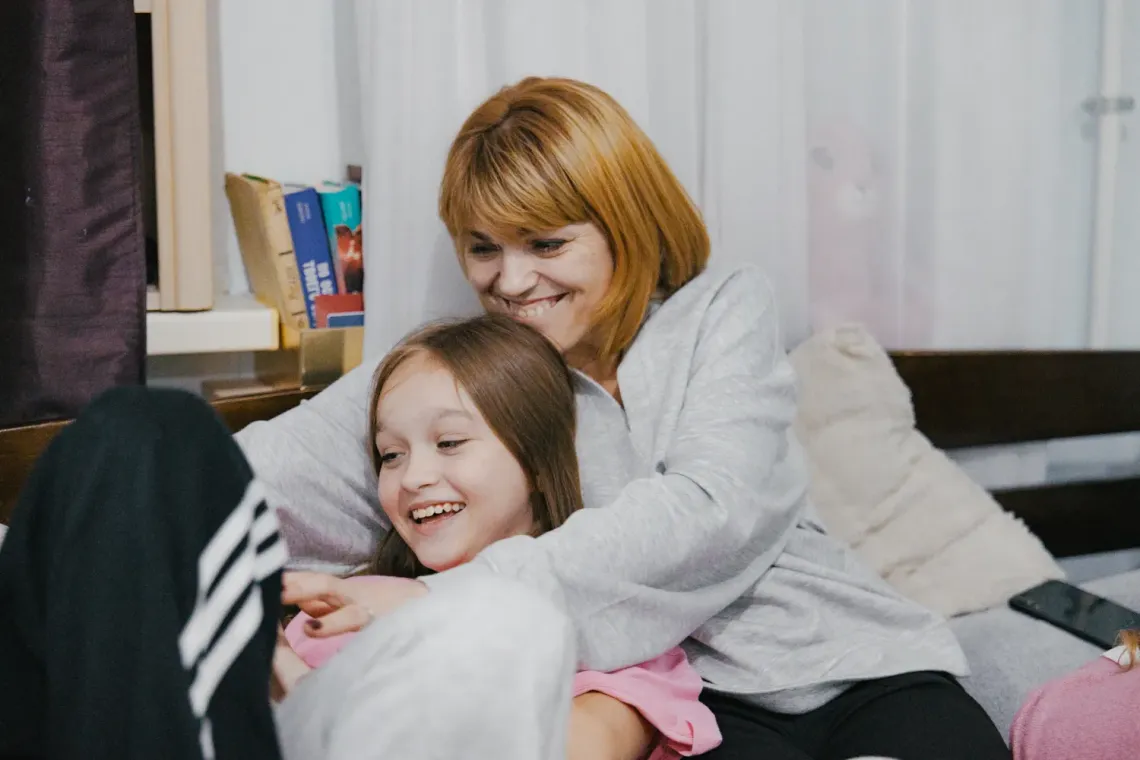
„I thought I had to take care of them so they would not suffer. But it turned out that they were the ones worrying more about me.”
Ecaterina, the eldest daughter, had already been used to sometimes looking after her younger sisters back in Ukraine. After they left, however, she began helping her mother even more.
„When we came here, things were very difficult for my mother, and I realised I had to help her as much as I could”, Ecaterina says. „At my age, I could not work and help her financially, so I helped in whatever ways I could.”
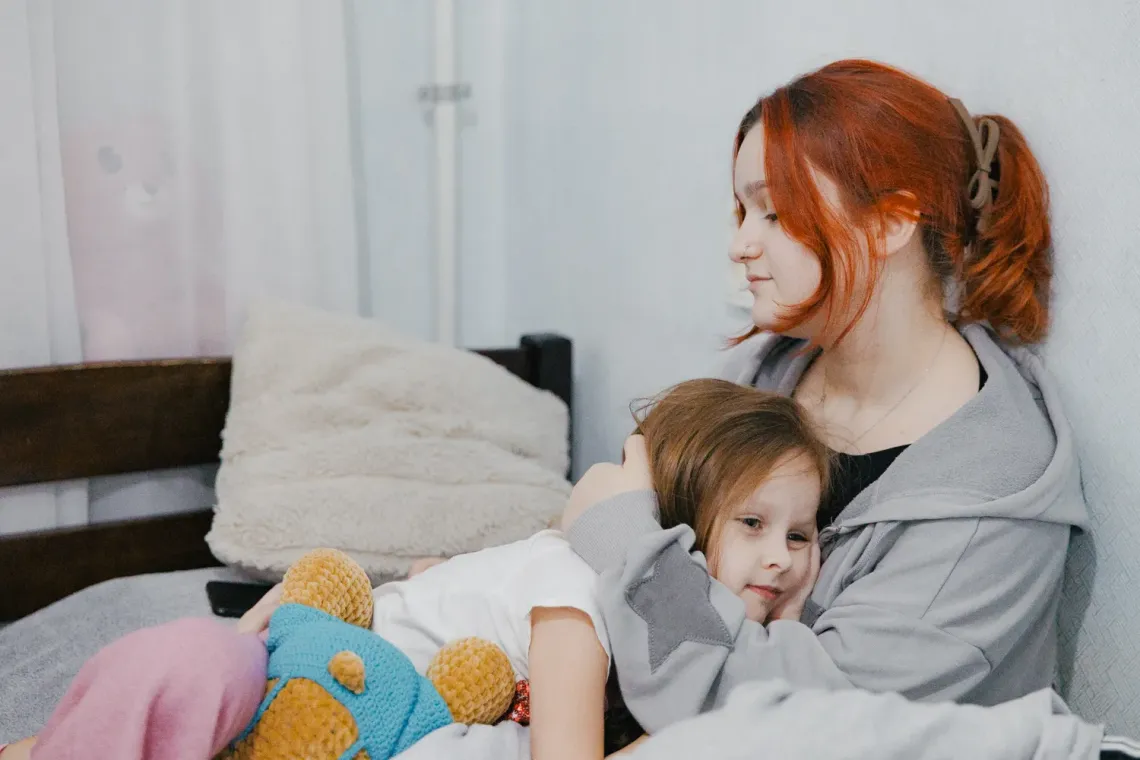
Natalia remembers the days when she would come home tired and worried, and the girls would try to encourage her. „They would tell me, ‘Mum, it’s okay. Don’t worry. Everything will be fine’. I got through that period because of them and for them.”
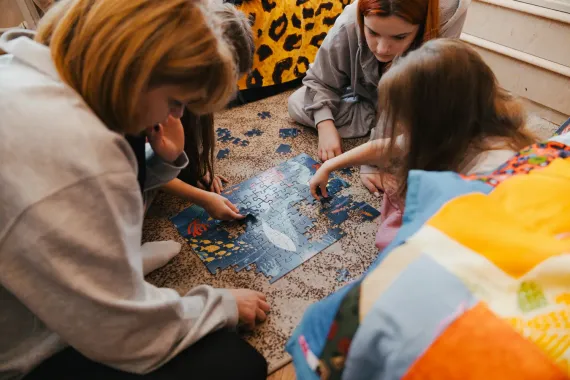
And Nadejda remained by Natalia’s side. The two sisters help each other with the children, talk whenever one of them needs support and, from time to time, find a few moments just for themselves.
„Sometimes we get a coffee and sit quietly together and talk”, Natalia says. „Sometimes she supports me, and other times I support her.”
„The most important thing is to find someone who feels like your person”
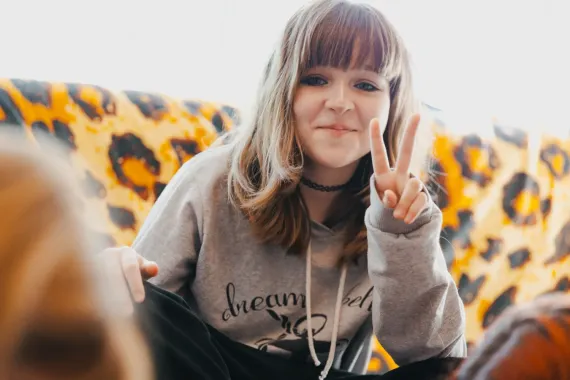
Ecaterina is 15 years old. She loves photography and dreams of taking courses in the field, saving money and one day buying her own camera.
Starting life in a new country, however, was not easy. „It is very difficult in a new school. First because of the language, and then because everyone is new. You are afraid to say one word too many in case you are misunderstood. You are afraid of how the new class will receive you.”
Ecaterina says that, at a time like this, sometimes just one person is enough to help you stop feeling alone.
„The most important thing is to find at least one person who feels like your person in that group. Then it is not so difficult anymore.”
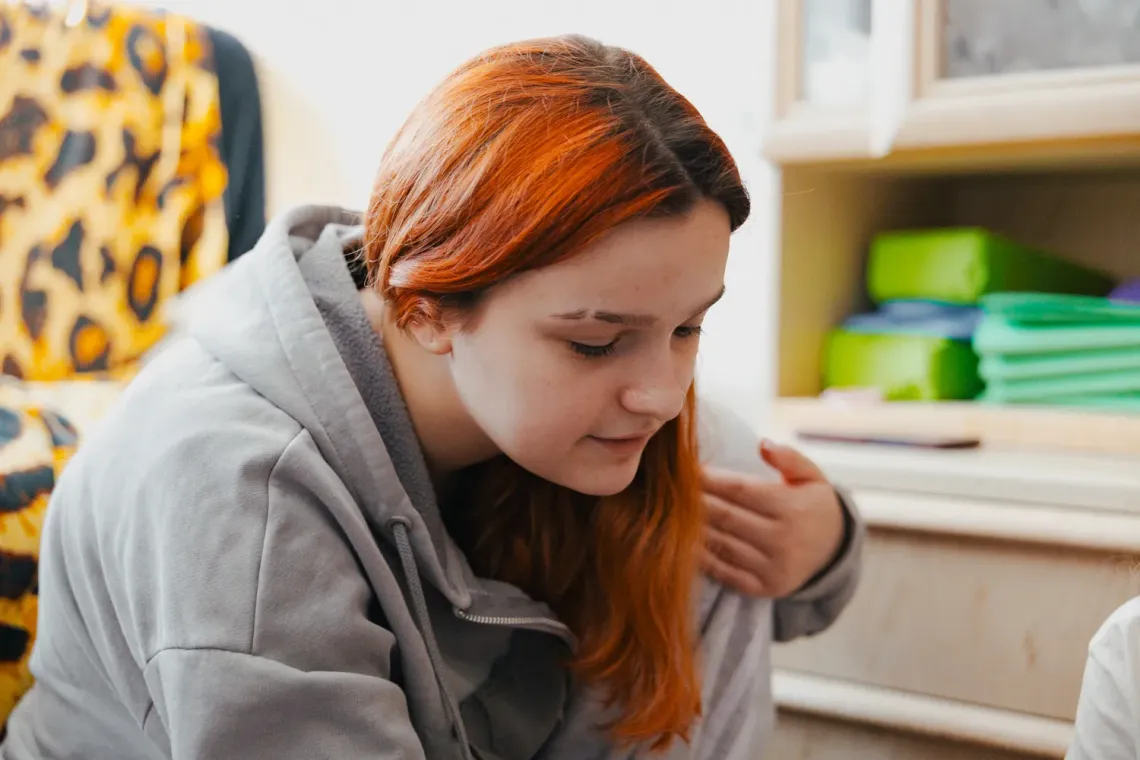
Ukraine remains the place of her memories and somewhere she hopes she will be able to return to. But after the years spent in Moldova, Chișinău has, in the meantime, also become „home”. During a visit to Ukraine, Ecaterina remembers telling her mother: „I want to go home so much. I want to go back to Chișinău so much.”
Peace is built every day
Every year, on 21 September, UNICEF marks the International Day of Peace. In 2026, it is observed under the theme: „Investing in Peace - For Everyone, Everywhere, Every Day”.
For children, that investment can begin with simple things: a classroom where they know they are expected, an adult who listens to them and a routine they can rely on.
„Investing in peace means investing, day by day, in children’s safety and sense of belonging. When a child has access to education, is listened to, can make friends and gradually gains confidence in a new environment, we give them a foundation for the future. Dyvosvit shows how much continuity matters and how important it is to have a space where every child knows they are welcome and that they belong”, says Cristina Stratulat, Social and Behaviour Change Officer at UNICEF.
For Ecaterina, peace also has a deeply personal meaning. „For me, peace is when people try to help one another”, she says.
For the teenager, supporting one another also means not having to appear strong all the time. „You can say, ‘I’m fine, I’m strong, I can handle everything’, even when that is not how you feel inside. It is important to be able to trust someone and allow them to help you.”
And when Nadejda thinks about her daughter’s future, her wishes are simple: „I would like to give her a good education, for her to feel that she has solid ground beneath her feet and that she is safe.”

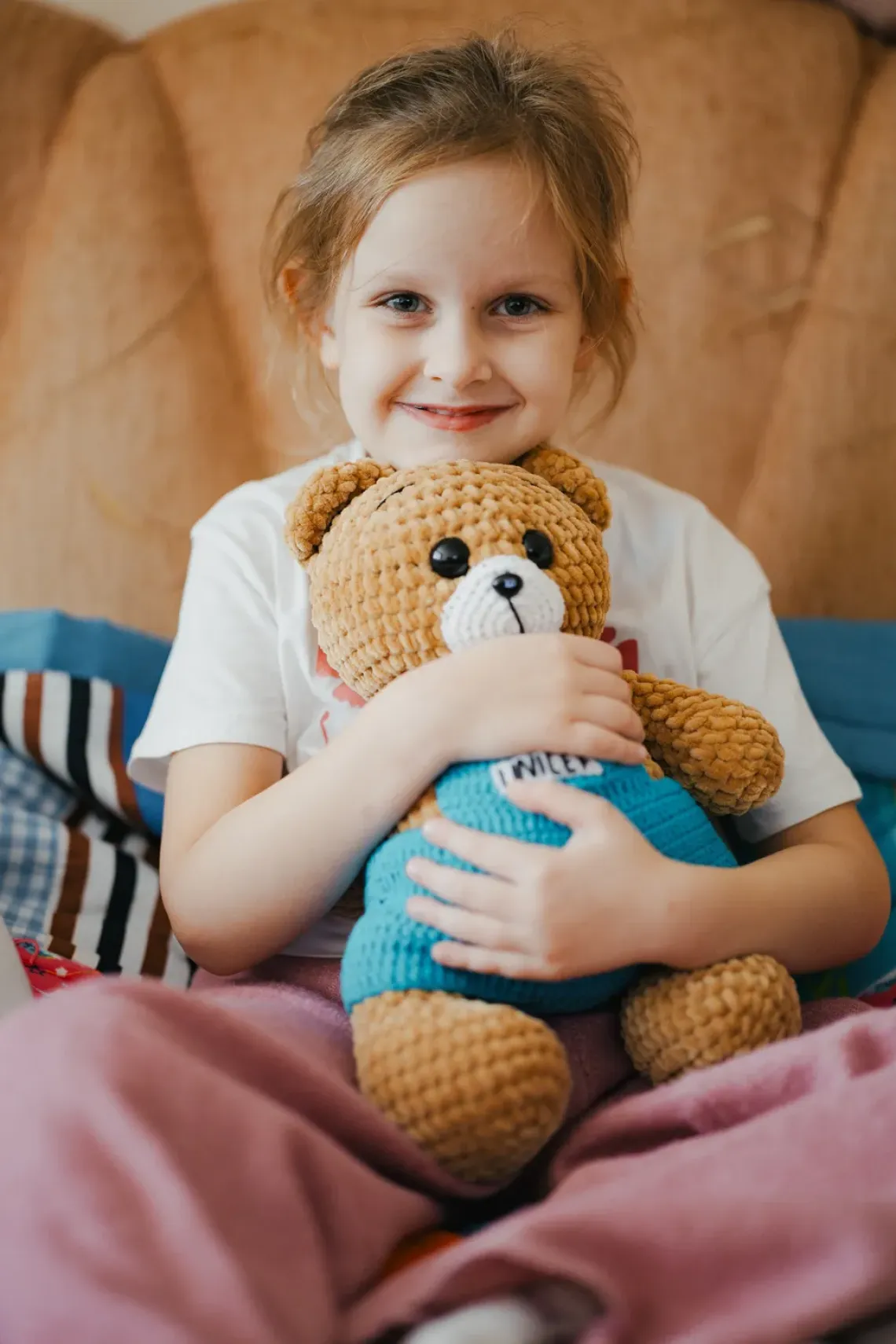
For herself, she dreams of someday having „a home of my own, so that I can feel that I am home”. And when she thinks about what she would like the girls to carry with them from this period in the years to come, Nadejda says: „I would like them to remember that we were together. I want them to stay together too, to love and respect one another. I would like this warmth between them to remain forever. And for them to support one another.”
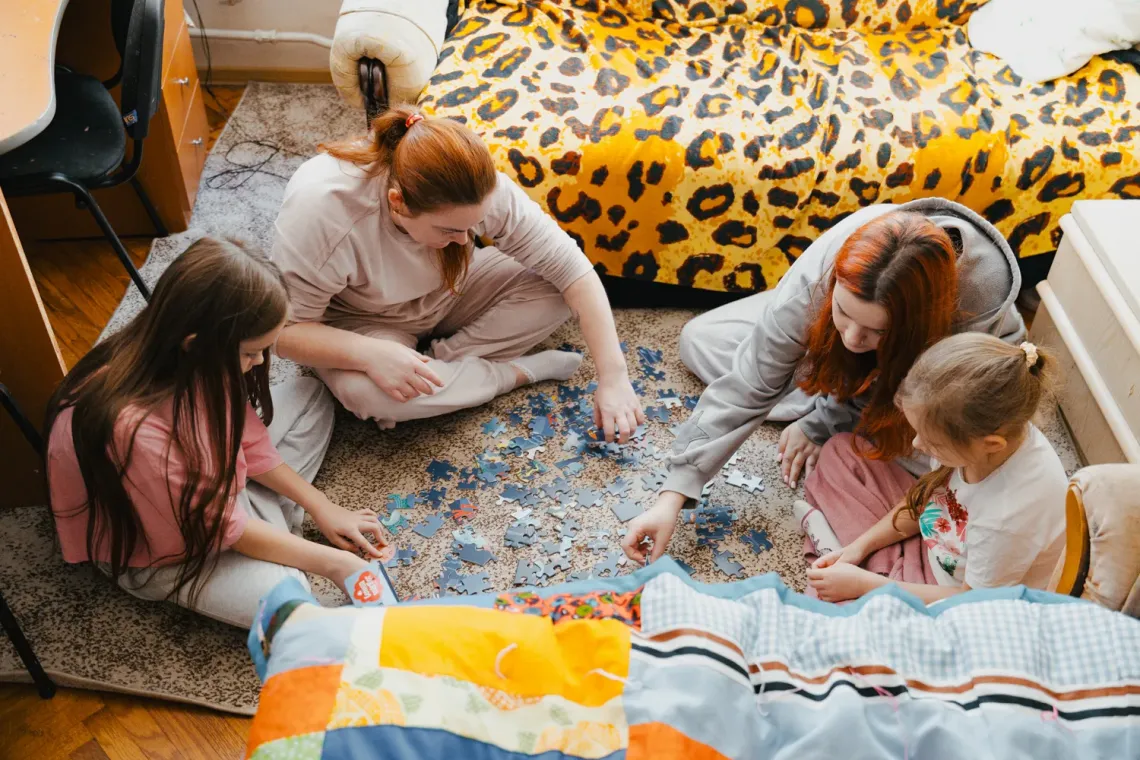
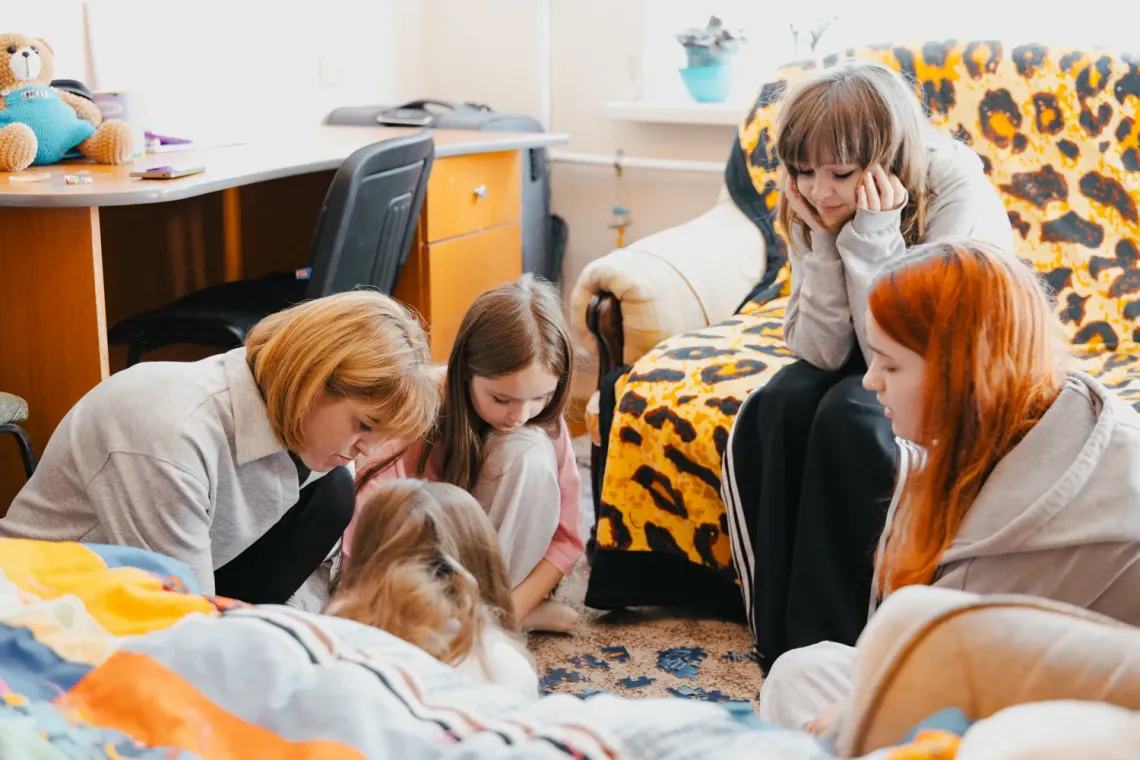
Meanwhile, at Dyvosvit, the day is drawing to a close. The children gather their notebooks, straighten their desks and get ready to leave. Liza is among them. A year ago, she needed toys arranged around her in order to feel safe. Today, she leaves the classroom alongside the other children, ready to return the next day to a place where, little by little, she has begun to feel at ease.
For Nadejda and Natalia’s family, perhaps peace is built precisely from things like these: from people who stay close, from children who know they will be welcomed again, and from the feeling that, slowly, a place can become „home”.