Together for every step a child takes
With support from the Government of the United States of America, specialists at the Early Intervention Centre in Anenii Noi work alongside parents to ensure that every child can receive support tailored to their needs as early as possible

Sometimes, progress begins with a single word. At the Early Intervention Centre in Anenii Noi, a word like this can mark an important change for a child and their family.
„We have a little boy who, at the age of two years and eight months, was not speaking at all. After several sessions, he began to say ‘give me’ and ask for the things he needed instead of simply pointing at them”, says Doina Grecu, Head of the Centre and a social worker.
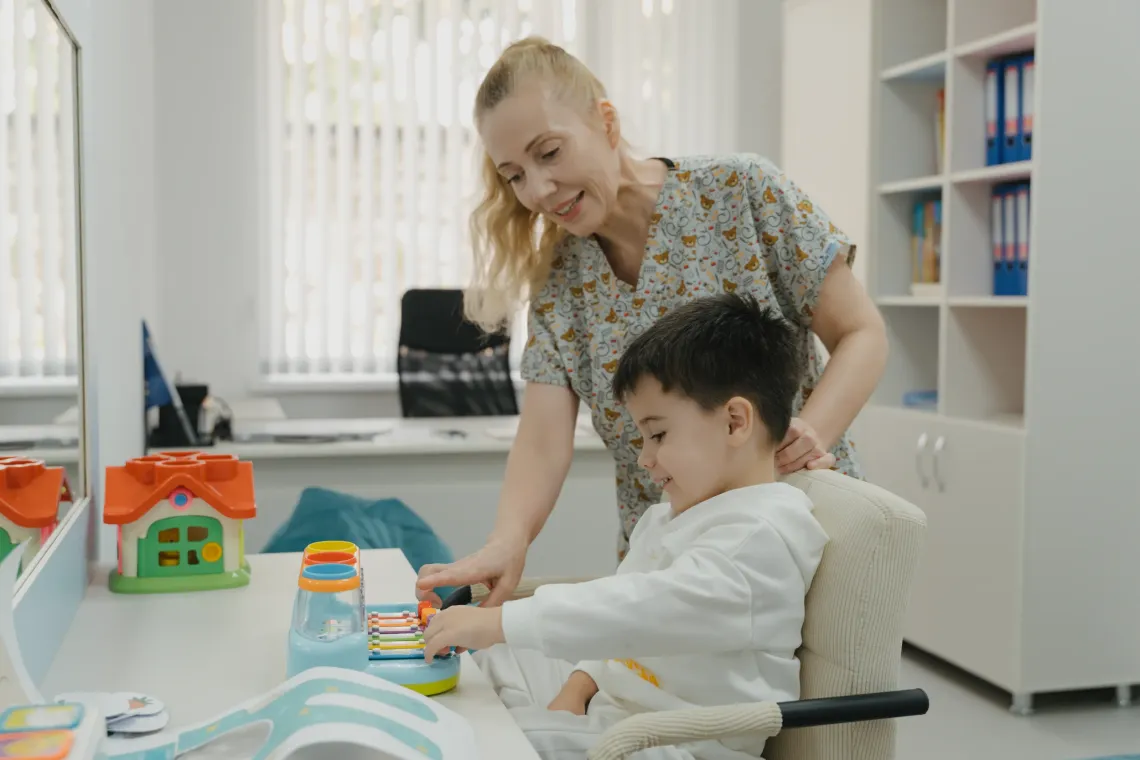
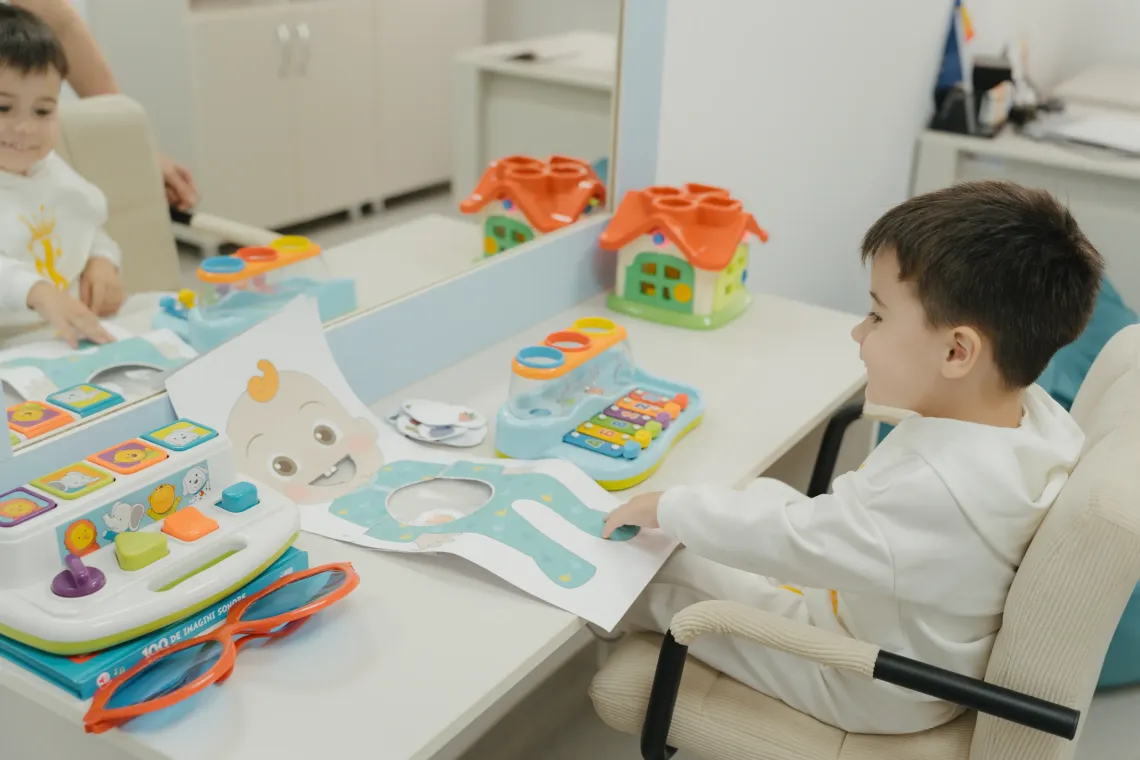
For the specialists working here, progress looks different for every child. It may be a new word, a step taken with support, a few extra seconds of eye contact, or the ability to hold a spoon independently. Behind each of these achievements is a process that begins with assessing the child’s needs, continues with the development of an individual intervention plan, and relies on constant collaboration between specialists and the family.
In the Republic of Moldova, the need for early intervention services remains significant. Approximately 12,000 children with disabilities are registered in the health system. Yet, according to data presented in the UNICEF Country Programme 2023-2027, only 27 per cent of children with disabilities receive their first diagnosis before the age of two, while only 10 per cent benefit from early intervention services. Identifying developmental difficulties or delays as early as possible is important so that every child can receive the support they need at the right time.
Support begins with assessing the child’s needs
When a child comes to the Centre, the first step is to gain as complete an understanding as possible of their needs.
„Every child is assessed by the entire team, and then we discuss with the parent the child’s needs and the services the family can benefit from”, explains Doina Grecu.
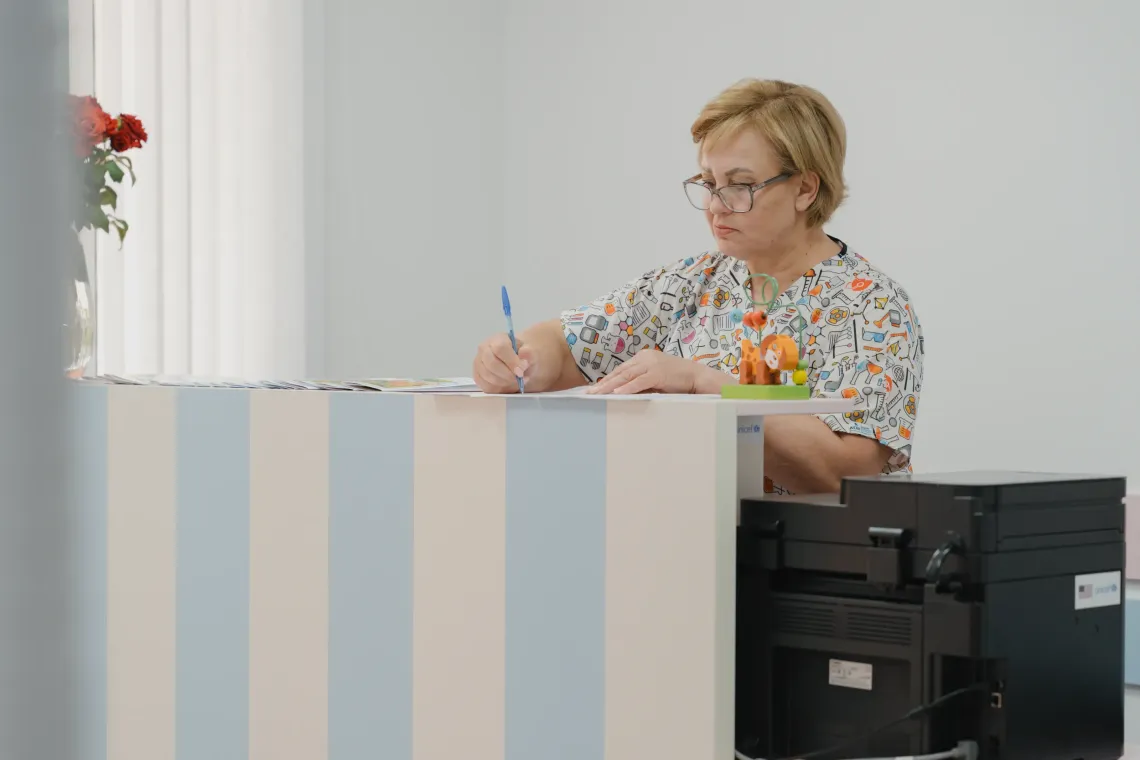
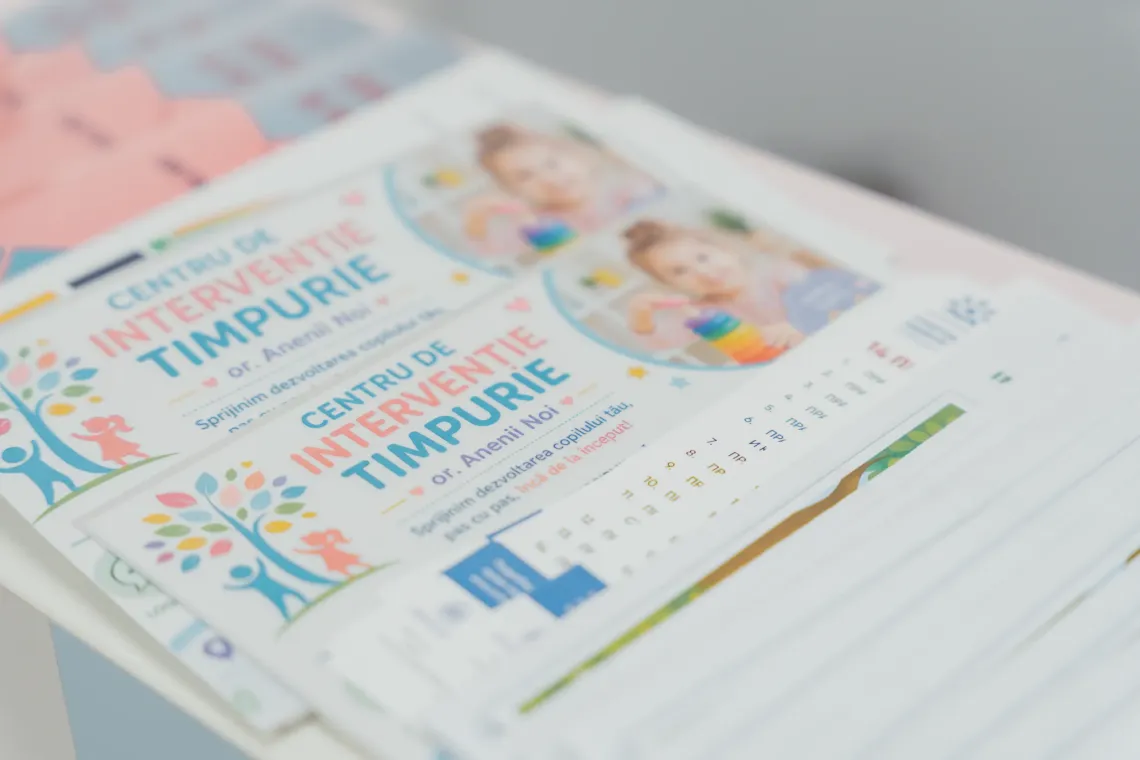
Following a comprehensive assessment, an individual intervention plan is developed for each child, tailored to their needs and level of development. It guides the specialists’ work and identifies the areas of support on which the team and the family will work together.
Depending on their needs, children may receive psychological and speech therapy support, physiotherapy and massage, occupational and sensory therapy, as well as parenting programmes, social support activities and psychological counselling for the family.
For Ala Nacu, a pediatric neurologist, collaboration among specialists is essential precisely because a child’s development cannot be viewed from a single perspective: „It is very important that we work together - the doctor, the psychologist and the social worker, because every child needs support tailored to their situation and to their family circumstances”.
Sometimes, difficulties can become visible through the way a child communicates, interacts or moves. A child may not respond when their name is called, may make little eye contact, may begin speaking later, or may experience difficulties in developing certain motor skills. For specialists, what matters is that such signs are noticed and assessed as early as possible.
„The earlier we identify delays or difficulties in a child’s development, the sooner we can intervene and provide the support they need”, says Ala Nacu.
Every child develops at their own pace
In early intervention, progress does not necessarily mean a major change that can be seen from one day to the next. For one child, it may mean developing a motor skill, while for another it may mean finding a new way to communicate or interact.
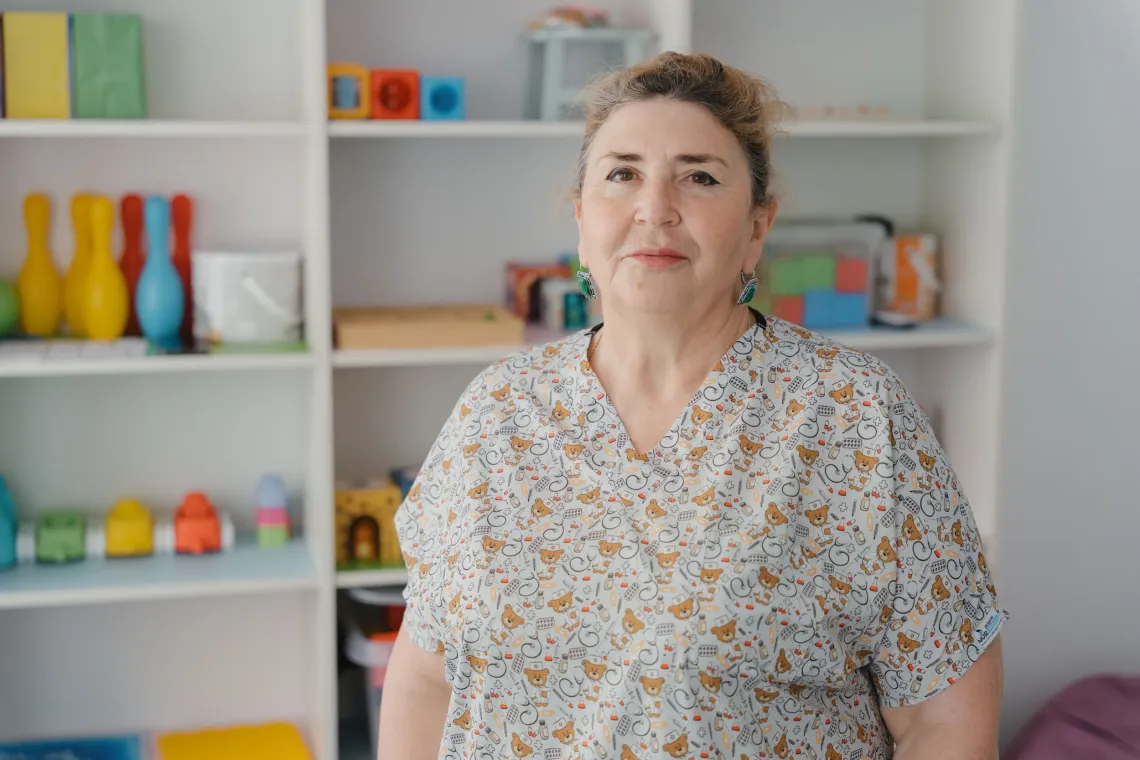
„Progress may mean that a child begins to hold a cup or spoon independently, or starts to maintain eye contact. For us, every change like this is important”, explains Ala Nacu.
There are also children who communicate very little with those around them when they first arrive at the Centre.
„With consistent support, treatment and family involvement, they begin to greet others, interact and take part in activities”, says the doctor.
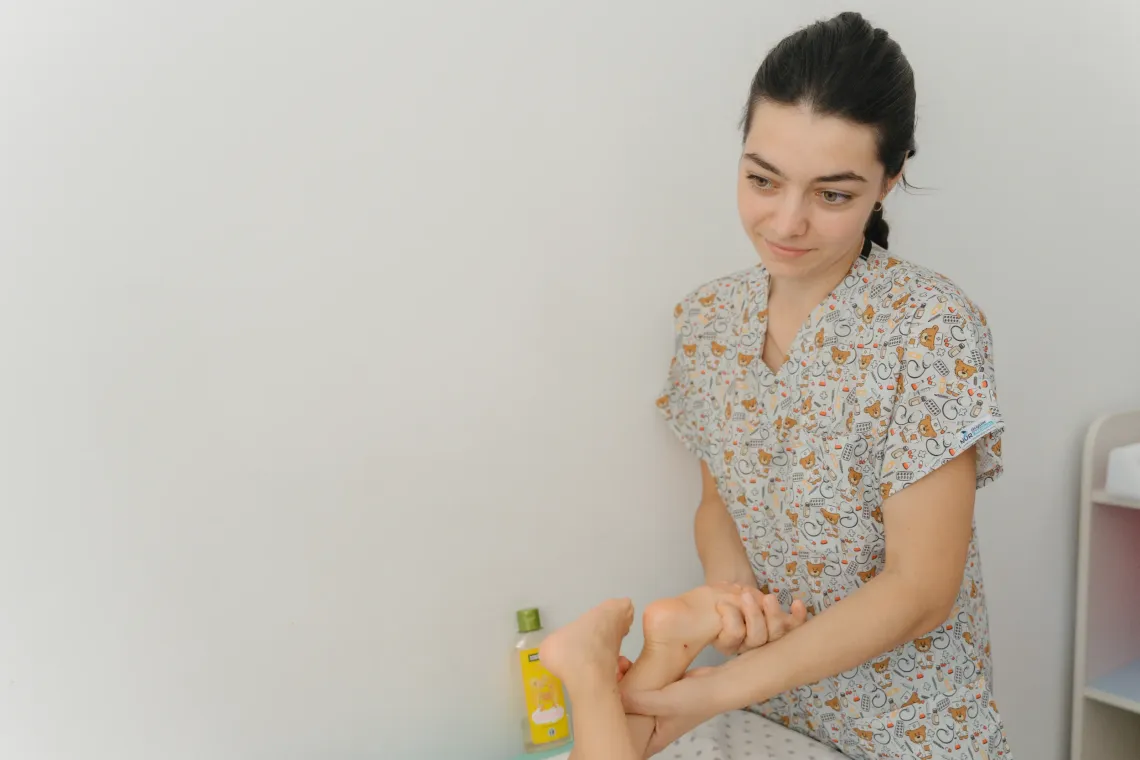
In physiotherapy, the goals are just as individual. Nicoleta Nicolaev, a physiotherapist and massage therapist, works together with families to identify the skills that each child can gradually develop.
„At first, a child may only be able to sit or stay on all fours, but after the sessions, they may progress to standing with support, walking while holding someone’s hand or even taking their first steps independently”.
And sometimes, the moment a family has been waiting for does not happen during a therapy session, but at home.
„Very often, the first signs of progress are noticed at home, when a mother sees that her child has taken a step independently or made a movement they could not make before”, adds Nicoleta.
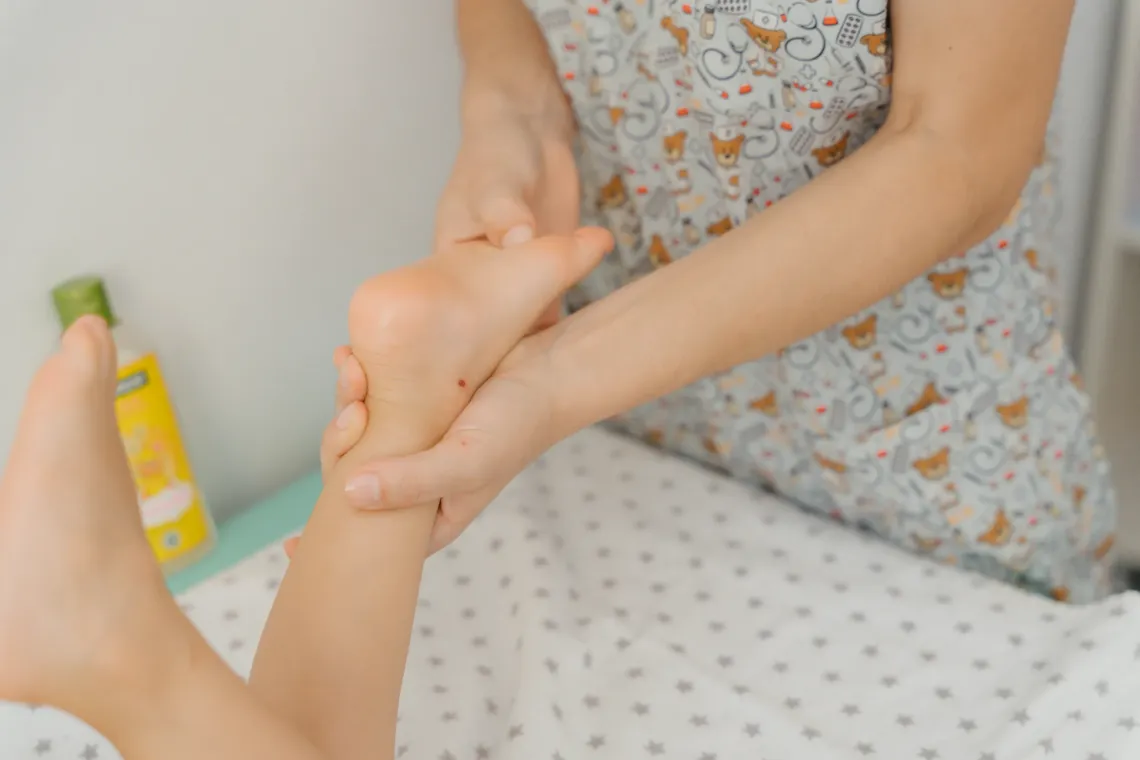
Parents are part of the intervention
For the Centre’s specialists, family involvement is essential so that what a child practises during sessions can be reinforced in everyday life.
Nicoleta Nicolaev describes the parent’s role through a simple image: „In a way, the parent is the specialist’s eyes and hands at home”.
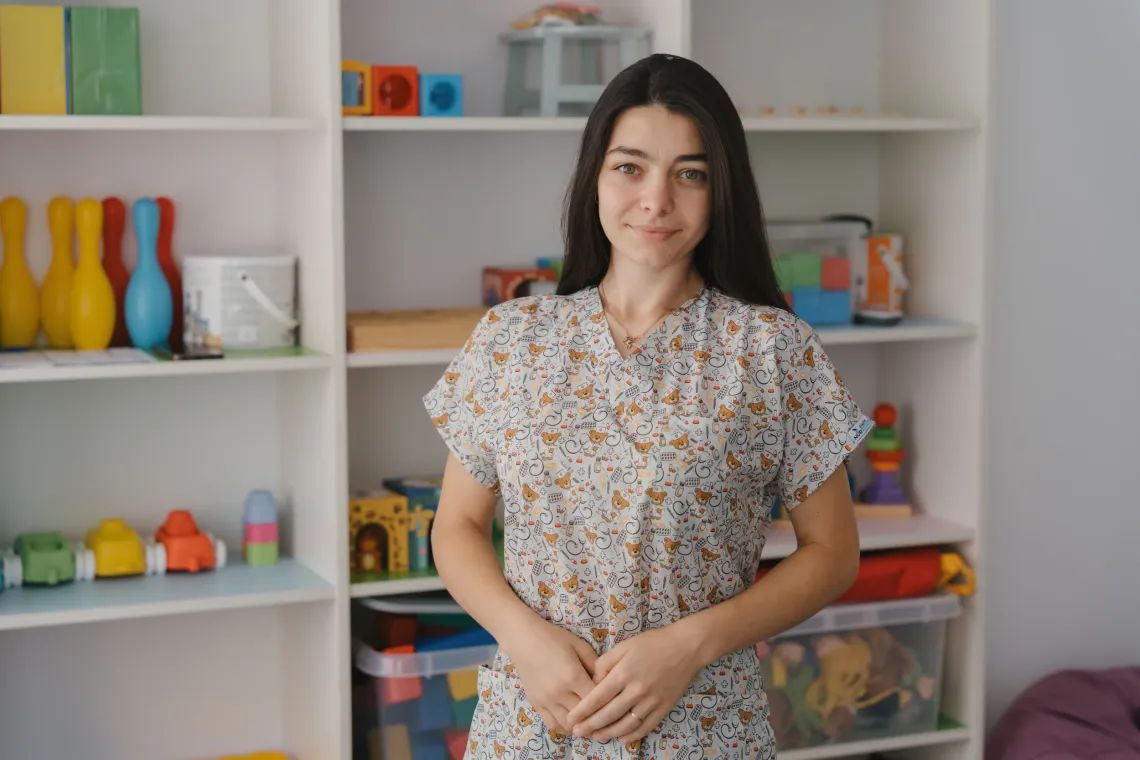
This is why specialists encourage parents to observe their child’s development and continue the recommended exercises and activities at home. The activities are adapted not only to the child’s needs, but also to what the family has available at home, since not every exercise requires special materials or equipment.
„We talk to every parent about what they have at home and what they can use. Even pebbles, sand or other simple materials can become part of a child’s exercises”, says the physiotherapist.
The message is echoed by other members of the team.
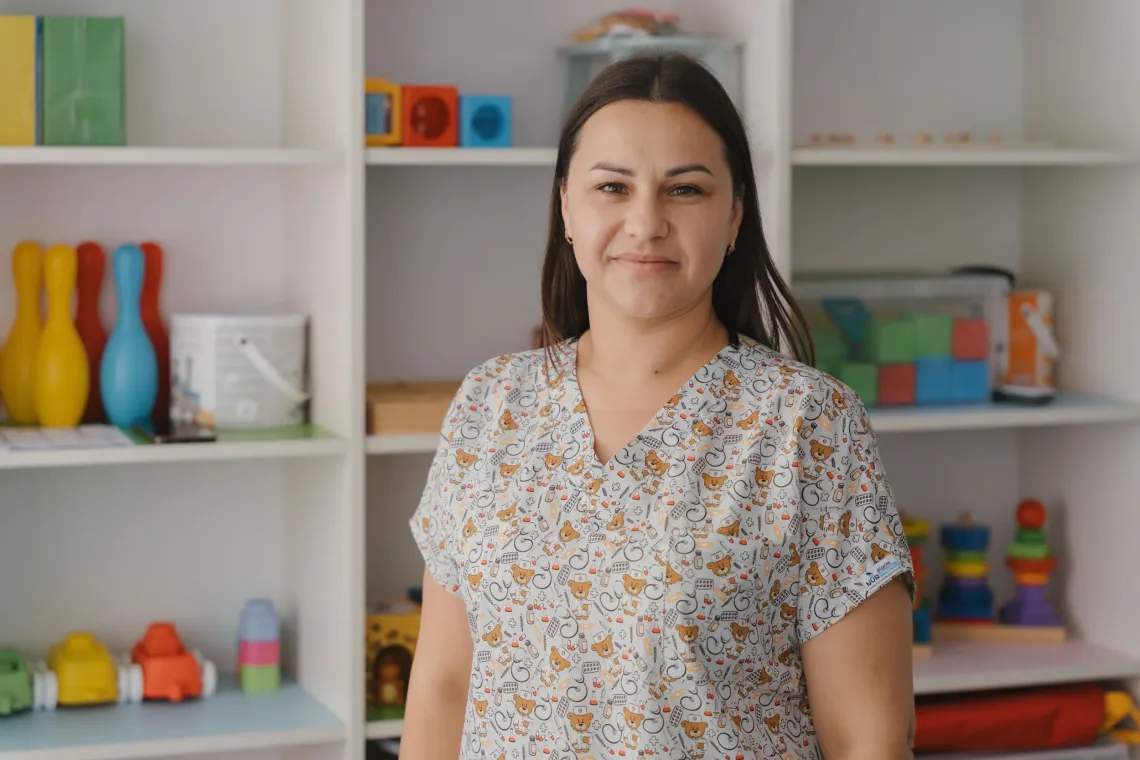
„The results cannot come from us alone. First and foremost, everything starts at home, and we help parents continue the work and move forward”, says Doina Grecu.
For Ala Nacu, collaboration with the family is indispensable.
„We cannot do anything without parents. We cannot do anything without the family. When the parent works together with the child, the results become visible”.
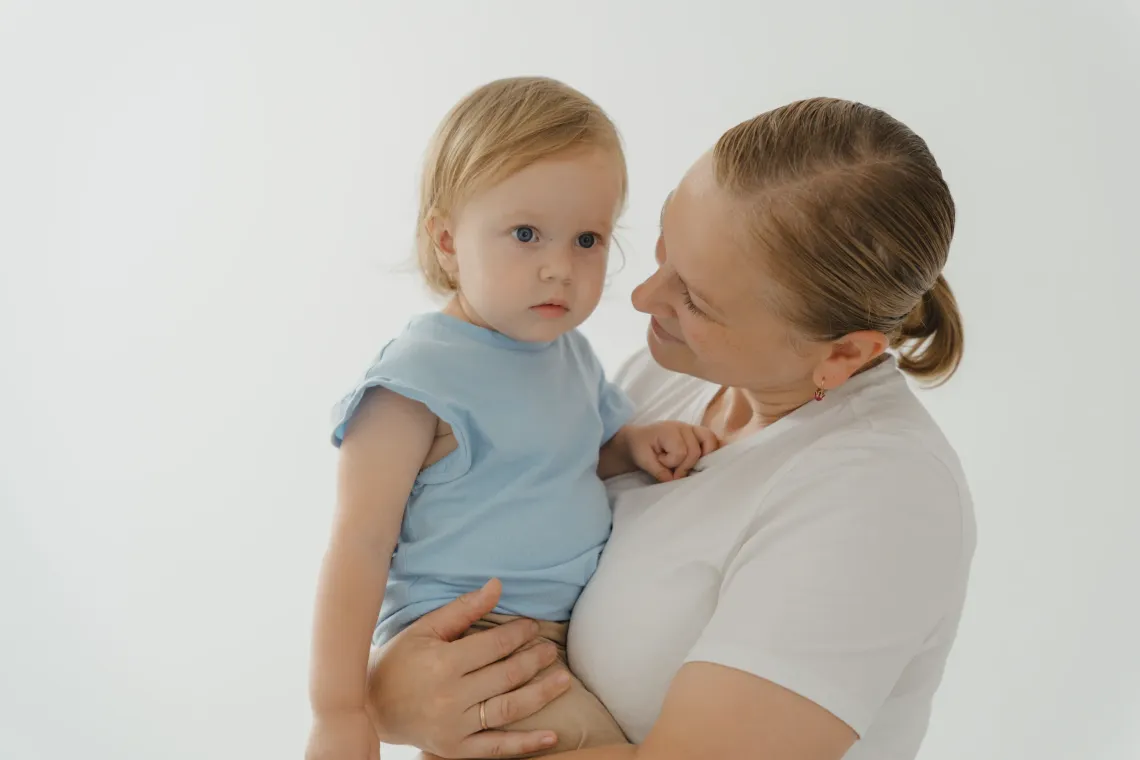
A session at the Centre is therefore only one part of the intervention. Continuing the activities at home gives the child the opportunity to practise the same skills in the environment where they spend most of their time and gradually integrate them into their daily routine.
For families in the district, having an Early Intervention Centre in Anenii Noi also means easier access to the support their child needs.
„Before, many families had to travel to Chișinău. Now that the services are closer to home, parents save time and money on transport and can more easily maintain their child’s daily routine”, says Doina Grecu.
The Centre’s services are available both to children from local communities and to refugee children who need early intervention. For families who have sought refuge in the Republic of Moldova, access to specialists at the local level can mean fewer barriers to obtaining the support their child needs for their development.
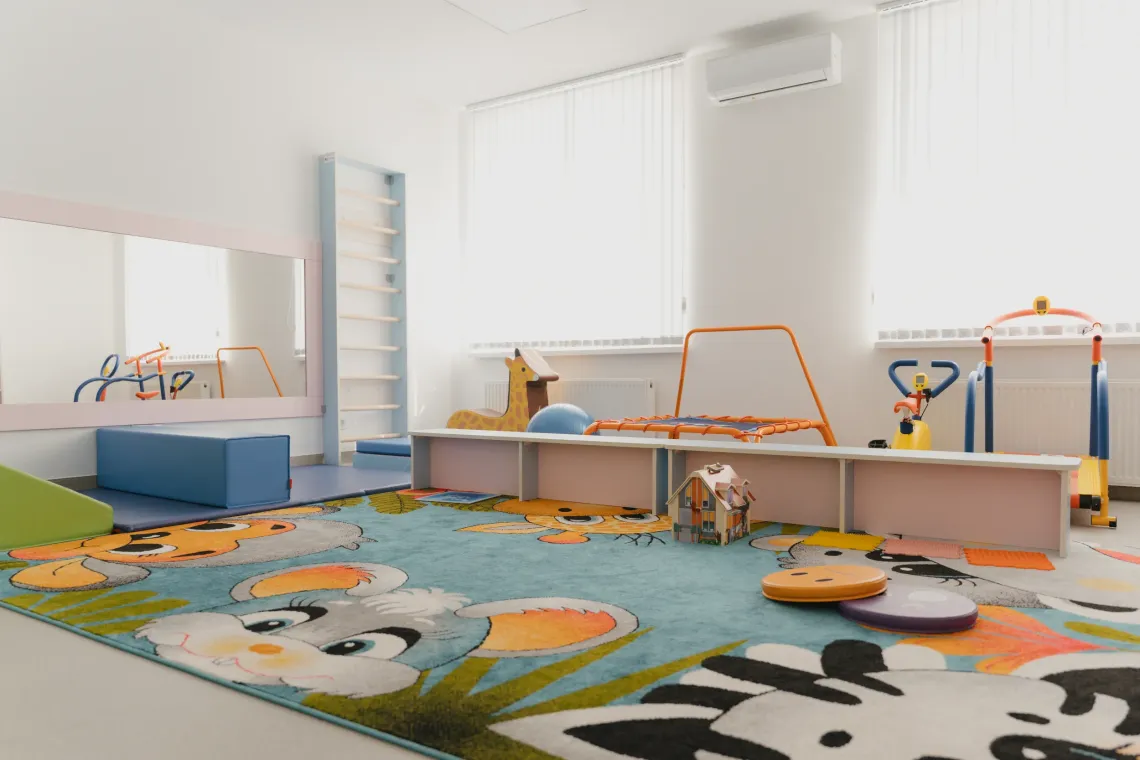
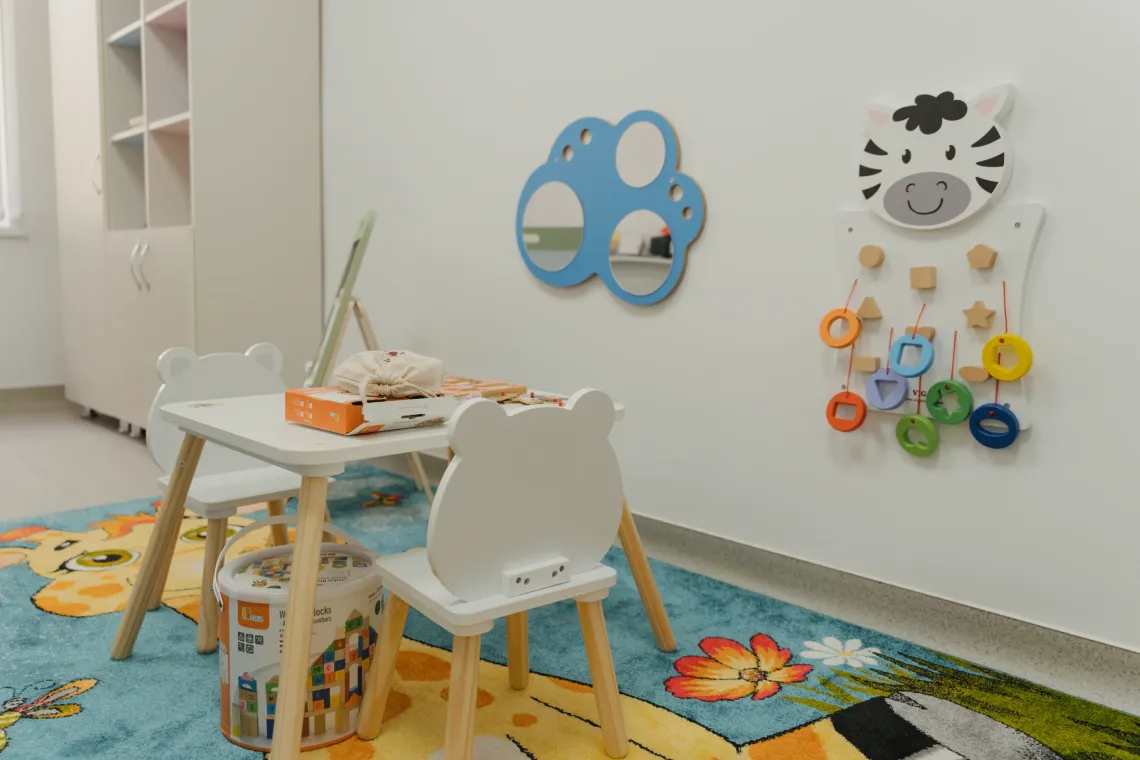
Daniela Vaipan, Health Programme Officer at UNICEF, notes that establishing the service at district level means both timely intervention and more equitable access to specialised support.
„The establishment of the Early Intervention Centre in Anenii Noi represents an important step for children and families in the district, giving them access, closer to home, to specialised services and the support they need from the earliest years of life. Early intervention is one of the most effective investments in a child’s development, playing an essential role in the early identification of difficulties and in providing the necessary support at the right time. This Early Intervention Centre responds to the real needs of families in the district and contributes to improving access to quality services and creating equal opportunities for every child’s development”.
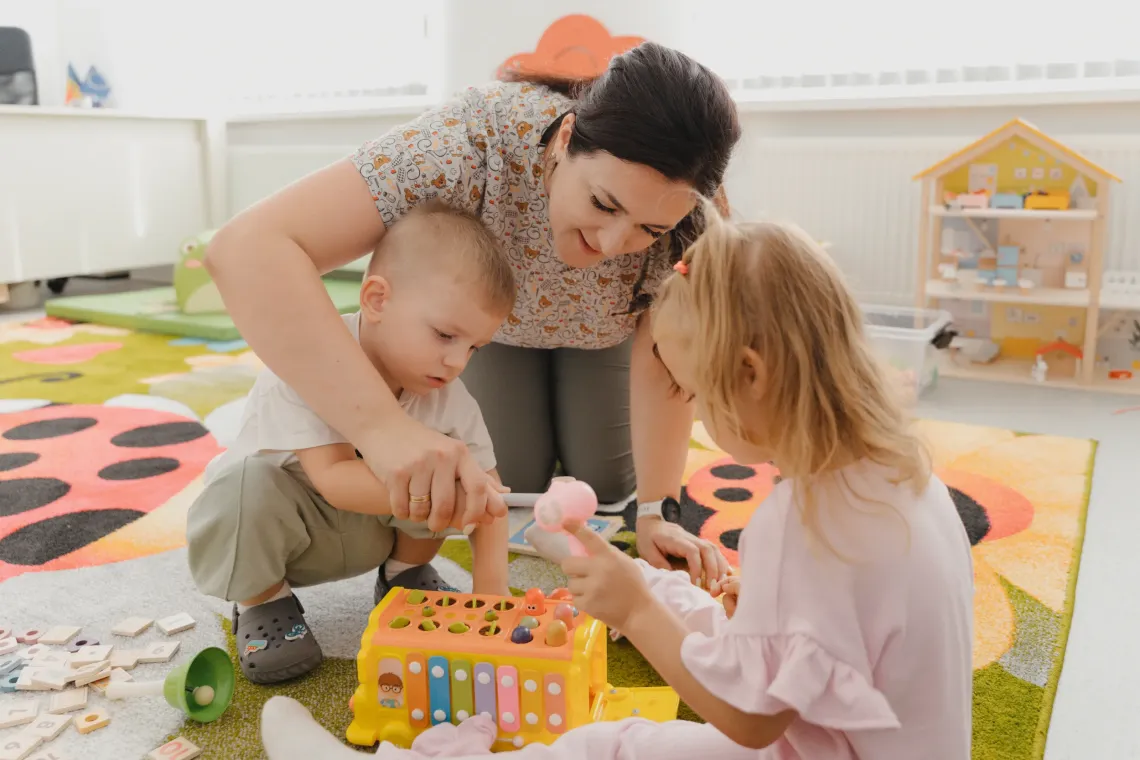
Establishing the service, however, is only one step. The continuous development of professionals’ skills is important to ensure that families benefit from quality services and a consistent approach tailored to the needs of every child.
Marcel Straton, Director of Lumos Moldova, emphasises that this investment in specialists will continue: „Early intervention means, first and foremost, providing children with the support they need at the right time and standing alongside families throughout this process. The establishment of the Early Intervention Centre in Anenii Noi is another step towards expanding and strengthening the network of such services available to children and families at the local level. Our mission, however, does not end here. Lumos will continue to support the professional capacity development of specialists at the Anenii Noi Early Intervention Centre, as well as at the other early intervention services we have established through our partnership with UNICEF, to ensure a consistent and standardised approach to cases involving children with developmental disorders and / or disabilities and to contribute to the continuous improvement of the quality of services provided by Early Intervention Centres”.
For the specialists who work with children every day, the results of this work become visible in very concrete moments: a new word, a more confident step, a movement performed independently or a greater willingness to interact. Each of these achievements is built gradually through the work of specialists, the involvement of the family and the support provided to the child day after day.
„When parents tell us that they are noticing changes in their child, we are happy too. That is when we feel that our work is truly making a difference”, says Doina Grecu.
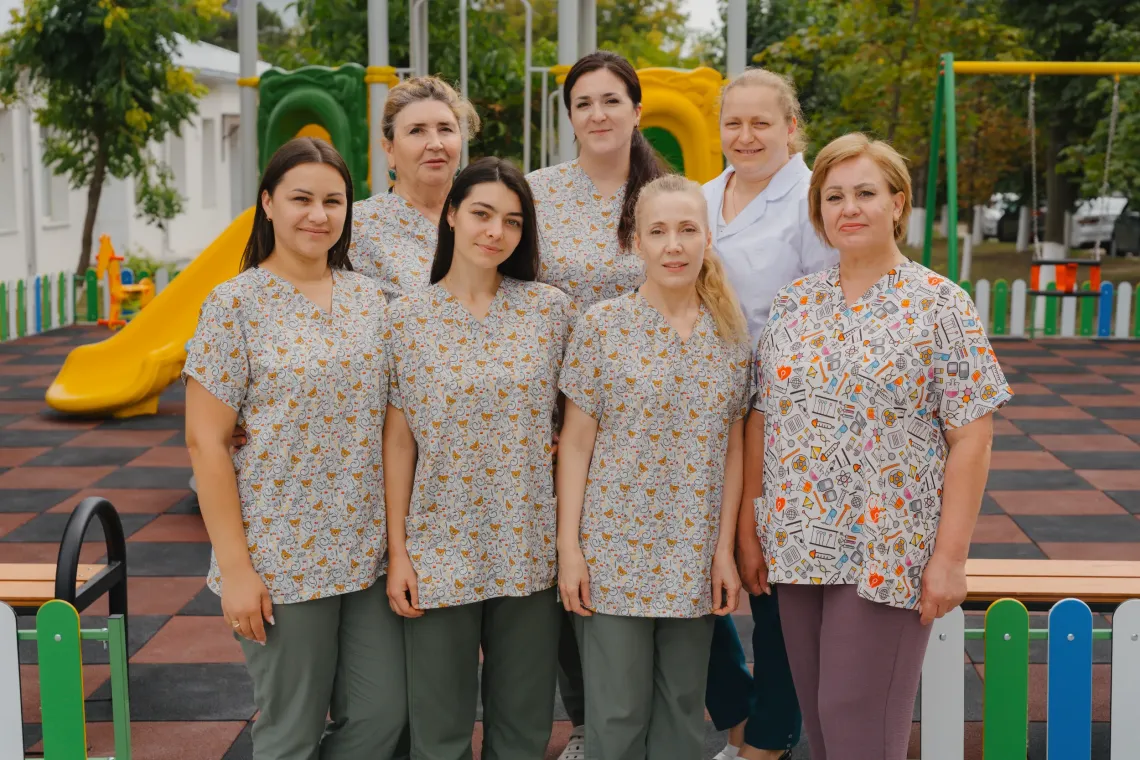
The Early Intervention Centre in Anenii Noi was established as part of the UNICEF project „Establishment and Development of Early Intervention Services for Children with Developmental Disorders and/or Disabilities”, implemented by Lumos Moldova in partnership with the Ministry of Health of the Republic of Moldova, with support from the Government of the United States of America.